


..Does your institution provide special physical facilities for interdisciplinary research teams within the applicable disciplines?
Boğaziçi University:
A Pioneer University in Interdisciplinary Research
Boğaziçi University effectively utilises its core competencies to achieve its goals in line with the vision set out in its 2025-2029 Strategic Plan. These competencies are as follows:
- Leadership in research
- Participatory approach to management
- Quality and performance management
- Supportive and international collaborations
Our university sets the standard for excellence in research activities at an international level. Among our faculty members are academics who have been awarded prestigious national and international honours, such as the European Union (EU), TÜBİTAK, TÜBA, and Marie Curie Research Programmes and Fellowships.
The work carried out in our university's faculties, institutes and research centres makes significant contributions at both national and international levels. Below are examples of some of the research areas in which our university is a pioneer and the interdisciplinary work carried out in these areas.
- Engineering and Technology; Boğaziçi University conducts pioneering research in artificial intelligence and machine learning. Significant work is being done, particularly in the fields of image processing, natural language processing, and data mining. For example, university researchers are developing advanced image processing techniques for various industrial and medical applications. In addition, research on renewable energy sources, smart grid systems, and energy efficiency is noteworthy. Projects on energy conversion and storage technologies are being carried out in our university's energy systems laboratory.
- In the field of Natural Sciences; important research is being conducted in the fields of nanotechnology and materials science. Studies are being conducted on nanomaterials and their electronic, optical and biomedical applications.
- In the field of Environmental Sciences; our university conducts research on climate change, sustainability and the assessment of environmental impacts. In particular, studies on the ecosystem of the Sea of Marmara contribute to understanding environmental problems in the region and developing solutions.
- In the field of social sciences; research on economic modelling, financial markets and sustainable development is noteworthy. Our university has carried out important work on topics such as the effects of economic crises and the analysis of economic policies. Research is also being conducted on human behaviour, social change and cultural dynamics. The University's Department of Psychology is conducting in-depth studies, particularly on child and adolescent psychology, trauma and stress management.
- In the field of health sciences; our university is conducting pioneering research in the areas of biomedical devices, bioinformatics and medical imaging. For example, important studies are being conducted on new technologies and biosensors developed for cancer diagnosis and treatment. Our research in the fields of genetic diseases, gene therapy and biotechnology is also noteworthy. Our university is developing pioneering projects, particularly in cancer research and genetic engineering.
- In the field of law; in-depth research is conducted on human rights, refugee law and international relations. Various projects are carried out to protect and develop human rights at regional and global levels.
The interdisciplinary research we conduct in different fields makes significant contributions to both academic literature and social development. These studies support Boğaziçi University's position as a pioneering institution in the field of research and guide scientific progress.
Click here to read Boğaziçi University's 2025-2029 Strategic Plan.
RESEARCH LABORATORIES
.png)
Research is conducted across a wide range of fields and interdisciplinary platforms at Boğaziçi University's faculties, colleges, institutes, and application and research centres, spanning from information technology to nanotechnology and from cognitive science to politics. Research laboratories serving the fields of Science and Engineering, Social Sciences and Humanities conduct research that includes both postgraduate studies and undergraduate students.
The experimental setups and equipment in our laboratories provide researchers with the opportunity to work and conduct experiments, thereby developing their experimental skills and research capabilities. Furthermore, laboratory work translates the theoretical knowledge learned in lectures into practice.
FACULTY OF EDUCATION
Department of Computer and Instructional Technologies Education
- RYZEL (Robotics and Artificial Intelligence Education Lab)
The Robotics and Artificial Intelligence Education Laboratory (RYZEL), established within the Department of Computer and Instructional Technologies Education, is part of the Robotics and Artificial Intelligence Laboratories (ROYAL) project funded by the Turkish Ministry of Development.
.jpg)
Department of Mathematics and Science Education
- Adaptive Test Laboratory
https://bounadaptivetestlab.bogazici.edu.tr/
The Boğaziçi University Adaptive Test Laboratory (BounAdaptiveTestLab) focuses on measuring academic achievement and psychological structures through individually adapted tests. The laboratory conducts research on Computer-Based Adaptive Tests (CBAT) and multi-stage adaptive testing (MST). Tests are developed to measure numerical skills at the K-12 level and to assess the competencies of teacher candidates. In addition, developing the necessary measurement tools to measure various psychological structures using CAT or MST is among the laboratory's objectives. Creating a working environment in the laboratory for visiting faculty members, postdoctoral researchers, master's and doctoral students to increase CAT and MST research is also one of the laboratory's primary goals.
- Children’s Learning Lab (COL)
https://col.bogazici.edu.tr/en
Research is conducted at the Children’s Learning Lab (COL) on how children learn and how their learning can be improved. Our research focuses on learning key concepts and problem-solving procedures in mathematics, emphasising experiences that promote learning. Primary research topics include the role of pattern recognition skills learned at an early age in later mathematics learning, secondary school students' perceptions of algebraic expressions, the development of the number line concept in children of different ages, and the cognitive factors that influence this development.
- Virtual Reality Laboratory (BUViaR)
https://buviar.bogazici.edu.tr/
.png)
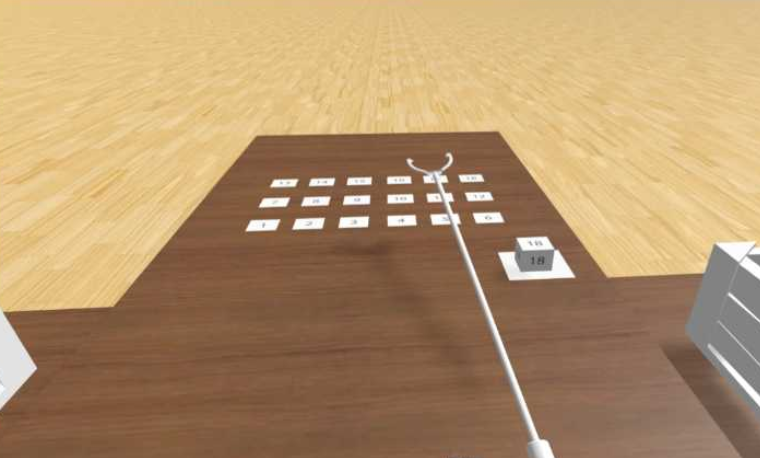
BUViaR is a research laboratory established under the multidisciplinary research support programme of the Scientific Research Projects Unit at Boğaziçi University. It was initiated as part of a project co-directed by three academics from different fields: Associate Professor Dr. Engin Ader from Mathematics and Science Education, Assoc. Prof. Dr. Emre Uğur from Computer Engineering, and Assoc. Prof. Dr. İnci Ayhan from Psychology. Numerous undergraduate and postgraduate students also conduct project and thesis work at the laboratory. Located at BUViar in North Campus KPark 118A, the laboratory conducts research on self-regulated learning, body and time perception, and the design of virtual reality environments using multiple data collected from virtual reality environments and machine learning algorithms.
Equipment
.png)
.png)
FACULTY OF SCIENCE AND LETTERS
Department of Physics
- Astrophysics Laboratory
https://academics.boun.edu.tr/ercan/
Data obtained from new and older generation X-ray observation satellites currently in orbit around the Earth are being analysed, and research is being conducted to understand the physical properties of various X-ray sources in the sky. For some time now, thanks to optical astronomy observations by a group including participants from both Turkey and abroad, observations have also begun in the visual spectrum region and at smaller wavelengths of electromagnetic radiation, such as gamma rays. Research in this direction has been deepened with the construction of all kinds of infrastructure. Our research group conducts both observational and theoretical studies in many different areas of galactic and extragalactic astronomy-astrophysics, such as galaxy clusters, the discovery of supernova remnants in nearby galaxies, neutron stars, black holes, dark matter, and other current topics in astrophysics.
- Engin Arık High Energy Physics Instrumentation Laboratory
https://karebloklab.wordpress.com/
https://kahvelab.bogazici.edu.tr/
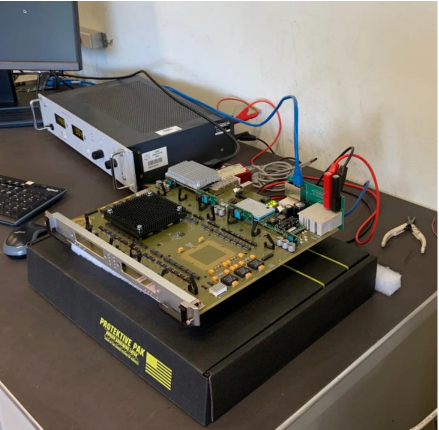
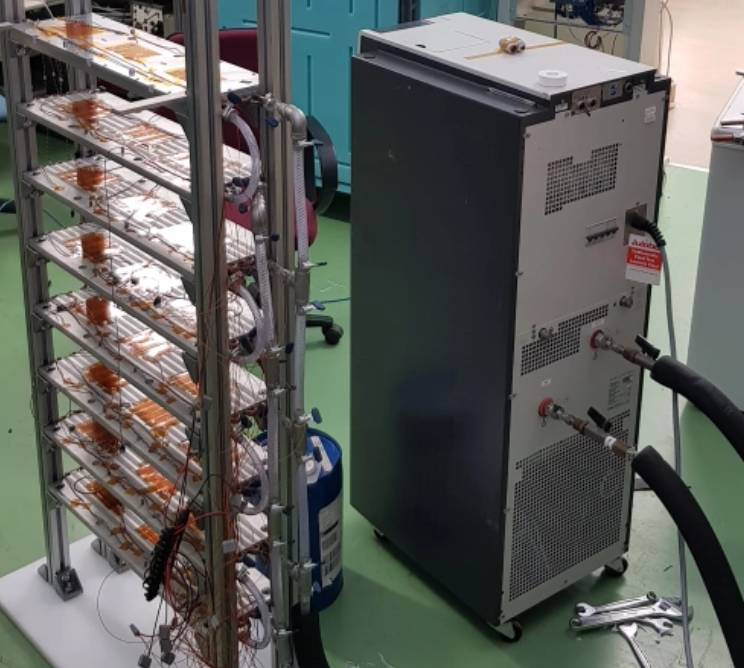
The laboratory primarily conducts computational studies on the ATLAS and CMS experiments at CERN. It also houses an experimental setup designed to measure the muon half-life and electronic cards suitable for data acquisition in nuclear experiments.
- Fibre Lasers Laboratory
https://academics.boun.edu.tr/parviz.elahi/
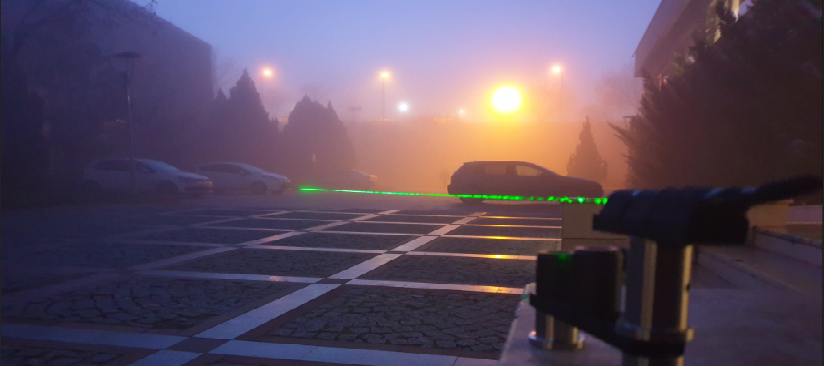
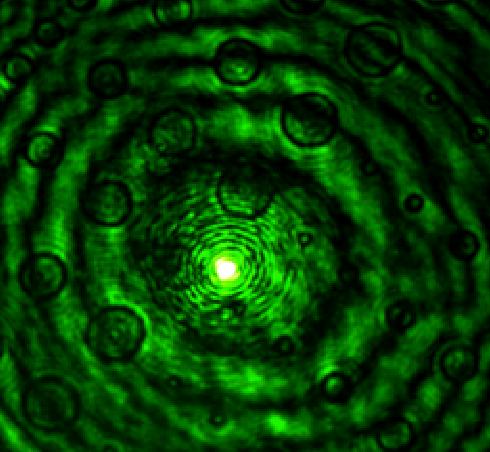
In this laboratory, we develop continuous-wave, nanosecond, and ultra-short (picosecond and femtosecond) fibre lasers at approximately 1 µm and 1.5 µm. We also utilise the lasers we develop for laser material processing, including metals, semiconductors, and tissue processing. We are also developing optical tweezers, particularly cavity-based optical tweezers, to trap microbeads and living cells. The development of modern imaging techniques, such as digital holographic microscopy, is another ongoing research area in this laboratory.
- Fibre Optics Laboratory
Research is conducted on the physics of nanoparticles, the spectroscopy of nanoparticles and time-resolved imaging, quantum dots, photonic crystals, fibre optic sensors, optical topography and quantum communication.
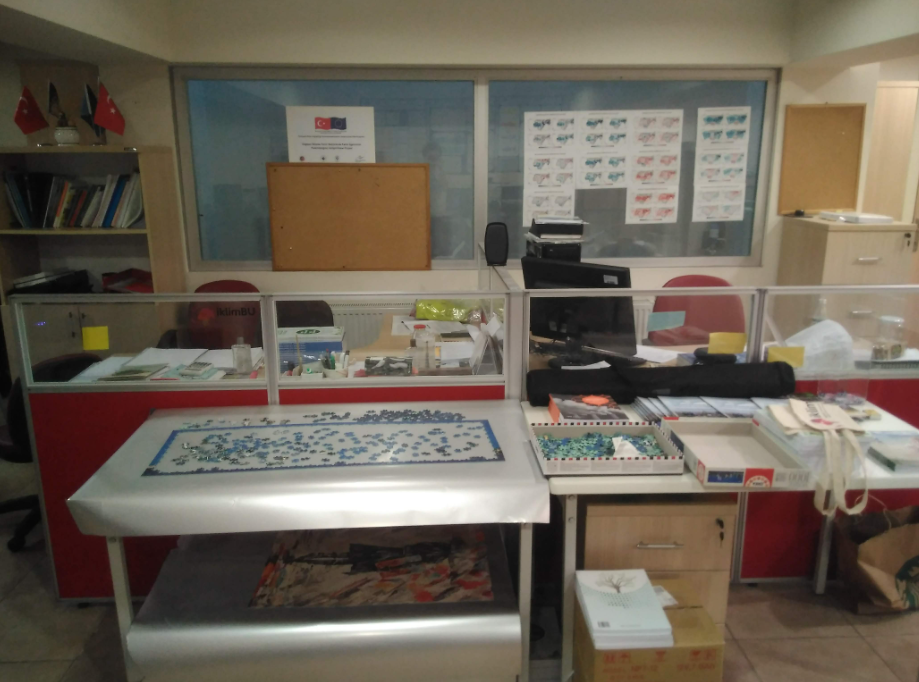
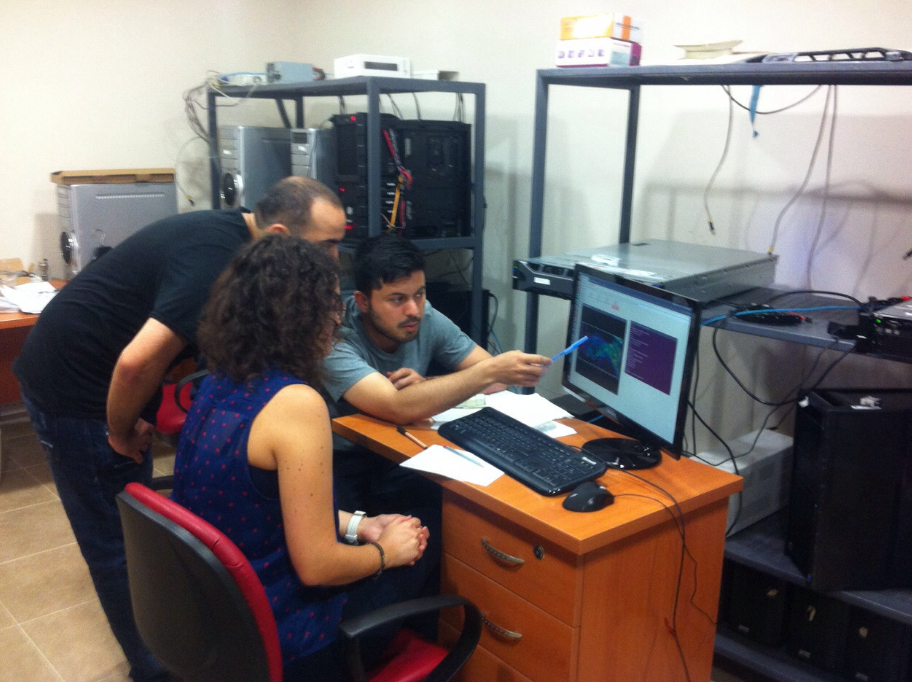
- Climate Change Research Laboratory
https://climatechange.bogazici.edu.tr/tr
The Climate Change Research Laboratory prepares high-resolution regional climate forecasts using Regional Climate Modelling techniques. Temporal and spatial sectoral impact analyses are derived from these forecasts. The main areas of application for these analyses are the health, agriculture and energy sectors. Ministries and the private sector active in the aforementioned areas contribute to the projects produced. Furthermore, master's and doctoral students from various institutes at our university continue their research work at this laboratory.
- Kandilli Detector, Accelerator and Instrumentation Laboratory
https://kahvelab.bogazici.edu.tr/
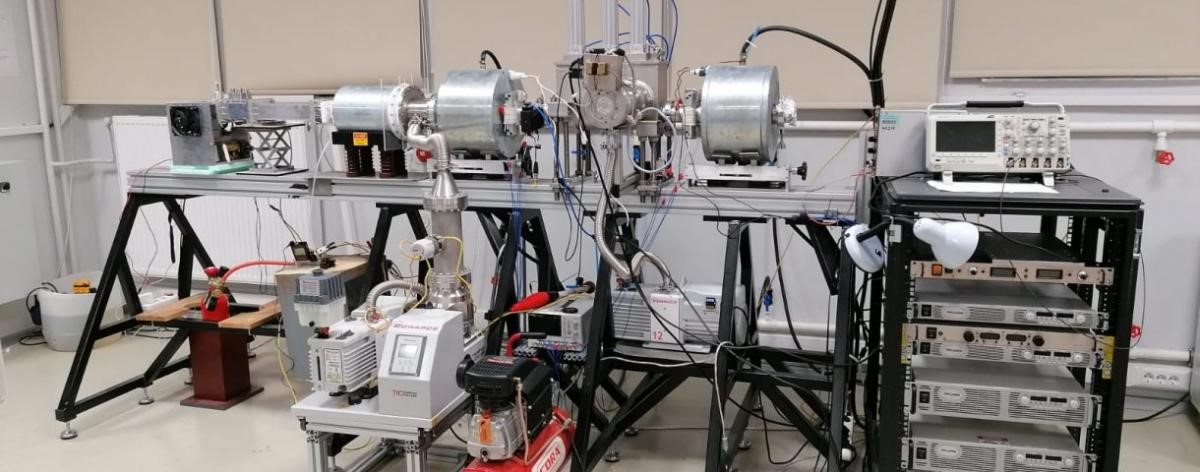
The laboratory develops accelerators and detectors for raising subatomic particles to high energies and observing them. In recent years, Turkey's first gas-filled wire chamber detector, an RF transmission line and circulator suitable for use in accelerators in the UHF band, and an electron gun have been designed and developed. Collaborations are being carried out with researchers from various universities in cities such as Ankara, Istanbul, Izmir, and Kütahya, as well as from CERN, to transform these devices into products for both scientific and industrial purposes. The laboratory's infrastructure includes a 500-core computer farm suitable for processing data from CERN experiments and simulation work, a mechanical workshop capable of processing parts up to 60 cm in size, a small wet room, and an electronics workshop.
- Square Block Detector Technologies Laboratory
https://karebloklab.wordpress.com/
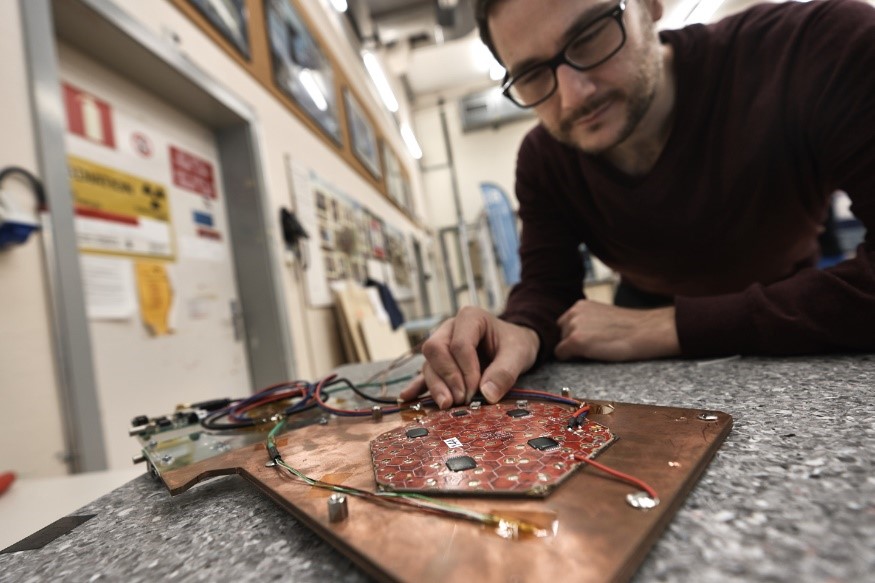
KareBlokLab was established at Boğaziçi University's Kandilli Campus for the development and testing of detector readout and control electronics. KareBlokLab is located in the Feza Gürsey and BTK buildings. The primary objective of KareBlokLab is to transfer the expertise gained from the CERN CMS experiment to detector R&D efforts in Turkey and to increase the number of experts in the country. The KareBlokLab team's areas of interest are: hardware design, firmware and software development for silicon-based detector readout, control and trigger distribution systems in a controlled environment; firmware and software development for high-speed, high-bandwidth data acquisition systems; total ionisation dose and single-event effect testing of electronics designed for LHC experiments.
- Solid State Physics Laboratory
https://buspin.bogazici.edu.tr/solid-state-laboratory
The production of semiconductor thin-film devices, characterisation of their structural, electronic, optoelectronic and thermal properties, and advanced technology applications such as solid-state memory, solar cells and sensors are being researched.
- Medical and Biological Physics Research Laboratory
Research is conducted on cancer physics, cancer modelling, and cancer imaging. There are approximately 350,000 cancer patients in Turkey, and the number is rapidly increasing. Therefore, multidisciplinary, original approaches to cancer are required. The aim of this laboratory is to look at, research and understand cancer through the eyes of a physicist equipped with biological knowledge. The development of harmless, inexpensive and portable optical and acoustic cancer imaging techniques is also within the scope of interest.
- Nanomagnetism and Spin Applications Research Laboratory (Buspin)
https://buspin.bogazici.edu.tr/home
This laboratory investigates the static properties and radio frequency (RF) dynamic properties of thin-film nanomagnetic structures and other spintronic devices produced using advanced nanofabrication techniques, as well as their applications in magnetic memory and sensor technologies.
- Semiconductor Optics Laboratory
https://sites.google.com/view/aslanlab/
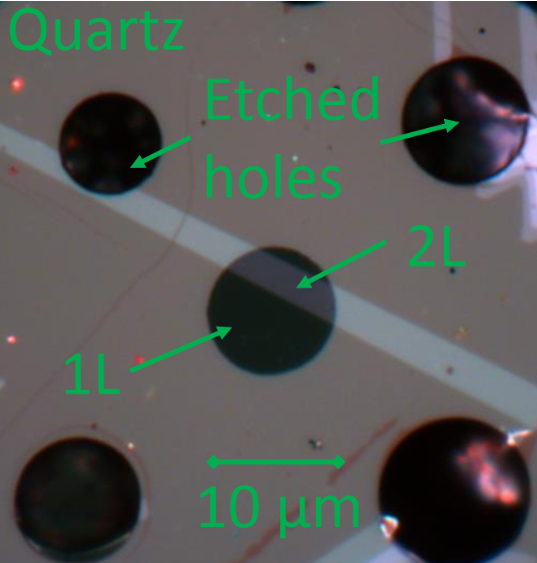
We study material families of interest using optical spectroscopy (measurement) methods. These include atomically thin two-dimensional materials (transition metal dichalcogenides) and zero-dimensional quantum dots, graphene and similar structures. We modify their optical and electronic properties using mechanical methods and study both fundamental semiconductor physics and optoelectronic applications.
Department of Chemistry
- Archaeometry Laboratory
Field of Work: Projects and analyses are carried out for the examination of archaeological materials. Organic residues isolated from pottery are examined with the aim of obtaining information about ancient diets. The analyses for the work are carried out using two gas chromatographs located in the laboratory. The laboratory also has a device for preparing thin sections from pottery. Another area of work involves the development of a micro-morphology preparation system for archaeological settlement bases.
- Biophysical Chemistry and Soft Matter Laboratory
Field of Study: Bio-materials, polyelectrolytes, colloids and different materials used in interfaces are synthesised and characterised. The interaction of macromolecules with a polyelectrolyte structure in biology with other molecules such as proteins is investigated. The structures and macro-ion behaviours of these materials are studied in gel and/or solution using isothermal titration, rheology, light scattering, and small-angle neutron scattering techniques for enzyme immobilisation applications.
- Environmental Chemistry and Natural Materials Laboratory
Field of Work: Detection of synthetic chemicals that are prominent in water pollution and pose a risk to human health and ecological balance, and development and optimisation of methods for their removal from water. In this context, production, use and performance evaluations of activated carbon, microalgae and cyanobacteria species. Production of composites and hydrogels with controllable properties using various polysaccharide derivatives for use in water purification or biological applications. Chemical detection is performed in blood serum.
- Advanced Technology Laboratory for Energy Storage
Field of Work: Research is conducted on lithium-ion and sodium-ion battery technologies. In our laboratory, both active and inactive materials used in batteries are produced, starting from synthesis, and their electrical and electrochemical characterisation is performed. In addition, physicochemical characterisation is carried out externally in collaboration with different universities and R&D institutions. Our group also strives to produce high-impact work using advanced characterisation techniques at synchrotron laboratories in Paris and Jordan.
- Photochemistry and Photocatalyst Laboratory
Field of Work: Photocatalyst preparation and characterisation studies are conducted using impregnation and precipitation methods. Kinetic studies are carried out by monitoring photocatalytic efficiency in lighted and unlit environments using light boxes in the presence of selected sample materials.
- Computational Chemistry Laboratory
Field of Work: The hydrophilic/hydrophobic properties of organic molecules that constitute drug raw materials are determined, and their potential to enter cells is identified using computational methods. In materials chemistry, the contributions of metal oxide catalysts to the selectivity of hydrogenation-related reactions are modelled with atomic and electronic resolution, aiming to design new and highly efficient catalysts.
- Computational Chemistry and Biochemistry Laboratory
Field of Study: Focuses on understanding protein-ligand interactions that come together through non-covalent forces in the human body using experimental methods, and constructing complex systems with polymers/colloids and nanoparticles to obtain materials that can be used in medicine and energy.
- Pharmaceutical Chemistry Laboratory
Field of Work: Research is conducted on targeted cancer drugs. The laboratory's areas of work include the preparation of macromolecular carriers, their targeting with biomolecules, the synthesis of drug molecules, the preparation of antibody-drug conjugates, and the subsequent investigation of the biological effects of the newly prepared molecules.
- Laser Spectroscopy and Surface Science Laboratory
Field of Work: Work is being carried out to better understand different reaction mechanisms using laser and mass spectroscopy methods. The aim is to determine the reaction steps occurring on different surfaces, make them more efficient, and thus obtain products more easily.
- Organic Polymer, Bio-Nano Materials Laboratory
Field of Work: This laboratory synthesises macromolecular structures for biomedical applications. Work continues on the physical properties and biological examination of materials, ranging from new monomer synthesis to sensors and bioactive gels.
- Organic Synthesis Laboratory
Field of Work: The synthesis and reactions of chiral heterocyclic systems are studied. In addition, HPLC and NMR analyses of chiral compounds are performed. The synthesis of rotationally hindered compounds is also carried out in the laboratory.
- Organic Synthesis and Polymeric Chemistry Laboratory
Field of Work: Controlled functional and reactive polymers are sought to be obtained using atom transfer radical polymerisation (ATRP) and RAFT techniques. In addition, aliphatic polyesters are also studied to be obtained by condensation. The common goal of these projects is to obtain new polymers with potential for use in powder coating.
- Polymer Research Laboratory
Field of Work: Research is conducted on the synthesis of new functional monomers and polymers, water-soluble monomers and polymers, photopolymerisation and photoinitiators, and biocompatible materials.
- Polymer Processing and Nanocomposite Laboratory
Field of Work: Preparation and characterisation of polymer blends, polymer processing and moulding, synthesis and characterisation of polymeric nanocomposites, thermal and static/dynamic mechanical characterisation of polymers, dimensional stability of polymers.
- Polymer Synthesis and Characterisation Laboratory
Field of Work: Synthesis and characterisation of functional homopolymers, block and graft copolymers, preparation and characterisation of polymer blends, molecular weight and distribution characterisation, and dimensional stability of polymers.
- Spectroscopy and Chromatography Laboratory
Field of Work: This laboratory houses analytical infrastructure equipment such as infrared, NMR, LC-MS, and surface tension devices.
- Fuel Cells and Energy Laboratory
Field of Work: Fuel cell materials are synthesised in the laboratory and characterised. Performance analyses of the defined materials are also completed, and work is carried out to develop them into high-efficiency energy conversion systems. Emission tests and studies to reduce these emissions are conducted using energy conversion and carbon storage materials together. All necessary work is carried out to synthesise, characterise, and prepare for use the catalyst materials required for energy conversions at the nanoscale.
- Surface Chemistry and Colloid Laboratory
Field of Work: Experiments generally involve working with micelles, micro/nano emulsions and vesicular structures formed by surface-active agents and used in bio-membrane-like models. Work is ongoing on encapsulating DNA, proteins, drugs, etc. in the hydrophilic and hydrophobic areas of these structures.
Department of Molecular Biology and Genetics
- Apoptosis and Cancer Immunology Laboratory (AKİL)
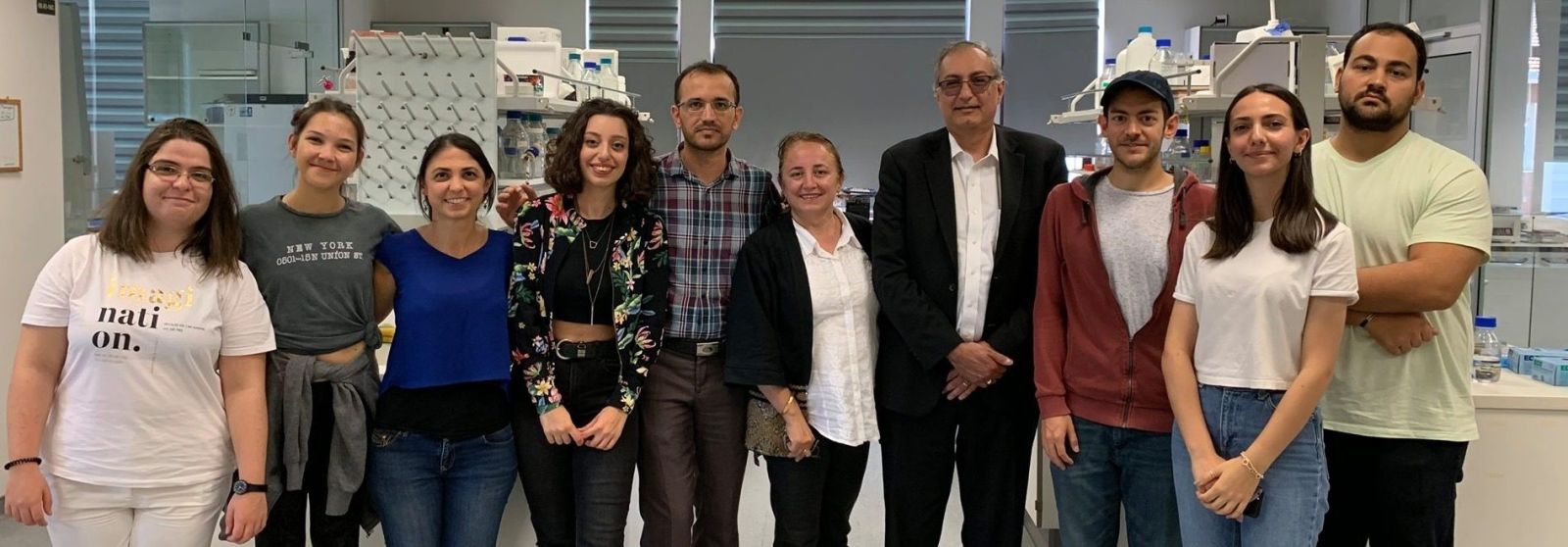
Areas of Research: One of the research topics of Prof. Dr. Nesrin Özören's Apoptosis and Cancer Immunology Laboratory is the importance of the ASC adaptor in the development of human skin cancer. Findings to date indicate that ASC has two distinct important functions. Its first function is in the recognition of intracellular pathogens in the immune system. It regulates the secretion of IL-1 and IL-18 cytokines by enabling the activity of the caspase-1 enzyme. Its second function is thought to be in the cell death mechanism. The expression of the ASC gene is normally found in a wide range of tissues, but it has been determined that its expression is suppressed in a large proportion of certain types of cancer. The aim is to clarify the importance of ASC in the development of these tumours. The second research topic concerns elucidating the mechanisms underlying Behçet's disease, which is prevalent in Turkey.
- Senselab
https://neurobio.bogazici.edu.tr/
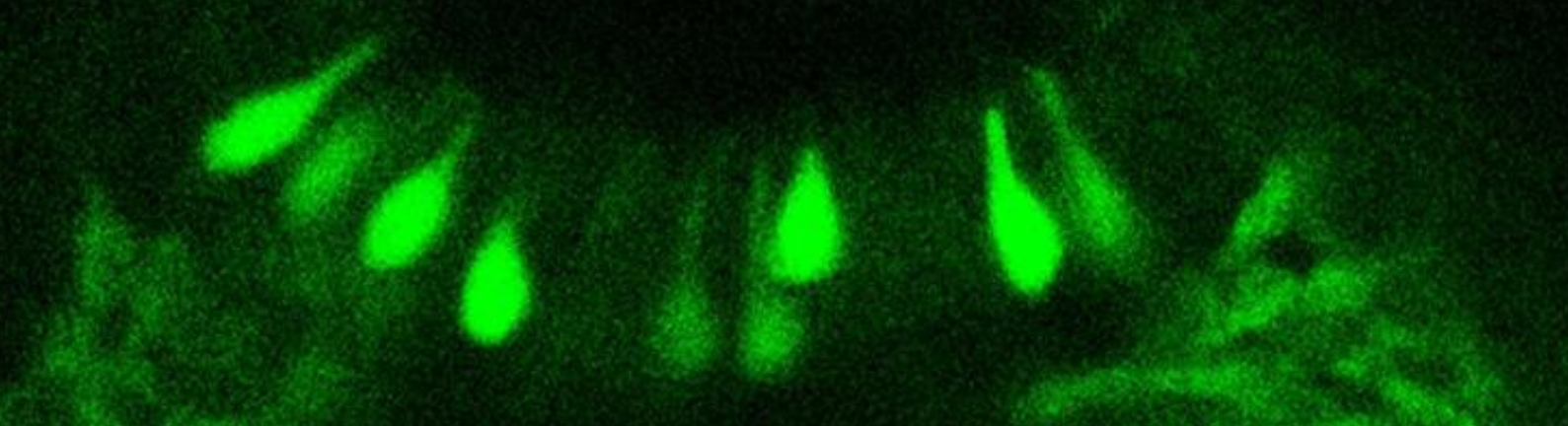
Areas of Research: In Associate Professor Stefan H. Fuss's sensory research laboratory, the development of the olfactory organ and the mechanisms that enable the differentiation of sensory neurons are being investigated. Zebrafish (Danio rerio) are used as model organisms in the studies. In addition, the topics of cell degeneration and regeneration in the olfactory system are being explored. These studies form the basis for research on stem cell differentiation.
- Laboratory of Genome Regulation (Genreg)
https://genreg.bogazici.edu.tr/
Areas of Research: Epigenetic mechanisms, which control when and how actively thousands of genes in the human genome are expressed, play a critical role in normal development and adaptation to the environment. Furthermore, it has been observed that defects in these mechanisms play an important role in carcinogenesis. The main research focus of the Genome Regulation (GenReg) Laboratory is to identify the mechanisms of factors affecting gene activity and their roles in carcinogenesis. These studies aim to identify new treatment targets specific to cancer types.
- Cancer Signalling Laboratory (CSL)
Areas of Research: Dr. Necla Birgün's cancer signalling pathways research laboratory (CSL) primarily focuses on two topics. One research project involves new molecules affecting cancer formation in the Wnt/beta-catenin signalling pathway. Many elements in the signalling pathway have been linked to different types of cancer. Our research group has identified many target molecules with altered expression in liver cancer cells by inducing high expression of mutant beta-catenin and subsequently performing SAGE and microarray analysis. Our aim is to identify and characterise molecules that have not previously been associated with cancer. The second area we are focusing on is researching the signalling pathway involving the Allatostatin receptor (AstR), a G-protein-coupled receptor (GPCR). Allatostatins (AST) inhibit juvenile hormone in insects, suppress muscle activity, and are also involved in feeding behaviour and vitellogenesis. Approximately 60% of drugs target GPCR proteins. Our group is particularly focused on elucidating the signal transduction pathways of insect-specific Allatostatin receptors for use as pesticides.
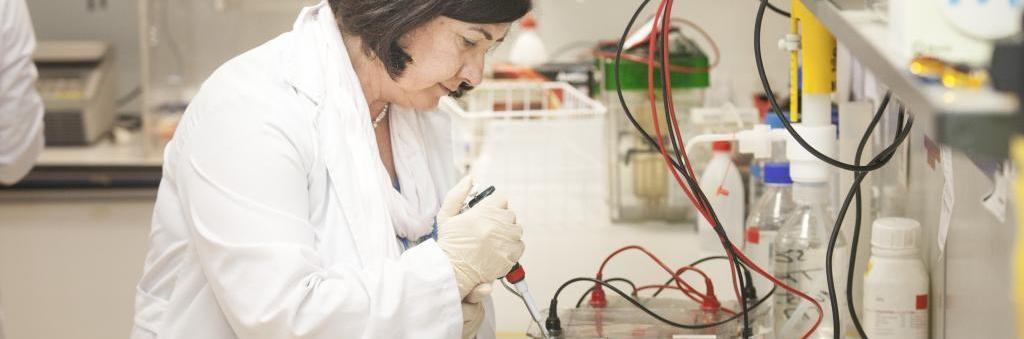
- Molecular Toxicology and Cancer Research Laboratory
Areas of Research: In the laboratory of Associate Professor Dr. İbrahim Yaman, the toxic effects of chemical agents derived from food or other natural sources are studied at the molecular level, and the molecular mechanisms by which carcinogenic agents cause cancer are investigated. In this context, the effects of chemical agents on cellular signalling pathways and the cell death/survival processes affected by these signalling pathways, as well as protein degradation mechanisms such as proteasome and autophagy, are being investigated. Furthermore, the effects of chemical agents on gene expression are being studied at the transcription and translation levels, and the investigation of the mechanisms of action on these fundamental cellular processes is among the laboratory's other areas of research.
- Post-Translational Modifications Research Laboratory
Areas of Research: Dr. Umut Şahin's research laboratory investigates post-translational mechanisms (Ubiquitin, Small Ubiquitin-like Modifier) that control protein stability and degradation, and researches the ability to artificially trigger these mechanisms using genetic and pharmacological methods. In this context, the aim is to degrade harmful, toxic, and pathological proteins for the organism and thereby treat certain diseases (including various types of cancer and some neurodegenerative diseases). Protein biochemistry and cell biology techniques are primarily used in the laboratory, and long-term experiments will be conducted on test animals.
- Mitochondrial Genetics Laboratory (MitoLab)
Areas of Research: Dr. Şükrü Anıl Doğan's research laboratory focuses on the contribution of mitochondria to stress signalling in cells. The laboratory's aim is to investigate the different signals emitted by mitochondria and to systematically examine the molecular pathways that activate these signals in the context of ageing and age-related diseases. The lab's current work is related to free radicals. Using various transgenic mouse models, the aim is to investigate the effect of free radical signalling on pathways such as the mitochondrial unfolded protein response (UPRmt), autophagy, mitokine release, and the mitochondrial integrated stress response (ISRmt). Detailed deciphering of free radical signalling will help design better treatments for diseases and highlight the potential dangers of unnecessary antioxidant use/treatment.
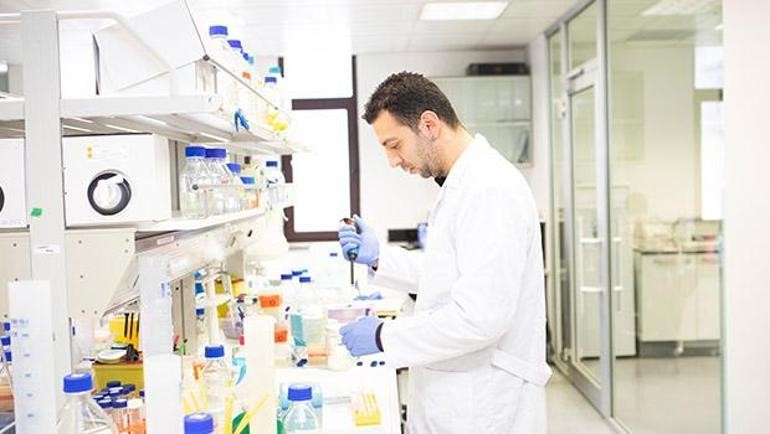
- Developmental Neurobiology Laboratory
Areas of Research: Prof. Dr. Arzu Çelik Fuss's research laboratory investigates the mechanisms underlying brain and sensory organ development and neuronal differentiation in the developmental neurobiology laboratory. Additionally, research topics include the development of neurodevelopmental and neurodegenerative disease models using the fruit fly Drosophila melanogaster and elucidating the molecular mechanisms causing the disease. In the long term, the aim is to develop treatment methods for diseases by conducting drug screenings on these models. The methods used include molecular biology, genetics, cell biology, bioinformatics, protein biochemistry, immunofluorescence and advanced microscopy techniques, and transgenic animal production.
- Experimental Immunology Laboratory (EIL)
Areas of Research: Prof. Dr. M. Batu Erman's Experimental Immunology research laboratory aims to understand the development and function of the immune system at the molecular, cellular, and organismal levels. Our research examines the function of transcription factor proteins in the cell nucleus during immune responses, as well as how receptor proteins on the cell surface transmit signals. By better understanding these molecules in immune system cells, we aim to identify errors in immune responses (inflammatory diseases) or situations where immune responses are insufficient and could be enhanced (cancer). In our studies, we use genetic engineering (TALEN, CRISPR/Cas9), protein biochemistry, flow cytometry, fluorescence microscopy, cell culture, and biotechnological methods. In our laboratory, we aim to develop new generation protein (nanocor)-based drugs and cellular therapies using these techniques.
- Seed Laboratory (SeedLab)
Research area: Dr Steven Footitt's research laboratory investigates the ability of seeds to act as highly advanced environmental sensors. Seeds integrate information from the environment, such as temperature, light, water potential, and nutrient availability, to determine the time of year (temporal perception). This information is vital for regulating the dormancy cycle of seeds in the soil to time seedling emergence. Temporal perception indicates the most suitable time of year for the species. At the right time of year, the spatial signals (spatial perception) listed above are used to determine whether they are in the right climatic niche (such as soil depth and the presence of competing plants) for successful seedling emergence. To understand how this is regulated, we use the natural variation between two ecotypes of the model plant Arabidopsis thaliana, which are adapted to cool/wet and warm/dry climates, resulting in different life cycles. We use the RNAseq method and a recombinant natural line mapping population derived from these ecotypes to identify regions of the genome adapted to different climates and genes whose expression is adapted to climate. Identifying climate-adapted genes that regulate dormancy and germination will contribute to the development of ‘climate smart’ crops needed by agriculture as the climate changes.
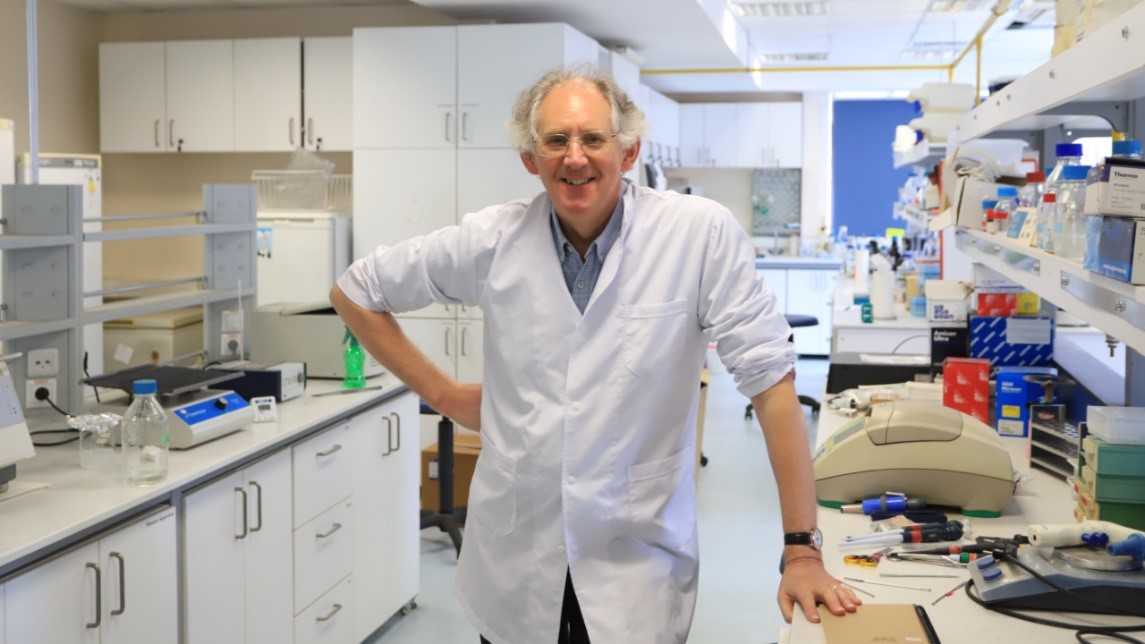
Department of Psychology
- Family and Child Research Laboratory
https://psychology.bogazici.edu.tr/tr/content/aile-ve-cocuk-arastirmalari-laboratuvari
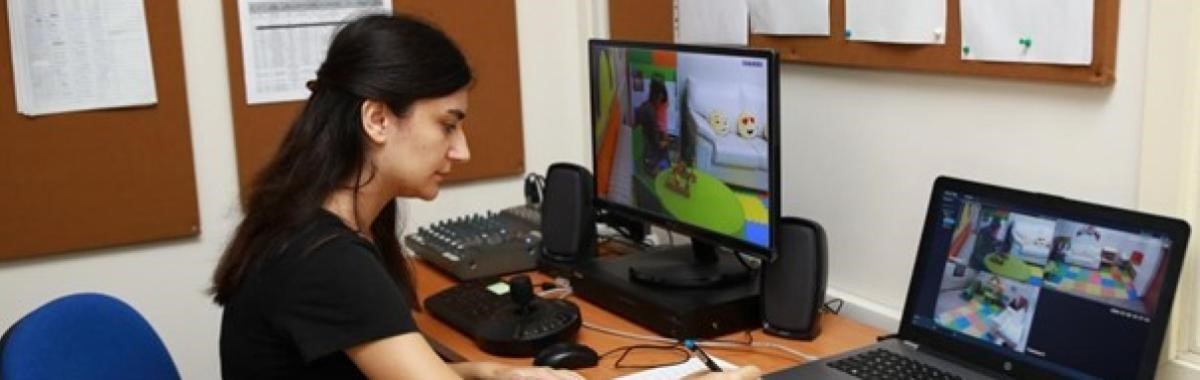
Projects conducted at the Family and Child Research Laboratory examine children's cognitive and socio-emotional skills and the parenting attitudes that play a role in the development of these skills. The studies also address research questions such as how parenting practices are influenced by culture, socio-economic status, and intergenerational differences.
The second focus of the studies is psycho-social application research for children and families at risk. All projects are funded by institutions such as TÜBİTAK, the Istanbul Development Agency, and the Scientific Research Projects Unit at Boğaziçi University.
- Behavioural Neuroscience Laboratory
https://neuroscience.bogazici.edu.tr/
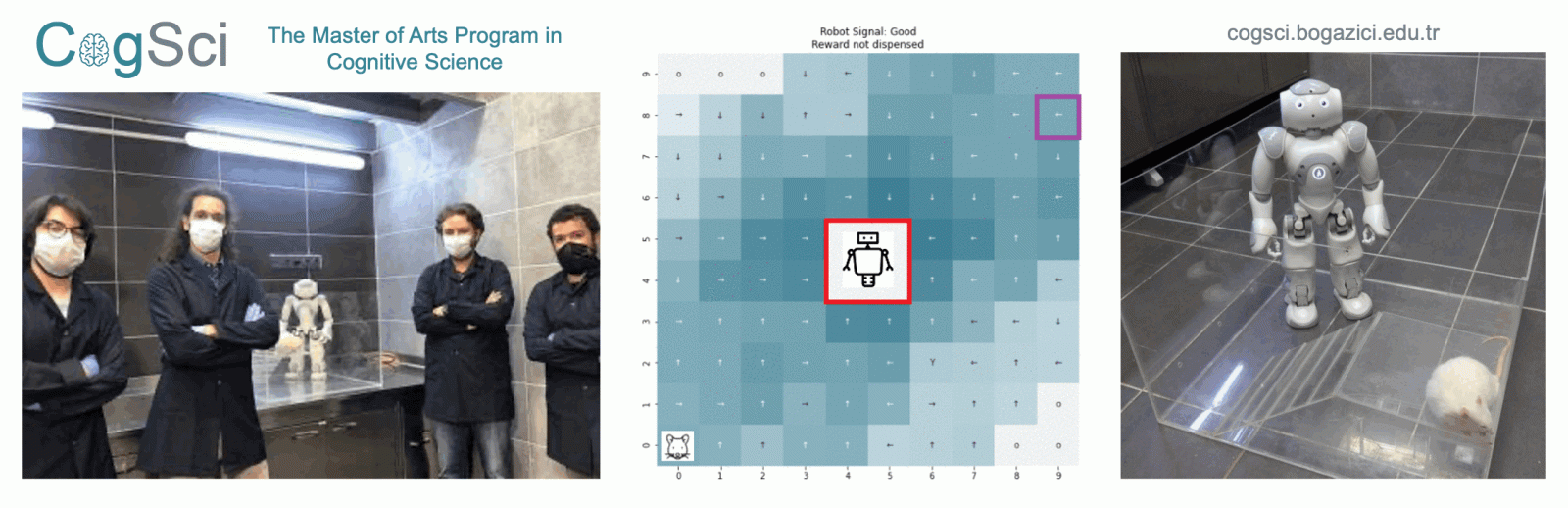
The Behavioural Neuroscience Laboratory is a brain research unit focusing on the neural mechanisms underlying fear, depression, and anxiety. The laboratory employs neuroanatomical, electrophysiological, pharmacological, chemogenetic, optogenetic, behavioural, and computational methods. Projects involving students from various departments such as Psychology, MBG, Cognitive Science, and Computer Engineering are funded by EMBO, the Academy of Sciences, TÜBİTAK, TÜSEB, YÖK-ADEP, and the Boğaziçi University BAP Unit.
- Vision Laboratory
https://visionlab.bogazici.edu.tr/en
The visual perception laboratory conducts research on how the system processes visual information using behavioural/psychophysical methods. Considering the sensitivity of different units in the visual system to different types of visual stimuli, certain inferences are made based on behavioural responses to programmed stimuli. The main topics currently being researched in the laboratory are as follows:
- Temporal processing: Motion and time perception
- Interaction between visual and motor systems
- The effect of attention on scene recognition and scene perception
- Perception of human faces and emotion recognition

- Social Psychology Laboratory
https://socpsy.bogazici.edu.tr/
Areas of Research: Research conducted at the Social Psychology Laboratory primarily covers three thematic areas: - Culture (e.g. culture-family-self relationships, psychological consequences of social and cultural change processes, cross-cultural comparative social psychology) - Group Dynamics and Intergroup Relations (e.g., social identity, psychological foundations of prejudice towards various subgroups) - Social Cognition (e.g., factors influencing the impressions we form about people, mental representations of close relationships, mental processes influencing social behaviour and decision-making) Our research aims for methodological richness (complementarity of experimental and other methods).
- Translational Clinical Psychology Laboratory
The Translational Clinical Psychology Laboratory is a dynamic and evolving research centre dedicated to translating research findings into practical applications that improve mental health. While focusing on psychotherapy effectiveness and adapted interventions, it conducts research across a broad spectrum of mental health topics, including common mental health problems, trauma, psychosis, dissociation, medically unexplained symptoms, suicide, self-harm, and neurodevelopmental conditions such as autism and ADHD. It also focuses on critical areas such as migration, race and mental health, person-centred care, and “participatory research”, while also investigating professional topics such as clinical psychologist training. The laboratory plans to engage with innovative fields such as critical psychiatry and critical psychology, emphasising the value of the experiences of individuals who have experienced mental health problems and collaborative, inclusive research practices.
The laboratory offers a collaborative research environment where undergraduate students in Psychology and Guidance and Psychological Counselling (GPC), graduates, and postgraduate students in Clinical Psychology and GPC work under the supervision of Clinical Psychologist Dr Ayşe Akan.
FACULTY OF ECONOMICS AND ADMINISTRATIVE SCIENCES
Department of Political Science and International Relations
- Computational Social Sciences Laboratory
The Boğaziçi University Computational Social Sciences Laboratory aims to promote the use of computational techniques such as network analysis, machine learning, and individual-based simulation modelling in the social sciences. Within the laboratory, students acquire the skills necessary to work with large data sets. Laboratory activities include organising data science nights, establishing specialised working groups on specific methods, and conducting research using text analysis, network analysis, and individual-based simulation modelling.
FACULTY OF ENGINEERING
Department of Computer Engineering
- ALLab (Artificial Learning Lab)
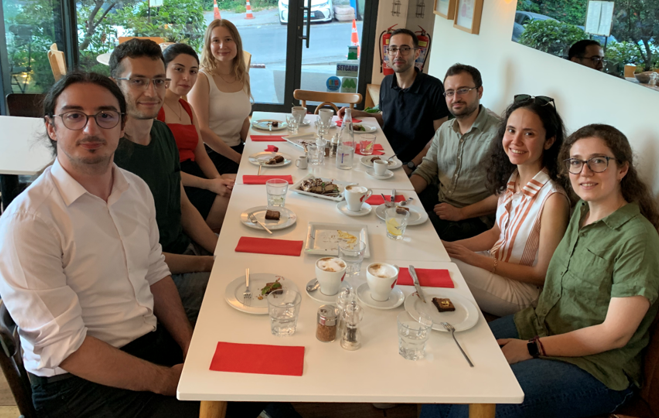
The Artificial Learning Laboratory (ALLab) at the Department of Computer Engineering, Boğaziçi University, is a research group focused on developing machine learning and deep learning algorithms for a wide range of applications.
- CASLAB (Computer Architecture and Systems Laboratory)
https://caslab.cmpe.bogazici.edu.tr/
Research Areas: Research and development is conducted in both software and hardware across this broad spectrum, ranging from desktop computers to distributed systems and embedded systems operating on a specific network, and from body-implanted microcomputers to supercomputers.
- Design Automation and Verification
- Embedded Systems, Internet of Things
- Next-Generation Processor/Accelerator Architectures
- Parallel and Distributed Systems, Blockchain
- Cloud Computing
- Real-Time Systems
- Redesignable Systems (FPGA)
- Multi-Core and Multi-Processor Systems
- CoLoRs Lab (Cognitive Learning and Robotics)
http://colors.cmpe.boun.edu.tr/
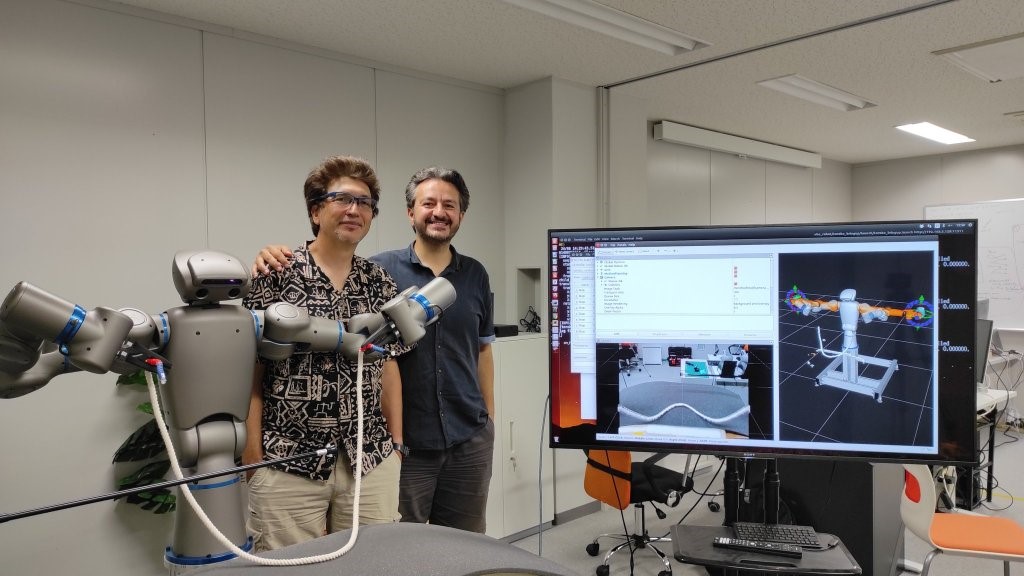
Areas of Research: Cognitive and developmental robotics, robot learning
- Cognitive Robotics
- Learning in Robots
- Developmental Systems
- Human-Robot Interaction
- Dexterous Manipulation in Upper-Body Robots
- Symbol Discovery and Use in the Sensory-Motor Space
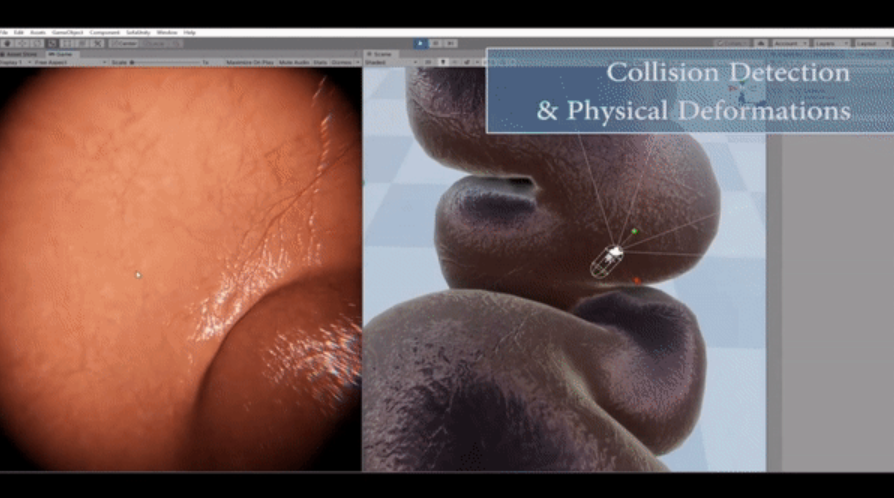
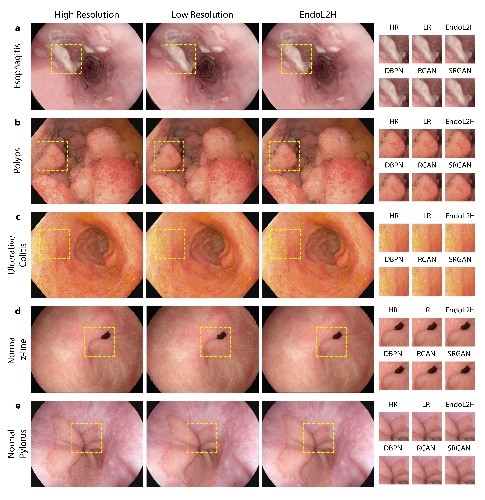
- DeepMIA (Deep Learning and Medical Image Analysis Laboratory)
https://deepmia.bogazici.edu.tr/
Research Areas: Utilises deep learning, image processing, and computer vision techniques to solve problems in the field of artificial intelligence in healthcare. Combines patient clinical data, histopathology and radiology images with the patient's genetic information to develop multi-modal artificial intelligence models.
Deep learning-based tissue segmentation, Classification and grading in various cancer types and non-cancerous diseases, AI-based survival analysis, Treatment response, prediction of patients developing drug resistance or side effects, Synthetic image generation for histopathological staining and contrast-enhanced radiology images, Detection of organ rejection after transplantation from biopsy images.
- NETLAB (Computer Networks Laboratory)
https://sites.google.com/view/netlabcmpe
Areas of Research:
- Next-generation networks
- Wireless and mobile networks, sensor networks
- Software-defined networks, service-oriented networks
- Positioning
- Cognitive radio
- Spectrum sensing
- Human motion recognition
- Green networks and computing systems
- Security in computer networks and systems
- Internet of Things (IoT) and fog computing
- Edge and cloud computing systems
- Smart homes, cities, transportation systems
- Healthcare information and telecommunications
- Nano-networks, molecular communication
- PILAB (Perceptual Intelligence Laboratory)
Areas of Research: Development of advanced technologies in human-computer interaction and machine learning.
- Human-Computer Interaction
- Face detection/recognition
- Sign language analysis and synthesis
- Hand gesture recognition
- Human body analysis
- 3D modelling
- Biometric systems and applications
- Artificial intelligence and deep learning
- Data mining, data analysis and visualisation
- Speech-to-text / text-to-speech conversion
- SATLAB (Satellite Networks Research Laboratory)
http://satlab.cmpe.boun.edu.tr/
Areas of Research: Network security, next-generation satellite network architecture, satellite and terrestrial communication network integration, IoT, 5G/6G heterogeneous networks, coding, multiple access, multimedia, AI applications.
- TABILAB (Text Analytics and Bioinformatics Laboratory)
https://tabilab.cmpe.bogazici.edu.tr/
Research Areas: Natural Language Processing, Text Mining, Bioinformatics
- Word and sentence parsing (Morphological Analysis, Dependency Parsing, etc.)
- Information access and extraction (entity name recognition, relation extraction, text summarisation, sentiment analysis, etc.)
- Machine translation
- Biomedical and natural language text mining
- Prediction of protein-protein and protein-chemical interactions
- Drug design using chemical language processing
- Disease diagnosis using genome processing
Department of Electrical and Electronic Engineering
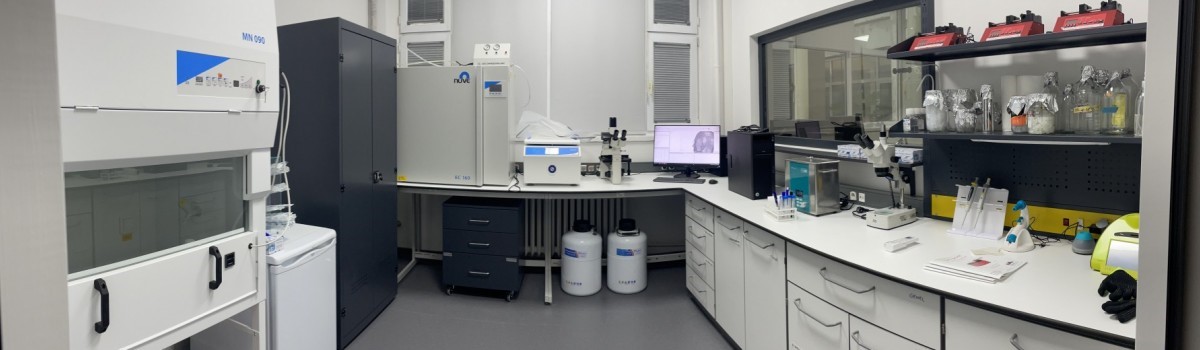
- AntennAlive: Bioelectromagnetics Laboratory
https://bountenna.bogazici.edu.tr/
The AntennAlive laboratory conducts interdisciplinary research at the intersection of electromagnetic communication and synthetic biology. It is involved in projects aimed at real-time in-body sensing at the molecular level. The laboratory equipment consists of incubators, an autoclave, a biosafety cabinet, a centrifuge, and an ultra-pure water system. The bacterial incubator has a shaking feature and is used for bacterial culture. The steam steriliser has a capacity of 40 litres and is used for the sterilisation of glassware and liquids. The Type II biosafety cabinet, operating on the laminar flow principle, contains HEPA filters, enabling work with biological samples in a sterile environment. The general-purpose centrifuge can spin 15mL and 50mL centrifuge tubes up to 4500rpm with rotor adapters. The ultra-pure water system can produce up to 3 litres of pure water per hour by purifying tap water from ions, particles, organic molecules, and microbes.
- BETA: Bogazici University Electronics Design Laboratory
https://ee.bogazici.edu.tr/tr/pages/beta-bogazici-university-electronics-design-l/1692
Areas of Research: The research topics of the BETA Laboratory include design automation systems for analogue and digital circuits, power-aware design methodologies, analogue-to-digital converter circuits, sigma-delta analogue-to-digital converters, speech processing circuits, embedded systems, mixed-signal industrial designs, and all optical-electronic circuit systems.
- BIOAFM/MicroSystems Laboratory
Areas of Work: Development of micro/nanosystems, particularly for biomedical applications, atomic force microscope applications, single-molecule and single-cell measurements, biosensor development. Laboratory activities continue in both the development of new-generation sensor and measurement technologies and the application of existing technologies.
- BOUNtenna / Antenna and Propagation Research Laboratory
https://bountenna.bogazici.edu.tr/
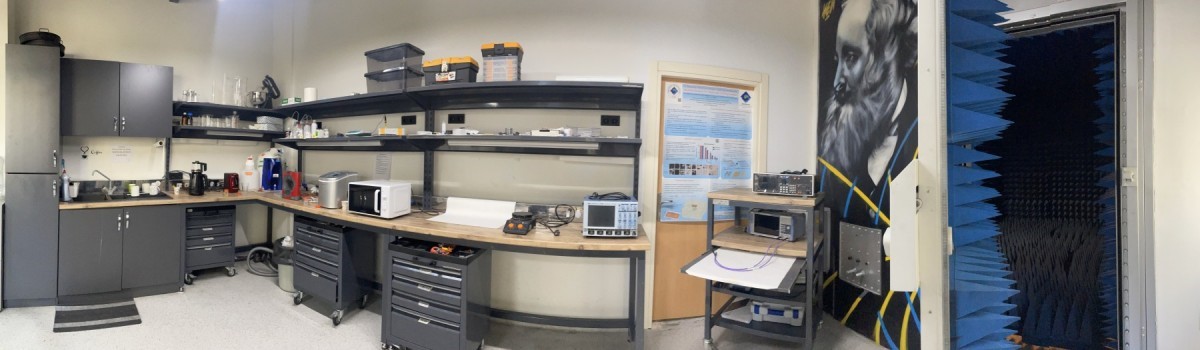
Areas of Work: The Antenna and Propagation Research Laboratory (BOUNtenna) focuses on the design of reconfigurable and replaceable antenna elements and arrays for low-power mobile devices of limited size. The application areas of focus include wearable and implantable smart devices that form Body Area Networks (BANs), intra-body microwave heating, bio-degradable antennas, communication of sensors that form the Internet of Things (IoT/IoHT), and MIMO antenna arrays. The laboratory is equipped to perform electromagnetic field simulation, mechanical modelling, antenna prototyping, physical phantom development (head, knee, hip, etc.), and S-parameter measurement. It also features a 3m x 3m x 3m anechoic chamber with 80 dB shielding effectiveness between 1-18 GHz.
- BUMEMS: Micro Electro Mechanical Systems Laboratory
http://www.bumems.ee.boun.edu.tr
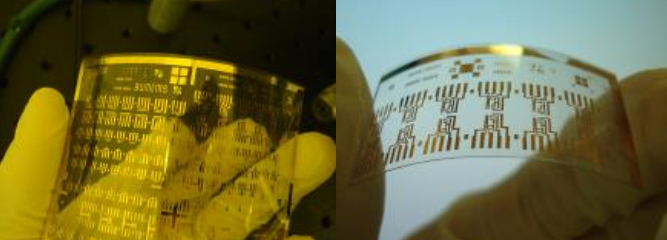
Areas of Research: The BUMEMS laboratory focuses on microelectromechanical systems (MEMS), integrated circuits, semiconductor devices, polymer micro systems, organic electronics, polymer light-emitting diodes (LEDs), microfluidics, integrated wireless sensors and actuators, and electrochemical etching for nano/micro shaping.
- BUSIM / DEL: Natural Interaction Laboratory
Areas of Research: Research is conducted on topics such as natural language understanding, speech recognition, hand gesture recognition, and sign language translation, with the aim of enabling human-machine/robot interaction in the most natural way possible for humans. In recent years, research on the applications of deep learning in the fields of natural language, speech, image, and video processing has come to the fore.
- BUSIM / VAVLAB: Volumetric Analysis & Visualisation Group
https://vavlab.bogazici.edu.tr/
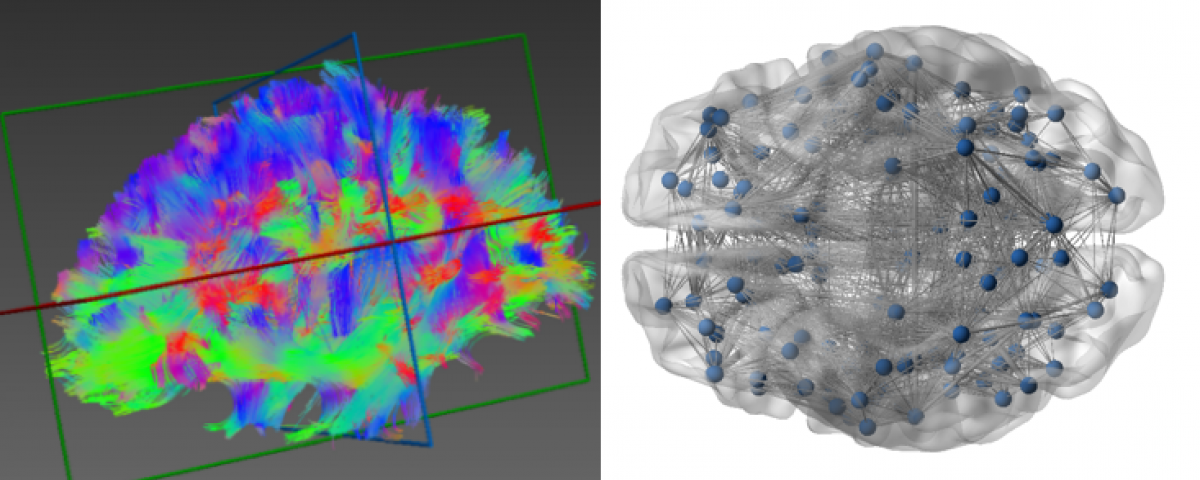
Areas of Work: VAVlab conducts research on image/signal/data processing and analysis for diagnostic and prognostic purposes. Application areas are broadly grouped under two main headings: medical and industrial. VAVlab projects are multidisciplinary and are carried out in collaboration with domestic and international academic and industrial partners.
- BUSIM / SPG: Speech Processing Group
https://ee.bogazici.edu.tr/tr/pages/busim-spg-konusma-isleme-grubu/1694
Areas of Research: Key topics include wide-vocabulary continuous speech recognition, retrieval from audio archives, speech translation, 3D audio-visual synthesis, speech synthesis, speech therapy, and speaker identification. The group conducts machine learning-based research in various areas of speech and language processing. To date, 8 doctoral theses and 26 master's theses have been completed by group members. The group's subsidiary research company, SESTEK (www.sestek.com.tr), has products in speech processing, speech synthesis, and speech translation technology.
- BUSIM: Signal and Image Processing Laboratory
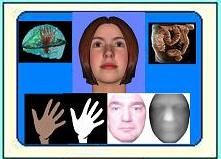
Areas of Work: The Boğaziçi University Signal and Image Processing (BUSIM) laboratory is one of the most productive multidisciplinary research environments. Its research areas include image processing, signal processing, video, coding, computer vision, and signal processing theories and applications for communication, security, and biometrics. Since its establishment in 1993, BUSIM has produced more than twenty PhD and nearly one hundred master's degree graduates and has hosted numerous guest researchers and large national and international projects.
- DS Lab: Dynamical Systems Laboratory
https://ee.bogazici.edu.tr/tr/pages/ds-lab-dinamik-sistemler-laboratuari/1691
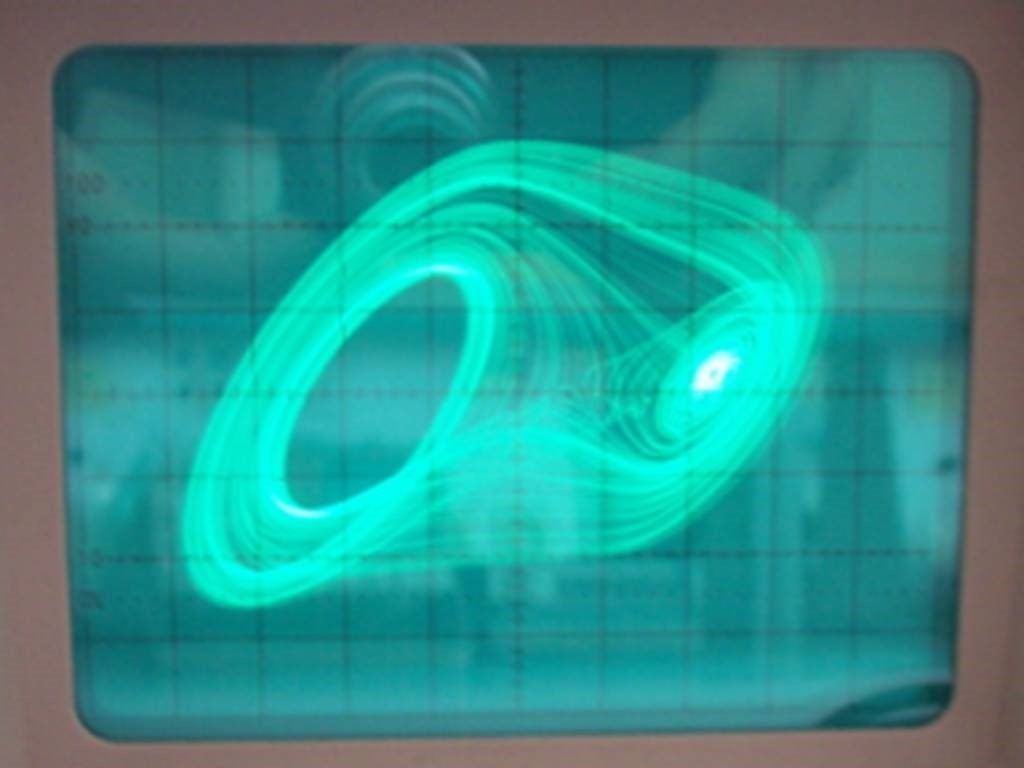
Areas of Work: The DS Laboratory aims to model, simulate, analyse, investigate and develop control methods for dynamic systems. These dynamic systems range from mechanical systems to biological systems, and from cognitive systems to economic systems. Due to its interdisciplinary nature, the DS Laboratory collaborates with different departments and institutes from various disciplines.
- ISL: Intelligent Systems Laboratory
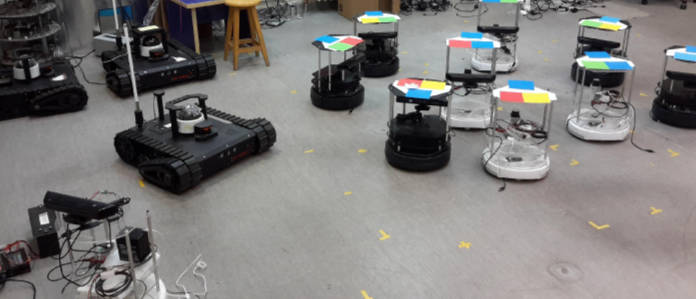
Areas of Research: Intelligent Systems are systems that can interact with their environment as autonomously as possible by receiving feedback from their surroundings via sensors. Our goal at the Intelligent Systems Laboratory is to engineer intelligent robots whose behaviour is predictable and resilient to changing conditions. Our particular areas of interest are the development of autonomous robots, visual perception and understanding, perception-based control, and the coordination of multiple robots. Our goal is to design and build functioning autonomous systems, partly inspired by biological systems. The laboratory offers opportunities to students who are interested in artificial vision and other sensing modalities, mobile robots, control theory, mathematics, and biology, and who wish to conduct advanced research. In general, students engage in both theoretical work and the development of robots that implement these approaches.
- LAL: Lung Acoustics Laboratory
https://ee.bogazici.edu.tr/tr/pages/lalakciger-akustik-laboratuvari-lal/1686
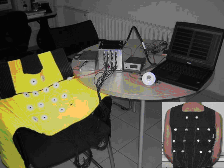
Areas of Work: The Lung Acoustics Laboratory (LAL) is an environment where researchers from many different disciplines come together to work. The research conducted at LAL can be summarised as the development of hardware for obtaining respiratory sounds and making diagnoses, and the development of methods for processing the obtained sounds, with the ultimate goal of creating a ‘smart stethoscope’. The studies being conducted at LAL include real-time processing of respiratory sounds using digital signal processing hardware, multi-resolution analysis of respiratory sounds, system development for multi-channel acquisition of respiratory sounds, modelling the relationship between airflow and respiratory sounds, modelling the sound transmission mechanism within the lungs, and locating the source of additional sounds specific to diseases.
- Mechatronics Laboratory
https://mecha.bogazici.edu.tr/
https://ee.bogazici.edu.tr/tr/pages/mekatronik-laboratuvari/1690
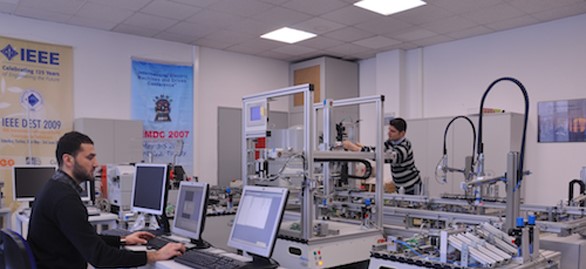
Areas of Work: The Mechatronics Laboratory is an interdisciplinary research unit dedicated to exploring and implementing the latest technologies in the field of Mechatronics, defined as the synergistic integration of mechanical engineering, electronics, and computer control incorporating artificial intelligence in the design and implementation of products and processes. Our area of interest is to contribute to Industry 4.0 studies, which are becoming widespread in Europe and our country, alongside the theoretical analysis and practical application of all kinds of mechatronic systems.
- MiRaCL: Microwave Radar and Communications Laboratory
https://miracl.bogazici.edu.tr/
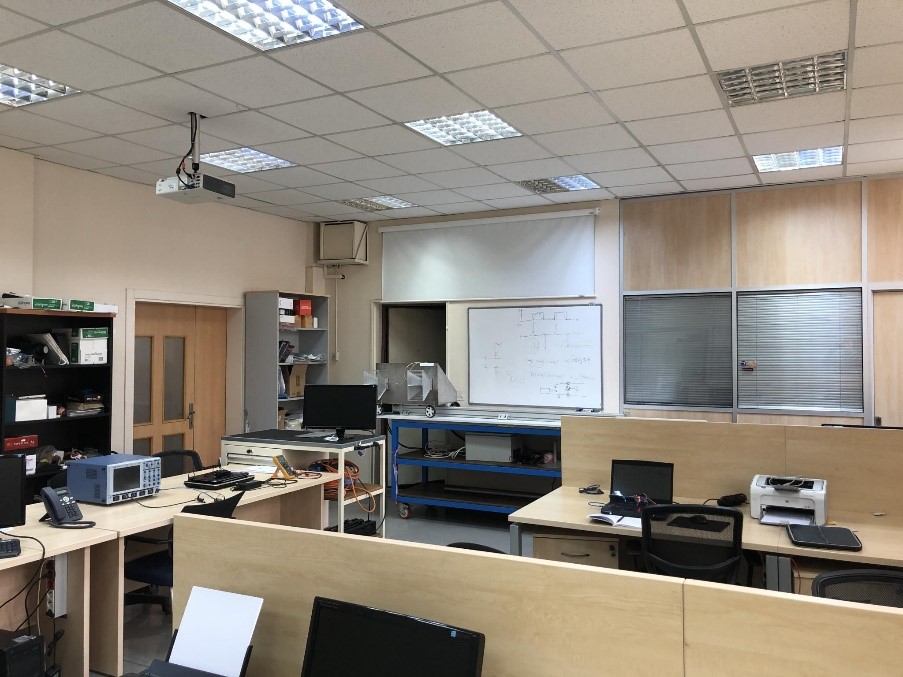
The Microwave Radar and Communications Laboratory conducts research on high-frequency fundamental communication and radar building block circuit systems. It has design and measurement capabilities ranging from DC to 40 GHz. Current research topics include detecting living beings under debris, short-range contactless heart and breathing monitoring radar, and ground-based synthetic aperture radar.
- MMDL: Magnetic Medical Devices Laboratory
The Magnetic Medical Devices Laboratory aims to design, develop and implement devices that include, but are not limited to, treatment and diagnosis involving magnetic fields. The laboratory's areas of work include the development of tools such as coils used in magnetic resonance imaging (MRI), the design and development of MRI-compatible robotic devices and catheters, the development of devices to support contrast-enhanced imaging, and the design, development and implementation of systems for magnetic hyperthermia, such as coils and driver electronic circuits.
- MNL: Micro Nano Characterisation Laboratory
https://ee.bogazici.edu.tr/tr/pages/mnl-mikro-nano-niteleme-laboratuvari/1689
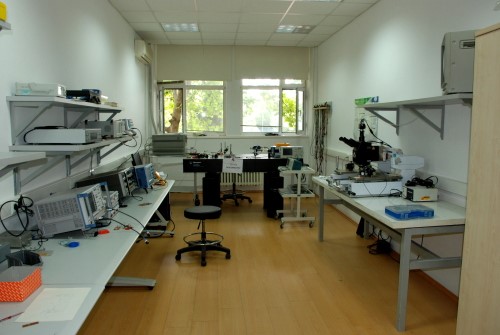
Areas of Work: The Micro Nano Measurement and Characterisation Laboratory (MNL) specialises in the design and experimental characterisation of nano-mechanical systems (NEMS), micro-electromechanical systems (MEMS), micro-optomechanical systems (MOEMS), medical micro-tools, as well as analogue and radio frequency (RF) microelectronic circuits. The laboratory's design capabilities can be summarised as finite element-based physical simulation, equivalent system modelling, integrated circuit design, and mechanical modelling with discrete elements. In terms of experimental characterisation, MNL focuses on vibration amplitude measurements, dynamic characterisation of micro systems, high-frequency distributed parameter modelling, fibre-optic transmission systems, and terahertz (THz) systems.
- NECS: Networked & Embedded Control Systems Laboratory
http://www.necs.ee.boun.edu.tr
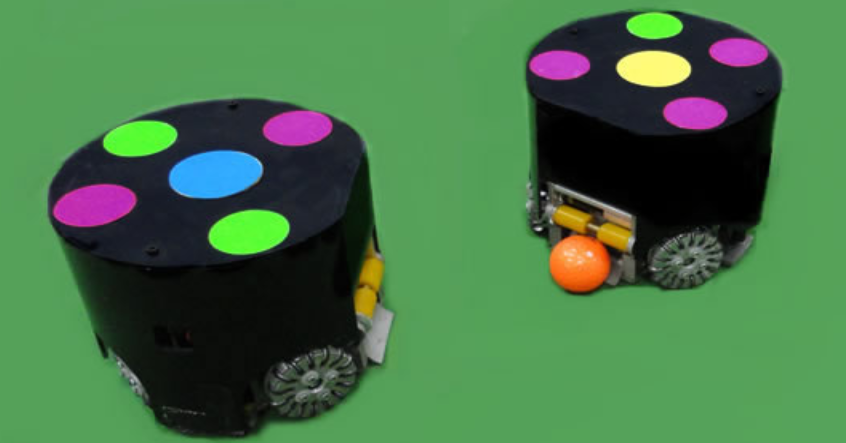
Areas of Work: The NECS Laboratory aims to design embedded control systems for multi-agent autonomous systems and develop distributed algorithms. To this end, the BRocks robot team, which will compete in the RoboCup SSL league, was developed at the NECS laboratory. Our primary areas of interest are multi-agent autonomous systems, network-supported distributed control systems, embedded control systems, and control system theory. The methods developed at the NECS Laboratory find application in robotics, automotive, and communication networks.
- PHOTOMIC: Photonic Micro Systems Laboratory
This is a research laboratory where light-sensitive, photonics-based or high-frequency resonance-based sensors operating in the photonic and microwave spectrum are developed, including the design, implementation, and measurement phases. The main applications of the micro systems developed in the laboratory are biosensors, light-based detection/transmission (receiver/transmitter) circuits, and microfluidic-based detection units.
- POWCOL: Photonics and Optical Wireless Communication Laboratory
https://powcol.bogazici.edu.tr/
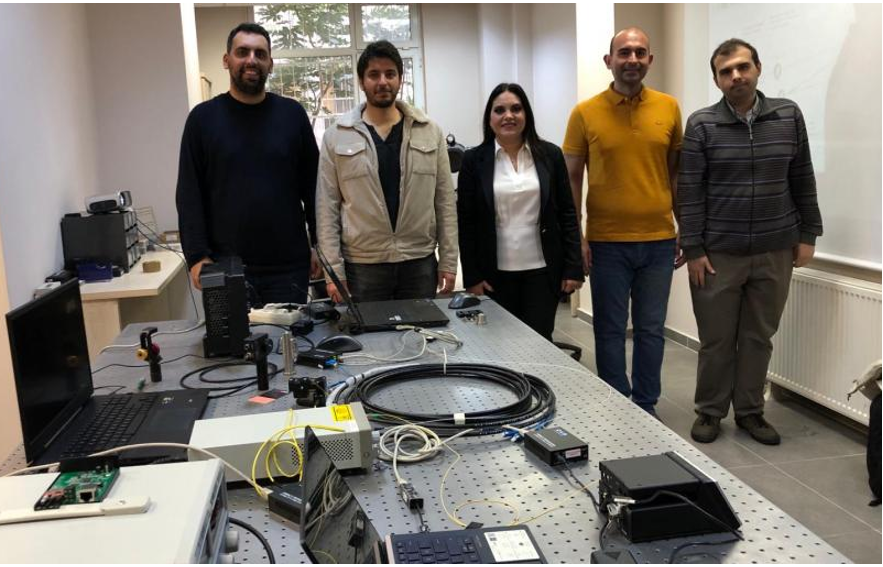
The Boğaziçi Photonics and Optical Wireless Communication Laboratory (POWCOL) was established in 2006. POWCOL conducts multidisciplinary research projects in the fields of optoelectronics, photonics, and optical communication. The main research focus at POWCOL is Free Space Optical Communication links (FSO) (analysis of atmospheric turbulence, transmitter/receiver design, average aperture and image detection), security and design issues in optical fibre communication systems, and Visible Light Communication (VLC). LiDARs, optical sensors, and 3D surface topography using optical systems. For the most up-to-date information about the POWCOL laboratory, please visit https://powcol.boun.edu.tr/.
- SSML: Systems Science and Mathematics Laboratory
The Systems Science and Mathematics Laboratory aims to develop mathematical models of complex systems and implement real-life applications of these models. To this end, SSML combines various tools offered by applied mathematics, engineering theory of dynamic systems, control theory, signal processing, and optimisation, among others. It conducts research in a broad range of fields, including but not limited to biomedical imaging and devices, medical robotics, bioinformatics, big data, medicine, neuroscience, economics, and finance.
- WCL: Wireless Communication Laboratory
https://ee.bogazici.edu.tr/tr/pages/wcl-kablosuz-iletisim-laboratuvari/1693
Areas of Work: The Boğaziçi University Wireless Communication Laboratory (WCL) was established in 2005 with support from the Boğaziçi University Research Projects Fund and TÜBİTAK. WCL is currently funded by these institutions. Researchers at WCL conduct research on high-speed wireless/mobile/satellite communications. WCL also collaborates with the VLSI Design Laboratory (BETA), the Computer Network Research Laboratory (NETLAB), and the Satellite Communications Research Laboratory (SATLAB), participating in joint projects.
Department of Industrial Engineering
- ESML (Energy Systems Modelling Laboratory)
Areas of Work: Modelling energy-economy-environment relationships, analysis of energy and environmental policies, electricity demand forecasts, fuel and natural gas demand forecasts, greenhouse gas emission projections, modelling regional natural gas strategies, energy efficiency analysis
- ErgoLab (Ergonomics Laboratory)
https://hacivat.ie.bogazici.edu.tr/ergonomics/
Areas of Research: Conducting research in the field of human performance capacity and limitations; creating databases for the design of efficient, safe and comfortable human-work and human-technology systems; conducting research and applications in human-computer interaction; conducting research and applications in the field of ergonomic product and human-centred system design; conducting studies on work studies, lean manufacturing, six sigma, and worker health and safety; and, when necessary, assisting in solving problems in the industry in the aforementioned areas.
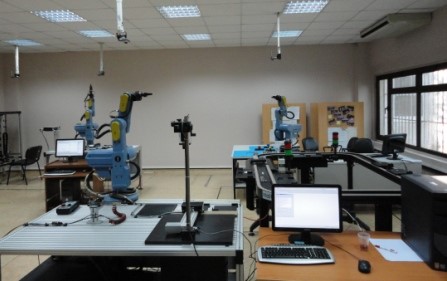
- BUFAIM (Flexible Automation and Intelligent Manufacturing Systems)
http://www.bufaim.boun.edu.tr/
Areas of Work: To use technologies that constitute various dimensions of the ‘Industry 4.0’ paradigm together with industrial engineering/operations research approaches to create “flexible” and ‘intelligent’ factory environments that can respond quickly and effectively to fluctuations in demand and supply, delays in production, errors and failures, and to create ‘flexible’ and ‘intelligent’ factory environments that produce according to customer needs. The main research topics include:
- Functional modelling of advanced manufacturing systems through simulation, and development of decision mechanisms that effectively utilise flexibility
- In-factory material handling systems
- Hierarchical and distributed approaches to real-time manufacturing management; development of the virtual twin of the process
- Dynamic and adaptive approaches to achieving vertical integration between real-time manufacturing and production planning layers.
- SESDİN (Socio-Economic System Dynamics Research Group Laboratory)
https://sesdyn.ie.bogazici.edu.tr/
Areas of Work: Modelling, analysis and improvement of socio-economic problems using a “dynamic system” approach. Modelling systemic socio-economic problems (social, industrial, economic, managerial, medical, environmental, ecological) at national and global levels using computer simulation and researching long-term sustainable solution policies.
- MMS (Manufacturing Management Systems Laboratory)
Fields of Study: Providing production and operations management software for use by Industrial Engineering students at Boğaziçi University, conducting research on production, inventory and supply chain management, distribution and logistics problems using mathematical programming. Conducting research based on big data analysis related to electronic markets.
Department of Civil Engineering
- Coastal Engineering Laboratory
https://coastal.bogazici.edu.tr/
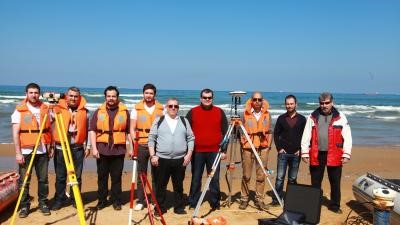
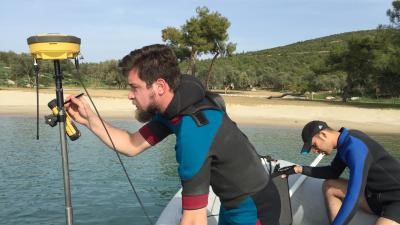
The laboratory's goal is to produce sustainable solutions for analysis, design, planning, and management processes in coastal engineering. Our research topics include environmental fluid mechanics, sediment and pollution transport in marine environments, numerical modelling using mesh-free methods, and modelling of random processes. Our R&D projects include wind and wave energy, seawater-supported building climate control systems, renewable energy-based seawater purification systems, beach nourishment, dredging and disposal of seabed aggregates, floating breakwaters, marine pollution dispersion modelling, vessel traffic monitoring, and risk analysis.
- Local Traffic Control Centre and Intelligent Transportation Systems Laboratory (BOUN-ITS)
Areas of Work: Intelligent Transport System, Traffic Safety, Participation Management, Real-Time Traffic Control, Accident-Incident Management, Workplace Traffic Management, Advanced Public Transport System, Traffic Flow Modelling and Simulation, Connected/Autonomous Vehicles, Electric Vehicles, Micromobility, Mobility as a Service (MAAS), Smart and Sustainable Transport Systems, Impacts of Climate Change, Flexibility of Transport Systems, Circular Economy Applications in Transport Engineering, Mobility, Safety, Equity, Sustainability in Multi-modal Transport Systems, Airport Access and Exit Modelling, Travel Behaviour
- Structural Laboratory
https://structures.bogazici.edu.tr/
Areas of Research: Light steel structures, timber structures, reinforced concrete structures, steel structures, prestressed/post-tensioned systems, seismic retrofitting methods, dynamic field tests.
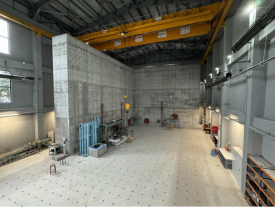
- Construction Materials Laboratory
https://materials.bogazici.edu.tr/
Areas of Research: Sustainable concrete technologies, high-performance cement-based composite materials, digital concrete technologies, innovative approaches to concrete for a sustainable environment, concrete behaviour under high temperatures, material modelling, smart material design, textile-reinforced building materials, fibre-reinforced composites, sustainable materials.
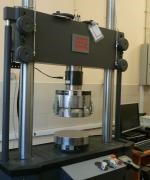
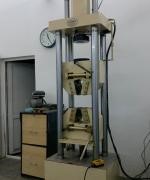
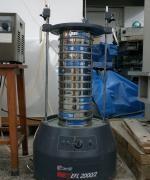
- Structural Health Monitoring (SHM) Laboratory
Areas of Research: Monitoring of high-rise buildings, bridges, historical structures and energy structures, and development of related software
- Soil Mechanics and Geotechnical Engineering Laboratory
Areas of Research: Soil mechanics, soil dynamics, retaining walls, shoring structures, shallow and deep foundations, energy geotechnics, soil improvement, micro and macro behaviour of soils, environmental geotechnics, geosynthetics, soil-structure interaction, soil fills and soft soils.
Chemical Engineering Department
- Biosystems / Biochemical Engineering Laboratory I – II– III
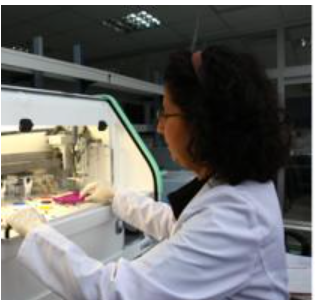
Areas of Work: Investigating metabolic changes occurring in human metabolism and various organs by creating genome-scale models using “Systems Medicine” approaches and determining drug targets. Culturing yeast and mammalian cells using lab-on-a-chip technology. Examining cell-cell communication in cancer patients using organoid models and 3D bioprinting technology.
- Electrochemical Engineering Research Laboratory
Areas of Work: Electrochemical characterisation and modelling of rechargeable batteries, electrodeposition of metals and composite materials, electrochemical modelling, techno-economic modelling.
- Catalyst Technologies and Reaction Engineering Laboratory I and II
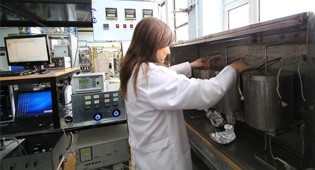
Areas of Work: Catalytic performance tests, catalyst design, reaction kinetics studies, computer simulation of catalytic reactions.
- Complex Materials Laboratory
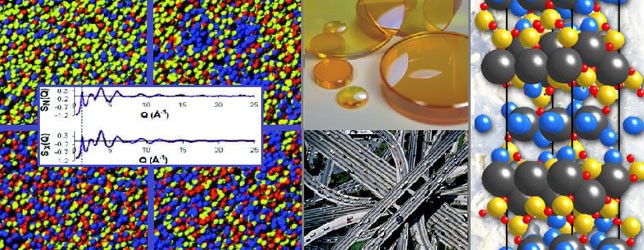
Areas of Work: Design, synthesis and structural characterisation studies of functional materials such as polymers, biopolymers, geopolymers, composites, glass and ceramics, computer-aided molecular simulations.
- Microfluidics Laboratory
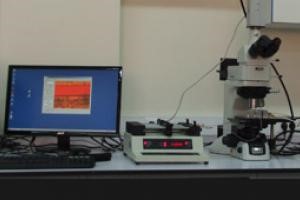
Areas of Research: Investigation of micro-scale flows, micro-droplet formation using electric fields, interfacial instabilities, non-Newtonian flows, bubble and droplet dynamics, acoustic fields, flow within vessel walls, shear stress on muscle cells, spectral methods.
- Polymer Application and Research Centre
Areas of Research: Modelling and simulation of macromolecules, primarily biomolecular structures; computer-aided methods for determining the physical properties of synthetic polymers.
Department of Mechanical Engineering
- Smart and Autonomous Mobility Laboratory
https://me.bogazici.edu.tr/tr/pages/laboratuvarlar/2268
The research areas of the Smart and Autonomous Mobility Laboratory focus on the development of multiple autonomous robot systems with different or similar architectures that can be used in the transportation, agriculture, logistics, and automotive sectors. The laboratory's fundamental scientific research topics involve developing common perception, planning, and control methods required to improve the autonomy capabilities of such systems through data sharing between multiple autonomous vehicles (heterogeneous) equipped with different sensors and hardware components.
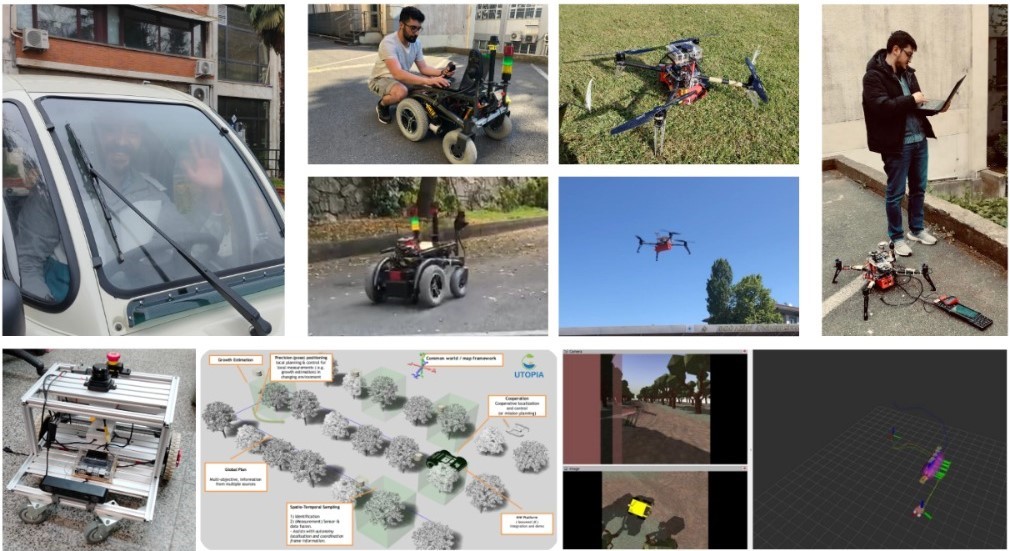
- Flow Modelling and Simulation Laboratory (FMS Laboratory)
https://me.bogazici.edu.tr/tr/pages/laboratuvarlar/2268
The Flow Modelling and Simulation Laboratory conducts research on numerical modelling techniques and algorithm development, applying the developed methods to various areas of fluid mechanics and heat transfer. Areas of work include aerodynamics, gas dynamics, turbulent flows, micro-flows, and combustion.
- Alternative Fuels and Combustion Technology Laboratory
https://me.bogazici.edu.tr/tr/pages/laboratuvarlar/2268
Our laboratory is a new laboratory that is being planned and prepared for use in education and research activities conducted on engines, fuels and combustion technologies. It is equipped with the necessary devices for engine performance and emission tests, as well as combustion technology tests for alternative fuels. The laboratory's most important device is an active dynamometer with a braking capacity of 100 kW. This dynamometer, used in conjunction with the laboratory's sound and vibration insulation, fire detection and suppression system, pressure-adjustable exhaust system, engine water cooling and temperature control system, and laboratory room conditioning system, allows for the safe testing of engines up to 100 kW max power and 300 Nm max torque. Our laboratory has two liquid fuel tanks and lines for the easy conduct of alternative fuel studies. Rapid cylinder internal, intake-exhaust pressure lines and exhaust pressure measurements allow combustion pressure increases to be studied within the cycle. The dynamometer converts the power it receives from the engine into electricity to brake the engine. Furthermore, the dynamometer, which can also run the engine without fuel, allows for the detection of friction forces on the engine.
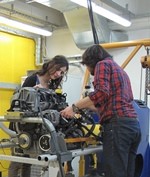
- Battery Materials Laboratory
https://me.bogazici.edu.tr/tr/pages/laboratuvarlar/2268
The Battery Materials Laboratory focuses on interfaces in solid-state batteries. Research is conducted on the densification of battery materials. The interfaces between solidified cathode and electrolyte materials are examined chemically and electrically. This laboratory has an argon glove box, which is necessary to prevent battery materials from coming into contact with air.
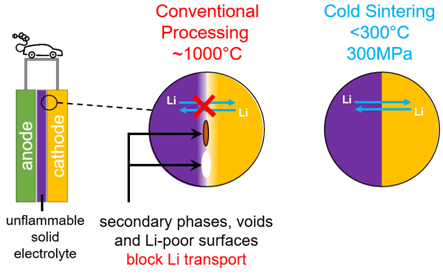
- BURET (Bogazici University Renewable Energy Laboratory)
https://buret.bogazici.edu.tr/
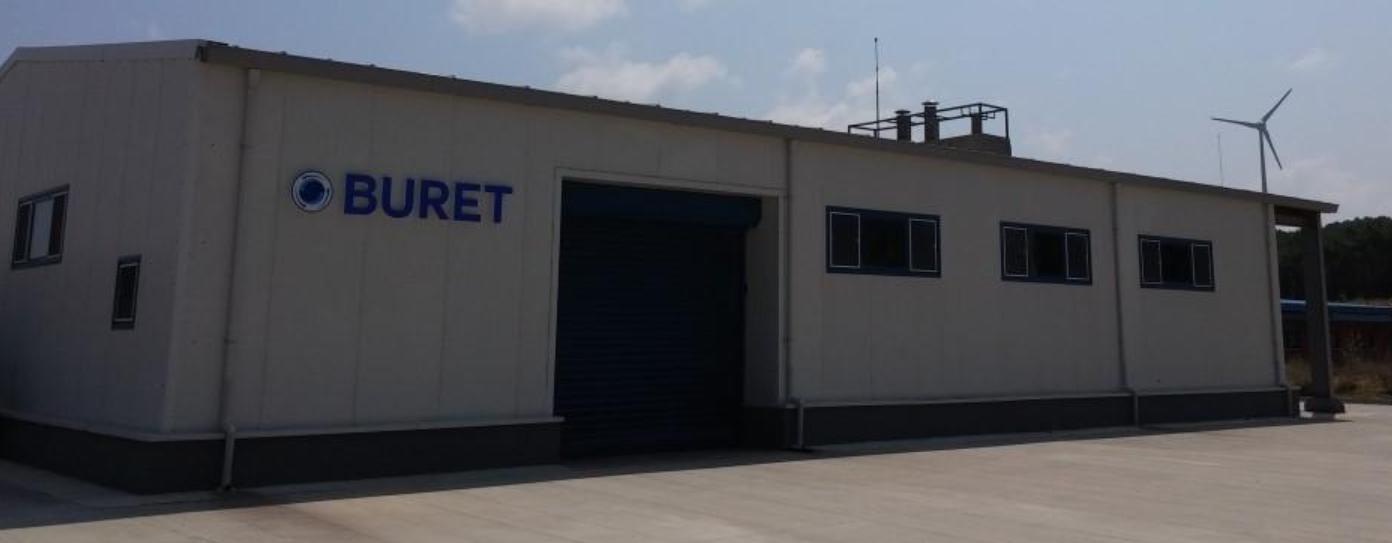
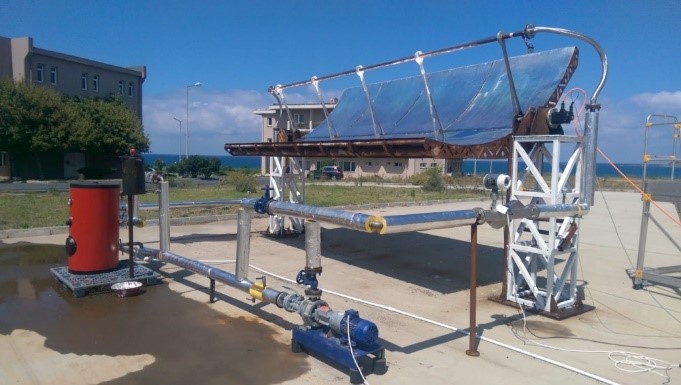
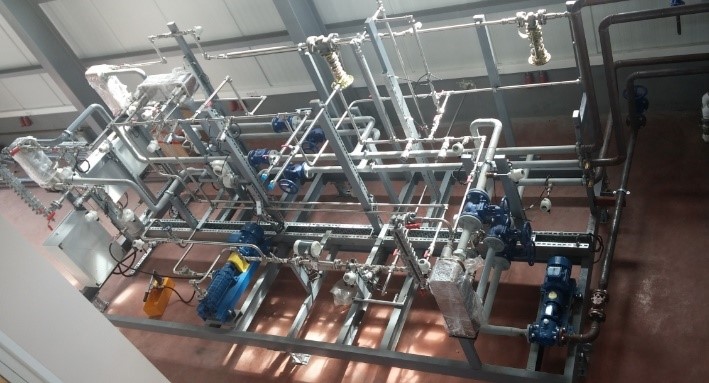
BURET is a laboratory established to develop efficient and usable energy production technologies using low-temperature heat sources such as solar, waste heat, and geothermal energy. The organic Rankine cycle test system designed and produced within this laboratory is used to investigate the effect of different fluids on system performance and to carry out optimisation studies to increase the system's efficiency. In addition, new types of turbine designs that are suitable for small-scale energy cycle systems and have high efficiency are being developed and tested. Furthermore, flow studies are being conducted using a low-speed wind tunnel and a PIV imaging system in the laboratory, and studies are being carried out to develop effective cooling systems by utilising natural and forced heat transfer.
- Wave Propagation Laboratory
https://me.bogazici.edu.tr/tr/pages/laboratuvarlar/2268
The Wave Propagation Laboratory investigates wave and vibration propagation in one-, two-, and three-dimensional periodic structures and elastic metamaterials. Both analysis and design studies are conducted using finite element programmes.
- Experimental Thermal and Energy Systems Laboratory (e-TESLab)
https://me.bogazici.edu.tr/tr/pages/laboratuvarlar/2268
TESLa, which aims to develop methods and tools for the design, measurement, control and management of thermal and energy systems, is located in KB-201 on the North Campus. Our research focuses particularly on the following topics.
- Designing advanced materials for renewable energy and energy recovery systems
- Modelling and experimentally investigating heat transfer occurring at the nanometric scale
- Design and control of thermal processing systems operating at high temperatures
- Thermal management and testing of opto-electronic packages
With our experimental and numerical applications, we aim not only to contribute to scientific literature, but also to provide answers to practical problems. Due to the different dimensions of the problems we are interested in, we are concerned with both microscopic and macroscopic modelling and characterisation. Furthermore, some of these applications involve inverse problem applications such as remote sensing, design, or tomography.
- Haptics & Robotics Laboratory
https://haptics.bogazici.edu.tr/
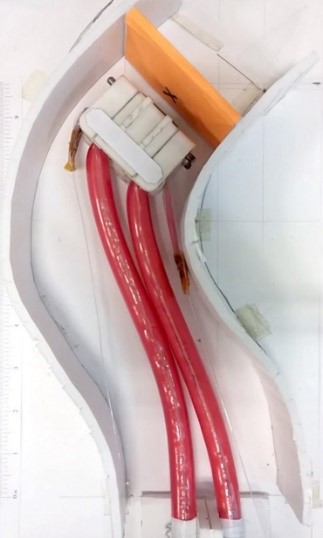
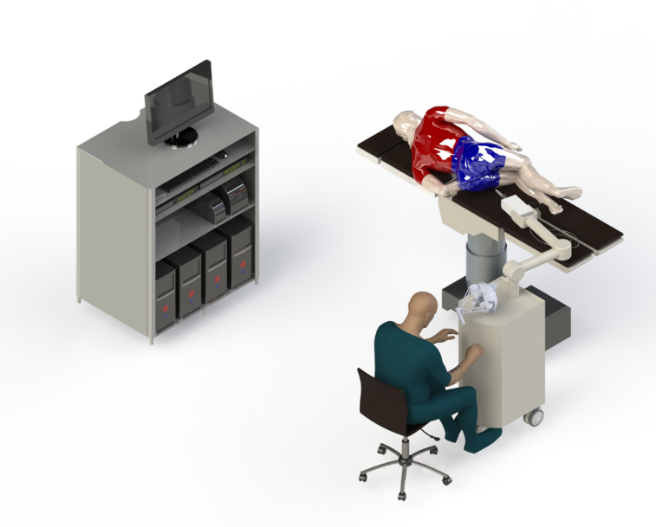
Our laboratory focuses on developing innovative robotic and mechatronic systems such as soft robots, haptic (tactile) interfaces, robotic prostheses/orthoses, medical robots, and industrial robotic grippers. We primarily conduct interdisciplinary projects in collaboration with industrial and medical partners. We possess expertise in electro-mechanical design, hardware development, mechatronic integration, system characterisation, and experimental evaluation. In our laboratory, we extensively utilise various CAD programmes, real-time data acquisition systems, prototyping tools, sensors, and actuators. Our laboratory contributes to scientific literature by developing human-machine interaction-focused smart mechatronic and robotic systems for medical and industrial applications.
- Computational Thermal and Energy Systems Laboratory (c-TESLab)
https://me.bogazici.edu.tr/tr/pages/laboratuvarlar/2268
TESLa, which aims to develop design, measurement, control, and management methods and tools for thermal and energy systems, is located in KB-201 on the North Campus. Our research focuses particularly on the following areas.
- Designing advanced materials for renewable energy and energy recovery systems
- Modelling and experimentally investigating heat transfer occurring at the nanometric scale
- Design and control of thermal processing systems operating at high temperatures
- Thermal management and testing of opto-electronic packages
With our experimental and numerical applications, we aim not only to contribute to scientific literature, but also to provide answers to practical problems. Due to the different dimensions of the problems we are interested in, we are concerned with both microscopic and macroscopic modelling and characterisation. Furthermore, some of these applications involve inverse problem applications such as remote sensing, design, or tomography.
- Mechanics of Advanced Materials Laboratory
https://me.bogazici.edu.tr/tr/pages/laboratuvarlar/2268
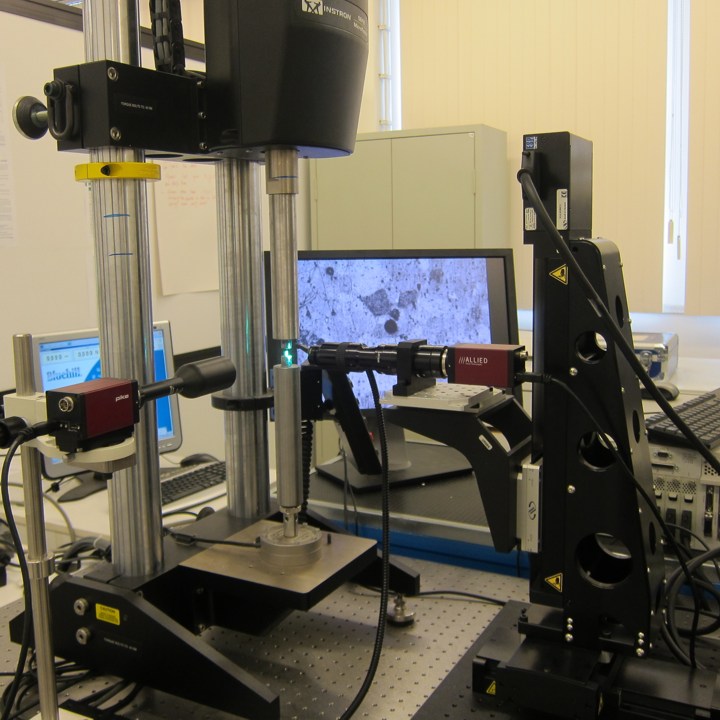
The area of expertise in this laboratory is in situ, multi-scale, full-field deformation measurements. Thanks to specially integrated optical and positioning equipment, deformation maps can be measured at sub-particle resolution over a desired area. Therefore, these measurements can simultaneously achieve high resolution and high statistical significance, which are normally mutually exclusive. The research in this laboratory focuses on materials exhibiting complex and multiphysics-related structural behaviour (e.g., related to thermal and mechanical structural behaviour) and transformations triggered by deformation. Topics of study include the deformation physics of tightly packed hexagonal metals undergoing twinning transformation and shape-memory alloys exhibiting superelasticity with austentic-martensitic phase transformation. Multiscale experimental data is supported by theoretical-numerical studies involving average multi-granular structure models and finite element models.
- Composites Laboratory
https://me.bogazici.edu.tr/tr/pages/laboratuvarlar/2268
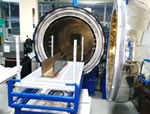
The Composites Laboratory conducts research on continuous fibre-reinforced composites, reinforced plastics, nanocomposites, and their manufacturing methods. Composite parts can be produced using vacuum infusion, autoclave, hot pressing, induction or microwave energy heating methods. Development of innovative composite materials and energy-efficient manufacturing methods, prediction of post-production warping in composite parts using the Finite Element Method, micro-mechanical analysis of composite materials, prediction of the strength properties of composite materials using failure criteria, deformation and strength analysis of composite structures, and the design and optimisation of wind turbine blades are among the topics being studied.
- Mechanical Tests Laboratory
https://me.bogazici.edu.tr/tr/pages/laboratuvarlar/2268
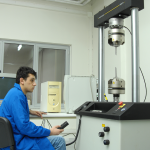
The Mechanical Tests Laboratory conducts experiments on the mechanical behaviour of polymers, composite materials, ceramics, metals and metal alloys. Tests conducted in the laboratory include standard tensile/compression/bending tests, fracture mechanics tests, and fatigue tests. In addition to standard tests, special tests are performed according to company specifications for automotive parts such as engine mounts, connecting rods, and crankshafts.
MTS and INSTRON servo-hydraulic testing systems enable dynamic testing, while the ZWICK Universal Testing Machine allows for the measurement of materials' elastic properties and static strength.
In the laboratory, strain gauges can be used to measure the deformation of parts subjected to loading, and fatigue crack propagation can be examined under constant and variable amplitude and random loads using optical and electrical methods. KRAUTKRAMER ultrasonic non-destructive testing systems are used to examine damaged parts.
- Metallography Laboratory
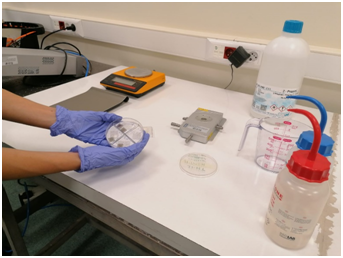
https://me.bogazici.edu.tr/tr/pages/laboratuvarlar/2268
- Micro and Nano Thermal Characterisation Laboratory (MiNThLab)
https://minth.bogazici.edu.tr/
The Micro and Nano Thermal Characterisation Laboratory (MiNThLab) specialises in understanding heat transfer mechanisms in micro- and nano-scale structures. Our group creates realistic models to characterise thermal transport within materials and devices, as well as within thermal and/or electronic packaging. Our group also investigates the effectiveness of various thermal solutions used to thermally enhance devices using thermal models.
Current research in our laboratory focuses on popular wide and ultra-wide bandgap semiconductor materials (GaN, AlGaN, β-Ga₂O₃, etc.), two-dimensional materials (graphene, h-BN, etc.), and thermal transport issues encountered in semiconductor devices such as high electron mobility transistors (HEMTs) and light-emitting diodes (LEDs).
- Automotive Acoustics and Vibration Laboratory
https://me.bogazici.edu.tr/tr/pages/laboratuvarlar/2268
Vibration and acoustics, and various related issues such as fatigue and passenger comfort, are among the most important research topics in automotive engineering. Our laboratory was established to investigate all kinds of vibration and acoustic problems encountered in automobiles and to produce solutions to these problems. The necessary equipment for conducting experimental studies has been procured and implemented through various projects carried out within the framework of university-industry cooperation. Currently, our laboratory has various experimental tools such as accelerometers, microphones, tachometers, and data collectors, as well as a passenger car and its engine for examination, and a car body with its internal parts removed. Along with these, there are also numerous engines, gearboxes, steering systems, and other parts with different characteristics used for educational purposes. Various software and hardware related to general vehicle dynamics and control are also used in the same laboratory. Development work on vehicles powered by alternative fuels, which participate in various competitions on behalf of our university, is also largely carried out in our laboratory.
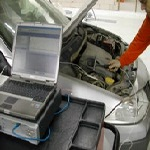
- Vibrations Laboratory
https://me.bogazici.edu.tr/tr/pages/laboratuvarlar/2268
The vibration laboratory contains the necessary equipment and software to measure and analyse the vibrations of structures and machines. The laboratory has two shakers used in low-frequency high-force and high-frequency low-force applications, data acquisition systems, accelerometers, a laser vibration measurement device, an oscilloscope, and other electrical and mechanical measurement devices. Current research in the laboratory focuses on the computational and experimental investigation of vibration isolation systems, passive and adaptive vibration absorbers, and structures exhibiting phonon bandgaps.
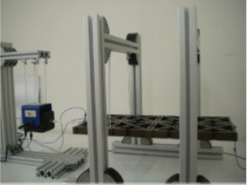
- Space Technologies Laboratory
https://me.bogazici.edu.tr/tr/pages/laboratuvarlar/2268
The laboratory conducts research on the theoretical modelling of flame and heat transfer processes. Work carried out in the laboratory includes the reduction of chemical reaction mechanisms, the numerical modelling of flame and radiation heat transfer in turbulent flow, and the simulation of emissions produced by internal combustion engines. The laboratory is equipped with ANSYS FLUENT, AVL FIRE, AVL BOOST, RICARDO WAVE, KIVA, Fortran Compiler, and Matlab software to conduct research activities in the aforementioned areas.
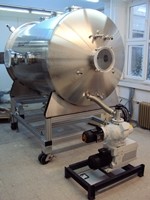
BIOMEDICAL ENGINEERING INSTITUTE
- Computational Imaging Laboratory
https://bme.bogazici.edu.tr/en/computational-imaging-laboratory
Field of Study: Magnetic resonance imaging techniques (magnetic resonance spectroscopy imaging (MRSG), arterial spin labelling (ASL), diffusion tensor imaging (DTI), etc.) to characterise anatomical, physiological, and biochemical changes associated with brain diseases; to classify medical image data for disease diagnosis and image enhancement (super-resolution) using machine learning and deep learning methods; accelerate routine MRSG techniques used in clinics, develop quantitative molecular MR imaging techniques to enable more sensitive and accurate data acquisition and processing, perform modelling and develop analysis methods to create MR parametric maps, develop user-friendly data analysis interfaces, and produce phantoms that mimic brain chemistry and anomalies.
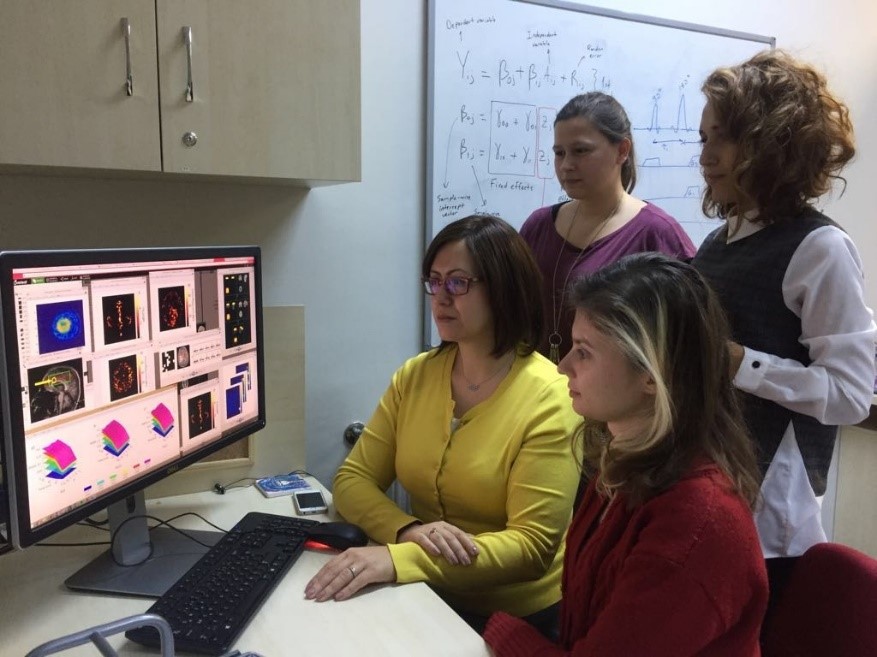
- Biofunctional Nanomaterials Design Laboratory (BIND LAB)
https://bindlab.bogazici.edu.tr/
https://bme.bogazici.edu.tr/biofunctional-nanomaterials-design-laboratory-bind-lab
Field of Work: Our multidisciplinary research focuses on the design, production and characterisation of smart nanocarrier systems such as nanocapsules, polymerosomes and hybrid nanoparticles to overcome challenges in biomedical research and healthcare applications. Such work requires a highly interdisciplinary research platform that integrates various inputs from nanobiotechnology, biomaterials, colloids, and engineering approaches.
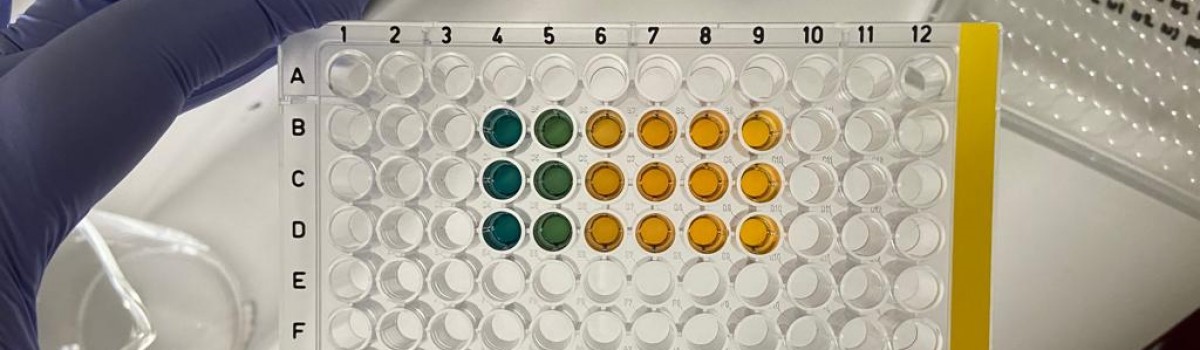
- Biophotonics Laboratory
https://bme.bogazici.edu.tr/biophotonics-laboratory
Field of Study: Laser tissue interaction, surgical laser system design, photobiomodulation, photodynamic therapy, LIBS (Laser Induced Breakdown Spectroscopy), optical tweezers, photodynamic and photothermal therapy in cancer treatment, the use of nanoparticles in phototherapy, antibacterial photodynamic therapy, temperature-controlled surgical laser system design, photobiomodulation, corneal tissue fusion, laser removal of orthodontic ceramic brackets, laser etching of tooth enamel surfaces, laser excision and ablation in oral tissue, laser sterilisation in root canal treatment, optical characterisation of biological tissues, skin tissue fusion, stereotactic laser ablation in neurosurgery.
- Biomimetic and Bioinspired Biomaterials Research Laboratory
https://bme.bogazici.edu.tr/en/biomimetic-and-bioinspired-biomaterials-research-laboratory
Field of Work: Using biomimetic and bioinspired approaches, it encompasses biomaterial production, applications, and the investigation of cell-surface/interface interactions. The focus of the work is on preparing biomaterials with chemical, mechanical and topographical properties inspired by or mimicking those of natural structures with superior properties. In addition to biomaterials for bone, cartilage, heart muscle and corneal tissues, work is also being carried out to enhance biomaterial/implant performance by mimicking the antibacterial properties of natural structures.
- Biomaterials Production and Characterisation Laboratory
https://bme.bogazici.edu.tr/en/biomaterials-production-and-characterization-laboratory
Field of Study: The focus of the studies is on tissue regeneration, injectable scaffolds, drug delivery devices, 3D printing of tissue scaffolds, and machine learning models for analysing biomaterial data.
- Robotics Laboratory
https://bme.bogazici.edu.tr/robotics-laboratory
Field of Study: Research is conducted on developing robots inspired by biological systems and simulation systems for biomechanical analysis and synthesis.
- Biomechanics Laboratory
https://bme.bogazici.edu.tr/biomechanics-laboratory
Field of Study: Musculoskeletal biomechanics, skeletal muscle mechanics. Fundamental scientific theories and innovative perspectives for muscle and connective tissue biomechanics are developed through animal experiments, histology, and mathematical modelling (e.g., finite element muscle model). In vivo studies are conducted in humans using intraoperative experiments, high-resolution EMG, ultrasound imaging, ultrasound elastography, advanced magnetic resonance imaging analyses, and diffusion tensor imaging methods. The unknown aetiologies/mechanisms of action of musculoskeletal system pathologies (e.g., spasticity) and their treatments (e.g. Botox injections) and physiotherapy applications (e.g. Kinesio Tape) are being conducted to understand the unknown aetiologies/mechanisms of action and to develop innovative diagnostic, monitoring, treatment methods and drugs. These studies apply mechanical engineering principles to solve structural and functional medical problems in biological systems. Within the scope of human movement analysis studies, kinematic, kinetic, and surface EMG recordings are taken to develop innovative neurotechnological movement support, rehabilitation, and patient monitoring solutions for difficulties that disrupt the musculoskeletal system and restrict/pathologise joint movement and/or create a risk of falling (e.g., stroke, limb amputation, spasticity).
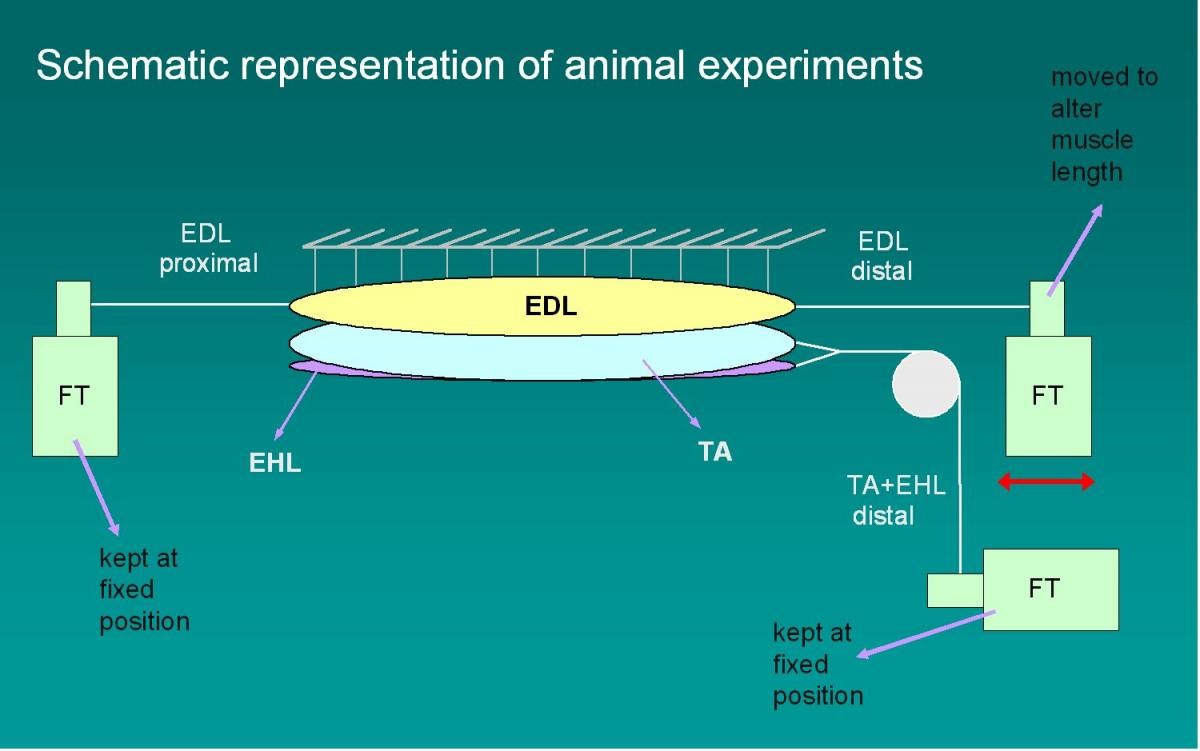
- Behavioural Biology Laboratory
https://bme.bogazici.edu.tr/en/behavioral-biology
Field of Study: Behavioural science is the cornerstone of all projects in this laboratory. Animal models for psychiatric and neurological disorders, behavioural neuroimaging methods, experience-dependent deep brain stimulation, and more are being developed and utilised. The Behavioural Biology Laboratory views behaviour as a gateway to systematically and dynamically examine the brain in all its complexity.
- Tissue Laboratory
Work Area: Sample tissues used in experiments in the laboratory are prepared homogeneously for experiments and examination. Tissue sectioning, paraffin embedding, paraffin block slicing, staining, and histological examination under a microscope are performed. In addition, tensile, compression, and cycling tests are applied to the samples in the material testing machine. Furthermore, general microbiological studies are conducted, including bacterial inoculation, colony formation, growth and colony counting, culture medium preparation, and plate preparation.
- Tactile Research Laboratory
https://bme.bogazici.edu.tr/tactile-research-laboratory
Area of Work: Investigates the peripheral and central somatosensory system and cognitive processes. In particular, research is conducted on the anatomy, physiology, psychophysics, and modelling of the sense of touch.
- Precision Medicine and Molecular Imaging Group/Laboratory
https://bme.bogazici.edu.tr/albert-guvenis
Field of Study: The Precision Medicine - Molecular Imaging Group/Laboratory aims to develop strategies for advancing precision medicine therapeutic applications and making accurate disease-related predictions by enabling a more comprehensive and precise characterisation of disease through the combined application of clinical engineering and medical imaging techniques. Furthermore, efforts are being made to measure precise changes in response to treatment in order to predict future events and make optimal therapeutic adjustments. All these goals must be achieved without any invasive procedures. To achieve these goals, we utilise various sub-process design activities and employ SPECT/PET/CT hybrid instrumentation, lesion selectivity, statistical design and design optimisation, signal processing for image recovery and noise reduction, image enhancement using artificial intelligence, Monte Carlo simulations for hardware and algorithm design, radiomic analysis of hybrid images for precision medicine, AI-assisted calibration of hybrid imaging systems, and clinical engineering tools such as metrology.
- Cell Culture Laboratory
Field of Work: Various immortalised cell lines, mesenchymal stem cells, and induced pluripotent stem cell lines are routinely maintained and propagated. These lines are primarily used to evaluate the in vitro performance of biomaterials inspired by or mimicking natural structures, prepared in the biomaterials research laboratory. In addition, drug toxicity analyses are performed and the interactions of electromagnetic fields with cells are investigated.
- Cellular Imaging and Electrophysiology Laboratory
https://bme.bogazici.edu.tr/cellular-imaging-electrophysiology-laboratory
Field of Work: Various nerve cell models are produced using cell culture techniques, and the activities, channel expressions, and mitochondrial changes of the produced cells are studied using electrophysiological and imaging methods. Degeneration is created in model nerve cells, and substances that protect cells against degeneration are tested. In addition, the effects of various drugs on nerve cells are investigated. Beyond cellular studies, various biomarkers are being developed in clinical trials to monitor the recovery process of stroke patients.
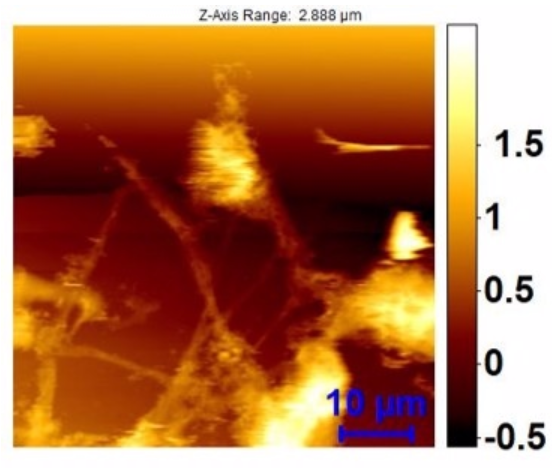
- Multimodal Imaging and Physiology Lab (MIMLAB)
https://bme.bogazici.edu.tr/multimodal-imaging-physiology-mimlab
https://mimlab.bogazici.edu.tr/
Field of Study: Advanced multimodal neuroimaging techniques (MRI, fMRI, EEG) are used together to better understand the human and animal brain during rest, wakefulness, and sleep. Our aim is to better understand the function and structure of the brain in both healthy and diseased states. In this context, we investigate how systemic physiological changes, such as heart rate, respiration, and pupil behaviour, respond during different states of wakefulness and tasks, and how these responses relate to the brain's spatiotemporal signal changes. Multiparametric MRI techniques are used in both human and preclinical (small animal) models, and these methods are used to investigate the structural and functional characteristics of the brain in detail. Imaging studies are supported by the design and development of computational algorithms aimed at understanding the functioning of the brain and physiology. Thus, new ideas are developed to better understand the complex structure and function of the brain, utilising advanced computational signal analysis techniques in this process.
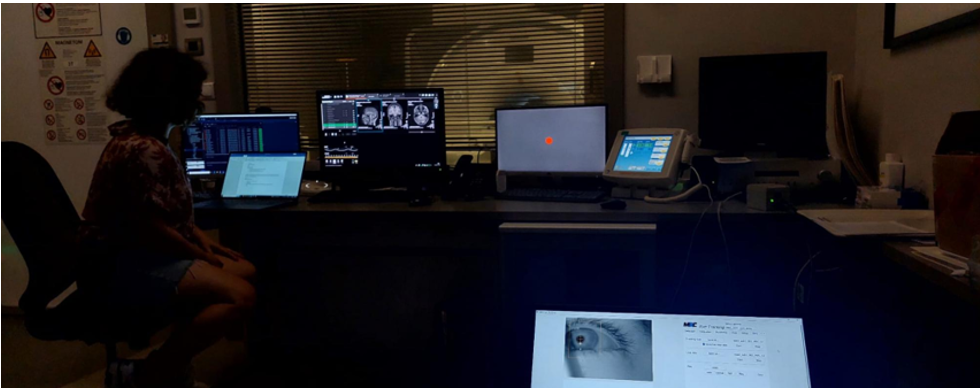
- Neurosignal Analysis Laboratory
http://neurosignal.bogazici.edu.tr
Field of Work: Functional brain images are obtained by processing data acquired through brain electrical activity (EEG) and functional brain imaging techniques. Neuroimaging algorithms are developed to understand cognitive processes and to diagnose and treat various neurological disorders using statistical and signal processing methods.
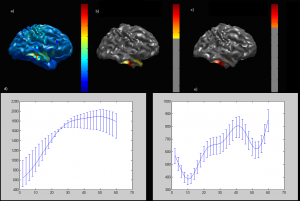
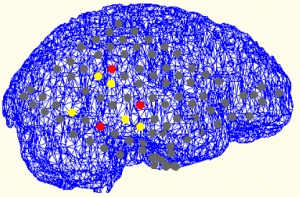
- Boğaziçi University Medical Imaging Laboratories (BUMIL)
https://bumil.bogazici.edu.tr/
Field of Work: Boğaziçi University Medical Imaging Laboratories (BUMIL) consists of seven multidisciplinary research laboratories conducting research projects on medical imaging within the Institute of Biomedical Engineering. The laboratories that are part of BUMIL are the Medical Imaging Instrumentation Laboratory, Neural Signal Analysis Laboratory, Cellular Imaging and Electrophysiology Laboratory, Computational Imaging Laboratory, Behaviour and Biology Laboratory, Biodesign Laboratory, Biomechanics Laboratory, and Robotics Laboratory. Originally established in 2002 by Prof. Dr. Cengizhan Öztürk, BUMIL has since 2018 become an umbrella structure within the Institute of Biomedical Engineering, encompassing numerous laboratories working on technology development and/or applications for medical imaging.
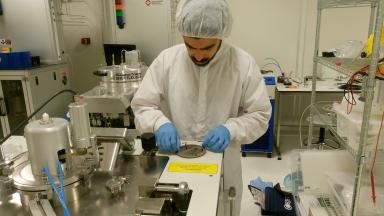
- XLab-Imaging Instrumentation Laboratory
Field of Work: XLab was established in 2010 within BUMIL (Boğaziçi University Medical Imaging Laboratories). Our main areas of work include medical diagnostic systems, X-ray technologies, semiconductor-based imaging techniques, medical image processing, and medical electronic design. Located at the Feza Gürsey Science Centre on the Kandilli Campus of Boğaziçi University, XLab has a licensed X-ray testing room and an electronic development laboratory.
INSTITUTE OF ENVIRONMENTAL SCIENCES
- Sewage Sludge (Biosolids) Laboratory
https://iesc.bogazici.edu.tr/tr/content/arastirma-laboratuvarlari
Field of Work: Characterisation of sewage sludge, treatment, minimisation, stabilisation and dewatering of sewage sludge, disposal and beneficial use of sewage sludge.
- Biomass and Microbial Ecology Laboratory
https://iesc.bogazici.edu.tr/tr/content/arastirma-laboratuvarlari
Field of Work: Anaerobic biochemical degradation and stabilisation of biomass, microbial population dynamics, bioenergy and production of high-value products from biomass, and development of specific microorganisms to increase hydrolysis and biomethanisation from lignocellulosic materials, molecular ecology of natural and engineered systems
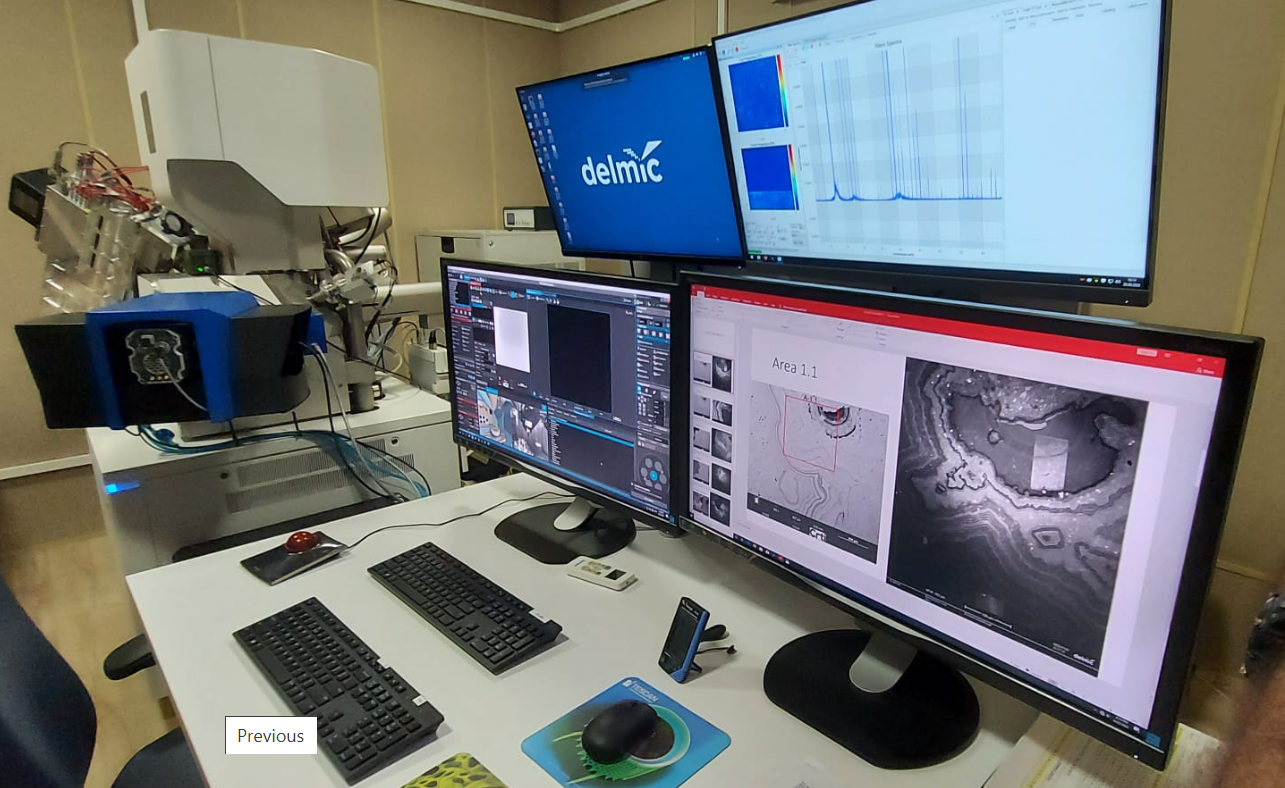
- Environmental Analyses Laboratory
https://iesc.bogazici.edu.tr/tr/content/cevre-analizi-laboratuvari
Field of Work: Analyses of all water samples, such as wastewater, water used in the dilution of haemodialysis solutions, concrete mixing water, and seawater, are carried out using analytical and instrumental methods. The laboratory holds accreditation certificate number AB-0241-T from the Turkish Accreditation Agency (TÜRKAK) and provides analysis services to commercial companies and official institutions as an accredited laboratory.
- Environmental Microbiology and Biotechnology Laboratory
https://independent.bogazici.edu.tr/
Field of Work: Transport of pathogenic bacteria, algal biotechnologies, obtaining value-added biotechnological products from photosynthetic organisms, biorefinery and bioeconomy models, pollutant tracking, biodegradation of hazardous pollutants, isolation, identification and production of specific microorganisms, enzyme technology, microbiome engineering, probiotic development.
- Ecotoxicology and Chemometrics Laboratory
https://www.melekturker.com.tr/
Field of Work: Aquatic toxicity tests/environmentally important parameters of pollutants and advanced in silico methods are used together to predict toxicity data/environmental parameters of pollutants with unknown data.
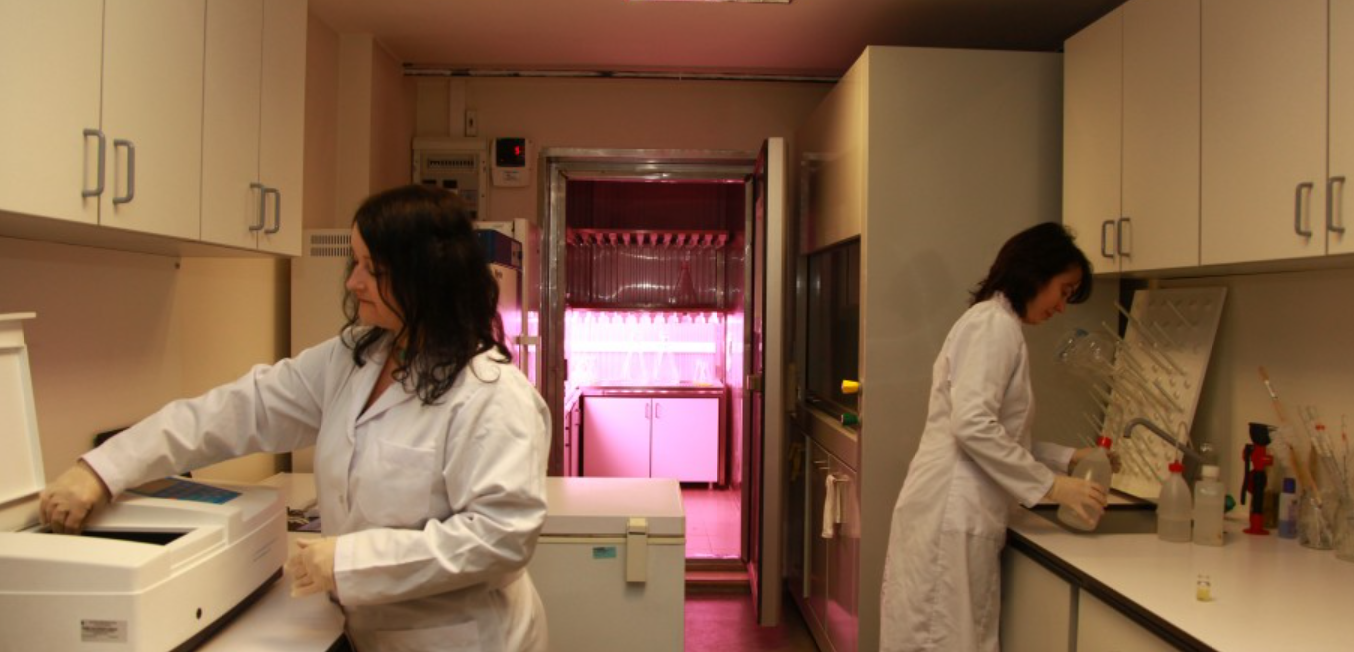
- Anaerobic Biological Treatment Laboratory
https://iesc.bogazici.edu.tr/tr/content/cevre-analizi-laboratuvari
Field of Study: Biogas production from wastewater, sewage sludge, and biomass in an anaerobic (oxygen-free) environment.
- Advanced Oxidation Processes Laboratory
https://iesc.bogazici.edu.tr/tr/content/cevre-analizi-laboratuvari
Field of Work: Application of different combinations of chemical (ozone, hydrogen peroxide, persulphate), photolytic, photocatalytic and ultrasonic oxidation to environmental matrices (water, wastewater, sewage sludge, animal waste, soil) to reduce contaminant concentrations and increase biological degradability.
- Solid Waste Laboratory
https://iesc.bogazici.edu.tr/tr/content/cevre-analizi-laboratuvari
Field of Work: Characterisation and stabilisation of solid waste, treatment of solid waste leachate, simulation of solid waste landfill sites, bioreactors and composting.
- Molecular Ecology and Phylogenetics Laboratory
https://iesc.bogazici.edu.tr/tr/content/cevre-analizi-laboratuvari
Field of Work: The phylogenetic relationships and population structures of bat species living in Turkey are being studied using molecular genetic methods.
- Molecular Evolution and DNA Barcoding Laboratory
https://iesc.bogazici.edu.tr/tr/content/cevre-analizi-laboratuvari
Research Area: Molecular ecology, evolution, and population genetics of vertebrates and invertebrates; DNA barcoding; next-generation sequencing methods for dietary analysis; conservation genetics; transcriptomics studies.
- Soil Pollution Laboratory
https://iesc.bogazici.edu.tr/tr/content/cevre-analizi-laboratuvari
Field of Study: Detection and analysis of pollutant parameters causing soil pollution.
KANDİLLİ OBSERVATORY AND EARTHQUAKE RESEARCH INSTITUTE
- Meteorology Laboratory
https://meteoroloji.bogazici.edu.tr/
The Kandilli Observatory and Earthquake Research Institute's Meteorology Laboratory has been operating continuously from the same location since 1911. With over 100 years of valuable data accumulation, it is one of the few institutions in the world and the first in Turkey to receive the “Century Station Certificate” from the World Meteorological Organisation (WMO).
The laboratory provides a wide range of services, from daily meteorological observations to scientific research. In addition to regular observations, data analysis and instrument maintenance, it contributes to scientific work by providing support to educational institutions and researchers. In the laboratory's observation park, measurements of basic meteorological parameters (instantaneous, maximum and minimum air temperatures, soil temperatures at different depths, wind speed and direction, sunshine duration, amount of incoming solar energy, humidity, sea level air pressure and station pressure, rainfall amount, intensity and duration, visibility distance, cloud type and cloud cover ratio) are measured both by classical methods and by means of an automatic station. Data for all measured meteorological parameters are archived digitally and bulletins prepared at the end of each month are published on the website. Both scientific projects and specialised data requests are evaluated and fulfilled by the laboratory.
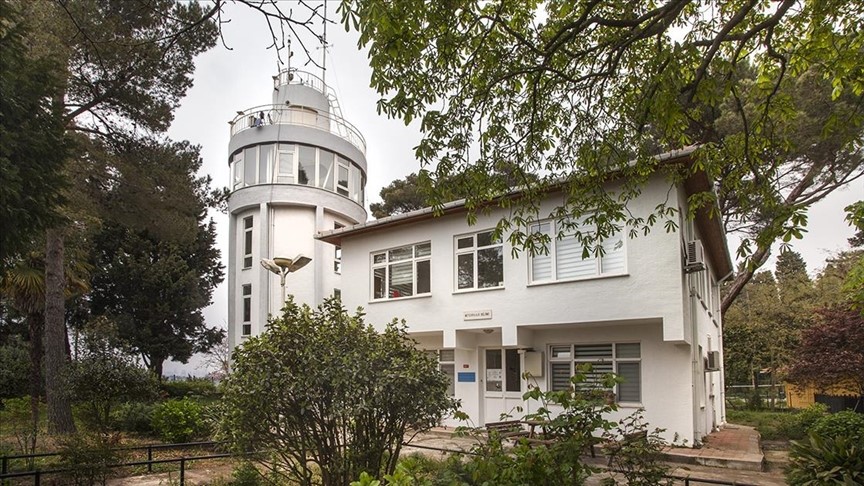
The laboratory, which conducts various meteorological modelling studies, new software development activities, and scientific research, regularly publishes 10-day weather forecasts on its website. Requests received by telephone, such as barometer settings and specific weather forecast information, are answered, and in line with requests from the press and media, informative announcements are made to the public regarding weather forecasts, developing meteorological disasters, atmospheric events, and laboratory studies.
Alongside the work initiated to digitise the meteorological archive, special efforts are being made to preserve documents, books, and instruments of historical value. It contributes to the training of future generations by providing internship opportunities to Meteorology Engineering students and by introducing the laboratory to students who visit it regularly twice a week. It continues its work with the vision of being a centre that provides reliable meteorological information that is sought after, pioneering, innovative, and needed at national and international levels in meteorological observations and research.
- Astronomy Laboratory
https://astronomi.bogazici.edu.tr/
Astronomy Laboratory The Astronomy Laboratory, affiliated with the Department of Geodesy, conducts research in the fields of Solar Physics, Chronoastronomy, Forensic Astronomy, and Popular Astronomy. Since 1947, observations of the Sun's photosphere have been made every day when the sky is clear and shared with international data centres, and an archive has been created for researchers to use. The ‘flare index’, one of the solar activity indices, is calculated and published on the website. The Institute's Astronomy Laboratory, which was declared an Authorised Institution by the Ministry of Justice General Directorate of Penal Affairs' circulars dated 15 October 2004, 2004 and 30 January 2006, No. 2552, responds to information requests from courts within the scope of Forensic Astronomy. In line with requests, Hijri-Lunar Calendar information is provided to calendar companies, information on the movements of the Moon and Sun is provided to the Meteorological Department of the Turkish Republic of Northern Cyprus and the Land Forces Command, and astronomical information requests from the public are answered. During the school term, on Wednesdays and Thursdays, information is provided primarily to schools, and on other days to individual visitors upon request, about the laboratory, its work and topics related to astronomy that they are curious about. Events are organised for popular astronomical events such as eclipses and planetary transits.
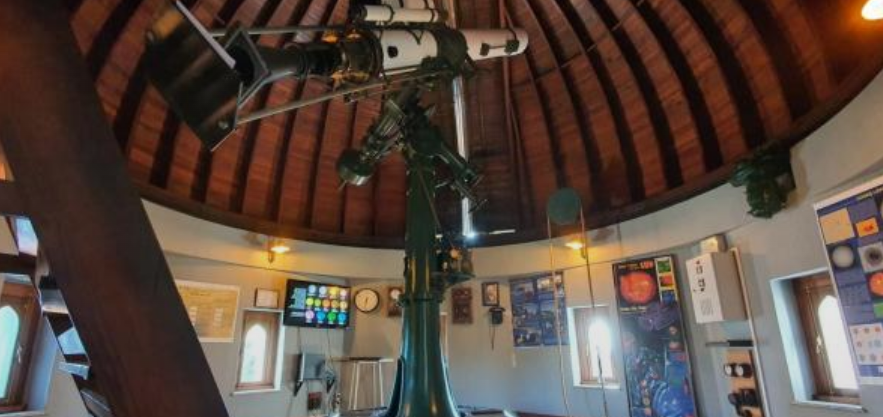
- Geodetic Infrastructure Laboratory
It consists of high-sensitivity GNSS stations affiliated with the Department of Geodesy, which continuously monitor the movements of active faults in the Marmara region 24/7. By the end of 2024, the number of stations will reach 39. This observation network is supported by earthquake recorders, sea level observation stations, and meteorological measurement stations within the KRDAE infrastructure, and its spatial control is enhanced with radar satellite data. The collected data is continuously evaluated by the Department of Geodesy, and the earthquake-generating potential of the monitored active faults is estimated.
- Geodetic Measurement Laboratory
The Geodetic Measurement Laboratory, located within the Department of Geodesy, calibrates geodetic equipment and carries out high-precision geodetic network designs and measurements. The laboratory houses GNSS receivers of different brands and models, electronic distance meters, total stations, levelling instruments, theodolites, terrestrial photogrammetric cameras, ground-controlled aerial vehicles, and laser scanning devices. The measuring instruments in the laboratory inventory are used in fieldwork for projects carried out by the Department, in thesis work by Department students, in geodetic measurements of structures, in determining their deformations, and in monitoring geodynamic deformations.
- Geomagnetism Laboratory
https://jeomanyetizma.bogazici.edu.tr/en
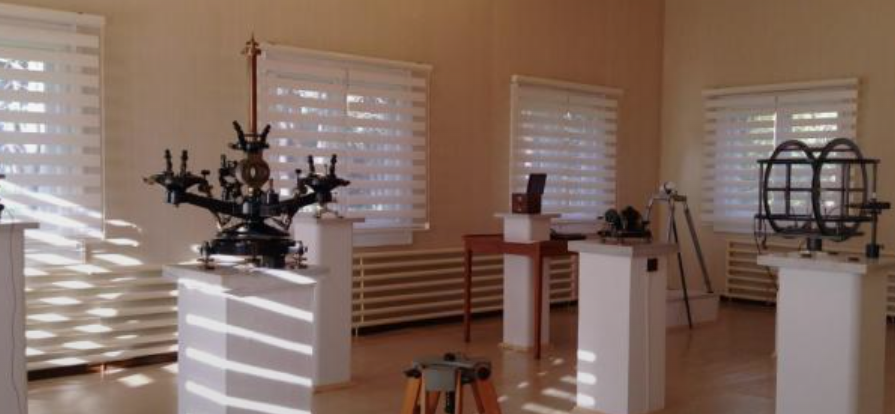
Changes in the Earth's magnetic field over time and regional values for Turkey are measured at two separate observatories by the Geomagnetism Laboratory of the Department of Geophysics, Kandilli Observatory and Earthquake Research Institute, Bogazici University. These observatories are:
- Istanbul-Kandilli Magnetic Observatory (ISK),
- Iznik Magnetic Observatory (IZN).
The Istanbul-Kandilli Magnetic Observatory began systematic geomagnetic measurements in 1947. Geomagnetic records were taken on photographic paper using a La Cour Variometer between 1947 and 2000. The ISK Magnetic Observatory joined INTERMAGNET (International Real-Time Magnetic Observatory Network) in its 50th year. Magnetic data recorded at minute intervals was sent to INTERMAGNET in daily data packages. The ISK Observatory's absolute measurement building was named the ‘Dr Orhan Uyar Geomagnetism Measurement Laboratory’. Thanks to the Proton magnetometer and Helmholtz Coil system in the laboratory and the D&I Theodolite, absolute measurements of the magnetic field components H (horizontal component), Z (vertical component), F (total field), D (deviation angle) and I (inclination angle) can be made. Instantaneous changes are measured on a minute-by-minute basis using a flux-gate variometer.
Geomagnetic measurements can be easily affected by unnatural environmental noise. The data quality of the ISK Magnetic Observatory has also declined due to noise. For this reason, a new magnetic observatory was established near Iznik in June 2004 and became a member of INTERMAGNET in 2007. Instantaneous changes in the horizontal component (H), declination angle (D) and vertical component (Z) of the Earth's magnetic field are measured using a flux-gate variometer. Absolute measurements of F (total field) are made using an overhouse and proton magnetometer, while absolute measurements of D and I (inclination angle) are made using a D/I theodolite system and a single-axis flux-gate magnetometer mounted on this system. Absolute measurements are used to determine the baseline values of the observatories and require extreme precision. Absolute measurements are taken at least twice a week.
The continuous records obtained are analysed and transmitted to the international data centre INTERMAGNET, of which we are a member, and are also shared with the World Data Centre in Kyoto. Our data is used in the preparation of International Geomagnetic Reference Field (IGRF) models. The data from the IZN Magnetic Observatory is available in real time on the website. The monthly Geomagnetism Bulletin is distributed to all geophysical and related institutions in Turkey and published on the website.
Numerical magnetic data for the desired day and time can be obtained by making an official request to the Kandilli Observatory and Earthquake Research Institute.
- Palaeomagnetism Laboratory
It was established by a protocol signed on 7 April 1973 between the Department of Geophysics, Faculty of Mining Engineering, Istanbul Technical University (ITU), the Institute of Earth Physics, Faculty of Mining Engineering, ITU, and the Kandilli Observatory Directorate of the Ministry of National Education, with the aim of providing the infrastructure for paleomagnetism research into the geological development and geodynamic movements of the Earth's crust. The protocol stipulated that the laboratory would be named the ‘KANTEK Palaeomagnetism Laboratory’.
The current equipment of the KANTEK Palaeomagnetism Laboratory is sufficient for palaeomagnetic research on igneous rocks. The current equipment of the KANTEK Palaeomagnetism Laboratory includes: two spinner magnetometers, one thermal demagnetiser, one alternating field demagnetiser, one susceptibility device, one magnetic anisotropy meter, a core sampling device, and rock cutting tools and equipment. Our laboratory provides services to scientists conducting paleomagnetic research.
- İstanbul Earthquake Rapid Response and Early Warning Laboratory
https://eqe.bogazici.edu.tr/tr/pages/istanbul-deprem-hizli-mudahale-ve-erken-uyari/4042
Scope of Work: Using real-time data from strong ground motion recorders, strong ground motion parameter distributions are determined after an earthquake to support the prioritisation of emergency response by preparing damage distribution maps. Within the framework of the rapid response system, approximately 100 strong ground motion stations have been installed at selected locations in Istanbul's densely populated, commercial and industrial areas. The system also includes 10 stations for early warning purposes. By utilising the time difference between the P and S components of the seismic wave reaching these stations, the system can transmit information to initiate the controlled shutdown of various critical facilities.
- Structural Health Monitoring Laboratory
https://eqe.bogazici.edu.tr/en/pages/structural-health-monitoring-laboratory/3778
By collecting and analysing data from real-time vibration monitoring systems installed on historical structures, high-rise buildings and bridges, the behaviour characteristics of these structures in response to earthquakes, storms and similar natural events or human-induced vibrations are determined. Through these analyses, the performance of the monitored structure can be determined, and the visible/invisible effects under these dynamic factors are revealed, thereby informing the structure's responsible parties.
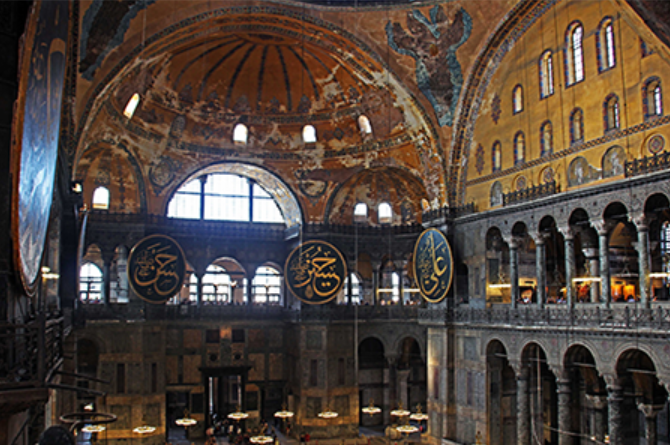
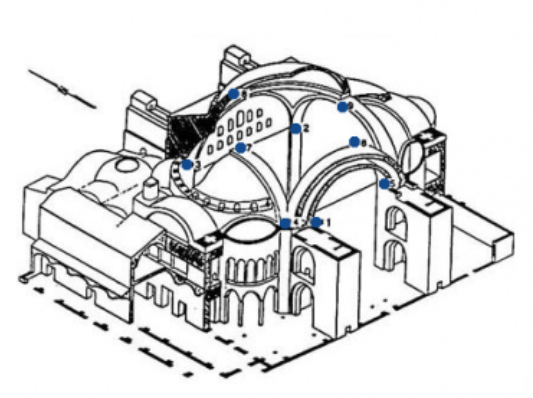
- Prof. Dr. Mustafa Erdik Shake Table Laboratory
https://eqe.bogazici.edu.tr/en/pages/prof-dr-mustafa-erdik-shake-table-laboratory/3779
The laboratory, under the responsibility of the Department of Earthquake Engineering, has three shake tables of different sizes, capacities and characteristics. The largest of the tables is 3m x 3m in size and has a load capacity of 10 tonnes and a peak nominal acceleration capacity of 2g. Within the scope of postgraduate thesis studies and research projects, various experiments requested by research institutions and private sector organisations are conducted in the laboratory. Examples of work carried out include: determination of the seismic behaviour and performance of full-scale or scaled structures, structural elements and components (structural frames, walls, reinforcement applications, historic structures); conformity assessments of precision electronic devices, panels, cladding systems, and automatic gas shut-off valves; seismic behaviour tests of electrical panels, power distribution lines, metal connectors, anchoring elements, and museum artefacts; experiments on soil behaviour, improvement, and soil-structure interaction.
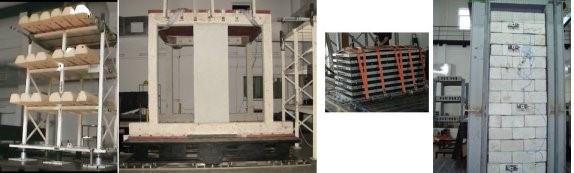
- Pseudo-dynamic Testing Laboratory
https://eqe.bogazici.edu.tr/en/pages/pseudo-dynamic-testing-laboratory/3780
Used for semi-dynamic testing of seismic isolators and structural system components under horizontal and vertical loading.
- Non-Destructive Testing Laboratory
The https://eqe.bogazici.edu.tr/en/pages/non-destructive-testing-laboratory/3781
Due to their protected status, such as historical structures, where physical intervention is not possible, or structures such as bridges, buildings, towers, and chimneys that have been damaged by earthquakes or other causes, or are difficult or impossible to access for various reasons, this laboratory is used to determine the structural material properties of such structures, to determine dynamic behaviour parameters with the help of on-site or remote vibration measurements, determining their three-dimensional geometries and monitoring deformations, and determining the size and distribution of structural cracks.
- Geotechnical Earthquake Engineering Laboratory
https://eqe.bogazici.edu.tr/en/pages/geotechnical-earthquake-engineering-laborator/3782
Geotechnical Earthquake Engineering Research Centre Laboratory (GDMAML), was established in 2021 at the Science and Technology (BTK) Building of Boğaziçi University's Kandilli Campus with the support of the Turkish Presidency's Strategy and Budget Presidency's ‘Geotechnical Earthquake Engineering Research Centre (GDMAM) Project’ with code 2021K12-168856.
In order to accurately predict the effects of earthquakes on the ground surface, it is necessary to correctly determine the properties of the ground. With the infrastructure currently being developed by GDMAML, dynamic experiments are being conducted simultaneously in both laboratory and field environments. The field testing vehicle developed within the scope of this project, the ‘Mobile Seismic Shaker (MSS)’, makes it possible to realistically determine and evaluate the seismic behaviour of the ground in the field environment. The shear wave velocity profile of the terrain is determined using MASW (Multi-Channel Surface Wave Analysis Method).
At the Geotechnical Earthquake Engineering Research Centre Laboratory: soil classification tests, tests to determine the liquefaction potential of soils (sieve analysis, Atterberg limit tests, water content determination), tests to determine the dynamic properties of the soil in the high strain range using the Dynamic Simple Shear Test System (DBKDS) and in the low strain range using the ‘Resonant Column and Bending Shear System (RKBKS)’, and the ‘Bender element test’ are performed.
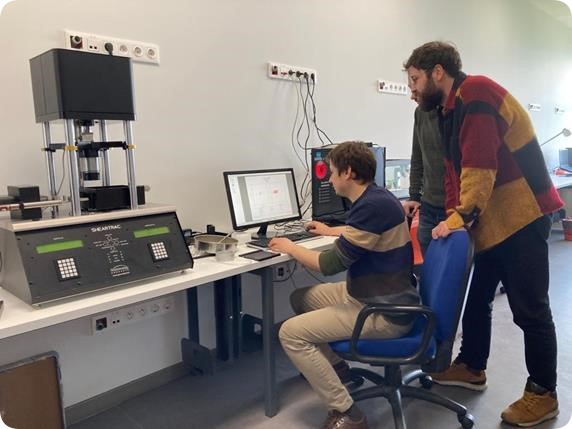
Tests are performed on soils at high shear strain amplitudes using the Dynamic Simple Shear Test System (DBKDS) to determine the soil's shear modulus and damping ratio. In addition, liquefaction and soil improvement tests are performed with the test system. The shear modulus and material damping ratio of soils and rocks are measured in the small deformation range using the ‘Resonant Column and Bending Shear System (RCSBS)’. In the torsional shear mode, the shear modulus and damping ratio can be determined up to 10% shear strain, depending on the stiffness of the soil. The dynamic soil properties in resonance column tests are evaluated at the resonance frequency of the sample. Furthermore, the small strain shear modulus of the soil is determined using the ‘Bender Element’ test.
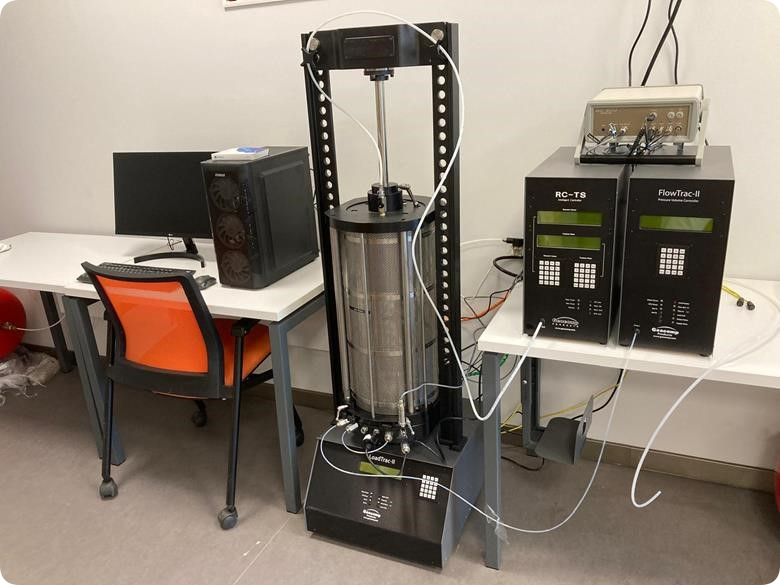
GDMAML possesses the experimental infrastructure that enables the determination of soil-induced earthquake effects, primarily liquefaction, in our country and the improvement of local soils in seismic regions. GDMAML, which is actively operational, conducts experimental studies for educational and research purposes and trains new researchers on related topics.
- Thumper Truck
https://eqe.bogazici.edu.tr/en/pages/thumper-truck/3783
It consists of a shaker integrated into a truck that can apply dynamic loads of up to 26.7 kN with desired characteristics in the 0-225 Hz range, either horizontally or vertically to the ground. The vehicle is ideal for ground behaviour analyses, ground-structure interaction tests, structural behaviour determinations, and similar studies. Due to its mobility, it can be used in projects carried out by universities, public institutions, and the private sector throughout Turkey.
RESEARCH CENTRES
Life Sciences and Technologies Application and Research Centre
- Medical Device Development Unit (Cleanroom)
https://lifesci.boun.edu.tr/medical-device-development-clean-room-unit/
The Medical Device Development or Cleanroom Unit, located in the Biomedical Engineering Institute building, operates within the Boğaziçi University Life Sciences and Technologies Application and Research Centre.
The Cleanroom was established to enable the production of clinical-grade prototypes of microsystem-based medical devices that are increasingly used in the healthcare sector and are inserted into and/or implanted in the human body. In order to support the medical device sector in critical intermediate product processing stages, ISO 13485 certification was obtained in 2019 and this accreditation was updated in 2022. The Medical Device Development Unit's ISO 13485 certification allows the prototype prepared to be tested directly on the human body.
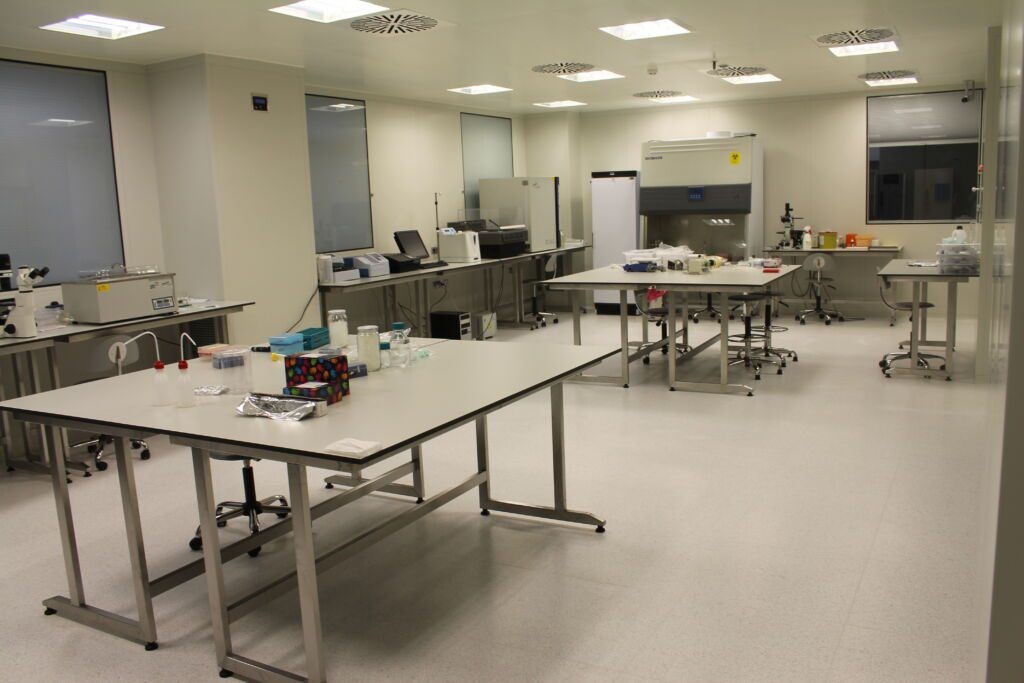
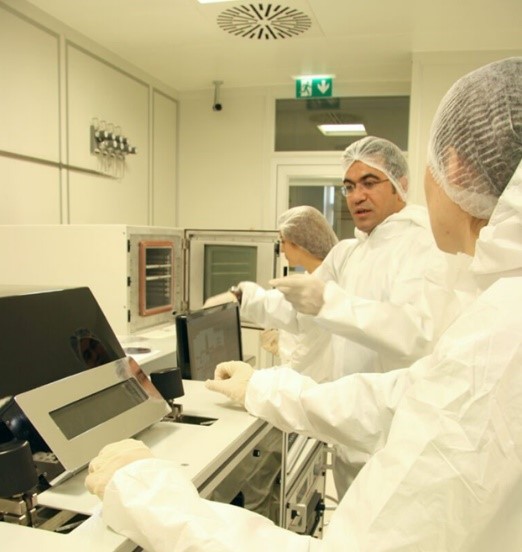
Examples of devices developed and manufactured in the clean room include new-generation endovascular catheters, guide wires, smart sensors implanted in the body, electrical stimulators, and intra-body systems that release drugs in a controlled manner only when necessary. BME Cleanroom provides its users with an infrastructure that enables not only the mechanical assembly of endovascular catheters consisting solely of plastic and metal support units from basic materials, but also the integration of optical, electronic and mechanical microsystems into these catheters. In addition to these studies, the laboratory is also open to researchers from other disciplines for MEMS and other microdevice studies.
- Animal Care and Production Unit (Vivarium)
https://lifesci.boun.edu.tr/animal-care-and-production-unit-vivarium/
It provides services to both academic research and industry with the aim of supplying experimental animals used in medical and biotechnology scientific research within the scope of Turkey's priority R&D areas. LifeSci Vivarium, having received full accreditation in 2017 from the Association for Assessment and Accreditation of Laboratory Animal Care International (AAALAC International), the only authority worldwide that can accredit experimental animal centres, operates as Turkey's first and currently only experimental animal unit with AAALAC accreditation.
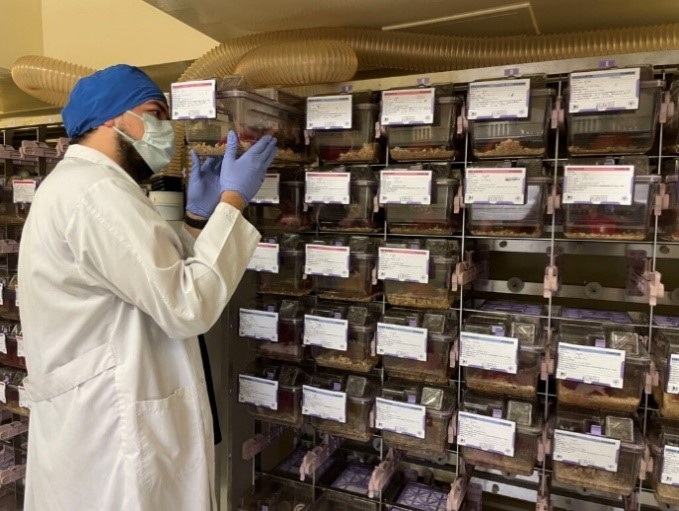
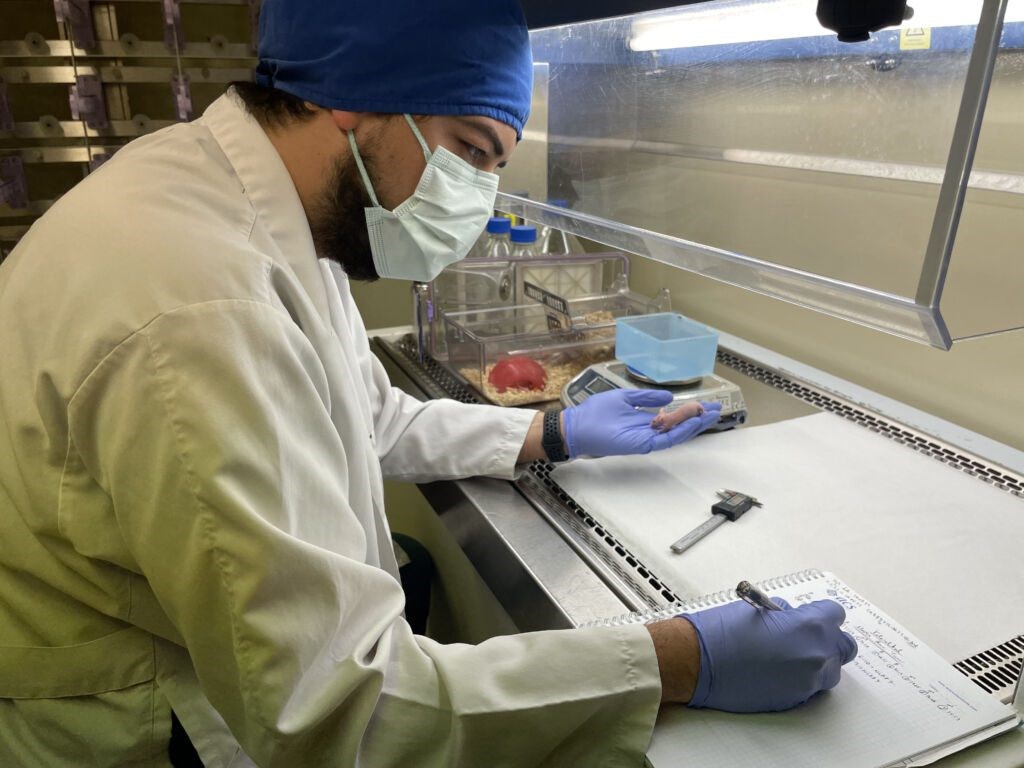
- Test-Analysis Unit
https://lifesci.boun.edu.tr/test-analysis-unit/
Designed to meet the analytical needs of the biotechnology, biomedical, and pharmaceutical industries, it also includes an infrastructure extensively used by academics in their research in these fields.
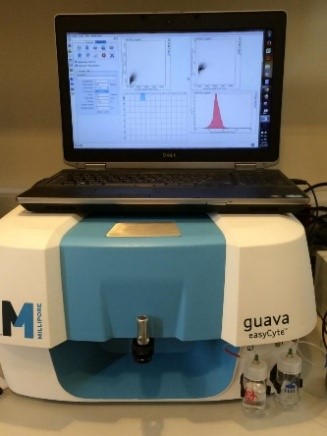
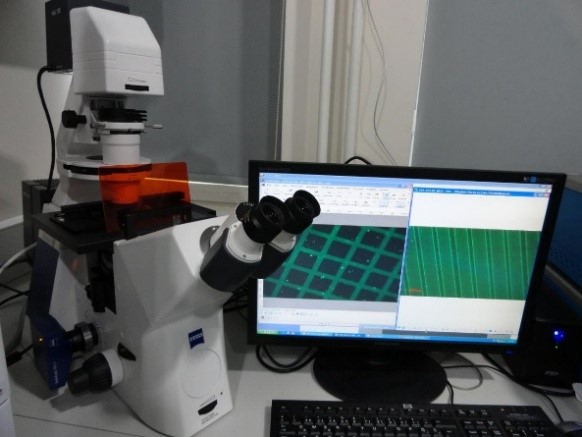
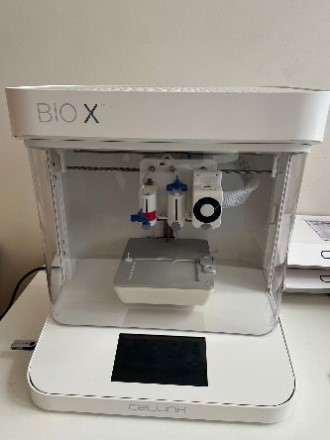
- Targeted Treatment Technologies Animal Imaging Unit
https://lifesci.boun.edu.tr/targeted-treatment-technologies-animal-imaging-unit/
It offers an infrastructure that is unparalleled in its scope. Our country's first preclinical (for use in experimental animals) 7T MR (magnetic resonance) imaging device and PET-CT device (integrated positron emission and computed tomography) are available to researchers and industry.
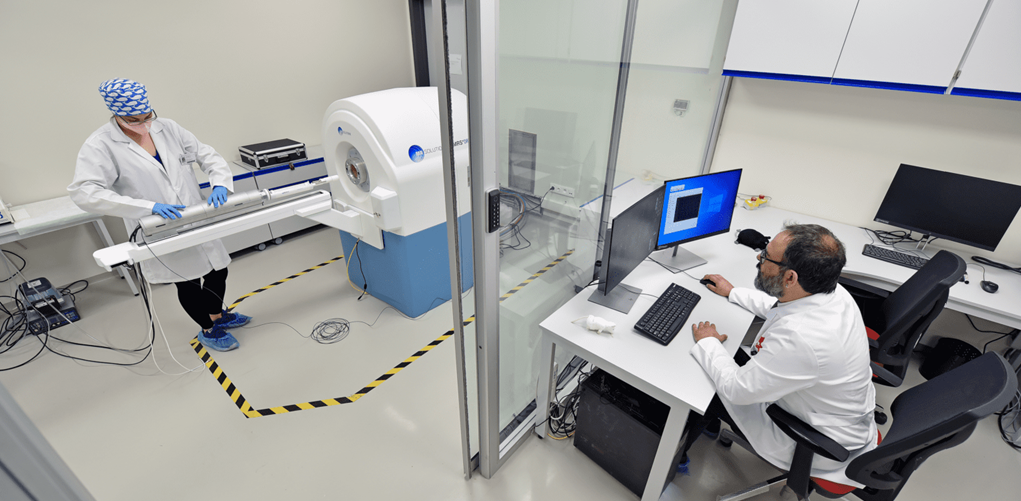
- Pilot Production Facilities
https://lifesci.boun.edu.tr/pilot-production-facilities/
Working closely with Lifesci infrastructures;
Thematic incubation and acceleration programmes supporting entrepreneurs and SMEs have been launched. Within a strategic collaboration framework, these programmes, supported by the IPA project and established in a special Biotech Incubation area within Teknopark Istanbul, are making the transition of academic projects to clinical applications predictable and accelerating the process.
The facilities offer an integrated infrastructure, including 8 independent modular clean room cabinets (providing clean room space up to ISO Class 6), fume cupboards, and biosafety cabinets.
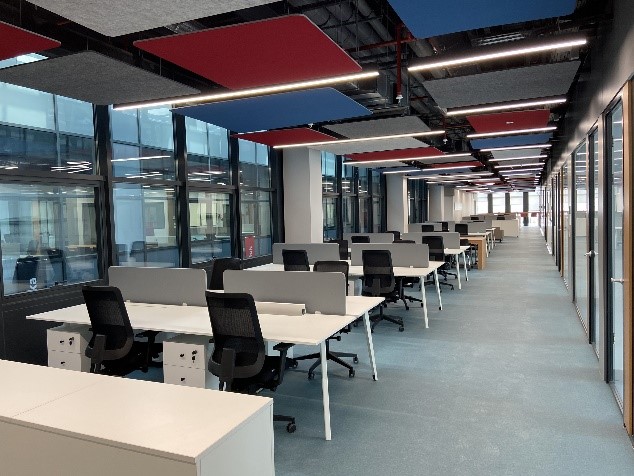
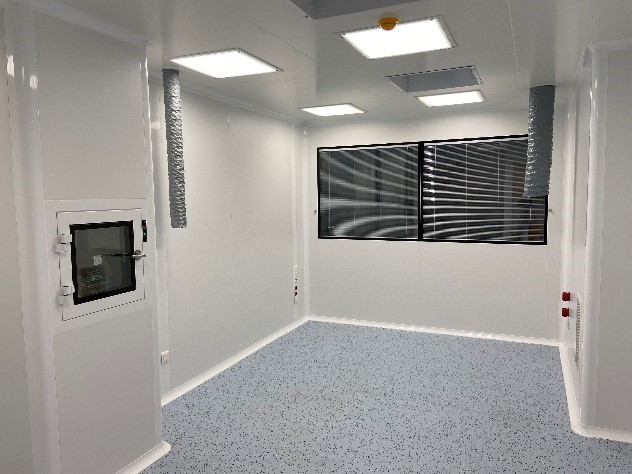
- Microalgae Technologies Centre: Europe's First Carbon-Negative Biorefinery
https://lifesci.boun.edu.tr/microalgae-biorefinery/
https://independent.bogazici.edu.tr/
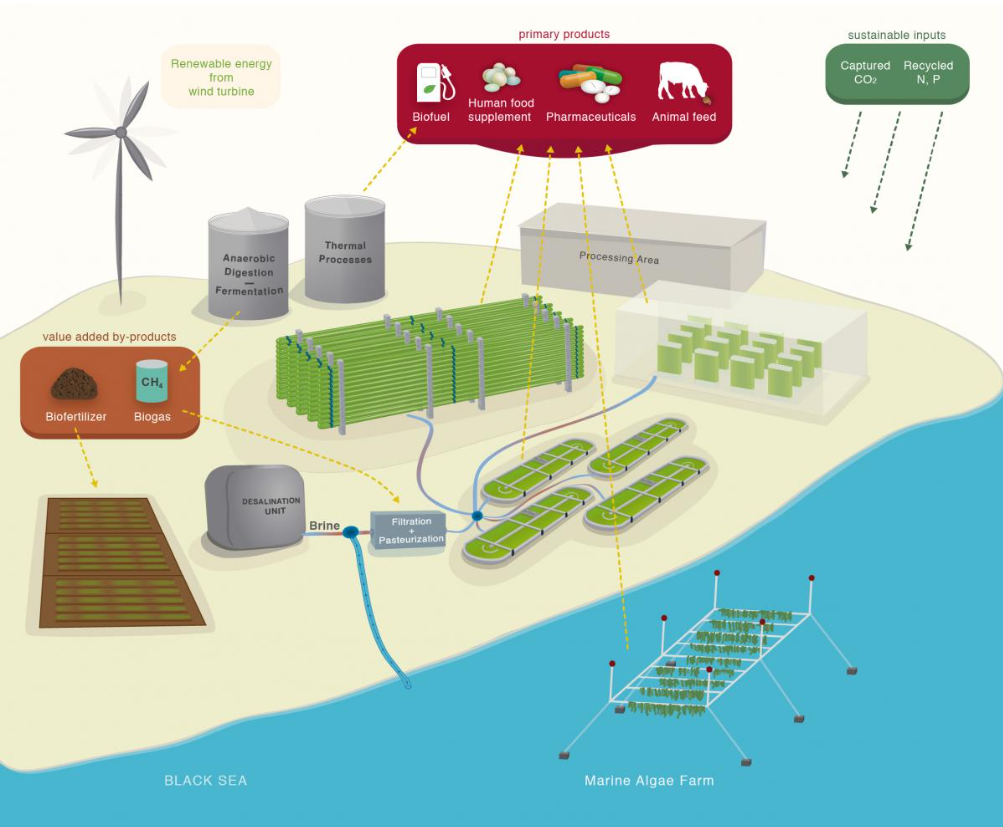
Between 2015 and 2021, the INDEPENDENT Project, implemented under the Competitive Sectors Programme with the support of the Ministry of Industry and Technology of the Republic of Turkey and the European Union IPA funds, was launched with the establishment of a Microalgae Biorefinery and R&D Laboratory Complex at Boğaziçi University's Sarıtepe Campus and BÜN Technopark. Following the completion of the project, the infrastructure began operating in 2021 under the AlgBU brand within the Boğaziçi University Technology Transfer Office and was institutionalised as the Microalgae Technologies Centre in 2023.
Within the scope of the INDEPENDENT Project, Boğaziçi University has pioneered the development of a bioeconomy-focused growth model aimed at reducing dependence on fossil fuels. Focusing on algae-based technologies, the project has established Europe's first carbon-negative biorefinery. Microalgae and macroalgae cultivated in reactors have been used to develop human food supplement products, components with pharmaceutical properties, animal feed applications, organic fertilisers, and biofuels.
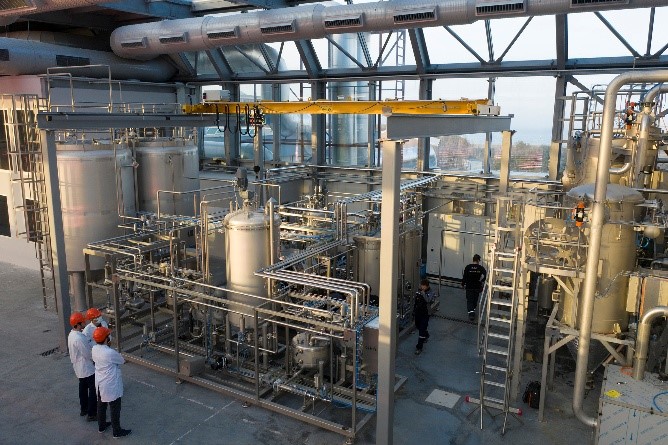
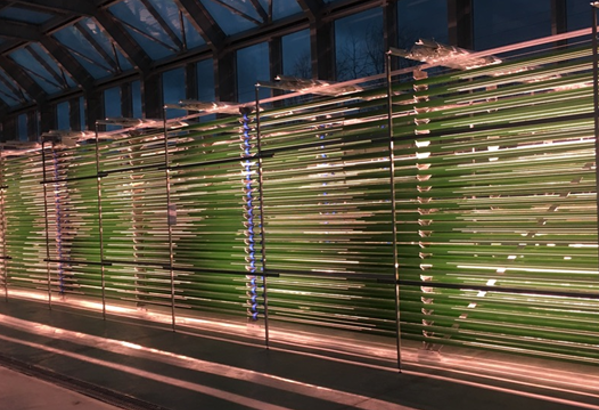
The infrastructure also supports small and medium-sized enterprises (SMEs) within the framework of Public-University-Industry Cooperation (PUIC). It offers algae-based biotechnological products in many sectors, including petrochemicals, cosmetics and textiles, and provides consultancy, project development, know-how transfer, equipment design, product testing and analysis services. Through these activities, it facilitates the commercialisation of low-carbon technologies, generates high economic value from renewable and sustainable resources, and enhances the international competitiveness of SMEs.
- SNG&HydTec Lab (Synthetic Natural Gas & Hydrogen Production Technologies)
https://snghydtec.bogazici.edu.tr/en
The SNG&HydTec Laboratory is a laboratory focused on the design, development, characterisation, and production of catalysts and adsorbents. The primary objective of the SNG&HydTec Laboratory is to conduct research and development (R&D) in the field of efficient, low CO₂ emission energy and fuel production. The laboratory aims to facilitate the transition from R&D to technology application. In addition to energy-related studies, the laboratory also focuses on various solid catalytic processes.
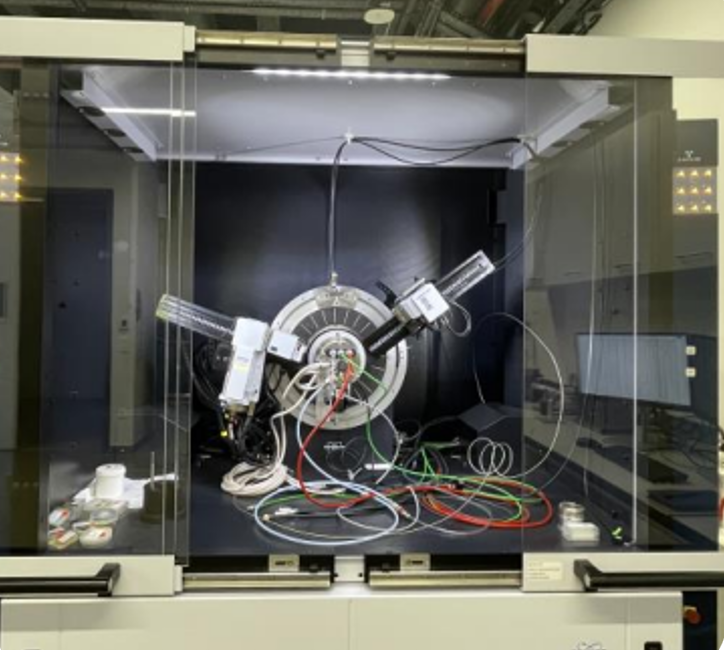
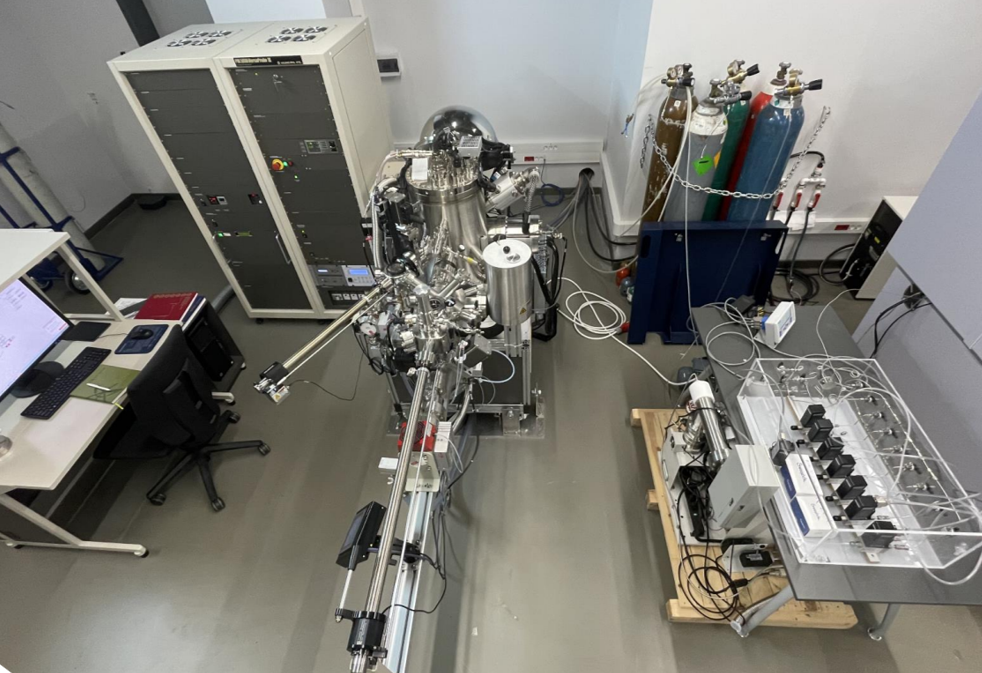
- Laboratories Associated with the Centre
Within Boğaziçi University, there are 35 research laboratories that utilise the infrastructure of the Life Sciences and Technologies Application and Research Centre in their work. The list of these laboratories and their respective websites can be accessed at (https://lifesci.boun.edu.tr/arastirma-gruplari/).
Since its establishment in 2009, the Life Sciences and Technologies Application and Research Centre has placed particular emphasis on university-industry collaboration and has undertaken extensive projects in the Istanbul region within this scope. Foremost among these projects are the ‘İnovita Life Sciences and Technologies Istanbul Cooperation Platform’ project and the ‘İnovita Health Technologies Incubation Centre’ project, supported by the Istanbul Development Agency, the ‘Life Sciences and Technologies University-Industry Researcher Training Programme’ supported by the Ministry of Development, and the İSEK – Istanbul Health Industry Cluster projects. Through these projects, the Centre has taken on the role of an interface between universities, industry and the public sector in the pharmaceutical, biomedical and biotechnology sectors. The Centre's projects can be accessed at (https://lifesci.boun.edu.tr/projeler/).
Advanced Technologies R&D Centre
https://arge.bogazici.edu.tr/en
The Boğaziçi University Advanced Technologies R&D Centre Laboratories is a Service Unit that began operating in 2001 under the auspices of the Boğaziçi University Rectorate, as part of a State Planning Organisation project.
Boğaziçi University Advanced Technologies R&D Centre Laboratories is a unit that provides services to research groups and researchers within Boğaziçi University, as well as to research groups and researchers at universities outside Boğaziçi University and industrial organisations, with its advanced technology surface analysis, microanalysis and detailed characterisation devices. The Boğaziçi University Advanced Technologies R&D Centre laboratories currently house a 400 MHz BB multi-core NMR (Nuclear Magnetic Resonance) spectrometer, a high-resolution XRD (X-ray Diffraction) device with high-capacity ‘multi-purpose’ and ‘high temperature’ attachments, and a Scanning Electron Microscope (SEM) with high resolution (2 nm resolution) that allows samples to be analysed/examined in their natural environment.
-Ray Diffraction) device with high-capacity attachments, and a Scanning Electron Microscope & Energy Dispersive X-ray Analysis System/Image Analysis System ESEM-FEG&EDAX/IPS (Field Emission Gun Environmental Scanning Electron Microscope with full range of EDS Detector -Image Processing System), an AFM (Atomic Force Microscope)-USPM Ambios-Quesant Q-Scope Universal SPM (Scanning Probe Microscope) that enables micro-physical/topographical surface analysis of samples, and Nano Particle Size/Zeta Potential measurement devices used in the analysis of different material types and particle size ranges.
Sabih Tansal High Current Laboratory (2010)
At Boğaziçi University, many electrical devices in the industry-oriented laboratory need to undergo short-circuit testing for safety reasons. These tests typically require currents of tens of thousands of amperes to pass through. This laboratory will be able to perform such tests on electrical devices.
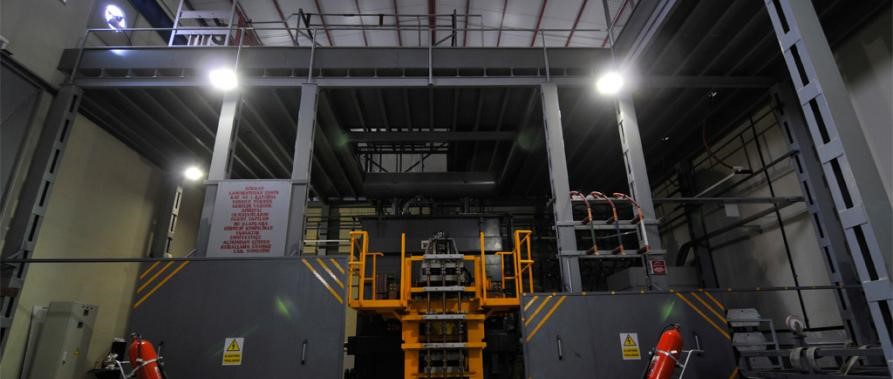
The idea of establishing the High Current Laboratory was proposed in 1985 by the Electrical and Electronics Department, taking into account the high current (Low Voltage, LV) testing needs of the electromechanical industry in our country, and the initial plans were made in collaboration with the CESI Laboratories in Italy. The design work for the Laboratory was completed in 1986, and its core components, including the short-circuit transformer, short-circuit closing switch, measurement shunts, measuring devices, medium-voltage resistors and reactors, were purchased in the 1990s with a loan of approximately $1.2 million from the Islamic Development Bank. Due to budget constraints, energy supply difficulties and rising costs, the laboratory's other deficiencies could not be addressed for a long time, and it could not become operational.
The laboratory, with a total installation cost of approximately $2 million, was completed in early 2010 with the contributions of the Boğaziçi University Rectorate and Foundation, as well as relevant manufacturing companies, primarily the Electrical Panel Manufacturers Association (EPAD), and began trial operations. Despite the long delay in becoming operational, we would like to note that the laboratory is the only independent laboratory in our country capable of testing for 100kA-1s.
In May, short-circuit resistance tests were conducted for materials such as LV thermal magnetic circuit breakers, distribution panels, power transformers, busbars, medium-voltage disconnectors, and LV fuses, with the assistance of two experts from CESI. In the future, the laboratory team will conduct various short-circuit tests on manufacturers' products in accordance with the relevant standards.
The high-current test laboratory obtains its power directly from the Etiler main substation via a line independent of the city grid. In the event of a possible failure or shutdown due to excessive current, only the laboratory's power is cut off; other users are not affected by this situation.
In the laboratory, the short-circuit current is supplied by a specially designed transformer capable of reaching a maximum power of 140MVA. The short-circuit current is adjusted to the desired levels using medium-voltage resistors and reactors connected in series to the primary side of the transformer for values between 16kA and 100kA, and using high-power resistors and reactors connected to the secondary side of the transformer for values below 16kA. The short-circuit current is applied to the product under test via a three-phase short-circuit switch (making switch) with a special contact structure and hydraulic operation. The opening and closing of the switching elements, their dwell times, and synchronisation are adjusted via a synchronisation device and its own software. The short-circuit current is measured via shunt resistors connected to the low-voltage side of the transformer. Measurements and measurement records are recorded using a special waveform analyser with a very high sampling rate.
The laboratory's accreditation work according to the IEC 17025 standard began in May with training received from TSE.
TECHNOPARKS
Boğaziçi University Technopark
Boğaziçi Technopark was established in 2010 with the aim of playing a pioneering role in the field of advanced technology and innovation, leveraging Boğaziçi University's long-standing history and robust infrastructure. The technology park hosts numerous companies operating in diverse sectors, ranging from earthquake research to communications, design to software, energy to medical research, all with the aim of conducting R&D activities and producing scientific knowledge and technology. Numerous research assistants and faculty members from different disciplines involved in projects carried out at the Technology Park work to transform the scientific knowledge gained from academic studies into technology. Boğaziçi University's rich library, extensive laboratory facilities and international connections are the driving force behind the projects carried out at the Technology Park.
For detailed information: https://bogaziciteknopark.com/
BÜDOTEK Technology Park
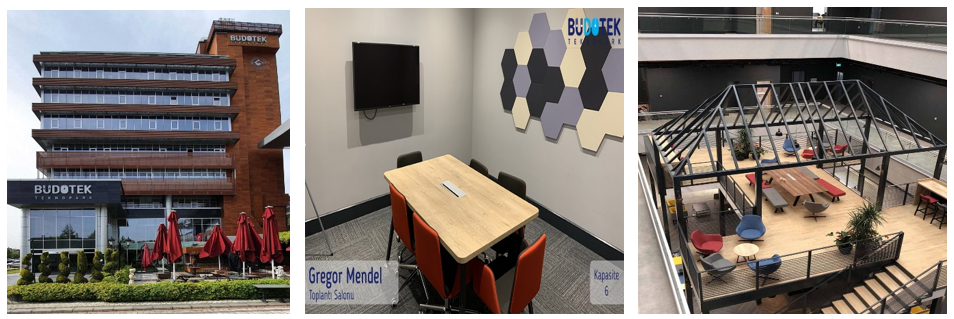
BÜDOTEK (Dudullu OSB Boğaziçi University Technology Park Inc.) was established on 2 October 2018 as a joint venture between Boğaziçi University, Dudullu Organised Industrial Zone, and Boğaziçi University Foundation. Integrating Boğaziçi University's academic expertise and research infrastructure with the industrial production capacity of the Dudullu Organised Industrial Zone, BÜDOTEK facilitates high-quality R&D activities and university-industry collaboration.
For detailed information: www.budotek.com.tr
ENTREPRENEURSHIP OFFICES
The Boğaziçi Entrepreneurship Offices, operating within the Boğaziçi University Technopark, are continuously open to applications from all entrepreneurs. Start-ups supported through the Boğaziçi University Technopark can benefit from mentoring and training services, as well as the university's infrastructure facilities.
Some of the advantages offered to entrepreneurs are as follows:
- Offices and Co-working Spaces: Modern, fully equipped, rent-free or discounted office spaces, meeting rooms and shared workspaces.
- Training and Seminars: Entrepreneurship-focused training programmes offered in both online and face-to-face formats.
- Mentoring and Consultancy: One-to-one mentoring and consultancy services provided by experts in business development, strategy, marketing and financial planning.
- Technical Infrastructure: High-speed internet, laboratories and other technical facilities.
- Financial Support and Investor Network: Access to various funding sources and opportunities to connect with investors to bring projects to life.
- Prototype and Product Development Support: Technical and logistical support in product development and prototyping processes.
- Technology Transfer Consultancy: Expert guidance in the technology transfer process to commercialise innovations derived from academic research.
- Patent and Intellectual Property Consultancy: Support and guidance on patents and intellectual property rights to protect innovative ideas.
- Networking and Collaboration Opportunities: Opportunities to collaborate and network with other entrepreneurs, industry professionals, and the academic community.
- International Access: Guidance and support for entrepreneurs wishing to enter international markets.
You can access the Entrepreneurship Office web pages via the following links:
Kandilli Entrepreneurship Office
Etiler Entrepreneurship Office
Batman Entrepreneurship Office
INCUBATOR CENTRE
The Incubator Centre offers a unique support environment for entrepreneurs and innovative projects, supporting the entrepreneurial activities of researchers and students. One of the greatest challenges of entrepreneurship is the transition from the idea stage to practical application. Boğaziçi University, thanks to its organisational structure that effectively runs incubation services for entrepreneurs and the ecosystem it has created, works in collaboration with various stakeholders. In this context, entrepreneurs are offered various forms of support, such as mentoring, modern office spaces, technical infrastructure, and access to financial resources, from the idea stage to the commercialisation process.
For detailed information: https://kulucka.bogaziciteknopark.com/
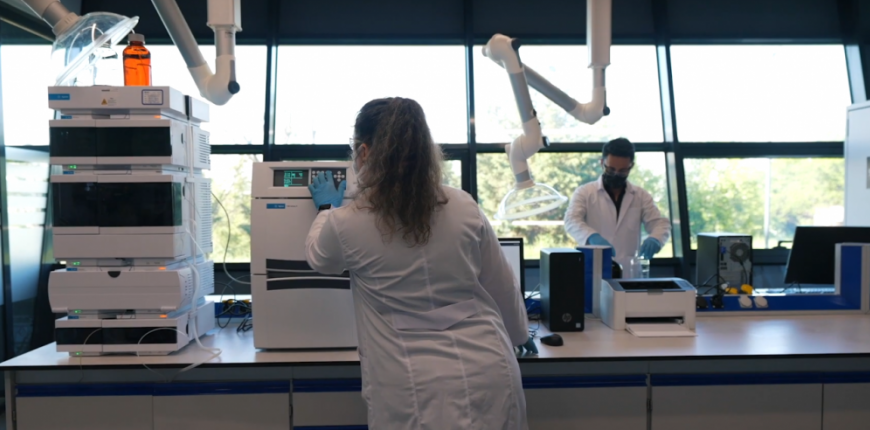
NEWS
BOĞAZİÇİ UNIVERSITY RANKED 81ST IN THE WORLD IN THE 2026 INTERDISCIPLINARY SCIENCE RANKINGS
Boğaziçi University has achieved another significant success in the 2026 Interdisciplinary Science Rankings (ISR), prepared in collaboration with Times Higher Education (THE) and Schmidt Science Fellows. The university rose from 90th place last year to 81st place this year, strengthening its global impact in interdisciplinary science production.
Two Strategic Dynamics Behind the Rise
Boğaziçi University's leap in the ISR 2026 was supported by two key factors. The first is a strong financial infrastructure. The university demonstrated its institutional investment in interdisciplinary scientific production by achieving a high performance of 77.3 points in the ‘Inputs’ category, which evaluates research funds and industry support, in 2025. This infrastructure provided a strong foundation for analysis, publication, and collaboration outputs.
The second factor was the advantage gained from an expanded methodology. The methodological updates in 2026 covered not only multiple STEM disciplines but also research intersecting with fields such as Social Sciences, Education, Psychology, Law, and Economics. Boğaziçi University's strong rankings in these fields (Education – 151–175; Social Sciences – 251–300) provided the university with a strategic advantage alongside this expansion. The positive reflection of projects bringing together science and social sciences on global impact scores was a significant factor supporting this rise.
Strengthening Its Position on the Global Science Stage
With these results in ISR 2026, Boğaziçi University has once again demonstrated its place among the world's leading universities in multidisciplinary research. The university continues to increase its global visibility with research that pushes the boundaries of scientific discovery and to produce innovative solutions to pressing global issues.
Click here to go to the news page.
BOĞAZİÇİ UNIVERSITY MAKES HISTORIC RISE IN THE 2026 WORLD UNIVERSITY RANKINGS!
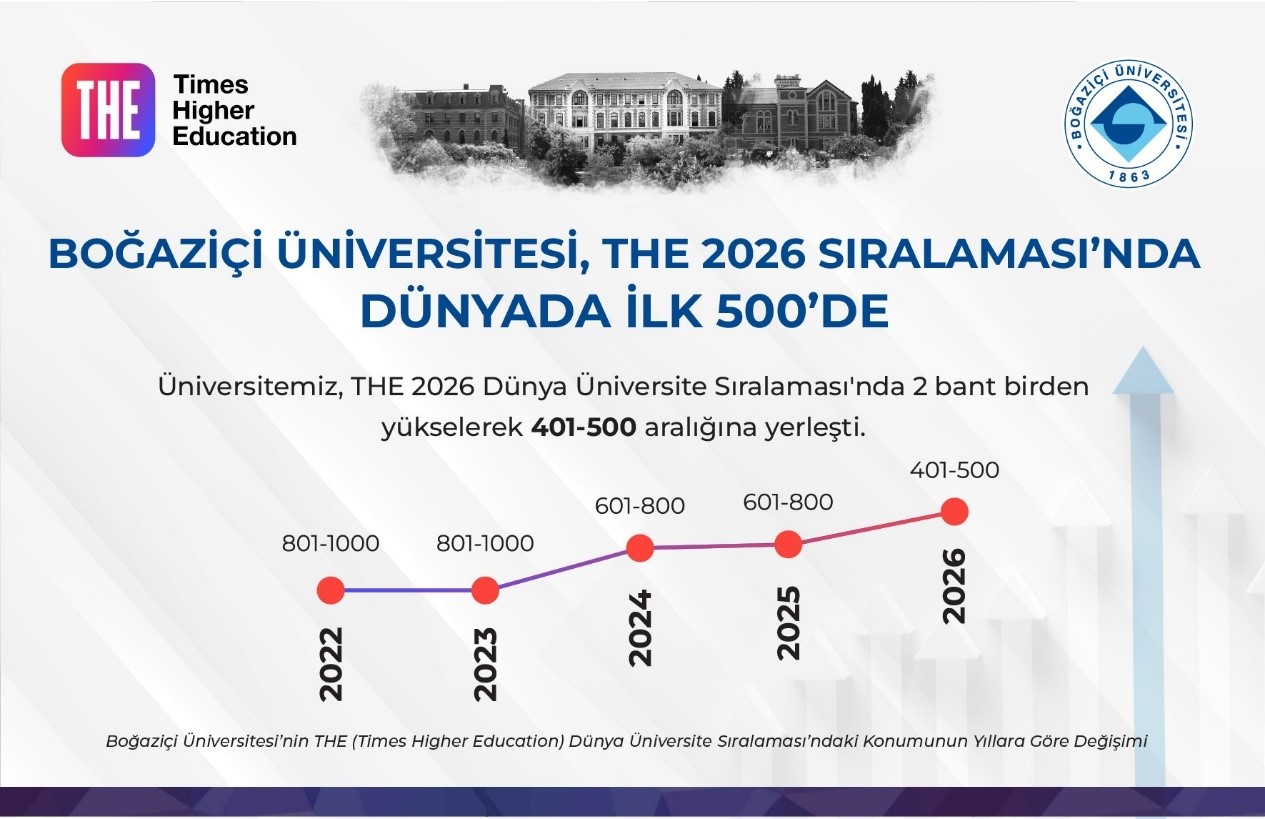
According to the results announced by Times Higher Education (THE), one of the world's most respected higher education ranking organisations, Boğaziçi University has risen two places from its position in the 601–800 range last year to the 401–500 range.
This achievement confirms Boğaziçi University's upward trajectory on a global scale, following its historic high of 371st place in the QS World University Rankings 2026 earlier this year.
Research-Focused Growth Model Gains Strength
According to THE 2026 results, Boğaziçi University showed a significant increase in the ‘Research Environment’ and ‘Research Quality’ categories, which account for 59% of the total score. High scores were particularly noted in the sub-components of the ‘Research Quality’ area: Research Excellence (78/100), Research Strength (75/100) and Research Impact (78/100). These data reveal that Boğaziçi University's capacity for scientific production with a high impact value on an international scale has steadily increased.
Holistic Development Strategy: The Key to Success
Boğaziçi University's success stems not only from its improved research performance but also from its strong performance in the areas of ‘Education,’ ‘International Visibility,’ and ‘Industry.’
Boğaziçi University showed a balanced rise in all sub-categories of the ranking. For example, it rose from 502nd to 338th place in the ‘Research Environment’ category and ranked 156th globally in the ‘Industry’ category thanks to an increase in industrial collaborations and project partnerships.
Therefore, Boğaziçi University's success is a reflection of its balanced and comprehensive leap across all areas of activity that constitute its core mission, rather than rising in a single area. The university has made progress across a wide range of areas, from education and teaching to the research environment, international collaborations and integration with industry.
Click here to go to the news page.
BOĞAZİÇİ UNIVERSITY AMONG THE WORLD'S TOP 300 UNIVERSITIES IN 4 FIELDS
Times Higher Education (THE) has announced the results of its 2026 Subject-Based World University Rankings. Our university has achieved another multi-faceted success, ranking among the top 250 in Education and Social Sciences, and among the top 300 in Business-Economics and Humanities.
In the 2026 World University Rankings by Subject, published by the prestigious higher education ranking organisation Times Higher Education (THE), which evaluates the performance of higher education institutions on a global scale, Boğaziçi University achieved a remarkable rise with its breakthroughs in research quality and industry collaborations. The university jumped 200 places in the overall ranking compared to previous years, placing it in the 401-500 band.
This success was achieved under THE's new evaluation methodology, dubbed ‘WUR 3.0,’ which focuses on research quality, knowledge production, and patent impact. Boğaziçi University stood out with its strong research infrastructure, interdisciplinary production capacity and high-quality academic output in line with this approach. The results once again demonstrated that the university's research ecosystem has a sustainable and internationally competitive structure.
Click here to go to the news page.
‘THE POWER OF THE FUTURE: DEEP TECHNOLOGY HUB’
The Boğaziçi University Kandilli Science, Technology and Research Building, inaugurated by President Recep Tayyip Erdoğan, is positioned as a new advanced technology centre aimed at strengthening Turkey's research and development and domestic technology production capacity. Spanning approximately 10,000 m² across 4 blocks, the structure comprises 3,600 m² of specialised laboratory space and 800 m² of incubation space, conducting activities in strategic areas such as healthcare, clean energy, defence industry, and artificial intelligence-based applications.
Unlike traditional laboratory concepts, the centre is designed to facilitate project-based and interdisciplinary work. Shared spaces and specialised research infrastructure take precedence over individual office allocations. The building, realised with the support of the Presidency of Strategy and Budget of the Republic of Turkey, aims to strengthen academia-industry collaboration and facilitate access to advanced testing and analysis infrastructure, particularly for SMEs. It represents a new focal point for modern research vision within the historic Kandilli Observatory campus.
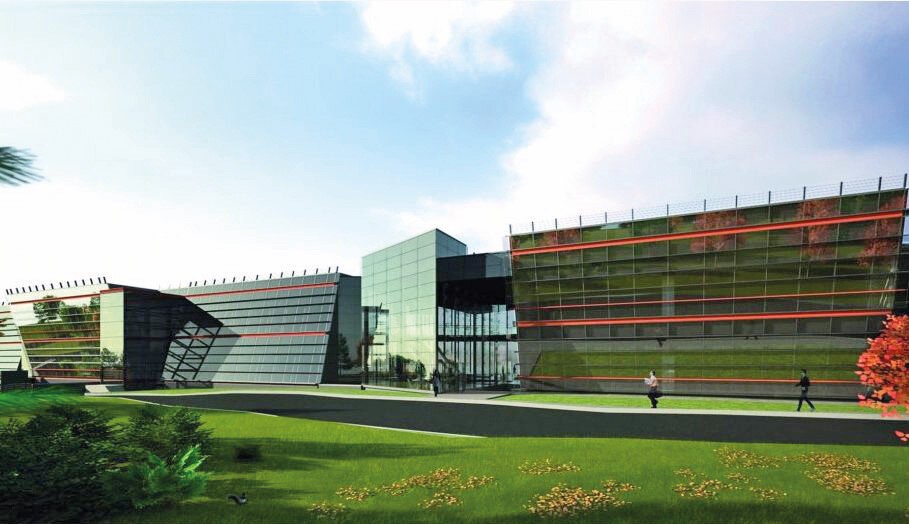
Health Technologies and Life Sciences
The Life Sciences and Technologies Application and Research Centre (LifeSci), operating within the building, conducts advanced research into the diagnosis and treatment of many diseases, particularly cancer. The centre's infrastructure comprises six units: LifeSci, Medical Device Development (Clean Room) Unit, Laboratory Animal Care and Production Unit (Vivarium), Testing and Analysis Unit, Targeted Therapy Technologies Laboratory Animal Imaging Unit, Pilot Production Facilities, and Microalgae Biorefinery.
This structure enables the entire research chain, from the scientific idea stage to the clinical trial process, to be carried out under one roof. The centre aims to contribute to the development of the national health industry by providing open services to researchers and companies both within and outside the university. One of the main objectives is to reduce dependence on external sources in health technologies and to ensure that research outputs are quickly transferred to industry.
Artificial Intelligence-Supported Medical Systems
Another research laboratory at the centre, DeepMIA Lab, works on deep learning, medical image analysis, digital pathology, medical robotics and targeted drug delivery systems. In this context, artificial intelligence models integrating radiology, pathology, oncology and genetic data are being developed. Algorithms are being trained to provide predictions regarding the subtype of cancer, its progression, and response to treatment. Digital pathology archives are being created to establish a high-volume, labelled data infrastructure. Research is being conducted on targeted drug injection using capsule robots that can move inside the body. This approach aims to both increase diagnostic accuracy and develop personalised treatment models with reduced side effects.
Defence Industry and Accelerator Technologies
The ‘Kandilli Detector Accelerator and Instrumentation Laboratory (Kahve-Lab)’ team works on experimental particle physics in large colliders and on small particle physics detectors and accelerators. The laboratory divides its projects into two categories: Proton and Electron projects. While the Proton section continues its work on creating heavy ion beams for more scientific research, the Electron section is working on technologies for more industrial applications by creating electron beams. Focused and accelerated electrons can be used in areas such as precision welding applications, material processing and sterilisation in the defence and aerospace industries.
Clean Energy and Synthetic Natural Gas
The Centre's ‘Synthetic Natural Gas and Hydrogen Production Technologies Laboratory (SNG&HydTec Lab)’ focuses on synthetic natural gas production from coal and hydrogen technologies. The objectives include: producing cleaner fuel from low-calorific lignite coal, reducing greenhouse gas emissions, producing carbon monoxide-free hydrogen, and fuel cell-based energy conversion systems. The laboratory offers a broad infrastructure with advanced catalytic and energy conversion devices, which are rare in Turkey. By opening this infrastructure to other researchers and industrial organisations, the aim is to increase scientific production and create a sustainable self-financing model.
Defined as a ‘Deep Technology Hub,’ the Kandilli Science, Technology and Research Building creates a comprehensive research ecosystem that contributes to Turkey's national technology initiative vision through its interdisciplinary research model, academia-industry integration, focus on strategic sectors such as health, defence and energy, and advanced testing and analysis infrastructure open to SMEs. The centre is not merely an internal university investment; it is positioned as a strategic scientific infrastructure aimed at enhancing national R&D capacity and accelerating advanced technology production.
