

17.2.5 Collaboration with NGOs for SDGs
Boğaziçi University's Collaboration with NGOs for Sustainable Development Goals (SDGs)
In line with the Sustainable Development Goals (SDGs), Boğaziçi University collaborates with non-governmental organisations (NGOs) within the scope of various projects and volunteer work. These collaborations are carried out in various ways such as volunteer student programmes, research projects and development of educational resources.
1. A Multi-Stakeholder Partnership for Climate-Resilient Agriculture
Boğaziçi University is leading a research project to support climate-resilient agriculture through nature-based solutions, in partnership with Mersin Chamber of Commerce and Industry, Rize Municipality and the Alata Horticultural Research Institute. Developed by Prof. Levent Kurnaz, Dr. Nazan An and Dr. Tufan Turp from the university’s Center for Climate Change and Policy Studies, the project, titled “Nature-based Solutions for Climate-Resilient Agriculture: Pest Control through Wood Vinegar Application”, secured funding under the EU–Türkiye Climate Change Grant Programme.
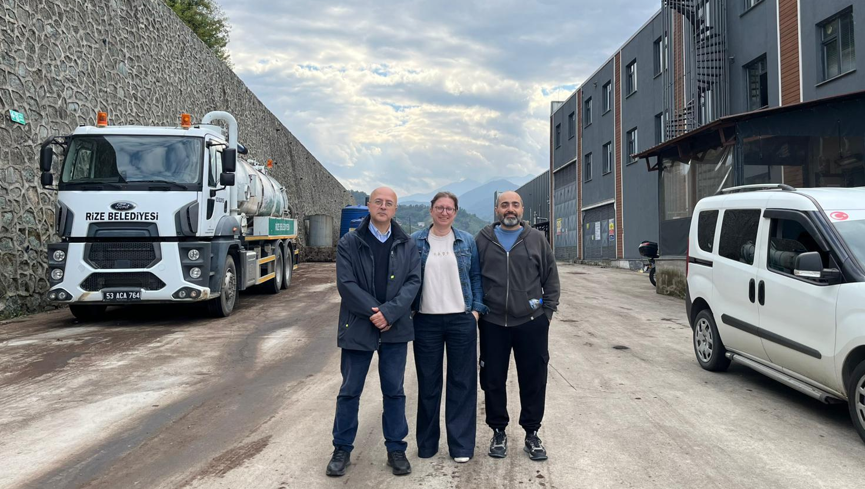
The 24-month project, to be implemented in Rize, Giresun/Ordu and Mersin, aims to develop wood vinegar derived from tea waste as an environmentally friendly alternative for controlling agricultural pests whose spread is increasing with climate change. This approach seeks to reduce chemical pesticide use in tea, hazelnut and citrus production, strengthen agricultural resilience to climate change and recover value from agricultural waste through a circular economy approach.

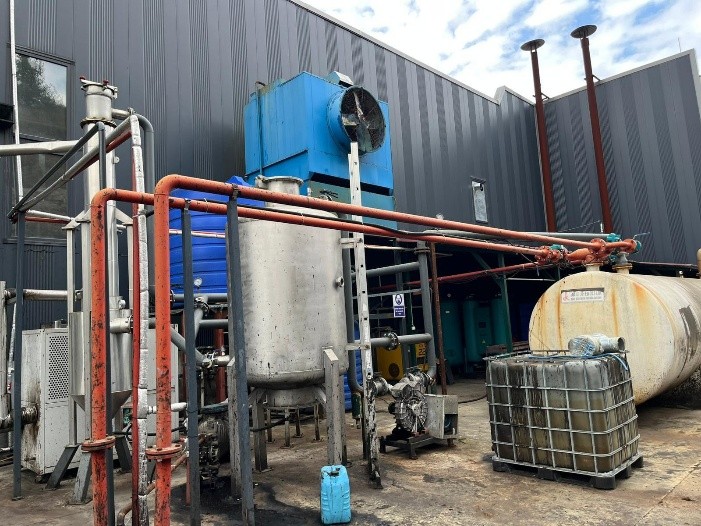
Funding is provided within the “EU Partnership for Local Climate Action in Türkiye” project, financed by the Republic of Türkiye and the European Union and implemented by the Ministry of Environment, Urbanisation and Climate Change with support from the United Nations Development Programme (UNDP). By bringing together a university, a professional organisation representing the business community, a local authority and an agricultural research institute, the partnership aims to translate scientific knowledge into sustainable agricultural practices.
Designed in alignment with Türkiye’s 2024–2030 national mitigation and adaptation strategies, the 12th Development Plan and the EU Green Deal’s Farm to Fork Strategy, the project aims to contribute to SDG 2, SDG 12, SDG 13 and SDG 17 through collaborative research addressing sustainable agriculture, responsible production and climate resilience.
The full news article is available here.
2. Collaboration with NGOs on Democratic Citizenship Education through DeCiTeL
Coordinated by Boğaziçi University and involving 12 partners from seven countries, the DeCiTeL Teacher Academy project on democratic citizenship teaching and learning is supported under the EU Erasmus+ Programme’s Teacher Academy call. The project aims to advance teacher education through a multi-stakeholder approach. As part of this work, a Stakeholder Meeting held at Boğaziçi University on 22 January 2026 brought together representatives of civil society, public institutions and academia to exchange perspectives and experience on strengthening democratic citizenship education.
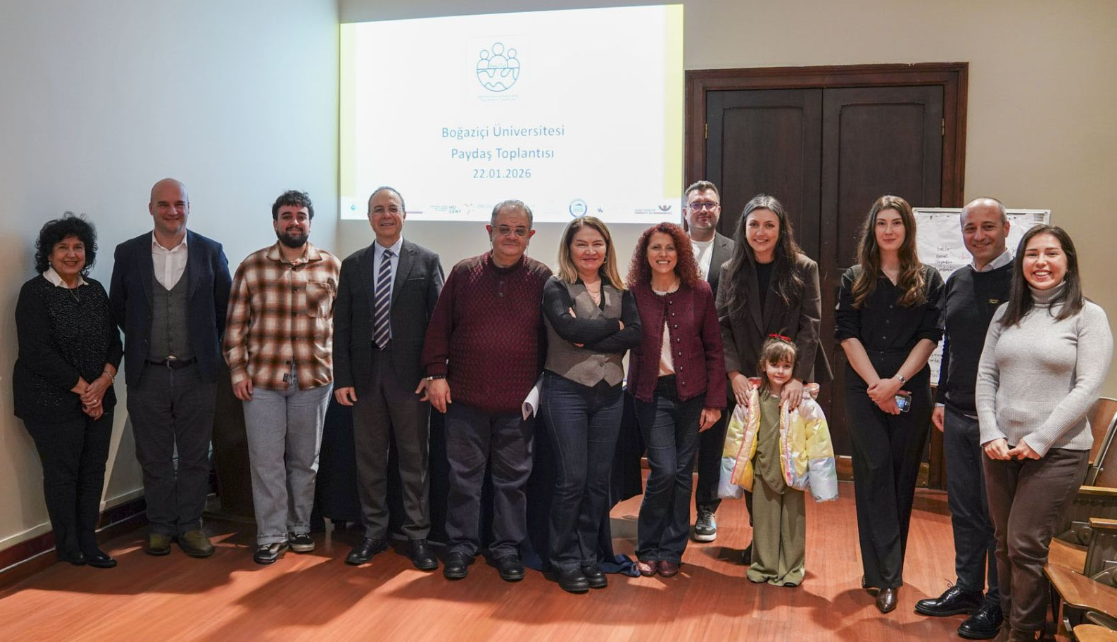
Participants included the Educational Volunteers Foundation of Türkiye (TEGV) and the Community Volunteers Foundation (TOG), alongside Enstitü İstanbul İSMEK, the Press Council, the UN Sustainable Development Solutions Network (UN SDSN) and the Istanbul Provincial Directorate of National Education. Their participation brought civil society organisations’ experience in education into dialogue with perspectives from local government, the media, a sustainability network and public education stakeholders.
Project coordinator Dr. Tamer Atabarut and the research team presented the project’s objectives, activities in Türkiye and plans for the coming period. Building on these presentations, participants shared recommendations on democratic citizenship education, teacher education policies, civil society–public sector–university collaboration and sustainable local learning ecosystems. The discussions provided a foundation for potential joint work on global citizenship, European citizenship, human rights, peace education and digital citizenship within teacher education.
This participatory approach incorporates NGOs’ experience and expertise into the development of teacher education, with further consultation and collaboration meetings planned throughout the project. The resulting outputs are intended to inform teacher education, local learning ecosystems, policy development and dissemination activities.
The full news article is available here.
3. DIGI4AGE: Partnering with Civil Society for Digital Innovation in Healthy Ageing
Coordinated by Boğaziçi University, the DIGI4AGE Project brings together academia, civil society, public authorities and the private sector to support healthy ageing through contemporary digital technologies. Its partners include the Istanbul Health Industry Cluster Association (İSEK) and the Turkish Employers’ Association of Metal Industries (MESS). The consortium also includes Boğaziçi University’s Targeted Therapy Technologies Centre (HTTM), Teknopark İstanbul, the Istanbul Provincial Health Directorate, Radius Bilgisayar ve Yazılım, and Biyomod Biyomedikal. This partnership connects the university’s research and technology development capacity with civil society organisations’ sectoral knowledge, public institutions’ experience and companies’ practical expertise.
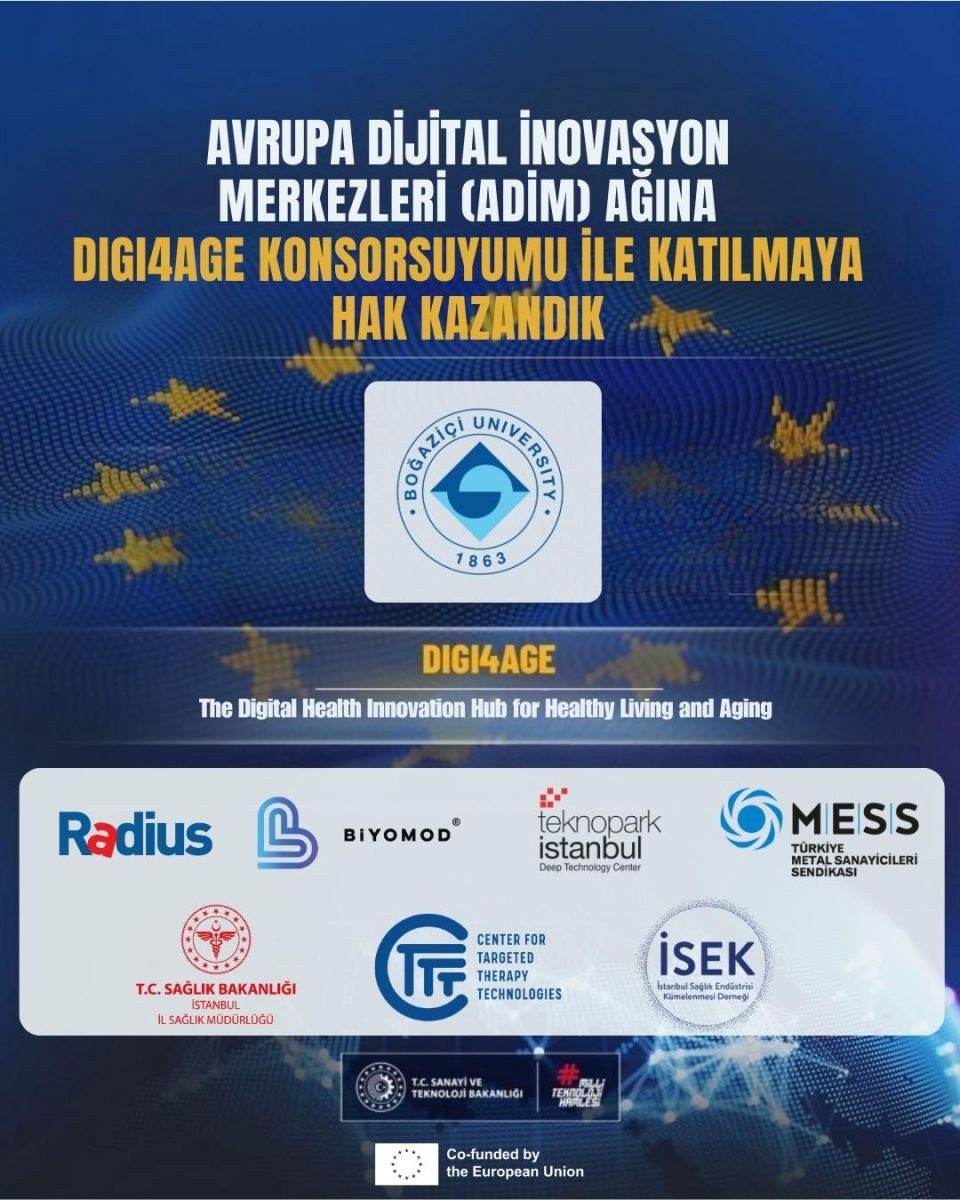
Supported under the Digital Europe Programme and coordinated nationally by Türkiye’s Ministry of Industry and Technology, DIGI4AGE was accepted into the European Digital Innovation Hubs (EDIH) network, becoming Türkiye’s first EDIH dedicated to healthcare. Following the network’s “test before invest” approach, the project aims to provide testing and pilot opportunities, training and skills development programmes, advice on access to finance, and connections to collaboration networks across Europe.
DIGI4AGE aims to develop locally developed digital solutions for healthy ageing and support Türkiye’s healthy ageing tourism potential through high-value services. By involving civil society organisations alongside academic, public and private partners, the project connects health, digital skills and innovation, seeking to contribute to Good Health and Well-being, Decent Work and Economic Growth, Industry, Innovation and Infrastructure, and Partnerships for the Goals.
The full news article is available here.
4. ENLIGHT-AI: Collaboration with MESS on AI Research for Neurodegenerative Diseases
Coordinated by Boğaziçi University, with the Turkish Employers’ Association of Metal Industries (MESS) as a strategic partner, ENLIGHT-AI secured funding under the Horizon Europe WIDERA Twinning 2026 call. The project is led by Associate Professor Yavuz Acar, a faculty member in the Department of Management and Director of the university’s JEDI research centre. Its other partners are Instituto Tecnológico de Aragón (Spain), Radboud University Medical Center (the Netherlands) and KU Leuven (Belgium). The partnership aims to connect Boğaziçi University’s expertise in data science and AI with international research in medicine and neuroscience.
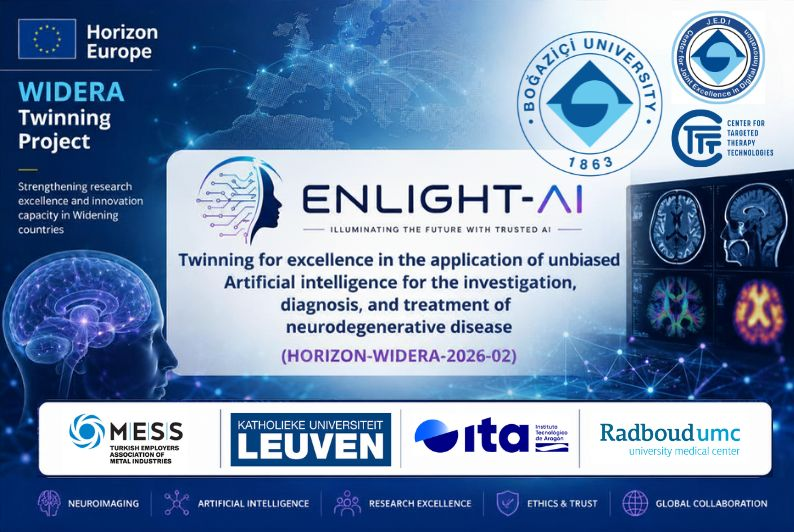
Involving the university’s Joint Excellence in Digital Innovation Research Centre (JEDI) and Boğaziçi Center for Targeted Therapy Technologies (Boğaziçi CT³), the project focuses on developing unbiased, reliable and explainable AI for the investigation, early diagnosis and personalised treatment of neurodegenerative diseases, including Alzheimer’s and Parkinson’s. It also aims to validate AI tools using multimodal imaging data in clinical and preclinical settings. The MESS Technology Centre will contribute expertise in AI engineering, data management, reproducible data workflows and the transfer of technologies into real-world settings.
These research objectives will be supported through researcher training, international researcher exchanges, summer and winter schools, expert visits and activities to strengthen research management capacity. A total of €779,875 will be allocated to the two beneficiaries in Türkiye: Boğaziçi University and MESS. By combining research with education and capacity development, the project aims to strengthen health research capacity, knowledge exchange and sustainable international research networks through collaboration between academia and an employers’ organisation.
The full news article is available here.
5. International Collaboration for Earthquake Science and Early-Career Researcher Training
Boğaziçi University’s Kandilli Observatory and Earthquake Research Institute (KOERI) supports earthquake research and early-career researcher training through collaboration with international scientific organisations and universities. Collaboration with ORFEUS, a non-profit foundation promoting seismology, and Geo-INQUIRE, a Horizon Europe-funded research project, brought together scientific knowledge exchange and research capacity development. Held at the Kandilli Campus on 3–5 September 2026, the ORFEUS & Geo-INQUIRE training and workshop programme brought together approximately 80 seismologists and earthquake engineers from different countries.
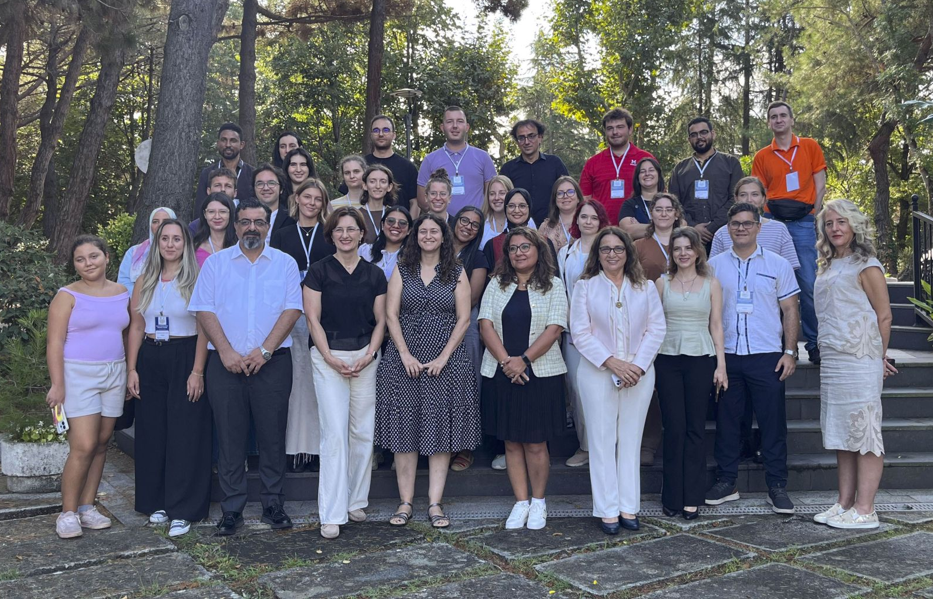
Kandilli also hosted the Peter Bormann Young Seismologist Training Course (YSTC) on 31 August–5 September 2026, welcoming 40 early-career researchers from 20 countries, including 28 participants from abroad. Academics from Middle East Technical University and Hacettepe University contributed alongside KOERI researchers. The programme combined theoretical teaching with practical training in engineering seismology and strong ground motion; earthquake source mechanisms and near-fault effects; site characteristics and ground motion simulations; seismological data analysis, earthquake risk and structural dynamics; and tsunami observation and modelling.
These complementary events enabled early-career researchers to learn from international experts, build professional networks and establish connections for future research collaborations. They were followed by the 40th General Assembly of the European Seismological Commission (ESC 2026), held in Istanbul on 6–11 September 2026, which brought together hundreds of researchers from more than 60 countries. By connecting a non-profit foundation, a research project and universities, these collaborations strengthened scientific capabilities relevant to understanding disaster risks and supported Quality Education, Sustainable Cities and Communities, and Partnerships for the Goals.
The full news article is available here.
6. Supporting Early-Career English Language Instructors through Collaboration with Eaquals
Boğaziçi University’s School of Foreign Languages (YADYOK) Preparatory Division organised a two-day professional development programme titled “Empowering Early-Career EFL Instructors in Higher Education”, supported by the Eaquals Member Event Fund. Held at the university’s South Campus, the programme aimed to support university English language instructors during the early stages of their teaching careers. Drawing on its extensive language teaching experience, the Eaquals-accredited YADYOK Preparatory Division provided a practical learning environment for instructors from different universities.
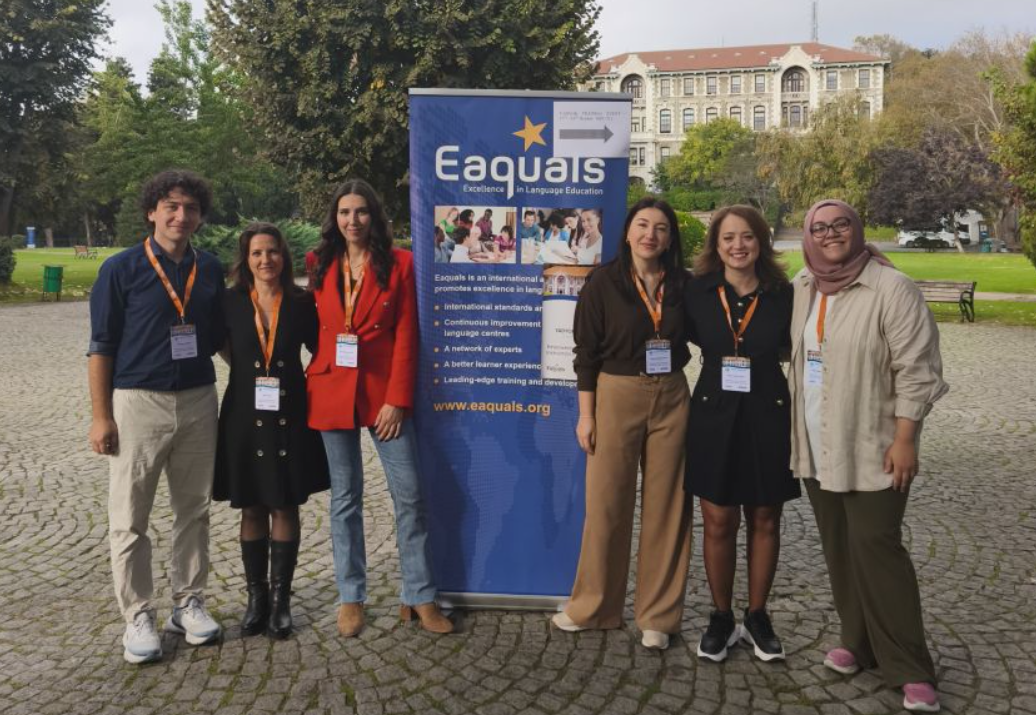
The programme brought together 24 instructors from 19 universities across Türkiye for eight interactive workshops delivered by experienced YADYOK instructors. Designed around participants’ everyday teaching needs, the sessions addressed lesson planning, classroom presence, effective feedback and the challenges of translating knowledge acquired through postgraduate study into classroom practice. The workshops enabled participants to reflect on their teaching, compare approaches with colleagues and acquire techniques they could apply directly in their classes.
By bringing together Eaquals support, Boğaziçi University’s teaching expertise and the experience of participants from different universities, the programme connected professional development with knowledge exchange across institutions. It strengthened participants’ professional confidence and sense of belonging to a teaching community while contributing to a collaborative and sustainable approach to English language teaching in higher education. The initiative illustrates how collaboration between a non-profit professional association and a university can support educators and strengthen the quality of education.
The full news article is available here.
7. China–Türkiye Forum: Academic and Cultural Collaboration with Civil Society Support
Organised by the Confucius Institute at Boğaziçi University (CIBU) in collaboration with the Boğaziçi University Asian Studies Centre, the 2025 China–Türkiye Forum took place on 8 December 2025. Supported by the Turkish–Chinese Business Association and Jingdezhen Store’s Türkiye branch, the forum brought together academics and experts to advance scientific and cultural exchange between the two countries. The event combined contributions from academia, civil society and the private sector within a shared platform for academic dialogue.
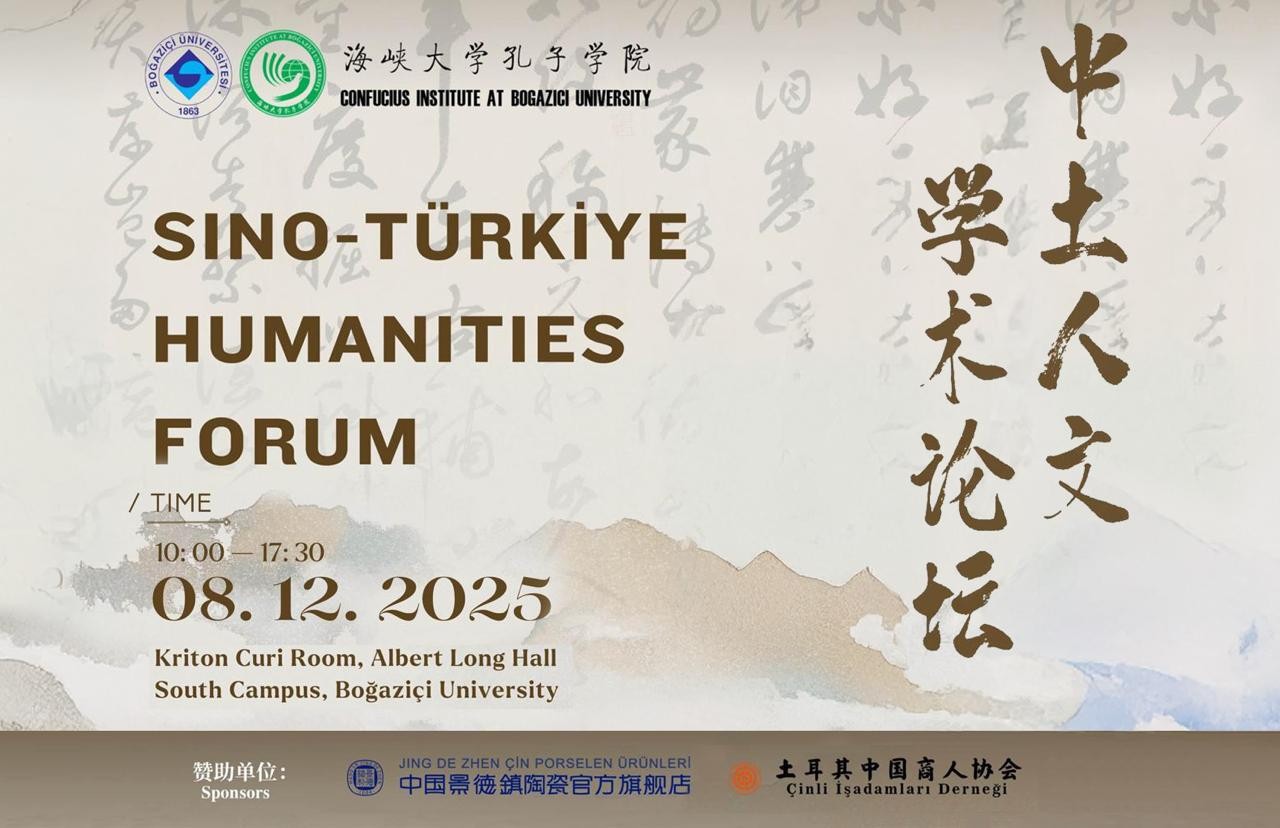
The programme featured three panels addressing global media flows and performance studies; Sinology research and China–Türkiye academic exchange; and texts, historical transformations and cultural interactions across Eurasia. Presentations explored the role of media, performance and digital markets in transnational cultural exchange, alongside current research trends in Sinology and processes of mutual learning. Discussions also covered Chinese writing culture, historical documents and Islamic reformism in modern China, enabling participants to share interdisciplinary knowledge and research perspectives.
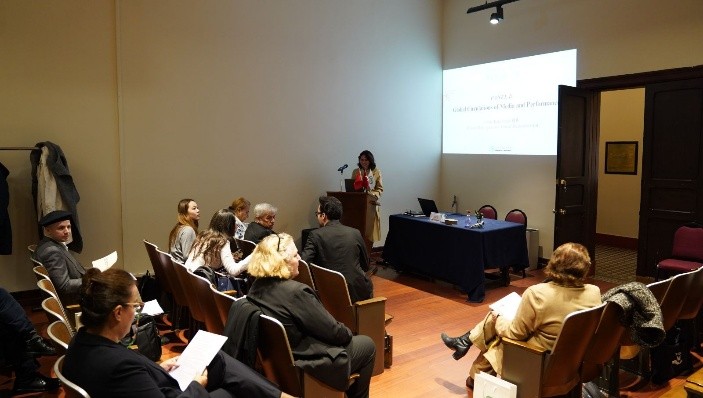

Opening remarks were delivered by Professor Mustafa Öztürk, Vice-Rector of Boğaziçi University, and Jian Shang, Deputy Consul General of the People’s Republic of China in Istanbul. The forum concluded with a session encouraging academics to exchange knowledge and experience. A documentary and exhibition entitled “Rhythms of Chinese Cuisine” complemented the academic programme with cultural content. By connecting association and private-sector support with the university’s academic expertise, the forum supported intercultural learning, understanding of cultural diversity and opportunities for international academic collaboration.
The full news article is available here.
8. Boğaziçi Ayvalık Schools
Boğaziçi Ayvalık Schools, carried out in partnership with Boğaziçi University and Ayvalık Olive Kernels Association, aims to raise awareness on issues such as ecological life, recycling and children's rights by offering workshops in different fields to children. This programme, which is carried out with the participation of volunteer university students and counsellors, expands children's interests while raising social awareness. In 2023 September Summer School, various workshops were held with 50 children.
9. Boğaziçi University Social Work Club (BUSOS)
Boğaziçi University Social Work Club (BUSOS) aims to produce solutions to social problems by working one-to-one with disadvantaged groups. At the annual Children's Festival, children have the opportunity to learn about children's rights while having fun. In addition, the NGO Festival, organised to raise awareness about NGOs, focused on issues such as women in the earthquake zone, education problems and the right to housing in 2023.
10. 180 Degrees Consulting & Elele Health Education and Solidarity Foundation (ESEV)
180 Degrees Consulting Boğaziçi, represented by Boğaziçi University, has collaborated with Elele Health Education and Solidarity Foundation (ESEV) to develop joint projects to raise awareness about celiac disease and increase awareness of the foundation. This cooperation contributes to NGOs' efforts to provide social benefit with university support.
11. Women Leaders in Health Certificate Programme
Boğaziçi University Lifelong Learning Centre and Professional Business Women's Association (PWN Istanbul) in collaboration with SDSN and Awen for Us support the Women Leaders in Health certificate programme, which aims to support the development of women leaders in the health sector. This programme, which offers the opportunity to participate in Harvard University's online certificate programme, aims to support the development of women in the sector.
12. Boğaziçi University Electrotechnology Club (BUEC) STAR Project
The STAR Project, organised by Boğaziçi University Electrotechnology Club (BUEC), aims to encourage female high school students especially in the fields of engineering and technology. Within the scope of the project, in cooperation with NGOs and relevant organisations, female role models were brought together with high school students and encouraged them to succeed in these professions.
13. 65+ Digital Inclusion Project
Boğaziçi University is involved in the Digital Inclusion for 65+ Project under the Civil Society Dialogue between Turkey and the European Union VI programme. This project has developed a sustainable dialogue between NGOs working with the elderly in Turkey and Greece. Within the scope of the project, digital literacy training programmes for the elderly were prepared and 724 elderly people were trained.
These collaborations of Boğaziçi University with NGOs provide important contributions in terms of raising social and ecological awareness, developing educational materials and providing social benefits for the SDGs
2024 Sustainability Report SDG-17 (Related Section)
Cooperation with CSOs for the SDGs
In line with the Sustainable Development Goals (SDGs), Boğaziçi University cooperates with non-governmental organisations (NGOs) within the scope of various projects and voluntary work. These collaborations are carried out in various ways such as volunteer student programmes, research projects and development of educational resources. Below are examples of these collaborations.
1. Boğaziçi Ayvalık Schools
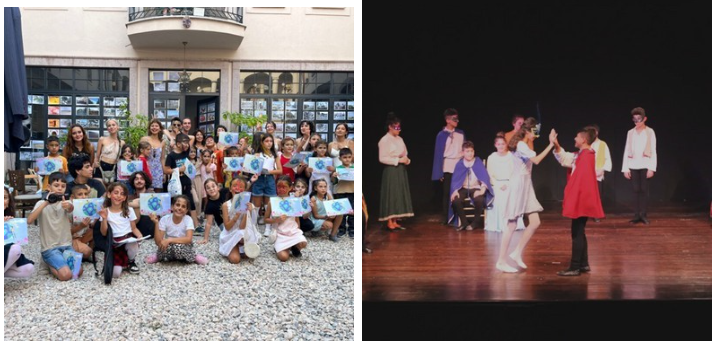
Boğaziçi Ayvalık Schools, carried out in cooperation with Boğaziçi University and Ayvalık Olive Kernels Association, aims to introduce children to different areas of interest and provide them with experience in these areas through workshops organised by volunteer university students, consultant academics and programme coordinators in the field.
The programme focuses on activities that raise awareness on themes such as ecological life, recycling, children's rights, children's memory and identity. Within the scope of the 2023 September Summer School held between 27 August-10 September 2023, photography, fairy tale, yoga, dance, music and art workshops were held with 50 children.
For more information, please click here:
https://bogaziciayvalikokulu.com/
2. Boğaziçi University Social Work Club (BUSOS) Festivities
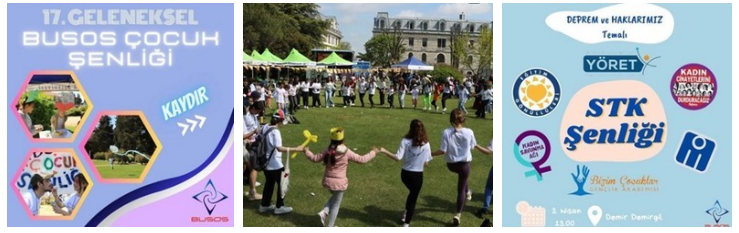
Boğaziçi University Social Work Club (BUSOS) aims to produce permanent solutions to social problems by working one-to-one with disadvantaged groups. In the Children's Festival, which is traditionally organised every year, children are provided with a day where they can learn about children's rights while having fun and playing games. In addition, BUSOS organises the NGO Festival every year, where students can get to know NGOs and learn how they can play a role in NGOs. On 2 April 2023, at the NGO Festival, speeches titled ‘Women in the Earthquake Region’, ‘Earthquake and its Impact on Education’, ‘How Can We Pursue Our Right to Shelter?’, ‘Earthquake and Women's Rights’, ‘Earthquake and its Impact on Foster Care Awareness’, ‘We Heal with Solidarity’ were delivered.
For more information click here:
https://ogrencifaaliyetleri.bogazici.edu.tr/kulup-etkinlikleri/sosyal-hizmet-kulubu
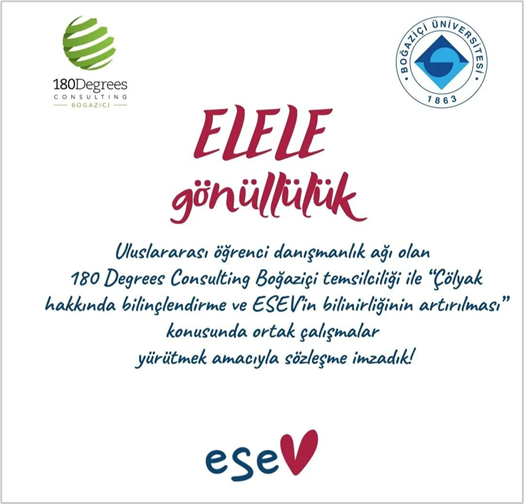
3. 180 Degrees Consulting Boğaziçi and ESEV Cooperation: Celiac Awareness Project
An agreement was signed in 2023 between the Boğaziçi representative office of 180 Degrees Consulting, an international student consultancy network, and Elele Health Education and Solidarity Foundation (ESEV) to carry out joint studies on ‘raising awareness about celiac disease and increasing the awareness of ESEV’. This cooperation provides an opportunity for volunteer Boğaziçi University students to increase their impact by contributing to the solution in non-governmental organisations.
4. Women Leaders in Health Certificate Programme
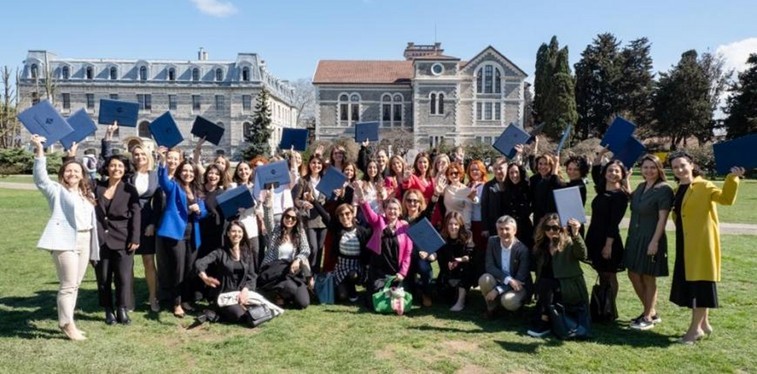
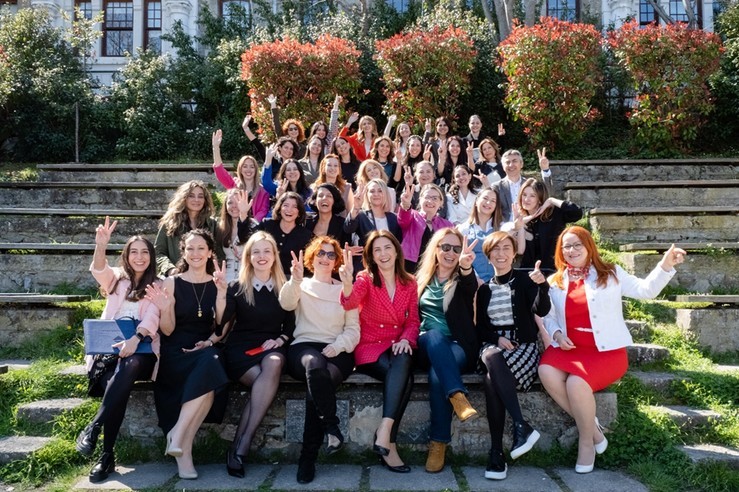
Implemented byBoğaziçi University Lifelong Learning Center (BÜYEM) and Professional Business Women's Association (PWN Istanbul ) with the support of UN SDSN and Awen for Us, the‘Women Leaders Leading Health’ Development Certificate Programme aims to expand the pool of mid- and senior-level female talent in the health sector and support the development of women in the sector. The programme, which brought together senior executives from healthcare and pharmaceutical companies with the participants, is based on the Harvard University ‘Women in Leadership: Online Certificate Programme for Emerging Leaders’ at Harvard University. 50 mid-level women graduated from the ‘Women Leaders in Health’ certificate programme, which was repeated twice in 2022-2023.
Click here for more information:
https://buyem.bogazici.edu.tr/course/sagliga-yon-verecek-kadin-liderler-gelisim-programi
https://haberler.bogazici.edu.tr/tr/news/mezun/3/sagliga-yon-verecek-kadin-liderler-programi-i/2686
5. Boğaziçi University Electrotechnology Club (BUEC) STAR Project
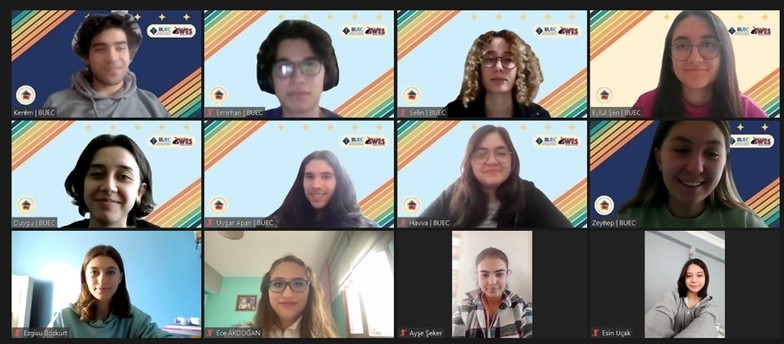
STAR Project of Boğaziçi University Electrotechnology Club (BUEC)is an online social responsibility project organised for high school girls within the sub-board of Society of Women Engineers and Scientists (SWES). The aim of the project is to bring together female role models who have successfully progressed in male-dominated professions and sectors such as engineering and technology with high school students and to encourage them in the profession they want to pursue. The project organises inspiring, interactive sessions, trainings and workshops with CSOs and relevant organisations.
6. ‘Digital Inclusion for 65+’ Project
In theCivil Society Dialogue between Turkey and the European Union VI (2023) report, the achievements of the project ‘Digital Inclusion for 65+’, in which Boğaziçi University Computer Engineering Department was a participant, are presented. The project enabled the development of a sustainable dialogue between NGOs working on the elderly in Turkey and Greece in order to contribute to improving the living conditions and standards of the elderly. Within the scope of the project, a digital literacy training programme for the elderly in Turkish, Greek and English was prepared, a total of 724 elderly people were trained, and awareness raising and advocacy activities were organised in Istanbul and Athens.
These collaborations between Boğaziçi University and NGOs contribute significantly to raising social awareness, developing educational materials and making progress towards the Sustainable Development Goals.
BOĞAZİÇİ UNIVERSITY
GUIDELINES FOR THE SOCIAL CONTRIBUTION COORDINATION OFFICE
CHAPTER ONE
Introductory Provisions
Purpose and Scope
ARTICLE 1 – (1) The purpose of these Guidelines is to set out the procedures and principles governing the planning, coordination, implementation, data management, monitoring, evaluation, development and ensuring the sustainability of social contribution activities carried out by Boğaziçi University in an integrated manner with its education and teaching, research and development, and other academic and administrative activities.
- Within this scope, the aim is to support the transformation of social, cultural, artistic, environmental, sporting and scientific activities, as well as educational, informational, awareness-raising, advisory, research, social responsibility and community service initiatives carried out within the University, into social benefits and social impact at local, regional, national and international levels.
- The Guidelines also set out the principles regarding duties, powers, responsibilities, monitoring and reporting in relation to the institutional coordination of the University’s social contribution activities.
- This Guideline;
- efforts aimed at developing Boğaziçi University’s social contribution policies, strategies and objectives,
- the coordination of social contribution activities carried out within the University,
- the planning, implementation, monitoring, evaluation, reporting and improvement of social contribution activities,
- the support for the participation of internal and external stakeholders in social contribution activities,
- the systematic,
- The duties, powers and working procedures of the Social Contribution Co-ordination Unit and Unit Representatives.
Legal Basis
ARTICLE 2— (1) These Guidelines have been drawn up in accordance with Articles 12, 14 and the 35th Supplementary Article of the Higher Education Act No. 2547 dated 4 November 1981, as well as the relevant provisions of legislation concerning quality assurance and social contribution activities at higher education institutions.
Definitions
ARTICLE 3 – (1) The terms used in this Directive shall have the following meanings:
- Academic and Administrative Units: Faculties, institutes, colleges, departments, research and application centres, co-ordinators’ offices, directorates and other academic and administrative units within the University that carry out social contribution activities;
- Unit Representative: Staff appointed to manage social contribution processes within the University’s academic and administrative units, and to ensure data flow and coordination,
- External Stakeholders: Public institutions and organisations outside the University, local authorities, private sector organisations, civil society organisations, professional bodies, alumni and other relevant sections of society,
- Internal Stakeholder: The University’s academic and administrative staff and students,
- Coordinator: The Boğaziçi University Social Contribution Coordinator,
- Coordinator’s Office: The Boğaziçi University Social Contribution Coordinator’s Office,
- KIDR: The Institutional Self-Evaluation Report,
- PÜKO cycle: The continuous improvement of social contribution processes in accordance with the principles of Plan, Do, Check and Act,
- Rector: The Rector of Boğaziçi University,
- Vice-Rector: The Vice-Rector to whom the Social Contribution Coordination Unitreports,
- Social impact: The short-, medium- or long-term changes brought about by the University’s activities on individuals, groups, institutions, the environment and society,
- Social contribution: The activities and processes through which the University utilises its knowledge, expertise, human resources, research and educational capacity to meet the needs of society, resolve social issues and support sustainable social development,
- University: Boğaziçi University,
- YÖKAK: The Higher Education Quality Council,
- YÖKSİS:The Higher Education Information System,
CHAPTER TWO
The University’s Objectives, Principles and Areas of Activity Regarding Social Contribution
The University’s Objectives Regarding Social Contribution ARTICLE 4 – (1) The University;
- to make scientific knowledge, academic expertise and research and development outputs available for the benefit of society and to support regional and national development,
- To develop scientific, innovative, interdisciplinary and sustainable solutions to the changing needs of society,
- To integrate education and research activities with social contribution, (c) To strengthen university-society interaction,
- To support accessible and inclusive activities targeting different sections of society, particularly disadvantaged and vulnerable groups,
- To contribute to sustainable development at local, national and international levels,
- Fostering and strengthening students’ awareness of social responsibility, volunteering and social sensitivity,
- Ensuring that the social contribution activities carried out at the University are organised within a measurable, monitorable and sustainable institutional framework,
These are its objectives.
Basic Principles
ARTICLE 5 – (1) The following principles shall form the basis:
- Focus on societal needs: Activities shall be planned taking into account the genuine and current needs of society, as identified through field surveys and scientific data sets,
- Scientific rigour and ethics: Activities must be based on scientific knowledge, research and expertise, as well as ethical values,
- Participation: The appropriate level of participation by internal and external stakeholders in the planning, implementation and evaluation processes must be supported;
- Inclusivity and equality: Activities must be designed to be open to all sections of society, free from discrimination and sensitive to diversity,
- Sustainability: Aiming for a social impact that is as lasting and sustainable as possible,
- Transparency and accountability: Ensuring that activities and outcomes are traceable and reportable,
- Cooperation: Developing effective partnerships with public institutions, local authorities, civil society organisations, the private sector and other stakeholders,
- Impact-oriented approach: Monitoring not only the number of activities but also the outputs, outcomes and social impact generated by these activities,
- Continuous improvement: The implementation of social contribution processes based on the principles of planning, implementation, monitoring, evaluation and improvement.
Areas of social contribution activities
ARTICLE 6 – (1) The University’s social contribution activities cover the following areas:
- Educational programmes, courses, seminars, workshops and similar activities addressing the community’s needs for education and lifelong learning,
- Science communication, information and awareness-raising activities aimed at sharing scientific knowledge with the public,
- Initiatives aimed at children, young people, the elderly, people with disabilities, migrants and other disadvantaged or special-needs groups,
- Work in the fields of the environment, climate change, energy, biodiversity and sustainability,
- Activities aimed at the development of culture, the arts, sport and social life,
- Research conducted for the benefit of society in fields such as education, health, social policy, economics, technology, engineering, culture and similar areas,
- Joint projects for the public good carried out with public institutions, local authorities, civil society organisations and other bodies,
- Consultancy, scientific advice, policy recommendations and similar work carried out within the University’s areas of expertise,
- The development of innovative products, services, methods, models and applications aimed at resolving social issues,
- Scientific, educational or social support activities addressing the needs of society in the event of disasters, crises and emergencies,
- Support for students’ voluntary work, social responsibility and community service activities,
- Activities related to the United Nations Sustainable Development Goals,
- Other initiatives that constitute a contribution to society in line with the University’s strategic aims and objectives.
CHAPTER THREE
Institutional Structure, Relationship with the Quality Commission and Bodies
The role and powers of the Quality Commission
ARTICLE 7 – (1) The evaluation of policies falling within the scope of the Boğaziçi University Social Contribution Guidelines and their submission to the Senate for approval, the monitoring of strategic objectives, the verification of social contribution data in the YÖKAK Institutional Self-Assessment Report (KİDR), and PÜKÖ quality monitoring shall be carried out directly by the University Quality Commission.
(2) For the purpose of strategically monitoring social contribution processes and evaluating inter-departmental coordination, the Quality Commission reviews and adopts the Annual Social Contribution Activity Plan and the Annual Evaluation Report submitted by the Co-ordinators’ Office, and submits them to the Senate.
Establishment and Structure of the Co-ordination Unit
ARTICLE 8 – (1) The Social Contribution Co-ordinating Unit operates under the Rectorate with the aim of ensuring the coordination of activities carried out in line with the University’s social contribution policies and objectives, and of monitoring, evaluating, reporting on and developing social contribution activities.
- The Co-ordinatorship;
- a Coordinator,
- one or more Deputy Coordinators, as required,
- academic and administrative staff assigned to the Co-ordinatorship, (c) part-time or voluntary students, where necessary,comprises.
- The Coordinator is appointed by the Vice-Chancellor from amongst the University’s academic staff for a term of three years
- A Coordinator whose term of office has expired may be reappointed.
- The Rector may replace the Coordinator before the end of their term of office if deemed necessary.
- To assist the Coordinator in their work, a maximum of two Deputy Coordinators may be appointed upon the Coordinator’s recommendation and with the Rector’s approval.
- The term of office of the Deputy Coordinators is limited to that of the Coordinator. Should the Coordinator’s term of office come to an end, the term of office of the Deputy Coordinators shall also come to an end.
Duties of the Co-ordinator’s Office
ARTICLE 9 – (1) The duties of the Co-ordinator’s Office are as follows:
- To carry out work aimed at determining and implementing the University’s social contribution policies, strategies and objectives, and to work in coordination with the Quality Commission,
- To support coordination and cooperation amongst University units regarding social contribution activities;
- To operate stakeholder participation mechanisms aimed at identifying the needs and expectations of society;
- To support the development of social contribution-focused partnerships with public institutions, local authorities, civil society organisations, the private sector, professional bodies, alumni and other stakeholders,
- To ensure the regular collection, recording and analysis of data, evidence and performance indicators relating to social contribution activities; to prepare the Annual
Social Contribution Activity Plan and the Annual Evaluation Report and submit them to the Quality Commission;
- To monitor and evaluate social contribution activities in terms of target audience, reach, outputs, outcomes, sustainability and social impact,
- To evaluate the University’s social contribution performance; to identify strengths, areas for improvement and successful practices, and to support improvement and dissemination efforts in line with the Quality Commission’s guidance,
- To provide guidance and advice to university units, as required, on the planning, implementation, monitoring and evaluation of social contribution activities and projects,
- To raise awareness of social contribution amongst academic and administrative staff and to encourage students’ participation in volunteering, social responsibility and social contribution activities,
- To carry out work aimed at strengthening the visibility, wider impact and alignment with the United Nations Sustainable Development Goals of the University’s social contribution activities,
- To monitor developments and best practices in the field of social contribution at national and international levels and to develop recommendations for the University,
- To ensure the preparation of the data, information and evidence required by the Quality Commission within the scope of the University’s quality assurance processes and KIDR preparations, and to contribute to the relevant evaluation processes,
- To carry out work aimed at the continuous improvement of social contribution processes in line with the Quality Commission’s monitoring and evaluation decisions and the PDCA cycle,
- To carry out other activities aimed at developing the University’s capacity for social contribution.
Unit Representatives and Their Duties
ARTICLE 10 – (1) To ensure the effective implementation of social contribution processes, the flow of data and the establishment of institutional coordination across all academic and administrative units of the University, unit heads shall appoint at least one member of staff as a ‘Unit Representative’ and notify the Coordination Office thereof. Should a unit representative not be appointed or notified, the relevant head of unit shall be deemed to be the unit representative.
- The duties of Unit Representatives are as follows:
- To periodically identify, verify and record all social contribution activities carried out within the unit, together with the relevant data, evidence and indicators, in the data system specified by the Coordination Unit;
- To oversee the preparation of the annual Social Contribution Activity Plan and the Annual Evaluation Report at unit level and to submit them to the head of the unit for approval;
- To ensure the flow of information, cooperation and communications between the Coordination Unit and the unit; to monitor the implementation within the unit of improvement decisions taken within the scope of the PÜKÖ quality cycle and KİDR processes.
CHAPTER FOUR
Planning, Data Management, Monitoring, Evaluation and Reporting
Planning of social contribution activities
ARTICLE 11 – (1) In social contribution activities carried out by the University’s academic and administrative units, to the extent possible:
- Identification of the social need or problem to which the activity relates,
- Defining the target audience,
- Setting out the objectives and expected outcomes of the activity,
- establishing a link with the University’s strategic aims and objectives,
- Where appropriate, linking the activity to the United Nations Sustainable Development Goals,
- Taking into account the participation of internal and external stakeholders,
- Determining the monitoring and evaluation methods for the activity, are essential.
Data collection and recording
ARTICLE 12 – (1) The University’s academic and administrative units shall submit the necessary information, data and evidence relating to the social contribution activities they carry out to the Coordination Unit in accordance with the methods, formats and timetable determined by the Coordination Unit.
- It is essential that the data collected is accurate, up-to-date and verifiable.
- The Coordination Unit may develop the necessary forms, guidelines, data systems and similar tools to ensure that data collection and reporting processes are carried out in a consistent and systematic manner across the University.
- The collection, storage, processing and sharing of data relating to social contribution activities shall be carried out in accordance with the relevant legislation.
Monitoring and Evaluation
ARTICLE 13 – (1) The University’s social contribution performance is periodically monitored and evaluated using data determined within the framework of the Strategic Plan objectives, YÖKSİS indicators and YÖKAK quality standards.
- Performance indicators may be updated in line with the nature of social contribution activities, YÖKAK standards and the University’s strategic priorities.
- Monitoring and evaluation processes are conducted in accordance with the PDCA quality cycle. The performance data and monitoring results obtained are used in the continuous improvement of processes and in evidence-based decision-making mechanisms.
Reporting
ARTICLE 14 – (1) The Coordination Unit prepares annual reports by evaluating the data and evidence obtained regarding the University’s social contribution activities.
(2) Where appropriate, the social contribution evaluation report shall include:
- The social contribution activities carried out,
- Performance indicators,
- Target audiences and levels of reach,
- Collaborations carried out with internal and external stakeholders,
- Notable best practices,
- Outputs and outcomes of the activities,
- Assessments of social impact,
- Strengths,
- Areas for improvement,
- Recommendations for improvement for the next period, are included.
- The report prepared is submitted to the Rector’s Office, and the findings deemed appropriate may be utilised in the University’s quality assurance, strategic planning and management processes.
Continuous improvement
ARTICLE 15 – (1) The University’s social contribution activities shall be carried out in a manner that encompasses the stages of planning, implementation, monitoring, evaluation and improvement, within the framework of the quality assurance approach.
(2) In line with the results of monitoring and evaluation;
- Identifying activities and processes requiring development,
- Supporting the sustainability of successful activities,
- The dissemination of best practices across the University,
- the development of activities addressing new societal needs,
- Strengthening stakeholder participation,
- Improving data collection, monitoring and reporting processes, for these purposes, the necessary work is carried out.
CHAPTER FIVE
Miscellaneous and Final Provisions
Working groups
ARTICLE 16 – (1) The Coordination Unit may, with the approval of the Rectorate, establish temporary or permanent working groups to carry out research, planning, implementation or evaluation in specific areas of social contribution.
(2) Working groups may comprise the University’s academic and administrative staff, as well as students. Where deemed necessary, the views and contributions of alumni and external stakeholders may be utilised.
Partnerships
ARTICLE 17 – (1) In order to achieve the University’s social contribution objectives, partnerships may be developed with public institutions, local authorities, other universities, private sector organisations, professional bodies, civil society organisations, and national or international organisations, in accordance with the relevant statutory provisions.
Financial Provisions
ARTICLE 18 – (1) The requirements for carrying out the Co-ordination Unit’s activities shall be met in accordance with the University’s relevant legislation and budgetary resources.
Cases not covered by these provisions
ARTICLE 19 – (1) In cases not covered by this Directive, the relevant statutory provisions and the decisions of the University Senate and the University Executive Board shall apply.
Entry into force
ARTICLE 20 – (1) This Directive shall enter into force on the date of its adoption by the Boğaziçi University Executive Board.
Implementation
ARTICLE 21 – (1) The provisions of this Directive shall be implemented by the Rector of Boğaziçi University.
|
Date of the University Executive Board Decision |
|
|
Date |
Number |
|
21 October 2026 |
2026/24 |
