


13.3.1 Local education programmes on climate
Climate Change Education Programmes and Campaigns at Boğaziçi University
Boğaziçi University organises comprehensive educational programmes and campaigns to promote understanding of the risks, impacts, mitigation strategies and adaptation processes related to climate change. These activities appeal to a wide audience both within the university and at local and national level.
The Climate Change and Policies Application and Research Centre (İklimBU), an important initiative of our university, was established in 2014 and conducts interdisciplinary research on the impacts of climate change and policies with the contributions of researchers from different disciplines. The Centre carries out supportive studies for the implementation of these researches in Turkey as well as in regions such as the Eastern Mediterranean, the Middle East and Central Asia.
İklimBU organises informative trainings for relevant units in the public and private sectors and creates a sustainable information platform on climate change risks. The Centre's website includes educational materials such as informative articles, blogs, newsletters and video series, which are also accessible to individuals outside academia.
In cooperation with Boğaziçi University Lifelong Learning Centre (BÜYEM) and United Nations Sustainable Development Solutions Network (UN SDSN Turkey), climate change trainings are organised for children, youth, parents and teachers. For example, trainings held in cooperation with NGOs and companies such as Yuvam Dünya and Schneider Elektrik aim to raise climate awareness.
Boğaziçi University also organises events such as ‘Cities for Climate Workshop and Climate Action Plan Training’, bringing together local authorities from different cities in Turkey and encouraging the development of solutions against climate change. Certified trainings such as ‘Climate Change Expertise Training’ and ‘Sustainable Cities and Climate Change Online Training Programme’ organised in cooperation with İklimBU and Yuvam Dünya aim to increase knowledge and awareness on the subject.
Through these training programmes and campaigns, Boğaziçi University plays an important role both locally and nationally in combating climate change and aims to become a regional hub for sustainable development.
You can find more information about Boğaziçi University's educational programmes and studies on climate change from the links below:
- Climate Change and Policies Application and Research Centre (iklimBU)
- Boğaziçi University Sustainable Green Campus
- Cities for Climate Workshop
- SDG Academy
Related News:
https://climatechange.bogazici.edu.tr/
https://climatechange.bogazici.edu.tr/iklim-degisikligi/#bunlaribiliyormusunuz
https://climatechange.bogazici.edu.tr/iklim-muhabbetleri/
https://climatechange.bogazici.edu.tr/son-buzul-erimeden-bilim-sohbetleri/
https://climatechange.bogazici.edu.tr/category/bulten/
https://sdsnturkiye.bogazici.edu.tr/tr/announcements/ebeveyn-2030-iklim-degisikligi-egitimi/2470
https://haberler.bogazici.edu.tr/tr/news/kampus/2/yerel-yonetimler-iklim-krizinde-cozumun-parca/1866
https://haberler.bogazici.edu.tr/tr/news/kampus/2/24-belediye-bogazicinde-ayni-hedefte-bulustu-/1869
International Collaboration on Environmental Sustainability Education through the SENSES Project
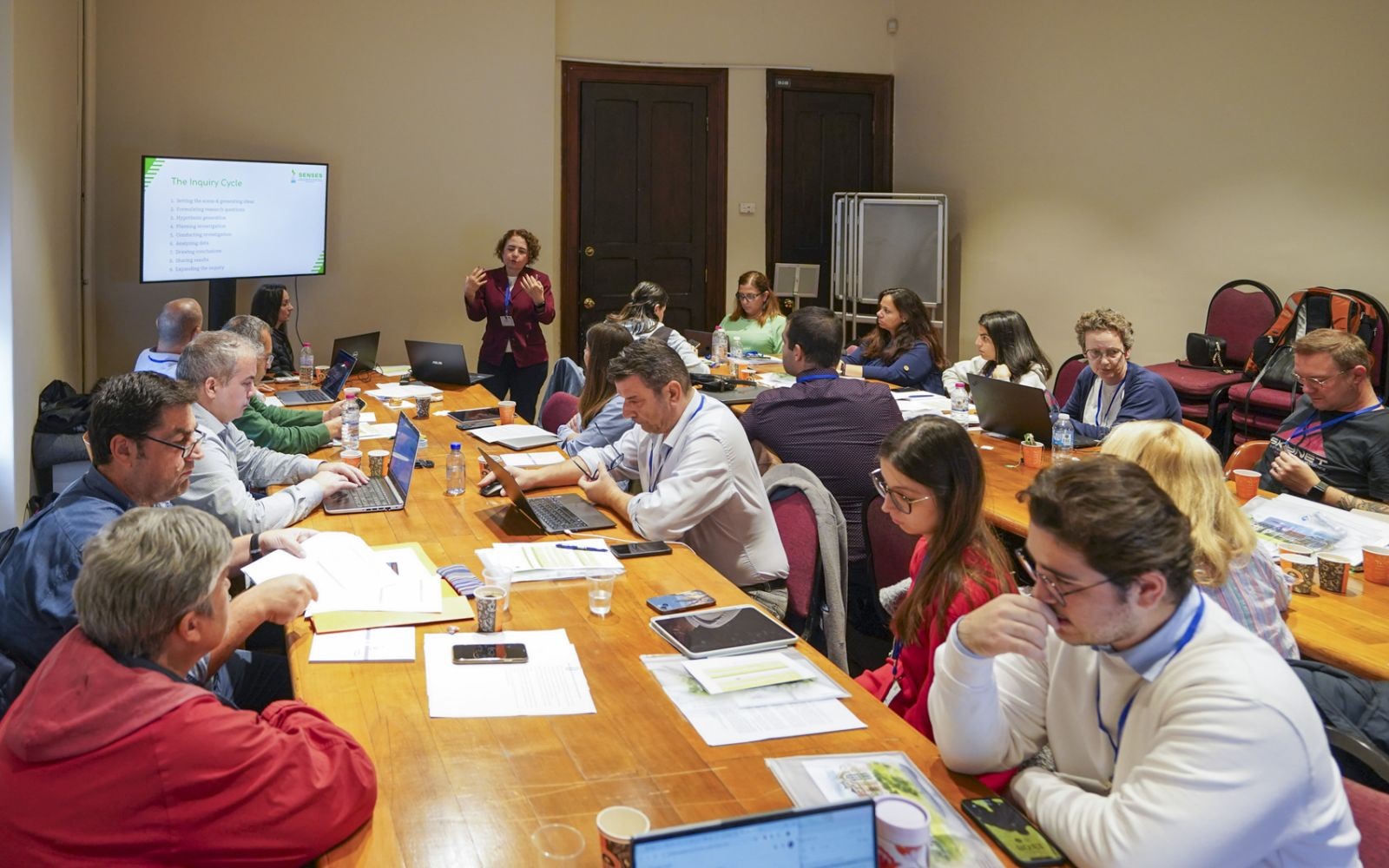
As a partner in the SENSES (Science Education through Novel Teaching Strategies for Environmental Sustainability) Project, Boğaziçi University contributes to developing innovative teaching approaches that integrate environmental sustainability into science education. Supported by the European Union’s Erasmus+ Programme, the project brings together universities and educational institutions from Türkiye, Germany, the Netherlands, Greece and Cyprus. Led at Boğaziçi University by Prof. Sevil Akaygün, with Prof. Emine Adadan serving as a researcher, the project develops online teaching modules, train-the-trainer programmes and teacher networks for teacher educators and pre-service teachers.
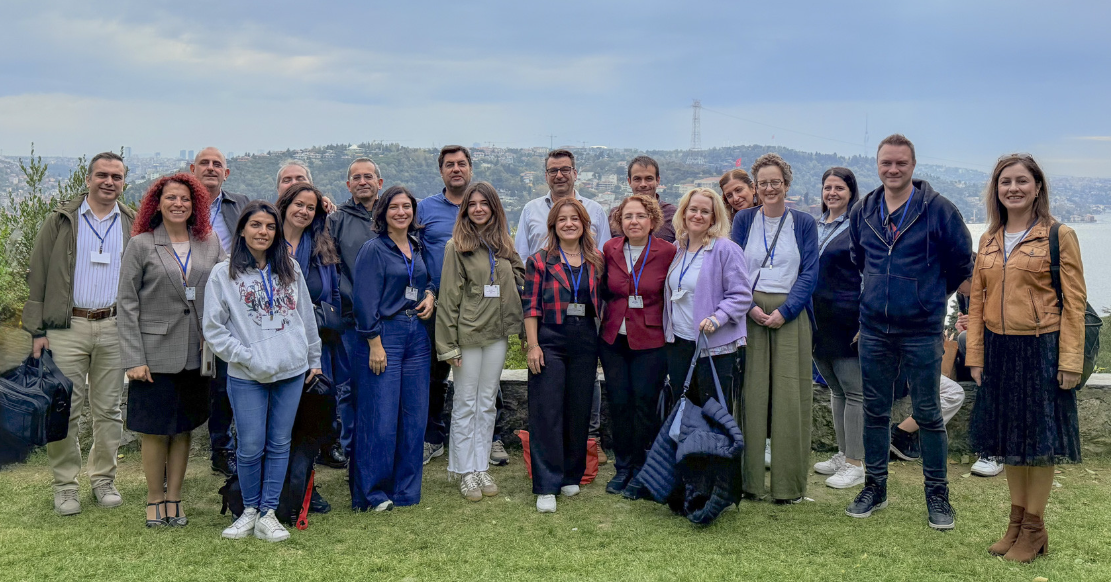
The project’s second transnational meeting took place at Boğaziçi University’s South Campus on 22 October 2025, followed by a seminar titled “Training of Trainers: Environmental Sustainability Education” on 23–24 October. The seminar presented innovative teaching modules addressing socio-scientific issues, inquiry-based learning, ocean literacy, systems thinking, and problem-solving. By strengthening the capacity of future science teachers to integrate environmental sustainability into their teaching, the SENSES Project contributes to environmental awareness, global citizenship, and education that supports climate action.
The full news article is available here.
Climate-Resilient Approaches at the Türkiye–China Sustainable Development Youth Dialogue
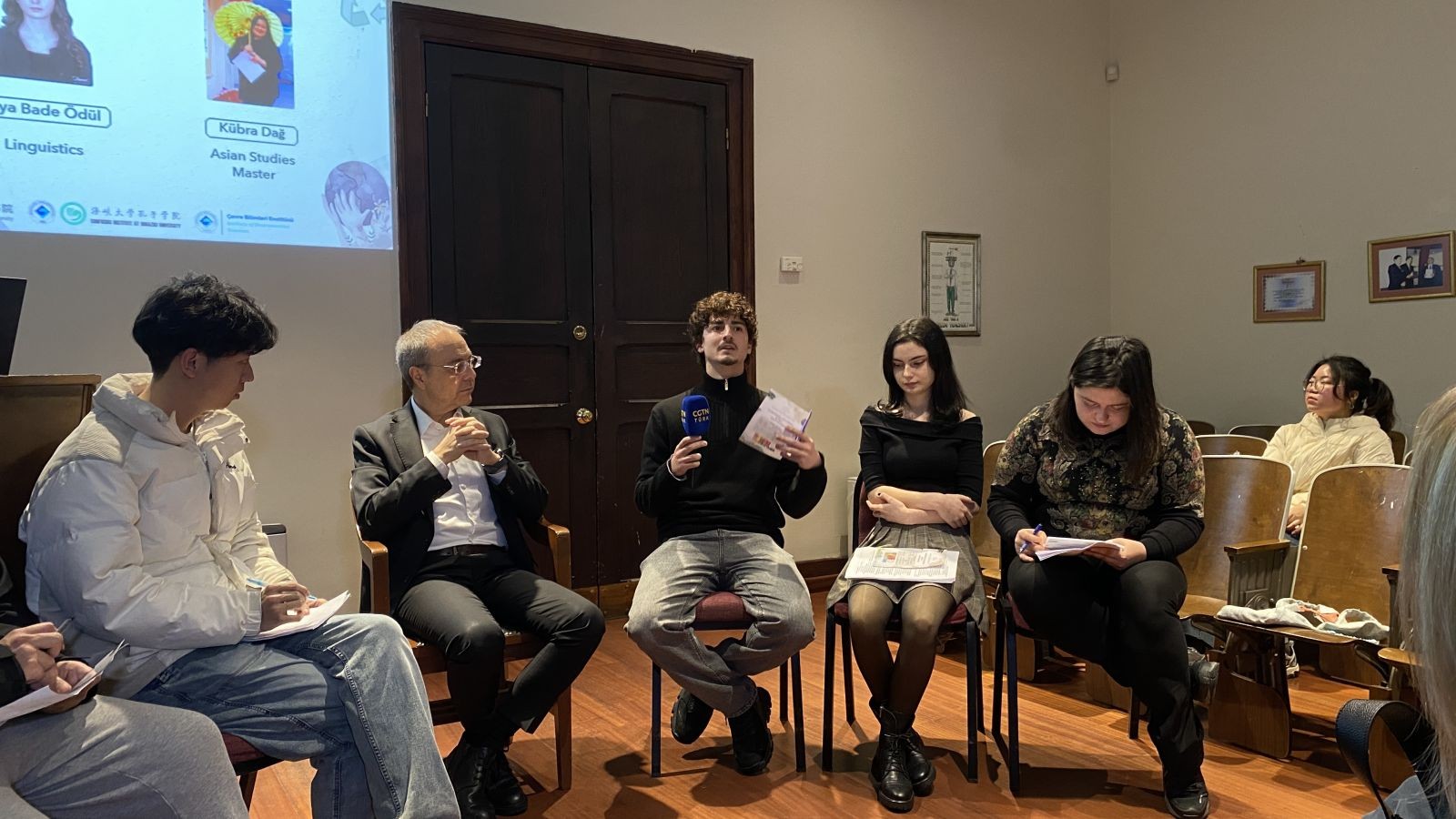
The first Türkiye–China Sustainable Development Youth Dialogue, held in Türkiye, brought together academics and students at Boğaziçi University on 19 January 2026. Organised to mark the 55th anniversary of Türkiye–China relations, the event was jointly hosted by the Boğaziçi University Confucius Institute, Tsinghua University’s Xiuzhong College and Boğaziçi University’s Institute of Environmental Sciences. Participants exchanged ideas and explored shared solutions through three concurrent sessions addressing the environmental, social and economic dimensions of sustainable development.
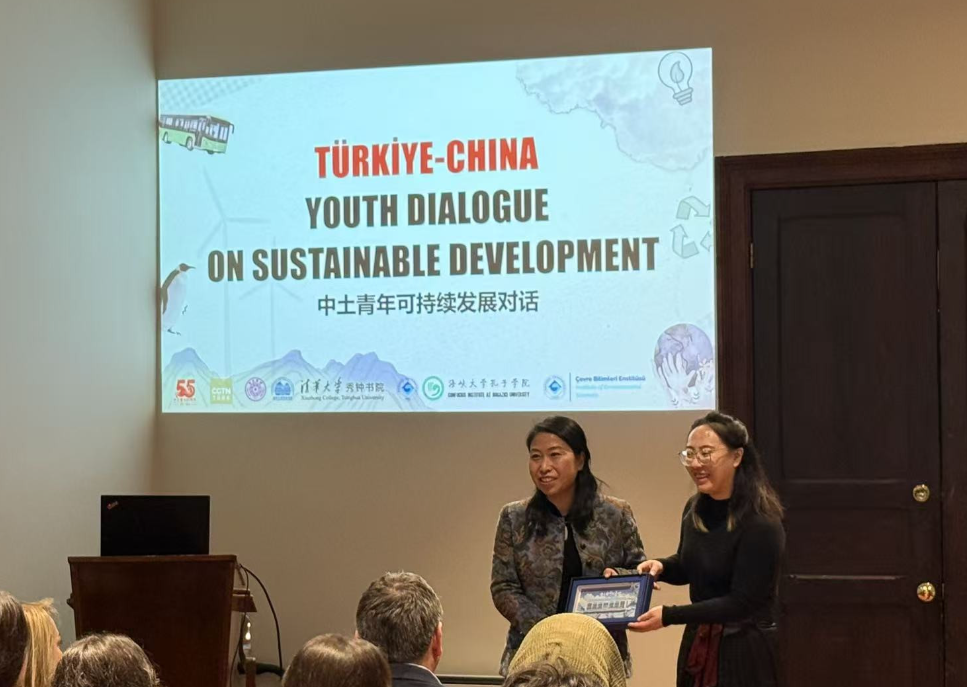
Moderated by Boğaziçi University faculty member Dr Tamer Atabarut, the session “Integrating Climate-Resilient Approaches” provided a platform for young participants to exchange knowledge and perspectives on embedding climate resilience within sustainable development processes. By also addressing education, decent work, peace, justice, inclusion and equality, the programme encouraged a holistic discussion of the links between climate action and other dimensions of sustainable development. The event strengthened young people’s climate awareness and capacity through knowledge exchange and supported international academic dialogue on climate resilience.
The full news article is available here.
KOERI’s 25-Year Mission in Disaster Education and Community Resilience
Boğaziçi University’s Kandilli Observatory and Earthquake Research Institute (KOERI) transforms scientific and technical knowledge into practical public education through its Disaster Preparedness Laboratory (AHLAB), established in 2000. Through programmes such as “Basic Disaster Awareness” and “Structural Awareness against Earthquakes”, AHLAB reaches an average of 25,000 people each year. Its Observatory Tours, which have run for more than 25 years, provide students from primary school through to university with opportunities to learn about disaster preparedness and Earth sciences.
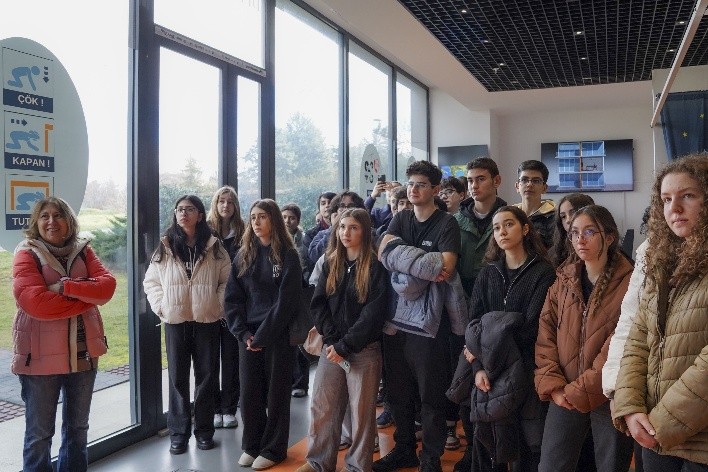
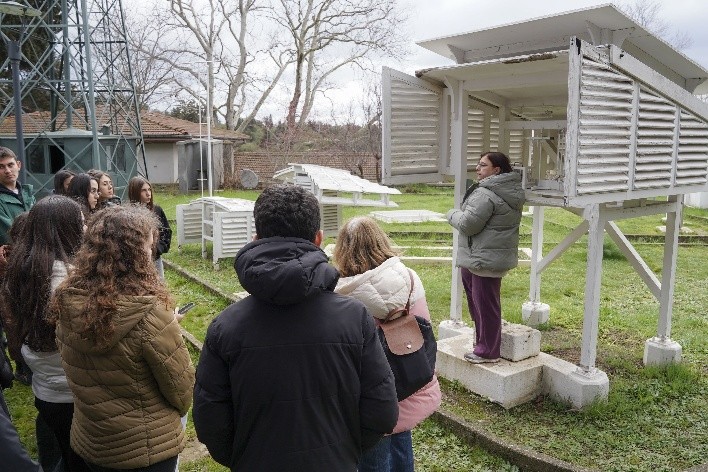
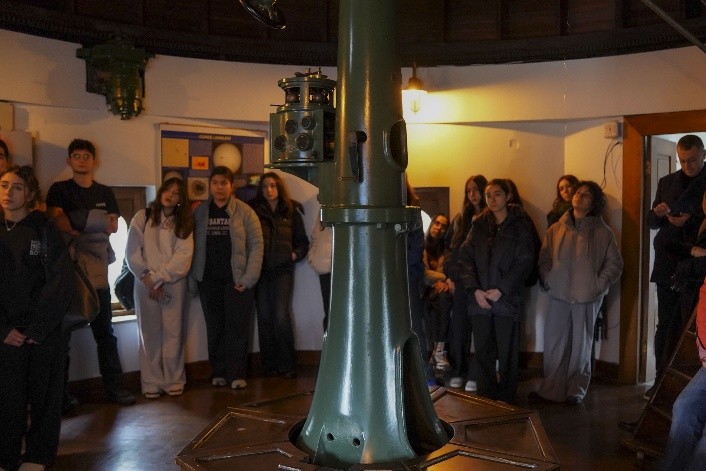
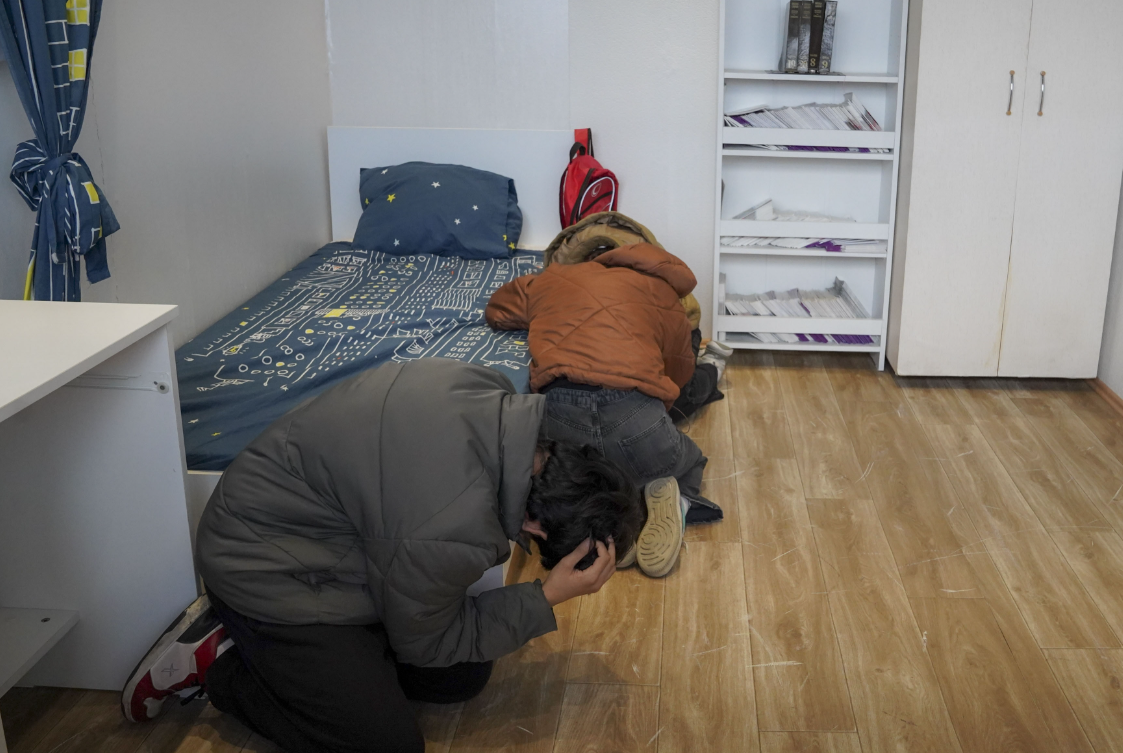
Visitors practise appropriate responses during an earthquake in simulators at the Earthquake Park, while the Meteorology Laboratory introduces them to measuring meteorological parameters and preparing weather forecasts. Since 2008, KOERI has also extended disaster education to communities across Türkiye through its Mobile Earthquake Simulation Truck (GEDSET). By improving public knowledge, risk awareness, and preparedness, these activities strengthen community capacity and resilience to natural disasters.
The full news article is available here.
International Collaboration with Universitas Pendidikan in Environmental Sciences
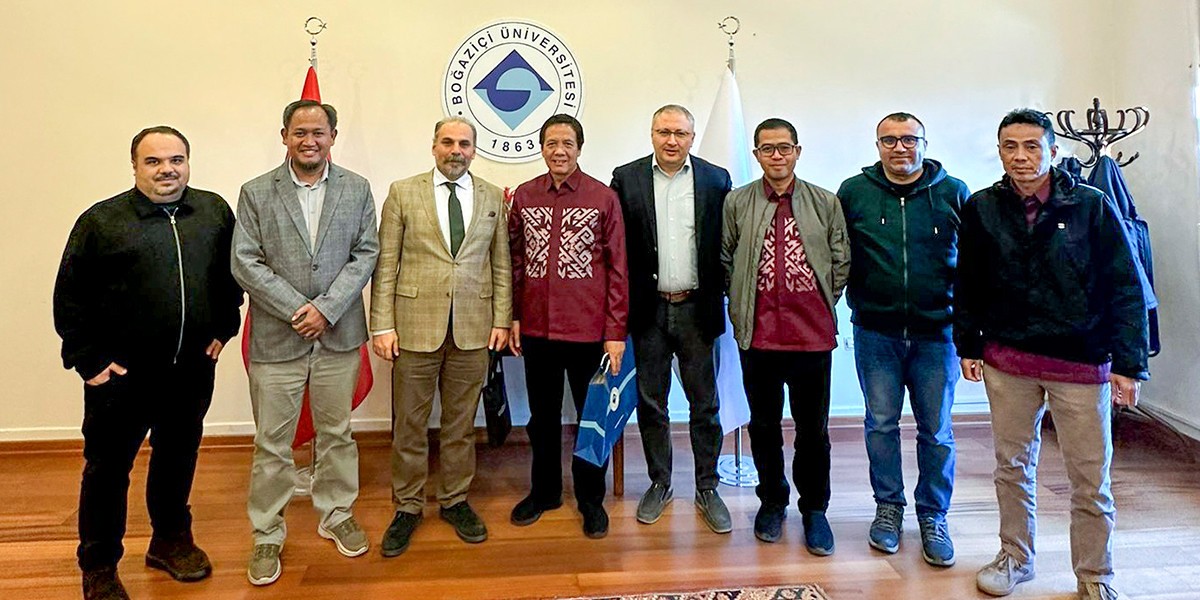
Boğaziçi University and Universitas Pendidikan, one of Indonesia’s prominent higher education institutions, signed an academic cooperation protocol during a visit by an academic delegation from Universitas Pendidikan to Boğaziçi University on 18 December 2025. The agreement aims to facilitate student and faculty exchanges and to develop joint research and projects in environmental sciences. By enabling the international exchange of knowledge, expertise and research capacity in environmental sciences, the protocol provides an institutional foundation for future collaborative work on climate change and environmental sustainability.
The full news article is available here.
Yeşilhat Academy Meetings: Climate Risks, Adaptation and Solutions in Agriculture
Boğaziçi University and Anadolu Agency (AA) Yeşilhat jointly organised a Yeşilhat Academy Meetings panel under the theme “Agriculture in the Face of the Climate Crisis: Risks, Adaptation and Solutions”. Bringing together academics and students, the event featured Prof. Levent Kurnaz, Director of Boğaziçi University’s Centre for Climate Change and Policy Studies, together with the Centre’s Executive Board members Prof. Murat Türkeş and Prof. Cem Avcı.
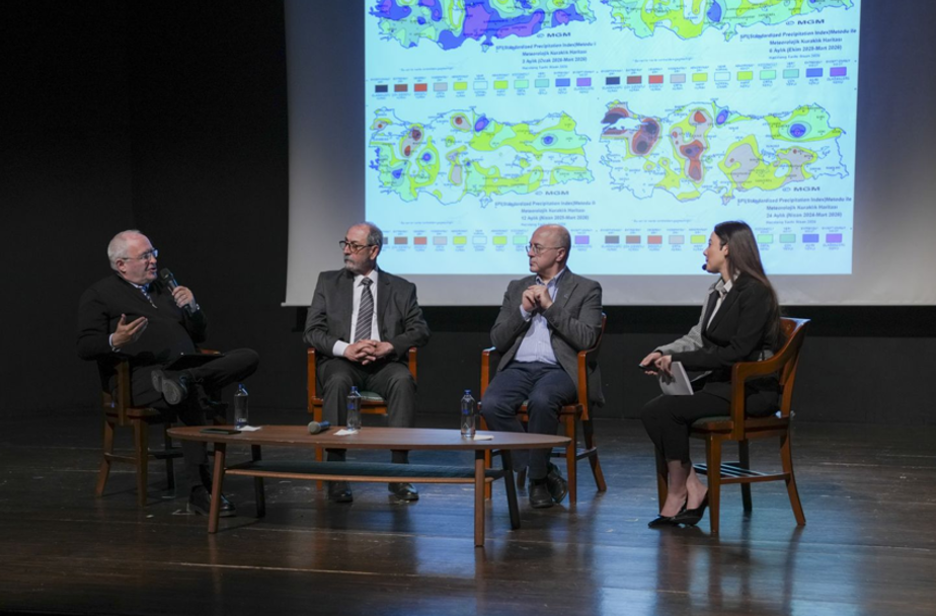
Drawing on scientific evidence, the panel examined the effects of rising atmospheric carbon dioxide concentrations on the climate system and the risks that climate change poses to agriculture, water and energy systems. Participants discussed sustainable solutions and adaptation strategies in response to threats to agricultural production, including increasingly prolonged, severe and widespread droughts, and the growing unpredictability of frost events and extreme rainfall. By communicating scientific expertise to wider audiences through collaboration with the media, the event contributed to education and awareness of climate-related risks, impacts and adaptation options.
The full news article is available here.
2024 Sustainability Report SDG-13 (Related Section)
Climate Change Local Training Programmes and NGO Collaborations İklimBU Studies

Boğaziçi University Climate Change and Policy Research and Application Centre (iklimBU), established in 2014, conducts interdisciplinary research on climate change and related policies. The centre brings together researchers from different disciplines such as Physics, Environmental Sciences, Economics, Geography and Tourism:
- It supports the implementation of climate change research in Turkey and neighbouring regions such as the Eastern Mediterranean, the Middle East and Central Asia.
- It organises informative trainings for relevant units in the public and private sectors and creates a sustainable information platform on climate change risks.
On its website, it offers open educational materials such as articles, blog posts, newsletters and video series that can be utilised by individuals outside academia.
Click here to reach İklimBU page:
https://climatechange.bogazici.edu.tr/
Climate Change Local Training Programmes and NGO Collaborations Trainings for Children, Youth, Parents and Teachers
İklimBU, Boğaziçi University Lifelong Learning Centre (BÜYEM) and United Nations Sustainable Development Solutions Network (UN SDSN Turkey) organise climate change trainings for children, youth, parents and teachers in cooperation with various NGOs and companies.
Climate 2030: Climate Change Training with Children and Youth
Organised in cooperation with İklimBU, BÜYEM and UN SDSN Turkey to raise awareness of children and young people about the risks posed by climate change, the training addresses the causes of climate change, how excess carbon dioxide in the atmosphere affects the world and how this increase can be prevented. Within the scope of the training, the roles of states and institutions in this regard as well as the measures that can be taken individually are also conveyed. Prof. Dr. Levent Kurnaz not only provides information to the participants during the training, but also listens to the suggestions of the students, answers their questions inside and outside the classroom, and guides them on the actions that can be taken.
Click here to read the related news:
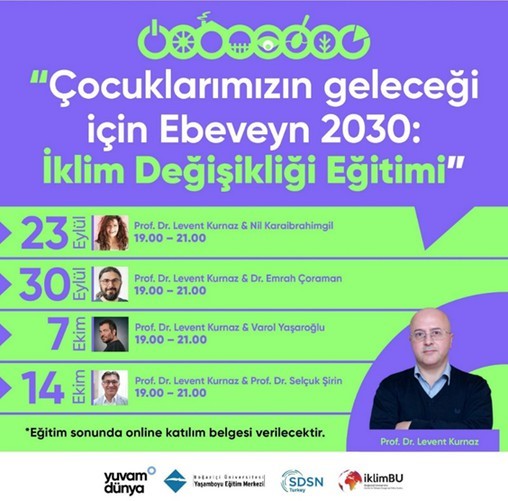
Parent 2030 for Our Children's Future: Climate Change Education
The training, organised in partnership with Yuvam Dünya, İklimBU, BÜYEM and UN SDSN Turkey, aims to raise awareness of parents about the climate crisis and future challenges, to convey these challenges to their children in the language of hope, and to provide them with the knowledge, skills and emotional resilience for the innovative solutions they will need to cope with the climate crisis.
Climate Change Local Training Programmes and NGO Collaborations
With the guests hosted every week during the training, the physical causes of climate change, its historical development, what individuals and organisations can do to combat the climate crisis are discussed and parents are informed about the climate crisis.
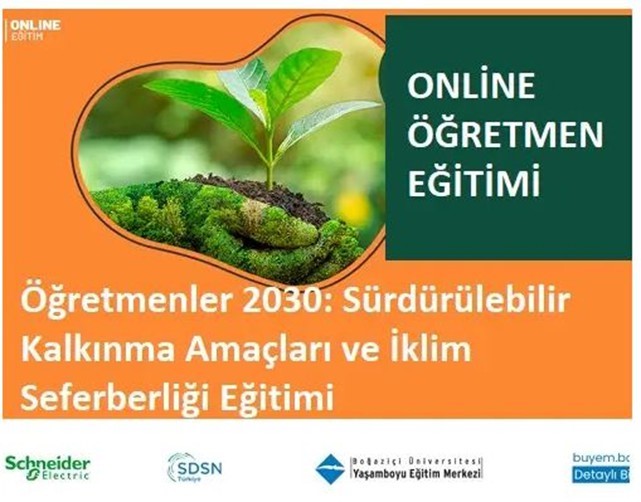
Teachers 2030: Sustainable Development Goals and Climate Mobilisation Training
Organised in cooperation with BÜYEM, UN SDSN Turkey and Schneider Electric, Teachers 2030: Sustainable Development Goals and Climate Mobilisation Training aims to inform teachers working in K12 schools about the work carried out on sustainability in the field of education. The United Nations 2030 agenda, sustainable development goals and education for sustainable development concepts, lesson plans and classroom practices are discussed with current examples. Within the scope of classroom practices; activities that will develop students' creativity and entrepreneurship by enabling them to focus on the solution are conveyed.
Teachers 2030: Sustainable Development Goals and Climate Mobilisation Training
Trainings for Local Authorities

Boğaziçi University Center for Lifelong Learning (BÜYEM) organises training programmes to strengthen the role of local governments in combating climate change through various collaborations. These programmes encourage the development of solution-oriented approaches to climate change.
Cities for Climate Workshop and Climate Action Plan Training
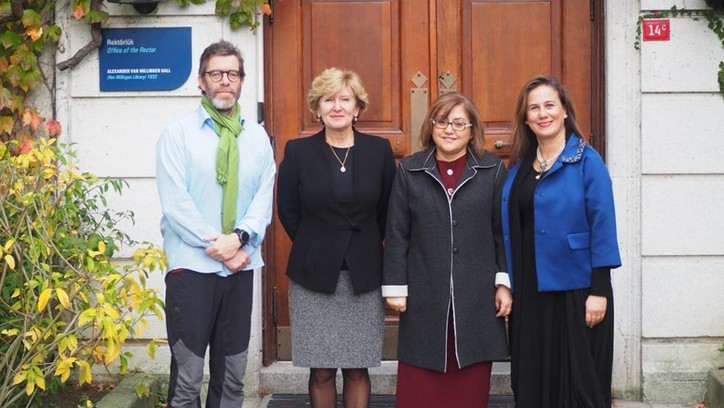
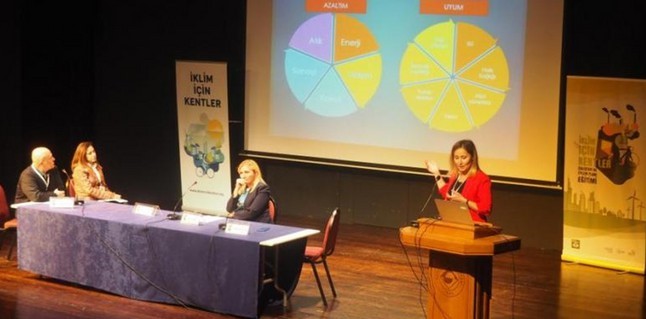
Boğaziçi University UN SDSN Turkey, 350 Turkey and Local Monitoring Research and Practices Association (YERELİZ) brought together local administrators from different cities of Turkey in the ‘Cities for Climate Workshop and Climate Action Plan Training’. During the three-day workshop, practical climate solutions that cities can implement, preparation of Climate Action and Adaptation Plans and basic information for municipalities to create their own action plans were discussed. At the end of the workshop, the participating municipalities presented the ‘We are for Climate’ declaration they signed against climate change to the public.
Trainings for Local Authorities
Click here to read the related news:
https://haberler.bogazici.edu.tr/tr/news/kampus/2/yerel-yonetimler-iklim-krizinde-cozumun-parca/1866
https://haberler.bogazici.edu.tr/tr/news/kampus/2/24-belediye-bogazicinde-ayni-hedefte-bulustu-/1869
Sustainable Cities and Climate Change Online Training Programme
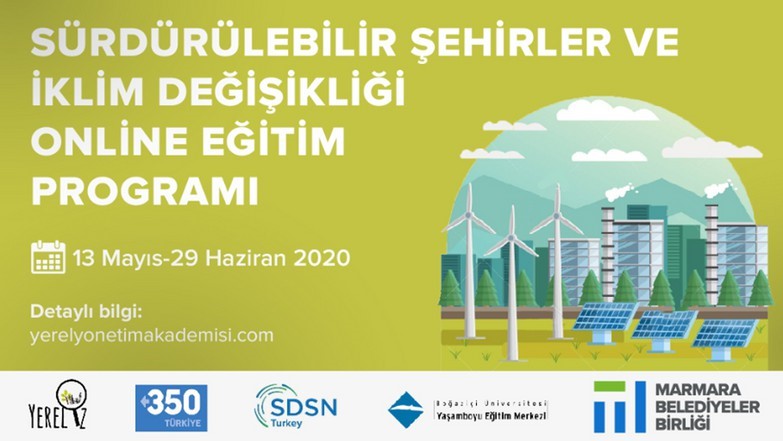
This programme, carried out in cooperation with Union of Marmara Municipalities, 350 Turkey, YERELİZ, UN SDSN Turkey and BÜYEM, encourages municipalities to start mitigation and adaptation works rapidly. Within the scope of the training, topics such as general assessment of climate change and urban climate justice as well as thematic solutions such as energy transformation, transport and urban planning in cities were addressed. In this training, which is intended for local government employees at metropolitan, provincial or district level, participants had the opportunity to reinforce what they learnt in practice by participating in project writing workshops with small working groups.
Introduction to Climate Change Expertise Training
The certified ‘Introduction to Climate Change Expertise Training’ offered through BÜYEM in cooperation with Yuvam Dünya and İklimBU provides a comprehensive basis for the participants with the lectures of Prof. Dr. Levent Kurnaz. After each lecture, small interviews with guest speakers provide participants with different perspectives.
Through these educational programmes and campaigns, Boğaziçi University plays an important role in combating climate change at both local and national level and aims to become a regional hub for sustainable development.
Weekly Bulletin
‘Dünyahali’ is a weekly digital magazine bulletin prepared in cooperation with İklimBU, Yuvam Dünya, BMWi and APOSTO. It provides content on solutions that can be implemented within the scope of combating the climate crisis, studies around the world and current developments in this field. In addition, the summaries of the bulletin are also delivered to the listeners in podcast format.
.png)
Click here to access the newsletter and podcasts of Dünyahali:
Collaborative Planning for Climate Change Disasters
Boğaziçi University contributes to collaborative planning processes for climate change disasters at both national and international level and takes an active role in various projects in this field. The studies carried out by the University in this context are as follows:
Contribution to the National Climate Change Mitigation Strategy and Action Plan
Boğaziçi University is among the institutions participating and contributing to the Climate Change Mitigation Strategy and Action Plan (2024-2030 ) prepared by the Ministry of Environment, Urbanisation and Climate Change. The scope of the plan consists of the following elements:
- Main Mitigation Sectors: Energy, Industry, Buildings, Transport, Agriculture, Waste and Land Use, Land Use Change and Forestry (LULUCF)
- Cross-cutting Theme Areas: Just Transition and Carbon Pricing Mechanisms
- Targets To identify strategies and actions for the mitigation of greenhouse gas emissions in order to achieve the National Contribution Declaration (NDC) targets under the Paris Agreement, and to provide a roadmap for relevant organisations
This co-operation is critical for the measures to be taken against climate change at national and regional level.
Click here to read the Climate Change Mitigation Strategy and Action Plan:
BOĞAZİÇİ UNIVERSITY
Report on Courses Offered on Environmental Sustainability and Climate Science
This report documents the courses taught at Boğaziçi University that address the topics of environmental sustainability and climate science. The report has been prepared to serve as supporting evidence for ranking applications that require a documented overview of institutional sustainability reporting, United Nations Sustainable Development Goals (SDG) reporting, and teaching activities related to the environment and climate.
The report covers three consecutive academic terms: the Autumn and Spring terms of the 2025/2026 academic year and the Autumn term of the 2026/2027 academic year, and specifies the terms in which each course was actually taught. The accompanying workbook, entitled ‘List of Courses on Environmental Sustainability and Climate Science’, contains the full set of records and the summary tables included herein.
A total of 59 different courses related to this theme have been identified: 37 are compulsory, 18 are related, and 4 are programme components. These account for a total of 577 ECTS credits. Course provision remained stable throughout the reporting period; between 35 and 38 courses were offered in each of the three terms.
Table 1. Thematic courses by academic term
|
Academic term |
Compulsory |
Related |
Programme component |
Total |
Total ECTS |
|---|---|---|---|---|---|
|
2025/2026-1 |
22 |
10 |
4 |
36 |
405 |
|
2025/2026-2 |
24 |
7 |
4 |
35 |
409 |
|
2026/2027-1 |
24 |
10 |
4 |
38 |
420 |
|
Unique courses (excluding repeats) |
37 |
18 |
4 |
59 |
577 |
A course offered in more than one term is counted once in the deduplicated row and once for each term in the rows above it.
Table 2. Thematic courses by faculty and institute
|
Faculty / Institute |
2025/2026-1 |
2025/2026-2 |
2026/2027-1 |
Specialised courses |
|---|---|---|---|---|
|
Institute of Environmental Sciences |
23 |
27 |
24 |
36 |
|
Faculty of Engineering |
7 |
4 |
8 |
11 |
|
Graduate School of Science and Engineering |
2 |
2 |
3 |
6 |
|
Graduate School of Social Sciences |
3 |
2 |
2 |
5 |
|
Faculty of Science |
1 |
0 |
1 |
1 |
|
Total |
36 |
35 |
38 |
59 |
Table 3. Thematic subjects by level of education
|
Level of education |
2025/2026-1 |
2025/2026-2 |
2026/2027-1 |
Specialist courses |
|---|---|---|---|---|
|
Undergraduate |
8 |
4 |
9 |
12 |
|
Master’s degree |
26 |
27 |
26 |
43 |
|
PhD |
2 |
4 |
3 |
4 |
|
Total |
36 |
35 |
38 |
59 |
Table 4. Thematic lessons by sub-theme
|
Sub-theme |
Unique courses |
|---|---|
|
Sustainability management and policy |
8 |
|
Water and environmental quality |
7 |
|
Ecology and biodiversity |
6 |
|
Energy transition and renewable energy sources |
5 |
|
Programme component |
4 |
|
Environment and ecological economics |
3 |
|
Fundamentals of Environmental Science |
3 |
|
Green technology and the transition process |
3 |
|
Climate Science and Earth Systems |
2 |
|
Climate Science and Policy |
2 |
|
Energy infrastructure |
2 |
|
Environment and health |
2 |
|
Environmental chemistry |
2 |
|
Environmental modelling and data |
2 |
|
Climate adaptation and coastal systems |
1 |
|
Climate science and the atmosphere |
1 |
|
Ecology and society |
1 |
|
Energy and resource efficiency |
1 |
|
Energy storage |
1 |
|
Environmental safety and risk |
1 |
|
Sustainable built environment |
1 |
|
Sustainable mobility |
1 |
Each module is assigned a single sub-theme selected to reflect its main topic.
Course list
The table below lists all courses identified under the relevant theme, grouped by the departments in which they are taught. A tick indicates that the course is offered in the relevant term.
Table 5. Courses on environmental sustainability and climate science, by department
|
Code |
Course title |
Level |
ECTS |
Sub-theme |
2025/2026-1 |
2025/2026-2 |
2026/2027-1 |
Related |
|---|---|---|---|---|---|---|---|---|
|
Institute of Environmental Sciences — Environmental Sciences |
||||||||
|
ESC 301 |
ENVIRONMENTAL DIMENSION |
Master’s Degree |
6 |
Fundamentals of Environmental Science |
● |
● |
● |
Core |
|
ESC 305 |
GLOBAL CLIMATE CHANGE |
Master’s Degree |
6 |
Climate Science and Policy |
● |
● |
● |
Core |
|
ESC 306 |
EVOLUTION |
Master’s Degree |
6 |
Ecology and Biodiversity |
|
● |
|
Related |
|
ESC 307 |
SOCIAL ECOLOGY |
Master’s Degree |
6 |
Ecology and Society |
● |
● |
● |
Core |
|
ESC 315 |
MICROORGANISMS |
Master’s Degree |
6 |
Ecology and Biodiversity |
● |
● |
● |
Related |
|
ESC 351 |
SUSTAINABLE DEVELOPMENT |
Master’s Degree |
6 |
Sustainability management and policy |
● |
● |
● |
Core |
|
ESC 505 |
PUBLIC HEALTH AND ENVIRONMENT |
Master’s Degree |
8 |
Environment and Health |
|
● |
● |
Core |
|
ESC 509 |
RESOURCE CONSERVATION FOR ENERGY, FUELS AND CHEMICALS |
Master’s Degree |
8 |
Energy and resource efficiency |
● |
|
● |
Core |
|
ESC 510 |
GROUNDWATER FLOW AND POLLUTANT TRANSPORT |
Master’s Degree |
8 |
Water and environmental quality |
|
● |
|
Core |
|
ESC 520 |
FUNDAMENTALS OF ENVIRONMENTAL SCIENCES |
Master’s Degree |
8 |
Fundamentals of Environmental Science |
● |
|
● |
Core |
|
ESC 527 |
ENVIRONMENTAL MODELLING |
Master’s Degree |
8 |
Environmental modelling and data |
● |
|
● |
Core |
|
ESC 528 |
DRINKING WATER DISINFECTION |
Master’s Degree |
8 |
Water and environmental quality |
● |
● |
● |
Core |
|
ESC 530 |
RESEARCH METHODS FOR ENVIRONMENTAL SCIENCE SPECIALISTS |
Master’s Degree |
8 |
Fundamentals of Environmental Science |
|
● |
|
Core |
|
ESC 539 |
ENVIRONMENTAL GOVERNANCE |
Master’s Degree |
8 |
Sustainability management and policy |
● |
|
● |
Core |
|
ESC 541 |
ENVIRONMENTAL ECONOMICS |
Master’s Degree |
8 |
Environmental and Ecological Economics |
● |
|
● |
Core |
|
ESC 542 |
ECOLOGICAL ECONOMICS |
Master’s Degree |
8 |
Environmental and Ecological Economics |
|
● |
|
Core |
|
ESC 549 |
CLIMATE CHANGE POLICY |
Master’s Degree |
8 |
Climate Science and Policy |
|
● |
|
Core |
|
ESC 550 |
INSTRUMENTAL METHODS IN ENVIRONMENTAL ANALYSIS |
Master’s Degree |
8 |
Water and environmental quality |
|
● |
|
Core |
|
ESC 551 |
ENVIRONMENTAL CHEMISTRY |
Master’s Degree |
8 |
Environmental Chemistry |
● |
● |
● |
Core |
|
ESC 554 |
Bioenergy and Biofuels |
Master’s Degree |
8 |
Energy transition and renewable energy sources |
|
● |
|
Core |
|
ESC 557 |
ENVIRONMENTAL MICROBIOLOGY |
Master’s Degree |
8 |
Ecology and Biodiversity |
● |
● |
● |
Core |
|
ESC 558 |
CONCEPTS AND MODELS IN ECOLOGY |
Master’s Degree |
8 |
Ecology and Biodiversity |
● |
● |
● |
Core |
|
ESC 559 |
MOLECULAR ECOLOGY AND EVOLUTION |
Master’s Degree |
8 |
Ecology and Biodiversity |
● |
|
● |
Core |
|
ESC 569 |
MICROBIAL BIOTRANSFORMATION AND GENETICS |
Master’s Degree |
8 |
Ecology and Biodiversity |
|
● |
|
Related |
|
ESC 572 |
GLOBAL ENVIRONMENTAL SYSTEMS |
Master’s Degree |
8 |
Climate Science and Earth Systems |
● |
● |
● |
Core |
|
ESC 577 |
DYNAMIC MODELLING OF SOCIO-ECOLOGICAL SYSTEMS |
Master’s Degree |
8 |
Environmental modelling and data |
● |
|
● |
Core |
|
ESC 578 |
SYSTEMS AND SUSTAINABILITY |
Master’s Degree |
8 |
Sustainability management and policy |
|
● |
|
Core |
|
ESC 579 |
MASTER’S SEMINAR |
Master’s Degree |
2 |
Programme component |
● |
● |
● |
Programme component |
|
ESC 594 |
SPECIAL TOPICS: GREEN TRANSITION IN INDUSTRY |
Master’s Degree |
8 |
Green technology and transition |
● |
● |
|
Core |
|
ESC 595 |
SPECIAL TOPICS: DATA SCIENCE FOR WATER RESOURCES |
Master’s Degree |
8 |
Water and environmental quality |
|
● |
|
Core |
|
ESC 59Y |
SPECIAL TOPICS: ENVIRONMENTAL ASSESSMENT AND COST-BENEFIT ANALYSIS |
Master’s Degree |
8 |
Environmental and Ecological Economics |
● |
|
|
Core |
|
ESC 651 |
ENVIRONMENTAL TOXICOLOGY |
PhD |
8 |
Environment and Health |
|
● |
● |
Core |
|
ESC 653 |
ATMOSPHERIC CHEMISTRY |
Master’s Degree |
8 |
Climate Science and the Atmosphere |
|
|
● |
Core |
|
ESC 690 |
Master’s Thesis |
Master’s Degree |
60 |
Programme component |
● |
● |
● |
Programme component |
|
ESC 700 |
MASTER’S SEMINAR |
PhD |
2 |
Programme component |
● |
● |
● |
Programme component |
|
ESC 790 |
PhD Thesis |
PhD |
120 |
Programme component |
● |
● |
● |
Programme component |
|
Faculty of Engineering — Chemical Engineering |
||||||||
|
CHE 441 |
HYDROGEN TECHNOLOGIES |
Undergraduate |
5 |
Energy transition and renewable energy sources |
|
● |
|
Related |
|
CHE 443 |
RENEWABLE ENERGY TECHNOLOGIES |
Undergraduate |
5 |
Energy transition and renewable energy sources |
● |
|
● |
Core |
|
CHE 465 |
OPERATIONS AND ENVIRONMENTAL SAFETY IN CHEMICAL PLANTS |
Undergraduate |
5 |
Environmental safety and risk |
● |
|
● |
Related |
|
Faculty of Engineering — Civil Engineering |
||||||||
|
CE 231 |
EARTH SCIENCES |
Undergraduate |
5 |
Climate Science and Earth Systems |
● |
|
● |
Related |
|
CE 315 |
HYDRAULIC ENGINEERING I |
Undergraduate |
6 |
Water and environmental quality |
● |
|
● |
Related |
|
CE 322 |
SUSTAINABILITY IN CIVIL ENGINEERING |
Undergraduate |
5 |
Sustainable built environment |
|
● |
|
Core |
|
CE 414 |
COASTAL ENGINEERING |
Undergraduate |
5 |
Climate Adaptation and Coastal Systems |
● |
|
● |
Related |
|
CE 422 |
ENVIRONMENTAL ENGINEERING DESIGN |
Undergraduate |
5 |
Water and environmental quality |
● |
● |
● |
Core |
|
CE 482 |
SP.TP: MICROMOBILITY |
Undergraduate |
6 |
Sustainable mobility |
|
● |
|
Related |
|
CE 48C |
SPECIAL TOPICS: PLANNING AND DESIGN OF ENERGY FACILITIES |
Undergraduate |
5 |
Energy infrastructure |
● |
|
● |
Related |
|
CE 48V |
SPECIAL TOPICS: WATER RESOURCES, SYSTEM ANALYSIS AND SMART DECISION SUPPORT |
Undergraduate |
6 |
Water and environmental quality |
|
|
● |
Core |
|
Graduate School of Science and Engineering — Chemical Engineering |
||||||||
|
CHE 542 |
ANALYSIS OF SUSTAINABLE TECHNOLOGIES |
Master’s Degree |
8 |
Green technology and transition |
|
● |
|
Core |
|
CHE 543 |
CATALYSIS FOR GREEN TECHNOLOGIES |
Master’s Degree |
8 |
Green technology and transition |
● |
|
● |
Core |
|
CHE 581 |
SPECIAL TOPICS: SUPERCAPACITOR TECHNOLOGIES |
Master’s Degree |
8 |
Energy storage |
|
|
● |
Related |
|
Institute of Science and Engineering — Chemistry |
||||||||
|
CHEM528 |
ENERGY SOURCES |
Master’s Degree |
8 |
Energy transition and renewable energy sources |
|
|
● |
Related |
|
CHEM596 |
SPECIAL TOPICS: ALTERNATIVE ENERGY SOURCES OF THE FUTURE |
Master’s Degree |
8 |
Energy transition and renewable energy sources |
● |
|
|
Related |
|
Institute of Science and Engineering — Civil Engineering |
||||||||
|
CE 681 |
SPECIAL TOPICS: FUNDAMENTALS OF ENERGY GEOTECHNICS AND THERMOACTIVE GEOSTRUCTURES |
PhD |
10 |
Energy infrastructure |
|
● |
|
Related |
|
Graduate School of Social Sciences — Sustainable Tourism Management |
||||||||
|
TRM 521 |
DESTINATION DEVELOPMENT FOR SUSTAINABLE TOURISM |
Master’s Degree |
7 |
Sustainability management and policy |
● |
|
● |
Related |
|
TRM 522 |
ENVIRONMENT, SUSTAINABILITY AND TOURISM |
Master’s Degree |
7 |
Sustainability management and policy |
|
● |
|
Core |
|
TRM 525 |
SUSTAINABLE BUSINESS DEVELOPMENT |
Master’s Degree |
7 |
Sustainability management and policy |
● |
|
● |
Related |
|
TRM 526 |
CORPORATE SOCIAL RESPONSIBILITY AND GOVERNANCE |
Master’s Degree |
7 |
Sustainability management and policy |
● |
|
|
Related |
|
TRM 543 |
ALTERNATIVE FORMS OF TOURISM |
Master’s Degree |
7 |
Sustainability management and policy |
|
● |
|
Related |
|
Faculty of Science — Chemistry |
||||||||
|
CHEM471 |
ENVIRONMENTAL CHEMISTRY |
Undergraduate |
6 |
Environmental Chemistry |
● |
|
● |
Core |
Course titles have been reproduced as they appear in the institution’s catalogue. ● = a course offered during that term.
