


6.3.2 Preventing water system pollution
Boğaziçi University Water System Pollution Prevention and Waste Water Management Processes
Boğaziçi University attaches great importance to the protection of water resources and pollution prevention in order to ensure environmental sustainability. Comprehensive processes are in place to prevent contaminated water from entering the water system in unexpected situations such as accidents and incidents at the university. These processes have been developed as part of the University's commitment to protect water resources and not harm the environment.
Pollution Prevention Systems and Processes
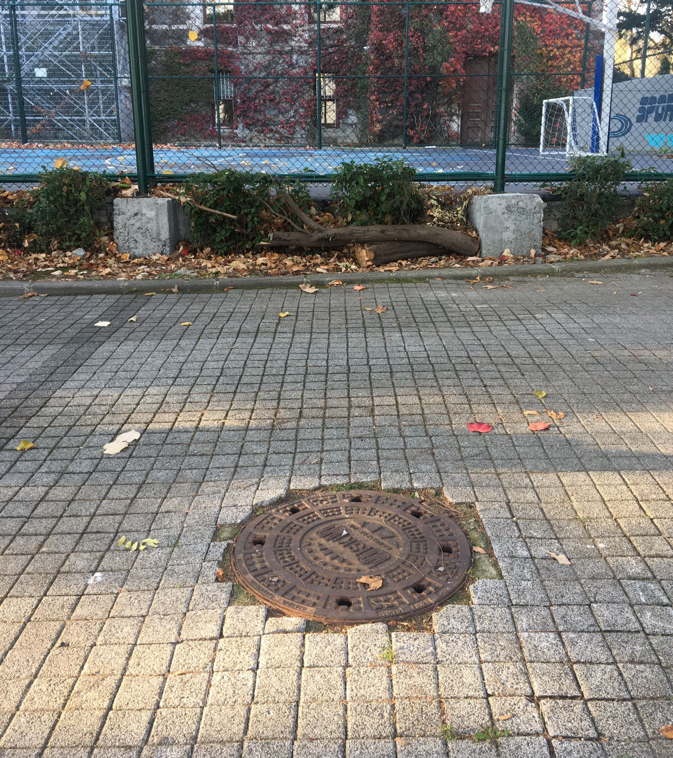
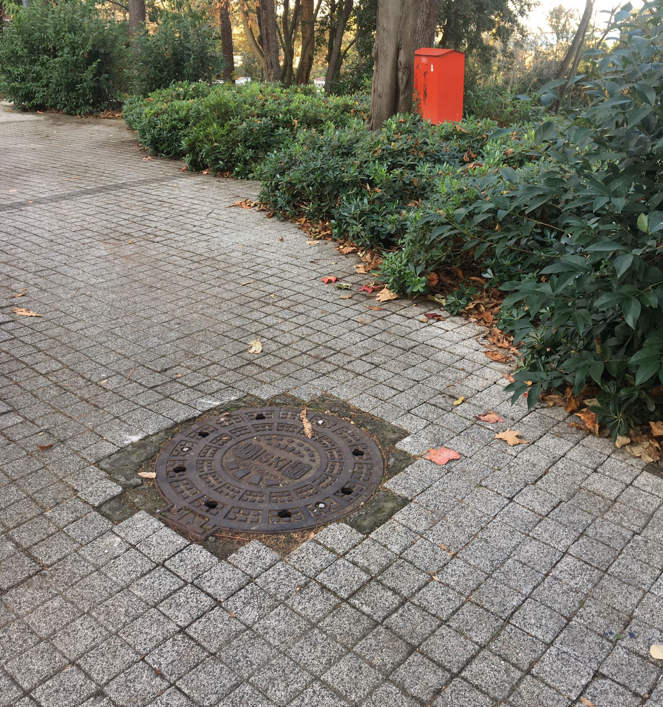
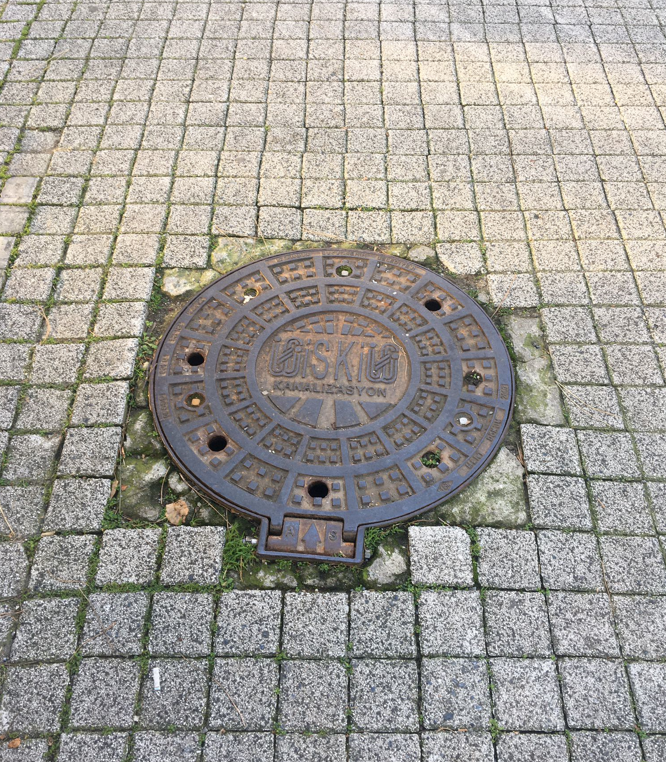
The majority of the water used on Boğaziçi University's campuses is supplied by the Istanbul Metropolitan Municipality (IBB) and distributed through the Istanbul Water and Sewerage Administration (ISKI). While ISKI regularly checks the network connections to prevent water pollution, Boğaziçi University takes precautions in the water systems within the campus in accordance with local regulations and national standards.
The duties and responsibilities of ISKI are regulated under the ‘Law on the Establishment and Duties of the General Directorate of Istanbul Water and Sewerage Administration’ numbered 2560. According to this law, ISKI is responsible for the protection of water resources in the region it serves and for preventing pollution of seas, lakes and rivers. Furthermore, ISKI takes technical, administrative and legal measures to prevent the pollution of groundwater. In this context, Boğaziçi University co-operates with ISKI and implements anti-pollution measures in the water systems of all campuses.
Rain and Waste Water Management
University campuses also adopt a careful approach to rainwater management. Rainwater recycling systems installed at Kandilli Campus and North Campus ensure that rainwater is collected and used in reservoirs, cleaning works and garden irrigation activities. These systems help to conserve water resources and reduce water consumption, while preventing polluted water from entering natural water resources.
In addition, oil traps located in the campus connections of the university prevent oil and oil wastes from vehicles and other sources from entering the water systems. These interceptors ensure that the water is filtered and cleaned in case of possible pollution. This is of great importance for the protection of water resources.
Occupational Health and Safety Measures
Boğaziçi University takes a proactive approach to prevent water pollution not only through infrastructure works but also through occupational health and safety processes. The Occupational Health and Safety Coordinatorship of the University has developed processes that include the prevention of possible accidents on campus and the interventions to be made in case of accidents. Proper management of chemical wastes, safe storage and transport of hazardous materials are important components of this process. Thus, the mixing of polluted water into natural water resources as a result of accidents is prevented.
Risk assessment studies to be applied in emergencies and measures to prevent damage to the environment are also regularly reviewed and updated. The University's Occupational Health and Safety Committee makes the necessary plans and supervises the practices to minimise the risks of environmental pollution as a result of accidents.
Sustainability Reports and Monitoring Processes
Boğaziçi University prepares annual sustainability reports within the scope of environmental sustainability and details its water pollution prevention processes in these reports. The environmental performance of the university, the amount of water used, the rate of recycled water and the measures taken against water pollution risks can be monitored through SoFi software. This software identifies areas where environmental performance needs to be improved by making measurements on a building basis and provides reports. This comprehensive monitoring process is one of the university's most important tools for pollution prevention and sustainable water management.
Boğaziçi University has developed comprehensive measures and processes to prevent water pollution and ensure sustainable water management on its campuses. Pollution risk is minimised through grey water recovery systems, rainwater recovery, grease traps and occupational health and safety processes. The University's environmentally sensitive policies not only protect the water resources on campus, but also fulfil its responsibilities towards the environment.
Related Links:
- Boğaziçi University Grey Water Recovery System
- Boğaziçi University Waste Water Management
- Boğaziçi University Sustainability Report
- ISKI Istanbul Water and Sewerage Administration Legislation
New Research from Boğaziçi University Against Antibiotic Resistance
A new project conducted by Prof. Dr. Bahar İnce, a faculty member at Boğaziçi University's Institute of Environmental Sciences, in collaboration with Prof. Dr. Orhan İnce from Istanbul Technical University, aims to reduce antibiotic pollution from animal waste.
The project will be implemented in collaboration with a biogas plant operating in Turkey and will focus on reducing the levels of antibiotics in manure produced during the production of energy from animal waste. The research will be carried out within the scope of two years of R&D work at a small-scale model facility to be established at Boğaziçi University.
The project will be supported by the university's Scientific Research Projects (BAP).
Prof. Dr. Bahar İnce emphasised that antibiotics mix with the environment and create resistance in bacteria, which leads to the ineffectiveness of antibiotics used in disease treatment. She stated that antibiotics used intensively in animal farms accumulate in waste, pass into fertiliser after biogas production, and spread into nature through its use in agriculture. She underlined that this situation creates a health threat that reaches humans through soil, water and food.
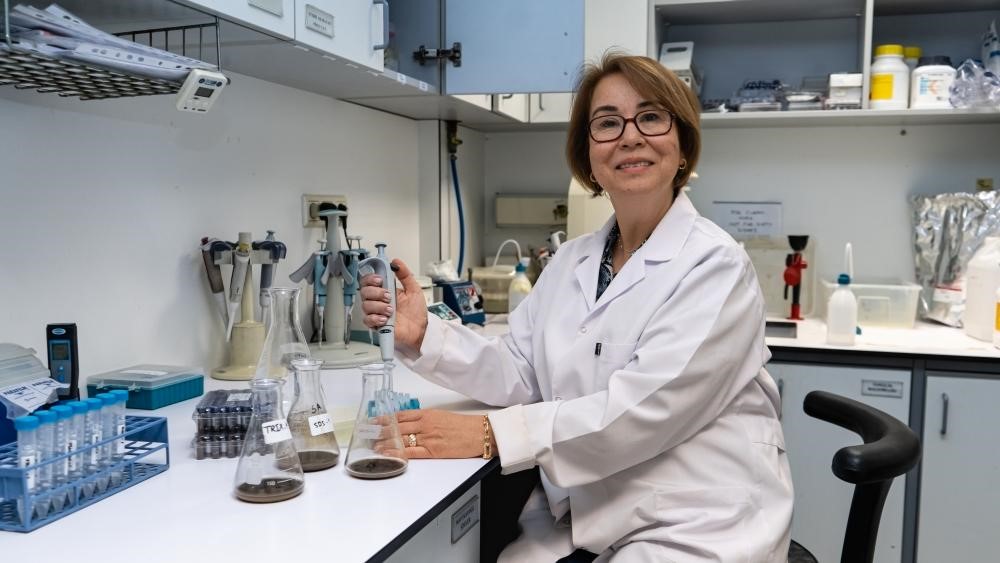
Through experimental studies to be conducted at a small model biogas plant to be established in the laboratory, new methods will be developed to reduce antibiotic residues in manure and prevent the spread of antibiotic-resistant bacteria into the environment. It is aimed that the scientific data obtained will provide guiding strategies that can be applied to similar facilities in Turkey and around the world.
With this project, Boğaziçi University aims to make a significant contribution to the global fight against antibiotic resistance, a major health and environmental issue.
https://haberler.bogazici.edu.tr/tr/news/bilim/4/bogazici-universitesinden-antibiyotik-direnci/2794
2024 Sustainability Report SDG-6 (Related Section)
Water System Pollution Prevention
Boğaziçi University attaches great importance to the protection of water resources and prevention of water pollution in order to achieve its environmental sustainability goals. Accordingly, comprehensive processes and measures have been developed to ensure sustainable water management on campuses. Grey water recovery systems, oil traps, occupational health and safety measures, water management monitoring and reporting processes are among the important components of the University's environmentally sensitive policies. While these approaches of Boğaziçi University minimise the risk of water pollution, they also strengthen the University's commitment to fulfilling its environmental responsibilities.
Pollution Prevention Systems and Processes
Most of the water used in Boğaziçi University campuses is supplied by Istanbul Metropolitan Municipality (IBB) and distributed through Istanbul Water and Sewerage Administration (ISKI). While ISKI regularly checks the network connections to prevent water pollution, Boğaziçi University takes precautions in its on-campus water systems in accordance with local regulations and national standards. The duties and responsibilities of ISKI are defined by the ‘Law on the Establishment and Duties of the General Directorate of Istanbul Water and Sewerage Administration’ numbered 2560. According to this law, ISKI is obliged to prevent the pollution of water resources, sea, lake, river coasts and groundwater with used water and industrial wastes in the region it serves and is authorised to take all kinds of technical, administrative and legal measures in this regard. In this context, Boğaziçi University co-operates with ISKI and implements measures to prevent pollution in the water systems of all campuses.
Waste Water Minimisation Solutions
University campuses are taking a careful approach to reduce polluted water entering the water system through grey water reuse. Grey water recovery systems installed at South Campus, North Campus and Kandilli Campus not only reduce water consumption but also prevent grey water from entering the water system. In addition, grease traps located at the campus connections prevent oil and grease waste from vehicles and other sources from leaking into the water systems and contribute to the filtration and cleaning of water. These practices are of great importance in terms of preventing contamination of water systems.
Occupational Health and Safety Measures
Boğaziçi University takes a proactive approach to preventing water pollution not only through infrastructure works but also through occupational health and safety processes. Boğaziçi University proactively focuses not only on infrastructure works but also on occupational health and safety processes to prevent water pollution. The University's Occupational Health and Safety Coordinatorship has developed response processes to prevent potential accidents on campus and minimise environmental risks in case of accidents. Proper management of chemical waste, safe storage and transport of hazardous materials are important components of these processes. In this way, the mixing of polluted water with natural water resources as a result of accidents is prevented. Emergency response plans and measures to prevent environmental damage are regularly reviewed and updated. The University's Occupational Health and Safety Committee carries out risk assessment studies to prevent possible accidents and audits the effectiveness of the processes.
Sustainability Reports and Monitoring Processes
In its annual sustainability reports prepared within the scope of environmental sustainability, Boğaziçi University addresses in detail the processes to prevent water pollution. Through SoFi software, an environmental, social and economic sustainability management and reporting platform, monthly measurements are taken on a building-by-building basis, enabling the environmental performance of the buildings to be monitored, calculating the total impact, as well as identifying focal points requiring improvement within the campus and making the necessary improvements. This comprehensive monitoring process is one of the most important tools of the university in terms of water pollution prevention and sustainable water management.
