

17.4.3 Education for SDGs in the wider community
Community Oriented Training Activities for SDGs
Boğaziçi University carries out specialised training activities for the Sustainable Development Goals for the wider community, including alumni, local people and refugees. Examples of these trainings are given below.
1. CoastWAVE 2.0: Community Tsunami Awareness and Disaster Preparedness in Seferihisar
Boğaziçi University’s Kandilli Observatory and Earthquake Research Institute (KOERI) contributed to strengthening tsunami awareness and disaster preparedness among the local community in Seferihisar through CoastWAVE 2.0, carried out in collaboration with Middle East Technical University (METU) and with support from the UNESCO Intergovernmental Oceanographic Commission (UNESCO-IOC). Aimed at improving the resilience of coastal communities, the initiative connected the university’s scientific expertise with local needs for understanding risks and preparing for disasters.
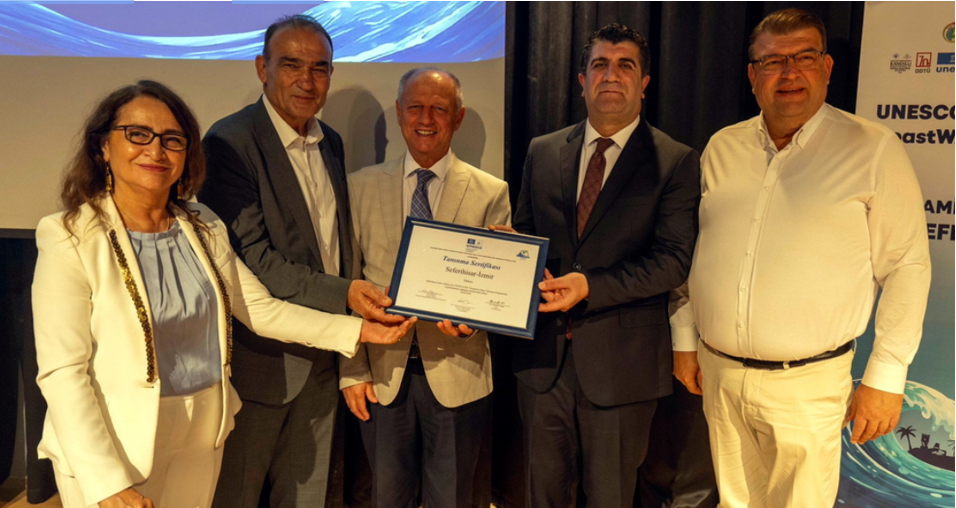
The project focused on raising awareness of tsunami hazards, promoting the effective use of early warning systems and strengthening community preparedness. KOERI’s scientific guidance and technical support helped translate tsunami knowledge into local preparedness efforts, supporting residents’ understanding of risks and the importance of maintaining disaster readiness.
These efforts helped Seferihisar qualify for international “Tsunami Ready” certification. The ceremony at Seferihisar Municipality’s Çağan Irmak Cultural Centre brought together local authorities, the İzmir Provincial Directorate of AFAD, academics, neighbourhood representatives and civil society organisations. Project Coordinator Prof. Nurcan Meral Özel emphasised that the recognition also represents a commitment to maintaining preparedness. The initiative illustrates how community awareness and capacity development, supported through collaboration between scientific institutions and local stakeholders, can contribute to sustained disaster preparedness.
The full news article is available here.
2. DeCiTeL: Democratic Citizenship Education for Teachers and Local Communities
Coordinated by Boğaziçi University and involving 12 partners from seven countries, the DeCiTeL Teacher Academy project aims to strengthen democratic citizenship education and local learning ecosystems. Supported under the EU Erasmus+ Teacher Academy call, its Stakeholder Meeting at Boğaziçi University on 22 January 2026 brought together civil society, public authorities, local government, media and education stakeholders to connect academic expertise with community perspectives.
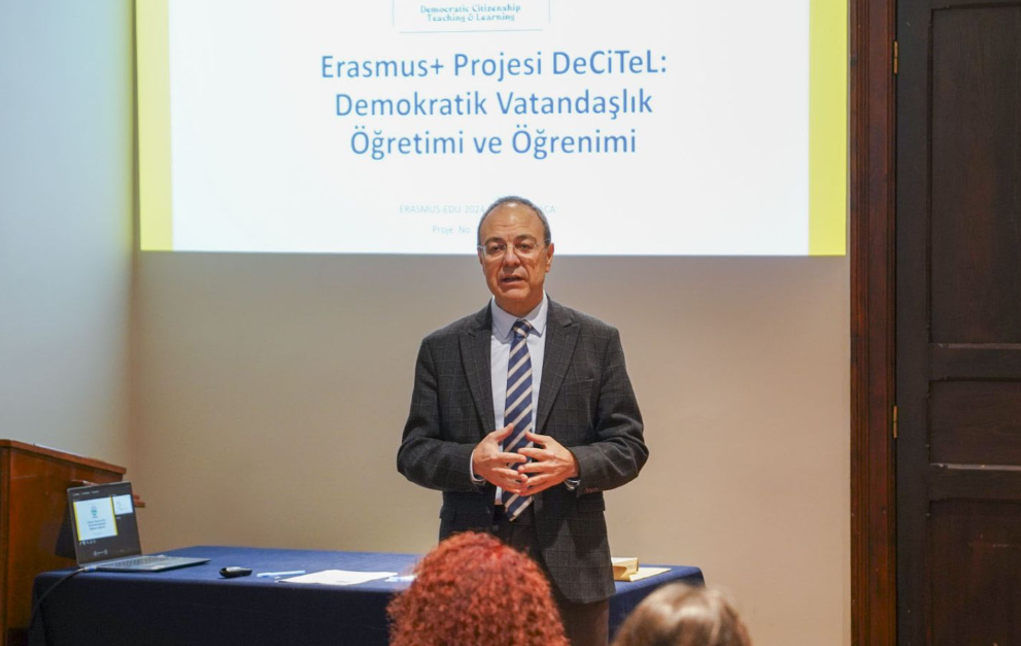
Participants included representatives of the Educational Volunteers Foundation of Turkey (TEGV), Community Volunteers Foundation (TOG), Enstitü İstanbul İSMEK, the Press Council, UN Sustainable Development Solutions Network (UN SDSN) and the Istanbul Provincial Directorate of National Education. Dr Tamer Atabarut and the research team presented the project’s objectives, activities in Türkiye and next steps. Participants discussed teacher education policies and expanding local learning opportunities through collaboration between civil society, public institutions and universities.
Discussions explored potential joint activities on global citizenship, European citizenship, human rights, peace education and digital citizenship within teacher education. Further consultations are planned throughout the project to inform teacher education, policy development, dissemination and local learning ecosystems. This approach aims to connect democratic citizenship and sustainability learning with communities beyond the university by incorporating diverse stakeholders’ experience into educational activities.
The full news article is available here.
3. Extending Environmental Sustainability Education through the SENSES Project
Boğaziçi University supports the teaching of environmental sustainability through science education as a partner in SENSES (Science Education through Novel Teaching Strategies for Environmental Sustainability), funded by the EU Erasmus+ Programme. The project brings together universities and educational institutions from Türkiye, Germany, the Netherlands, Greece and Cyprus. Prof. Sevil Akaygün leads Boğaziçi University’s contribution, with Prof. Emine Adadan participating as a researcher, both from the Department of Mathematics and Science Education. The project aims to strengthen teacher educators’ and pre-service teachers’ knowledge and skills in sustainability education.
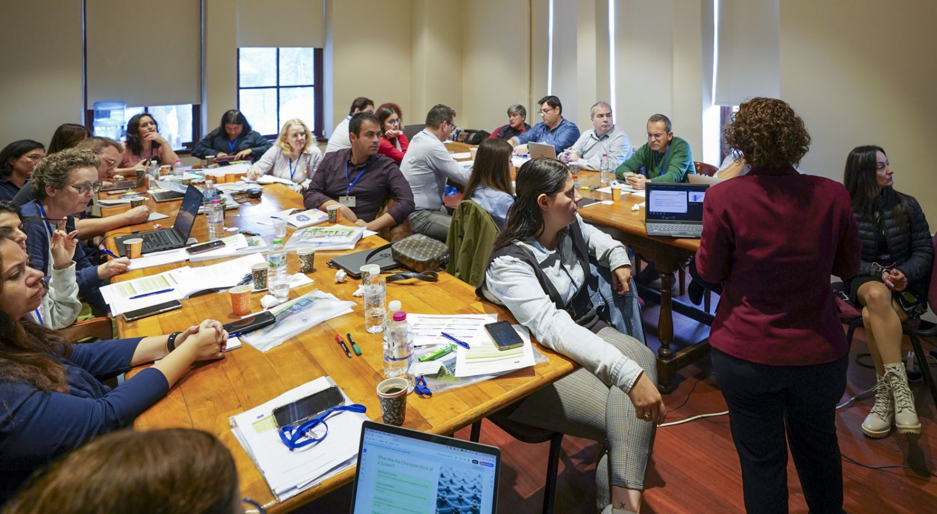
To achieve this, SENSES is developing online teaching modules, training-of-trainers programmes and teacher networks. Following the project’s second Transnational Meeting at Boğaziçi University’s South Campus on 22 October 2025, a “Training of Trainers: Environmental Sustainability Education” seminar was held on 23–24 October 2025. Designed for teacher educators, the seminar provided a learning environment in which participants could explore the project’s teaching approaches and evaluate them through discussion and experience sharing.
The seminar introduced innovative modules addressing socioscientific issues, inquiry-based learning, ocean literacy, systems thinking and problem-solving. Participants’ feedback and discussions were intended to inform further development of the modules. By connecting educational materials with professional learning and international knowledge exchange, this approach aims to help future science teachers integrate environmental awareness and global citizenship into their teaching, extending sustainability knowledge to wider learning communities through teacher education and classroom practice.
The full news article is available here.
4. Kandilli’s Community Outreach in Disaster Awareness and Science Education
Boğaziçi University’s Kandilli Observatory and Earthquake Research Institute (KOERI) shares scientific knowledge with the wider community through its Disaster Preparedness Laboratory (AHLAB), established in 2000. Programmes addressing basic disaster awareness and structural earthquake safety reach an average of 25,000 people annually, providing practical knowledge and skills that participants can apply to disaster preparedness in everyday life.
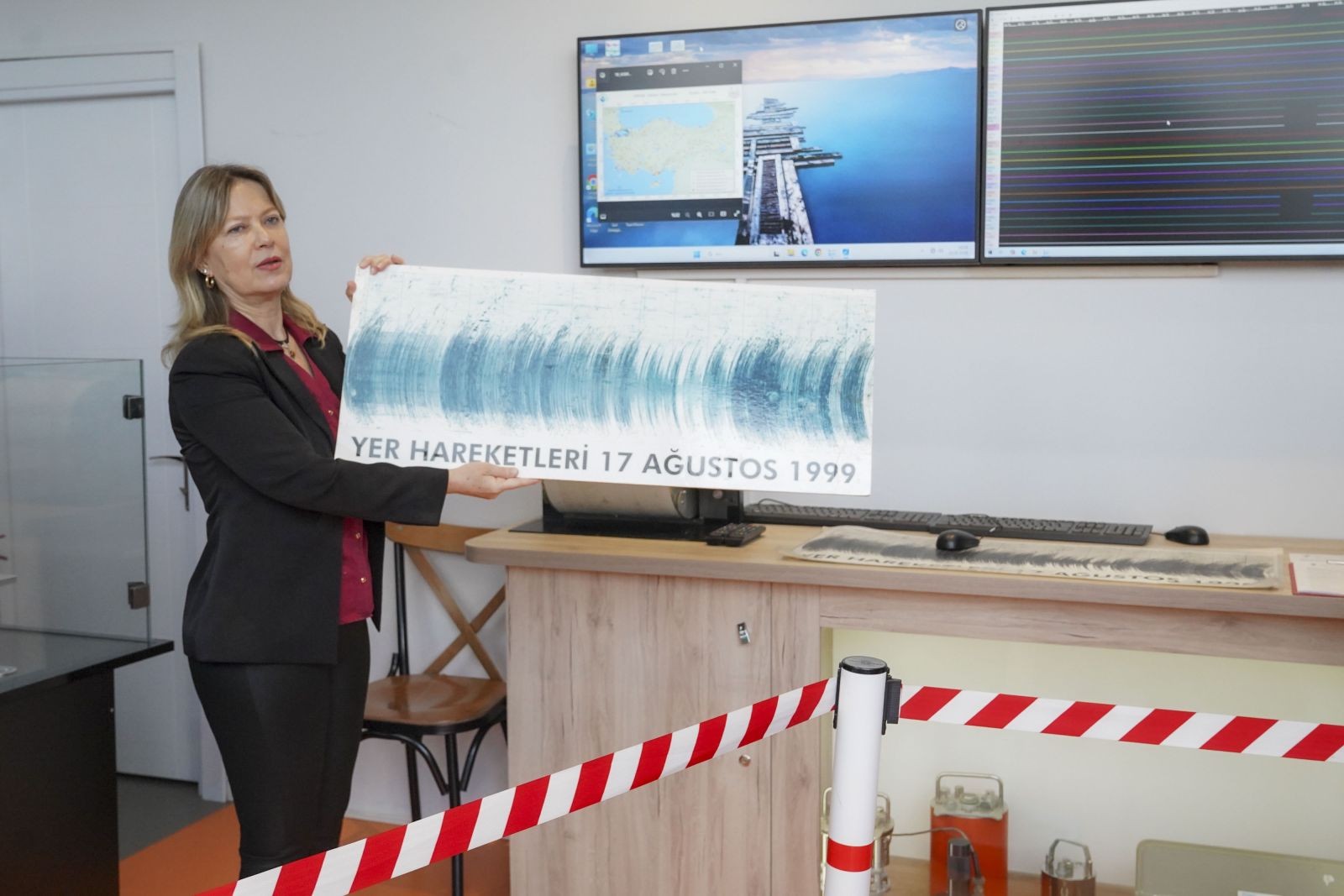
Running for more than 25 years, the Observatory Tours offer hands-on learning opportunities for students from primary school through university. At Deprem Park, participants explore plate tectonics using models and practise appropriate earthquake responses in simulators. Visits to the Astronomy and Meteorology laboratories introduce solar observations, meteorological measurements and weather forecasting. The History of Science Collection also connects visitors with the observatory’s scientific heritage.
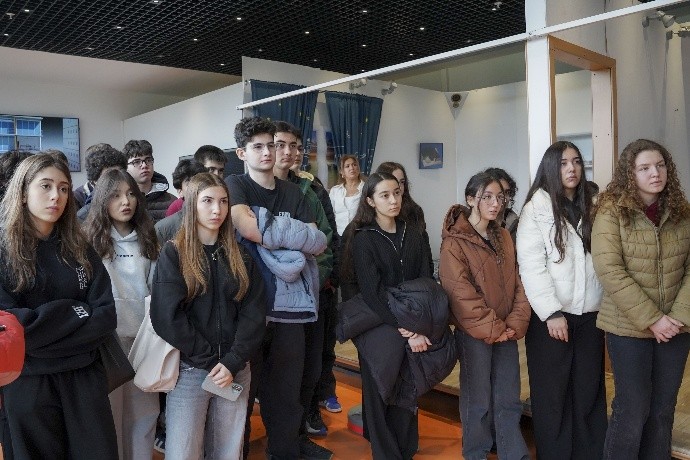
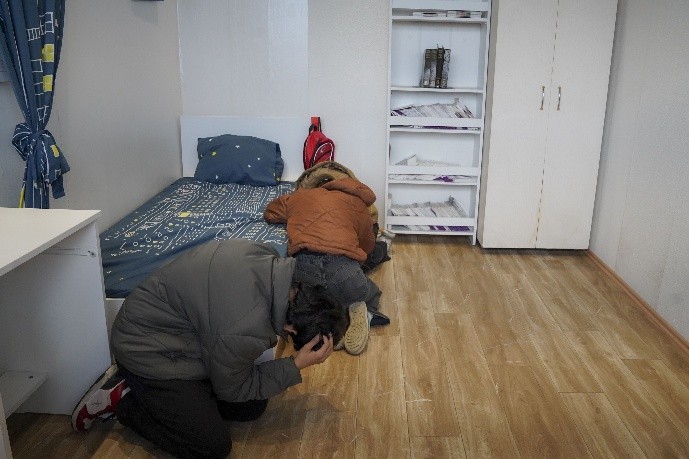
Operating since 2008, the Mobile Earthquake Simulation Truck (GEDSET) takes earthquake education beyond the campus to communities across Türkiye. These outreach activities support disaster preparedness, scientific literacy and lifelong learning, connecting with SDG 4 — Quality Education and SDG 11 — Sustainable Cities and Communities. Groups wishing to join the Observatory Tours can apply through AHLAB’s online application system.
The full news article is available here.
5. BRIGHT Masterclass For All Students: Entrepreneurship Education and Mentoring for Students from Different Universities
Organised by Boğaziçi University’s Entrepreneurship Application and Research Centre and implemented by the Boğaziçi Teknopark Incubation Centre, BRIGHT Masterclass For All Students is an entrepreneurship education programme open to undergraduate, master’s and doctoral students from different universities. It extends the university’s educational and mentoring opportunities beyond its own student community, supporting entrepreneurial skills development within a wider learning community.
During the 2025 programme, young entrepreneurs from different universities developed their projects through mentoring on markets and competition, presentation techniques and investment pitch preparation. These skills also provide a foundation for students to translate business ideas that could contribute to sustainability into viable business models and prepare to put them into practice. In this respect, the programme relates to SDG 4 — Quality Education, particularly the development of skills for employment and entrepreneurship.
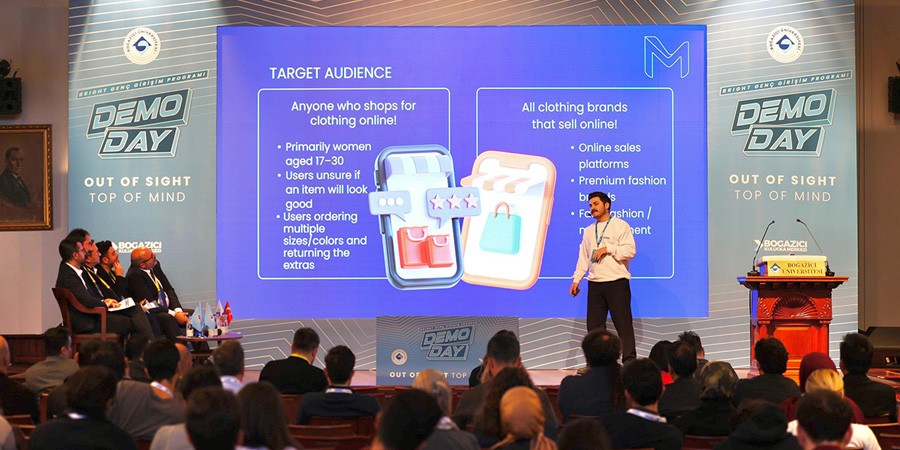
Education and mentoring within the BRIGHT ecosystem are complemented by Demo Day events, where ventures present their projects to judging panels. Another example within this ecosystem is the BRIGHT Young Entrepreneurs Programme’s Demo Day on 25 November 2025, where nine ventures comprising Boğaziçi University students presented their business ideas. The top three ventures received TRY 600,000 in total, giving young entrepreneurs an opportunity to showcase their projects and secure financial support for further development.
The full news article is available here.
6. Boğaziçi European School of Politics
Boğaziçi European School of Politics aims to provide young people between the ages of 25-35 from different provinces of Turkey with the opportunity to discuss different policy alternatives and to provide them with skills that will support them in achieving their career goals in politics, civil society and local governments through trainings and various events organised twice a year.
24 young people from 15 different cities of Turkey participated in the Winter 2023 Training Programme held between 5-12 February 2023. The programme covered important topics such as Foreign Policy, Human Rights Law, European Union Agenda, Communication, Education Policies, Voter Trends and Gender.
For more information please click here: https://avrupasiyasetokulu.org/
7. Go Zero - Zero Waste Management in Food Sector Project:Training Activity
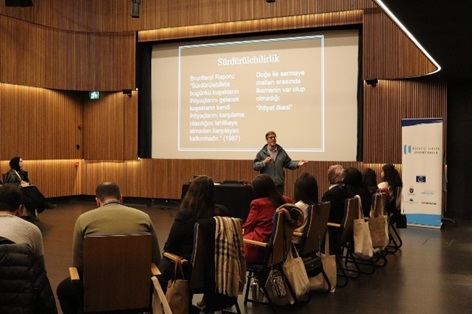
The European Union project titled ‘Zero Waste Management in the Food Sector’, of which Boğaziçi University is a project partner and coordinated by Istanbul Provincial Directorate of Environment, Urbanisation and Climate Change, aims to improve the waste management skills of food sector employees and food department students of vocational high schools. The project also aims to raise awareness on the environmental and financial impacts of zero waste management.
The short-term staff training activity of the ‘Zero Waste Management in the Food Sector’ project was held in Istanbul, hosted by Boğaziçi University between 19-23 June 2023 with the participation of all partner institutions. The participants were trained on sustainable consumption and production practices and initiatives, food packaging, biomethanisation and composting of organic wastes including food residues, chemical recycling of agricultural residues, integration of environmental sustainability practices into the production sector, environmental performance of bread using cradle-to-grave life cycle assessment methodology, solid waste management, zero waste management, adult learning, using project training contents and platform. On 18 October 2023, a training on ‘Zero Waste & Zero Waste Management in Olive and Olive Oil Sector’ was held at Etiler Vocational and Technical Anatolian High School.
Click here for more information:
1) https://sdcpc.bogazici.edu.tr/tr/news-04.asp
2) https://sdcpc.bogazici.edu.tr/PROJECTS/Go%20Zero%20Brochure_ENG.pdf
8. Boğaziçi Ayvalık Schools: Workshops Inspiring Children
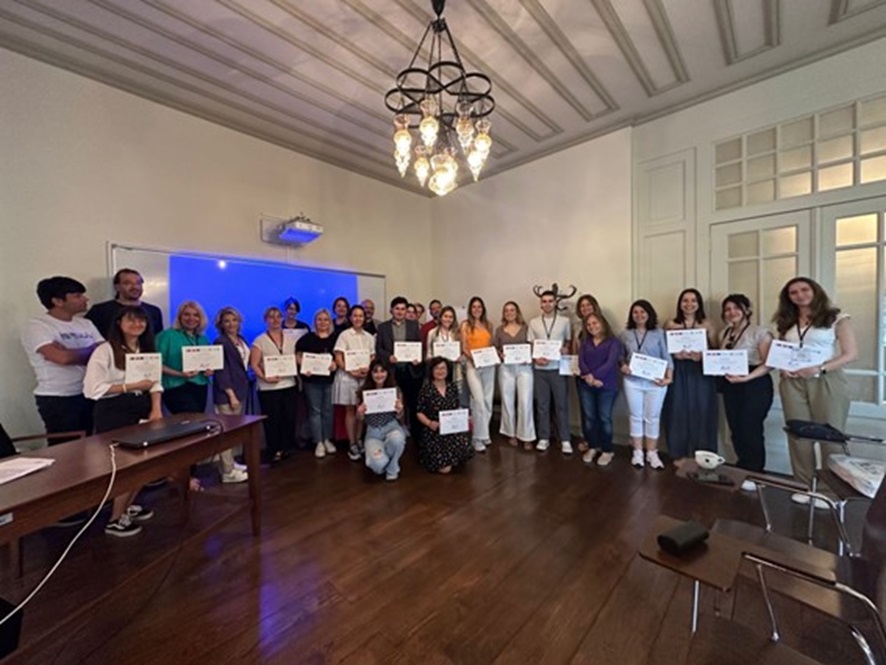
Boğaziçi Ayvalık Schools enable children to explore different areas of interest and gain experience in these areas through workshops conducted by volunteer university students, counsellors and programme coordinators in the field. It also aims to raise awareness with activities focusing on themes such as ecological life, recycling, children's rights, children and identity, and children's memory. In Ayvalık Schools 2023 September Summer School, 50 children participated in workshops in various fields such as photography, fairy tales, yoga and dance, music and art.
Click here for more information: https://bogaziciayvalikokulu.com/
9. BÜYEM Social Responsibility, EU & ISTKA Projects and Sustainability Program
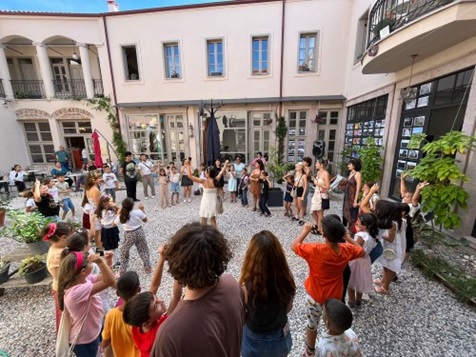
Boğaziçi University Lifelong Learning Center (BÜYEM) aims to contribute to social development and increase the capacity of individuals and communities in areas such as education, social awareness and employment through Corporate Social Responsibility Projects and EU & ISTKA Projects carried out in partnership with the European Union and Istanbul Development Agency.
Through Social Responsibility Projects carried out in cooperation with various institutions, BÜYEM provides various trainings centered on sustainability such as good agricultural practices, sustainable tourism, women entrepreneurship trainings to individuals from different segments of society and disadvantaged groups. EU & ISTKA Projects aim to provide concrete solutions in areas such as economic and social development, entrepreneurship and vocational training through local and international collaborations.
A separate program, the “Corporate Sustainability Program” is open to individual and corporate participation and meets the needs and expectations for the corporate implementation of sustainability.
Click here for more information:
1. https://kss.bogazici.edu.tr/wp-content/uploads/wp-buyem-kss-brosur-1.pdf
2. https://impact.bogazici.edu.tr/sites/impact.bogazici.edu.tr/files/buyem_ye_brosur_2023mart_en.pdf
3. https://buyem.bogazici.edu.tr/course/kurumsal-surdurulebilirlik-programi
Examples of BÜYEM's Corporate Social Responsibility Projects:
My Knowledge My Abundance: In cooperation with the Inclusive Growth Association, seminars on financial literacy and good agricultural practices were organized for farmers with the contributions of Izmir Commodity Exchange and Izmir Provincial Directorate of Agriculture. http://www.bilgimbereketim.com/
My Future is Tourism: In cooperation with Anadolu Efes, sustainable tourism strategies were developed in 27 implementation areas in 22 provinces and 5 districts to support the social and economic development of regions with tourism potential, and 3355 people were recruited to the tourism sector.
Beauty Expert Training: In cooperation with L'Oréal, women between the ages of 18-28 who are unemployed and suffering from financial difficulties were provided with beauty expertise training within the framework of a certificate program, enabling them to have a profession.
Examples of EU & ISTKA Projects:
Project for Opening Amasya to New Markets: Considering the need for Amasya to open up to new markets, trainings were provided on foreign trade, electronics, business development, basic English, business English and computer skills.
Entrepreneurship Project in Beyoğlu: In the project prepared upon the request of Beyoğlu Municipality; trainings were provided on making wooden toys and accessories, information-archiving, and setting up e-business over the internet.
10. BÜYEM and Zorlu Holding Collaboration:Sustainability Trainings
In cooperation withBoğaziçi University Lifelong Learning Centre (BÜYEM) and Zorlu Holding, the 4th term of the ‘Sustainability 101’ training organised within the framework of the Smart Life 2030 vision was completed with the participation of 300 Zorlu Group employees in 2023.
In addition, within the scope of the Zorlu Energy Experience (ZExperience) Programme, which was launched in April 2023, 49 young scholars received 17 online trainings on Academy 101, Climate & Sustainability, Technology, Energy and Communication with the contributions of academics from BÜYEM, Istanbul Technical University and Bilgi University. These programmes aimed to raise sustainability awareness and contribute to the development of new generation leaders.
Click here for more information:
2) https://imece.com/temalar/zorlu-enerji-experience
11. Teachers 2030: Sustainable Development Goals and Climate Mobilisation Training
‘Teachers 2030: Sustainable Development Goals and Climate Mobilisation Training’ was held between 24 October - 7 December 2023 in cooperation withSchneider Electric, UN SDSN Turkey and Boğaziçi University Lifelong Learning Center (BÜYEM). Within the scope of this programme, it was aimed to increase the knowledge and skills of teachers working in K12 schools on sustainability. The training focused on the concepts of the United Nations 2030 Agenda, Sustainable Development Goals and education for sustainable development; practical examples such as lesson plans and classroom practices were shared. In addition, activities to support students' skills such as solution-oriented thinking, creativity and entrepreneurship were shared.
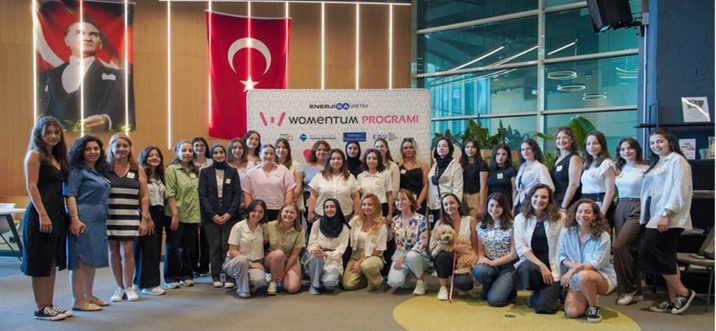
12. Womentum: Education Programme for Women Students
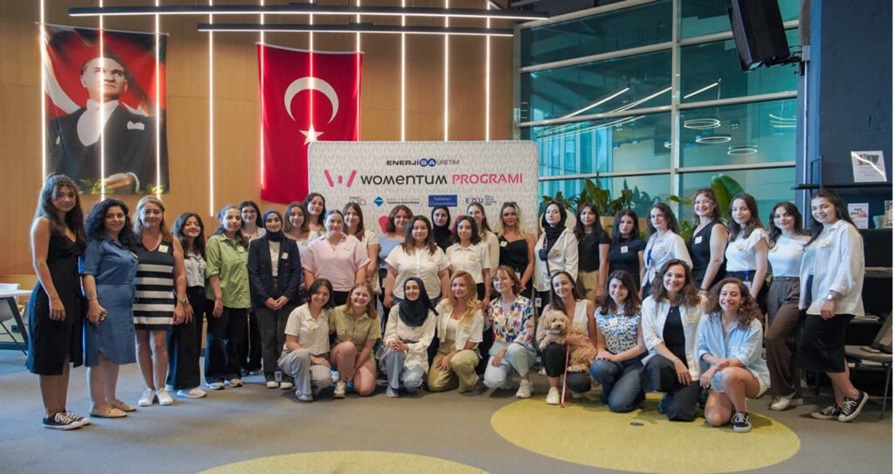
Enerjisa Üretim, a member company of BCSD Turkey, which initiated the ‘Future of Work and Women's Employment’ project, carries out the‘Education Programme for Women Students (Womentum)’ project, which aims to increase women's participation in education and economic life. The programme, which covers 3rd and 4th year female students studying at all universities and vocational colleges in Turkey, is designed within the framework of gender equality.
The training content of the Womentum programme, developed by Enerjisa Üretim in cooperation with İmeceLAB, was created with the contributions of Boğaziçi University Lifelong Learning Center (BÜYEM) and Sabancı University by making use of the Power MBA programme. A total of 2030 female students from 68 different provinces participated in the programme held in 2023. Participants received a total of 19 trainings in the fields of sustainability, personal development, career, energy, finance and digital during the 8-week programme.
Click here for more information:
https://imece.com/temalar/womentum-2024/womentum
13. Innovative Agribusiness Training Programme
The ‘Innovative Agribusiness Training Programme’ organised by Boğaziçi University Innovative Agriculture and Food Business Platform (bountarım ) aims to contribute to the creation and development of a sustainable structure in the agricultural sector. Within the scope of the programme, topics such as the application of sustainability principles in farms, the role of the agri-food supply chain in sustainability and the importance of marketing in the agricultural sector are discussed. In the courses, sustainability practices are discussed through successful and unsuccessful examples and professional development opportunities are offered to the participants.
Click here for more information: https://www.bountarim.net/yenilikci-tarim-isletmeciligi
14. Publicly Available Educational Metarials from İklimBU
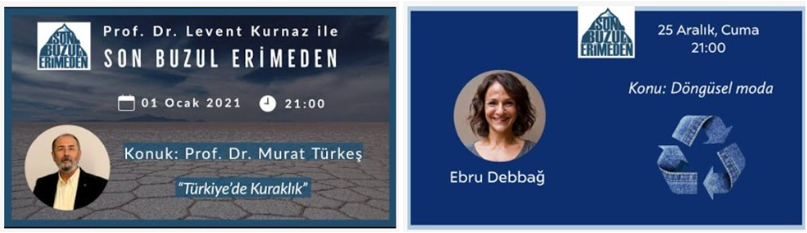
Boğaziçi University Climate Change and Policy Research and Application Centre (iklimBU) publishes educational materials on topics such as climate change, carbon footprint, environmental pollution and sustainable development on its website. These contents, which can also be used by individuals outside the academia, include informative articles, blogs, newsletters and video series, thus aiming to raise awareness by reaching a wide segment of the society.
Click here for more information:
1) https://climatechange.bogazici.edu.tr/iklim-degisikligi/#bunlaribiliyormusunuz
2) https://climatechange.bogazici.edu.tr/son-buzul-erimeden-bilim-sohbetleri/
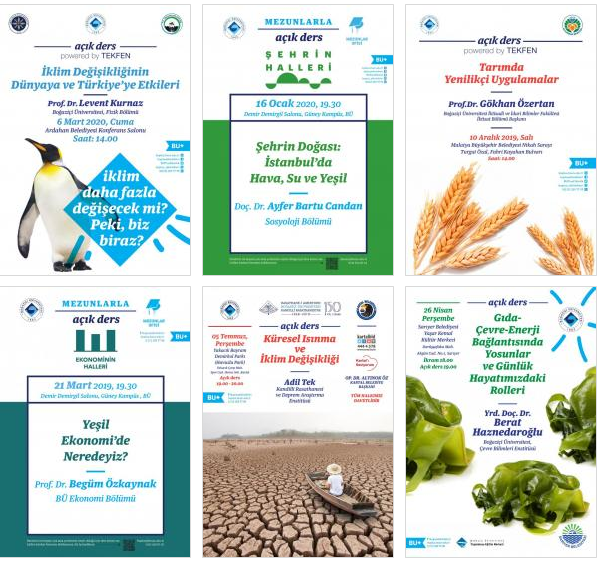
15. 'Open Lecture' Seminar Series on BU+ Platform
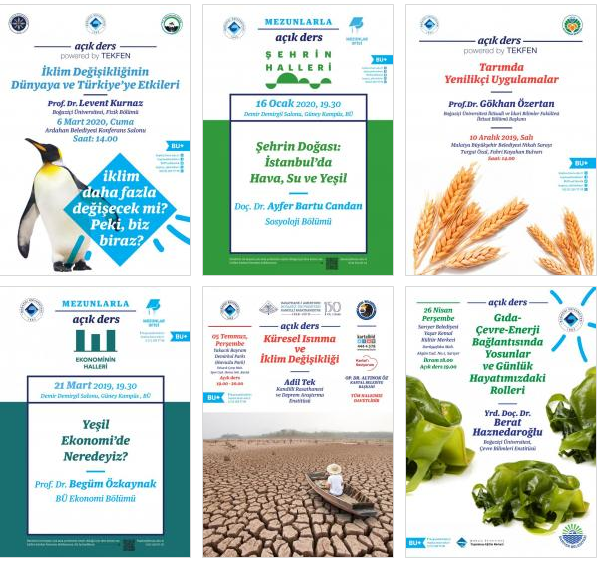
The ‘Open Lecture’ seminar series, organised by Boğaziçi University Culture and Arts Commission, addresses all segments of society with content covering Sustainable Development Goals (SDGs) themes such as health, education, economy and climate. The videos of these seminars are publicly available on the BU+ web platform.
For more information, please click here: https://buplus.bogazici.edu.tr/etkinlik-turu/acik-ders
2024 Sustainability Report SDG-17 (Related Section)
Community Oriented Training Activities for SDGs
Boğaziçi University carries out specialised training activities for the Sustainable Development Goals for the wider community, including alumni, local people and refugees. Examples of these trainings are given below.
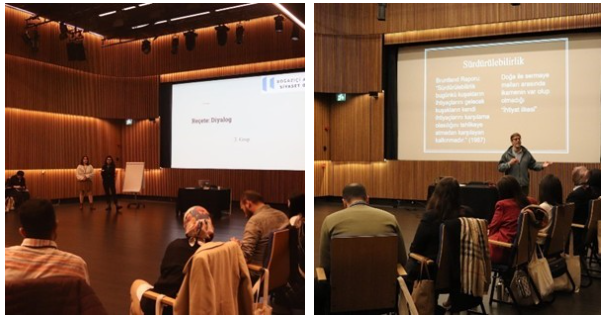
1. Boğaziçi European School of Politics
Boğaziçi European School of Politics aims to provide young people between the ages of 25-35 from different provinces of Turkey with the opportunity to discuss different policy alternatives and to provide them with skills that will support them in achieving their career goals in politics, civil society and local governments through trainings and various events organised twice a year.
24 young people from 15 different cities of Turkey participated in the Winter 2023 Training Programmeheld between 5-12 February 2023. The programme covered important topics such as Foreign Policy, Human Rights Law, European Union Agenda, Communication, Education Policies, Voter Trends and Gender.
For more information please click here:
https://avrupasiyasetokulu.org/
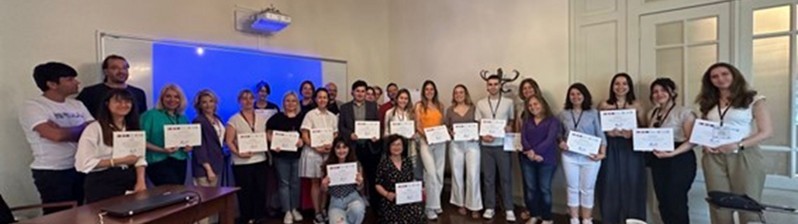
2. Go Zero - Zero Waste Management in Food Sector Project:Training Activity
The European Union project titled‘Zero Waste Management in the Food Sector’, of which Boğaziçi University is a project partner and coordinated by Istanbul Provincial Directorate of Environment, Urbanisation and Climate Change, aims to improve the waste management skills of food sector employees and food department students of vocational high schools. The project also aims to raise awareness on the environmental and financial impacts of zero waste management.
The short-term staff training activity of the‘Zero Waste Management in the Food Sector’ project was held in Istanbul, hosted by Boğaziçi University between 19-23 June 2023 with the participation of all partner institutions. The participants were trained on sustainable consumption and production practices and initiatives, food packaging, biomethanisation and composting of organic wastes including food residues, chemical recycling of agricultural residues, integration of environmental sustainability practices into the production sector, environmental performance of bread using cradle-to- grave life cycle assessment methodology, solid waste management, zero waste management, adult learning, using project training contents and platform. On 18 October 2023, a training on ‘Zero Waste & Zero Waste Management in Olive and Olive Oil Sector’ was held at Etiler Vocational and Technical Anatolian High School.
Click here for more information:
https://sdcpc.bogazici.edu.tr/tr/news-04.asp
https://sdcpc.bogazici.edu.tr/PROJECTS/Go%20Zero%20Brochure_ENG.pdf
3. Boğaziçi Ayvalık Schools: Workshops Inspiring Children
Boğaziçi Ayvalık Schools enable children to explore different areas of interest and gain experience in these areas through workshops conducted by volunteer university students, counsellors and programme coordinators in the field. It also aims to raise awareness with activities focusing on themes such as ecological life, recycling, children's rights, children and identity, and children's memory. InAyvalık Schools 2023 September Summer School, 50 children participated in workshops in various fields such as photography, fairy tales, yoga and dance, music and art.

Click here for more information:
https://bogaziciayvalikokulu.com/
4. BÜYEM and Zorlu Holding Cooperation: Sustainability Trainings
In cooperation withBoğaziçi University Lifelong Learning Centre (BÜYEM) and Zorlu Holding, the 4th term of the ‘Sustainability 101’ training organised within the framework of the Smart Life 2030 vision was completed with the participation of 300 Zorlu Group employees in 2023.
In addition, within the scope of the Zorlu Energy Experience (ZExperience) Programme, which was launched in April 2023, 49 young scholars received 17 online trainings on Academy 101, Climate & Sustainability, Technology, Energy and Communication with the contributions of academics from BÜYEM, Istanbul Technical University and Bilgi University. These programmes aimed to raise sustainability awareness and contribute to the development of new generation leaders.
Click here for more information:
1) https://www.zorlu.com.tr/akillihayat2030/yazilar/akilli-hayat-akademisi
2) https://imece.com/temalar/zorlu-enerji-experience
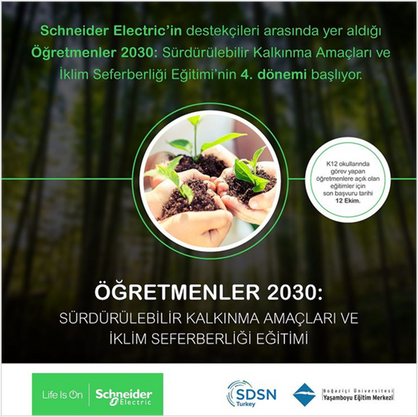
5. Teachers 2030: Sustainable Development Goals and Climate Mobilisation Training
‘Teachers 2030: Sustainable Development Goals and Climate Mobilisation Training’ was held between 24 October - 7 December 2023 in cooperation withSchneider Electric, UN SDSN Turkey and Boğaziçi University Lifelong Learning Center (BÜYEM). Within the scope of this programme, it was aimed to increase the knowledge and skills of teachers working in K12 schools on sustainability. The training focused on the concepts of the United Nations 2030 Agenda, Sustainable Development Goals and education for sustainable development; practical examples such as lesson plans and classroom practices were shared. In addition, activities to support students' skills such as solution-oriented thinking, creativity and entrepreneurship were shared.
6. Womentum: Education Programme for Women Students
Enerjisa Üretim, a member company of BCSD Turkey, which initiated the ‘Future of Work and Women's Employment’ project, carries out the‘Education Programme for Women Students (Womentum)’ project, which aims to increase women's participation in education and economic life. The programme, which covers 3rd and 4th year female students studying at all universities and vocational colleges in Turkey, is designed within the framework of gender equality.
The training content of the Womentum programme, developed by Enerjisa Üretim in cooperation with İmeceLAB, was created with the contributions of Boğaziçi University Lifelong Learning Center (BÜYEM) and Sabancı University by making use of the Power MBA programme. A total of 2030 female students from 68 different provinces participated in the programme held in 2023. Participants received a total of 19 trainings in the fields of sustainability, personal development, career, energy, finance and digital during the 8-week programme.
7. Womentum: Education Programme for Women Students
Click here for more information:
https://imece.com/temalar/womentum-2024/womentum
8. Innovative Agribusiness Training Programme
The ‘Innovative Agribusiness Training Programme’ organised by Boğaziçi University Innovative Agriculture and Food Business Platform (bountarım ) aims to contribute to the creation and development of a sustainable structure in the agricultural sector. Within the scope of the programme, topics such as the application of sustainability principles in farms, the role of the agri-food supply chain in sustainability and the importance of marketing in the agricultural sector are discussed. In the courses, sustainability practices are discussed through successful and unsuccessful examples and professional development opportunities are offered to the participants.
Click here for more information:
https://www.bountarim.net/yenilikci-tarim-isletmeciligi
9. Publicly Available Educational Materials from İklimBU
Boğaziçi University Climate Change and Policy Research and Application Centre (iklimBU) publishes educational materials on topics such as climate change, carbon footprint, environmental pollution and sustainable development on its website. These contents, which can also be used by individuals outside the academia, include informative articles, blogs, newsletters and video series, thus aiming to raise awareness by reaching a wide segment of the society.
Click here for more information:
https://climatechange.bogazici.edu.tr/iklim- degisikligi/#bunlaribiliyormusunuz
https://climatechange.bogazici.edu.tr/son-buzul-erimeden-bilim-sohbetleri/
10. ‘Open Lecture’ Seminar Series on BU+ Platform
The ‘Open Lecture’ seminar series, organised by Boğaziçi University Culture and Arts Commission, addresses all segments of society with content covering Sustainable Development Goals (SDGs) themes such as health, education, economy and climate. The videos of these seminars are publicly available on the BU+ web platform.
For more information, please click here:
https://buplus.bogazici.edu.tr/etkinlik-turu/acik-ders
BOĞAZİÇİ UNIVERSITY
GUIDELINES FOR THE SOCIAL CONTRIBUTION COORDINATION OFFICE
CHAPTER ONE
Introductory Provisions
Purpose and Scope
ARTICLE 1 – (1) The purpose of these Guidelines is to set out the procedures and principles governing the planning, coordination, implementation, data management, monitoring, evaluation, development and ensuring the sustainability of social contribution activities carried out by Boğaziçi University in an integrated manner with its education and teaching, research and development, and other academic and administrative activities.
- Within this scope, the aim is to support the transformation of social, cultural, artistic, environmental, sporting and scientific activities, as well as educational, informational, awareness-raising, advisory, research, social responsibility and community service initiatives carried out within the University, into social benefits and social impact at local, regional, national and international levels.
- The Guidelines also set out the principles regarding duties, powers, responsibilities, monitoring and reporting in relation to the institutional coordination of the University’s social contribution activities.
- This Guideline;
- efforts aimed at developing Boğaziçi University’s social contribution policies, strategies and objectives,
- the coordination of social contribution activities carried out within the University,
- the planning, implementation, monitoring, evaluation, reporting and improvement of social contribution activities,
- the support for the participation of internal and external stakeholders in social contribution activities,
- the systematic,
- The duties, powers and working procedures of the Social Contribution Co-ordination Unit and Unit Representatives.
Legal Basis
ARTICLE 2— (1) These Guidelines have been drawn up in accordance with Articles 12, 14 and the 35th Supplementary Article of the Higher Education Act No. 2547 dated 4 November 1981, as well as the relevant provisions of legislation concerning quality assurance and social contribution activities at higher education institutions.
Definitions
ARTICLE 3 – (1) The terms used in this Directive shall have the following meanings:
- Academic and Administrative Units: Faculties, institutes, colleges, departments, research and application centres, co-ordinators’ offices, directorates and other academic and administrative units within the University that carry out social contribution activities;
- Unit Representative: Staff appointed to manage social contribution processes within the University’s academic and administrative units, and to ensure data flow and coordination,
- External Stakeholders: Public institutions and organisations outside the University, local authorities, private sector organisations, civil society organisations, professional bodies, alumni and other relevant sections of society,
- Internal Stakeholder: The University’s academic and administrative staff and students,
- Coordinator: The Boğaziçi University Social Contribution Coordinator,
- Coordinator’s Office: The Boğaziçi University Social Contribution Coordinator’s Office,
- KIDR: The Institutional Self-Evaluation Report,
- PÜKO cycle: The continuous improvement of social contribution processes in accordance with the principles of Plan, Do, Check and Act,
- Rector: The Rector of Boğaziçi University,
- Vice-Rector: The Vice-Rector to whom the Social Contribution Coordination Unitreports,
- Social impact: The short-, medium- or long-term changes brought about by the University’s activities on individuals, groups, institutions, the environment and society,
- Social contribution: The activities and processes through which the University utilises its knowledge, expertise, human resources, research and educational capacity to meet the needs of society, resolve social issues and support sustainable social development,
- University: Boğaziçi University,
- YÖKAK: The Higher Education Quality Council,
- YÖKSİS:The Higher Education Information System,
CHAPTER TWO
The University’s Objectives, Principles and Areas of Activity Regarding Social Contribution
The University’s Objectives Regarding Social Contribution ARTICLE 4 – (1) The University;
- to make scientific knowledge, academic expertise and research and development outputs available for the benefit of society and to support regional and national development,
- To develop scientific, innovative, interdisciplinary and sustainable solutions to the changing needs of society,
- To integrate education and research activities with social contribution, (c) To strengthen university-society interaction,
- To support accessible and inclusive activities targeting different sections of society, particularly disadvantaged and vulnerable groups,
- To contribute to sustainable development at local, national and international levels,
- Fostering and strengthening students’ awareness of social responsibility, volunteering and social sensitivity,
- Ensuring that the social contribution activities carried out at the University are organised within a measurable, monitorable and sustainable institutional framework,
These are its objectives.
Basic Principles
ARTICLE 5 – (1) The following principles shall form the basis:
- Focus on societal needs: Activities shall be planned taking into account the genuine and current needs of society, as identified through field surveys and scientific data sets,
- Scientific rigour and ethics: Activities must be based on scientific knowledge, research and expertise, as well as ethical values,
- Participation: The appropriate level of participation by internal and external stakeholders in the planning, implementation and evaluation processes must be supported;
- Inclusivity and equality: Activities must be designed to be open to all sections of society, free from discrimination and sensitive to diversity,
- Sustainability: Aiming for a social impact that is as lasting and sustainable as possible,
- Transparency and accountability: Ensuring that activities and outcomes are traceable and reportable,
- Cooperation: Developing effective partnerships with public institutions, local authorities, civil society organisations, the private sector and other stakeholders,
- Impact-oriented approach: Monitoring not only the number of activities but also the outputs, outcomes and social impact generated by these activities,
- Continuous improvement: The implementation of social contribution processes based on the principles of planning, implementation, monitoring, evaluation and improvement.
Areas of social contribution activities
ARTICLE 6 – (1) The University’s social contribution activities cover the following areas:
- Educational programmes, courses, seminars, workshops and similar activities addressing the community’s needs for education and lifelong learning,
- Science communication, information and awareness-raising activities aimed at sharing scientific knowledge with the public,
- Initiatives aimed at children, young people, the elderly, people with disabilities, migrants and other disadvantaged or special-needs groups,
- Work in the fields of the environment, climate change, energy, biodiversity and sustainability,
- Activities aimed at the development of culture, the arts, sport and social life,
- Research conducted for the benefit of society in fields such as education, health, social policy, economics, technology, engineering, culture and similar areas,
- Joint projects for the public good carried out with public institutions, local authorities, civil society organisations and other bodies,
- Consultancy, scientific advice, policy recommendations and similar work carried out within the University’s areas of expertise,
- The development of innovative products, services, methods, models and applications aimed at resolving social issues,
- Scientific, educational or social support activities addressing the needs of society in the event of disasters, crises and emergencies,
- Support for students’ voluntary work, social responsibility and community service activities,
- Activities related to the United Nations Sustainable Development Goals,
- Other initiatives that constitute a contribution to society in line with the University’s strategic aims and objectives.
CHAPTER THREE
Institutional Structure, Relationship with the Quality Commission and Bodies
The role and powers of the Quality Commission
ARTICLE 7 – (1) The evaluation of policies falling within the scope of the Boğaziçi University Social Contribution Guidelines and their submission to the Senate for approval, the monitoring of strategic objectives, the verification of social contribution data in the YÖKAK Institutional Self-Assessment Report (KİDR), and PÜKÖ quality monitoring shall be carried out directly by the University Quality Commission.
(2) For the purpose of strategically monitoring social contribution processes and evaluating inter-departmental coordination, the Quality Commission reviews and adopts the Annual Social Contribution Activity Plan and the Annual Evaluation Report submitted by the Co-ordinators’ Office, and submits them to the Senate.
Establishment and Structure of the Co-ordination Unit
ARTICLE 8 – (1) The Social Contribution Co-ordinating Unit operates under the Rectorate with the aim of ensuring the coordination of activities carried out in line with the University’s social contribution policies and objectives, and of monitoring, evaluating, reporting on and developing social contribution activities.
- The Co-ordinatorship;
- a Coordinator,
- one or more Deputy Coordinators, as required,
- academic and administrative staff assigned to the Co-ordinatorship, (c) part-time or voluntary students, where necessary,comprises.
- The Coordinator is appointed by the Vice-Chancellor from amongst the University’s academic staff for a term of three years
- A Coordinator whose term of office has expired may be reappointed.
- The Rector may replace the Coordinator before the end of their term of office if deemed necessary.
- To assist the Coordinator in their work, a maximum of two Deputy Coordinators may be appointed upon the Coordinator’s recommendation and with the Rector’s approval.
- The term of office of the Deputy Coordinators is limited to that of the Coordinator. Should the Coordinator’s term of office come to an end, the term of office of the Deputy Coordinators shall also come to an end.
Duties of the Co-ordinator’s Office
ARTICLE 9 – (1) The duties of the Co-ordinator’s Office are as follows:
- To carry out work aimed at determining and implementing the University’s social contribution policies, strategies and objectives, and to work in coordination with the Quality Commission,
- To support coordination and cooperation amongst University units regarding social contribution activities;
- To operate stakeholder participation mechanisms aimed at identifying the needs and expectations of society;
- To support the development of social contribution-focused partnerships with public institutions, local authorities, civil society organisations, the private sector, professional bodies, alumni and other stakeholders,
- To ensure the regular collection, recording and analysis of data, evidence and performance indicators relating to social contribution activities; to prepare the Annual
Social Contribution Activity Plan and the Annual Evaluation Report and submit them to the Quality Commission;
- To monitor and evaluate social contribution activities in terms of target audience, reach, outputs, outcomes, sustainability and social impact,
- To evaluate the University’s social contribution performance; to identify strengths, areas for improvement and successful practices, and to support improvement and dissemination efforts in line with the Quality Commission’s guidance,
- To provide guidance and advice to university units, as required, on the planning, implementation, monitoring and evaluation of social contribution activities and projects,
- To raise awareness of social contribution amongst academic and administrative staff and to encourage students’ participation in volunteering, social responsibility and social contribution activities,
- To carry out work aimed at strengthening the visibility, wider impact and alignment with the United Nations Sustainable Development Goals of the University’s social contribution activities,
- To monitor developments and best practices in the field of social contribution at national and international levels and to develop recommendations for the University,
- To ensure the preparation of the data, information and evidence required by the Quality Commission within the scope of the University’s quality assurance processes and KIDR preparations, and to contribute to the relevant evaluation processes,
- To carry out work aimed at the continuous improvement of social contribution processes in line with the Quality Commission’s monitoring and evaluation decisions and the PDCA cycle,
- To carry out other activities aimed at developing the University’s capacity for social contribution.
Unit Representatives and Their Duties
ARTICLE 10 – (1) To ensure the effective implementation of social contribution processes, the flow of data and the establishment of institutional coordination across all academic and administrative units of the University, unit heads shall appoint at least one member of staff as a ‘Unit Representative’ and notify the Coordination Office thereof. Should a unit representative not be appointed or notified, the relevant head of unit shall be deemed to be the unit representative.
- The duties of Unit Representatives are as follows:
- To periodically identify, verify and record all social contribution activities carried out within the unit, together with the relevant data, evidence and indicators, in the data system specified by the Coordination Unit;
- To oversee the preparation of the annual Social Contribution Activity Plan and the Annual Evaluation Report at unit level and to submit them to the head of the unit for approval;
- To ensure the flow of information, cooperation and communications between the Coordination Unit and the unit; to monitor the implementation within the unit of improvement decisions taken within the scope of the PÜKÖ quality cycle and KİDR processes.
CHAPTER FOUR
Planning, Data Management, Monitoring, Evaluation and Reporting
Planning of social contribution activities
ARTICLE 11 – (1) In social contribution activities carried out by the University’s academic and administrative units, to the extent possible:
- Identification of the social need or problem to which the activity relates,
- Defining the target audience,
- Setting out the objectives and expected outcomes of the activity,
- establishing a link with the University’s strategic aims and objectives,
- Where appropriate, linking the activity to the United Nations Sustainable Development Goals,
- Taking into account the participation of internal and external stakeholders,
- Determining the monitoring and evaluation methods for the activity, are essential.
Data collection and recording
ARTICLE 12 – (1) The University’s academic and administrative units shall submit the necessary information, data and evidence relating to the social contribution activities they carry out to the Coordination Unit in accordance with the methods, formats and timetable determined by the Coordination Unit.
- It is essential that the data collected is accurate, up-to-date and verifiable.
- The Coordination Unit may develop the necessary forms, guidelines, data systems and similar tools to ensure that data collection and reporting processes are carried out in a consistent and systematic manner across the University.
- The collection, storage, processing and sharing of data relating to social contribution activities shall be carried out in accordance with the relevant legislation.
Monitoring and Evaluation
ARTICLE 13 – (1) The University’s social contribution performance is periodically monitored and evaluated using data determined within the framework of the Strategic Plan objectives, YÖKSİS indicators and YÖKAK quality standards.
- Performance indicators may be updated in line with the nature of social contribution activities, YÖKAK standards and the University’s strategic priorities.
- Monitoring and evaluation processes are conducted in accordance with the PDCA quality cycle. The performance data and monitoring results obtained are used in the continuous improvement of processes and in evidence-based decision-making mechanisms.
Reporting
ARTICLE 14 – (1) The Coordination Unit prepares annual reports by evaluating the data and evidence obtained regarding the University’s social contribution activities.
(2) Where appropriate, the social contribution evaluation report shall include:
- The social contribution activities carried out,
- Performance indicators,
- Target audiences and levels of reach,
- Collaborations carried out with internal and external stakeholders,
- Notable best practices,
- Outputs and outcomes of the activities,
- Assessments of social impact,
- Strengths,
- Areas for improvement,
- Recommendations for improvement for the next period, are included.
- The report prepared is submitted to the Rector’s Office, and the findings deemed appropriate may be utilised in the University’s quality assurance, strategic planning and management processes.
Continuous improvement
ARTICLE 15 – (1) The University’s social contribution activities shall be carried out in a manner that encompasses the stages of planning, implementation, monitoring, evaluation and improvement, within the framework of the quality assurance approach.
(2) In line with the results of monitoring and evaluation;
- Identifying activities and processes requiring development,
- Supporting the sustainability of successful activities,
- The dissemination of best practices across the University,
- the development of activities addressing new societal needs,
- Strengthening stakeholder participation,
- Improving data collection, monitoring and reporting processes, for these purposes, the necessary work is carried out.
CHAPTER FIVE
Miscellaneous and Final Provisions
Working groups
ARTICLE 16 – (1) The Coordination Unit may, with the approval of the Rectorate, establish temporary or permanent working groups to carry out research, planning, implementation or evaluation in specific areas of social contribution.
(2) Working groups may comprise the University’s academic and administrative staff, as well as students. Where deemed necessary, the views and contributions of alumni and external stakeholders may be utilised.
Partnerships
ARTICLE 17 – (1) In order to achieve the University’s social contribution objectives, partnerships may be developed with public institutions, local authorities, other universities, private sector organisations, professional bodies, civil society organisations, and national or international organisations, in accordance with the relevant statutory provisions.
Financial Provisions
ARTICLE 18 – (1) The requirements for carrying out the Co-ordination Unit’s activities shall be met in accordance with the University’s relevant legislation and budgetary resources.
Cases not covered by these provisions
ARTICLE 19 – (1) In cases not covered by this Directive, the relevant statutory provisions and the decisions of the University Senate and the University Executive Board shall apply.
Entry into force
ARTICLE 20 – (1) This Directive shall enter into force on the date of its adoption by the Boğaziçi University Executive Board.
Implementation
ARTICLE 21 – (1) The provisions of this Directive shall be implemented by the Rector of Boğaziçi University.
|
Date of the University Executive Board Decision |
|
|
Date |
Number |
|
21 October 2026 |
2026/24 |
