


13.3.3 Co-operative planning for climate change disasters
Collaborative Planning for Climate Change Disasters at Boğaziçi University
Boğaziçi University works in collaboration with the government to address climate change-related disasters at both national and international levels and to build a resilient structure against these disasters. These collaborations aim to develop proactive planning for climate change disasters, which may include human displacement.
In partnership with the Ministry of Environment, Urbanisation and Climate Change, the University has participated and contributed to the preparation of the Climate Change Mitigation Strategy and Action Plan (2024-2030). This strategy sets targets for combating climate change across the country and ensures the establishment of the necessary infrastructure to achieve these targets. In addition, within the scope of this cooperation, it is aimed to establish a financial framework in which the private sector can also be involved.
Boğaziçi University Climate Change and Policies Application and Research Centre (İklimBU) researches the impacts of climate change in regions such as the Eastern Mediterranean, the Middle East and Central Asia and develops solutions against the risks in these regions. İklimBU produces high-resolution regional climate model outputs to investigate the impacts of climate change on socio-economic factors such as agriculture, tourism, water resources, drought and migration. These studies contribute to preparedness for climate disasters both domestically and across borders.
Boğaziçi University has also been accepted as a full member of the European Energy Research Association (EERA) Bioenergy Platform and plays an active role in research projects towards the European Union's goal of becoming a climate-neutral community by 2050. This platform contributes to the development of more efficient and less costly low carbon energy technologies.
In addition, within the framework of the cooperation protocol signed between Boğaziçi University and the Development Investment Bank of Turkey, joint projects, workshops and trainings are planned on topics such as ‘climate change prevention and adaptation’ in line with the United Nations Sustainable Development Goals.
You can find more information about Boğaziçi University's participation in co-operation planning for climate change disasters by working with the government and its efforts in this field from the links below:
- Boğaziçi University Climate Change and Policy Research Centre
- Climate Change Mitigation Strategy and Action Plan (2024-2030)
- Boğaziçi University and Development Investment Bank of Turkey Cooperation
- European Energy Research Association (EERA) Bioenergy Platform
Related News:
https://climatechange.bogazici.edu.tr/hakkimizda/
https://haberler.bogazici.edu.tr/tr/news/kampus/2/bogazici-universitesinden-surdurulebilirlik-h/2827
https://haberler.bogazici.edu.tr/tr/news/kampus/2/yerel-yonetimler-iklim-krizinde-cozumun-parca/1866
https://haberler.bogazici.edu.tr/tr/news/kampus/2/24-belediye-bogazicinde-ayni-hedefte-bulustu-/1869
https://bogazicindebilim.bogazici.edu.tr/blog/dusuk-emisyon
Seferihisar Receives UNESCO “Tsunami Ready” Recognition
As a result of activities carried out under the CoastWAVE 2.0 Project, implemented through cooperation between Boğaziçi University’s Kandilli Observatory and Earthquake Research Institute (KOERI) and Middle East Technical University, with support from UNESCO’s Intergovernmental Oceanographic Commission (UNESCO-IOC), Seferihisar has officially received the international “Tsunami Ready” recognition certificate. The certification demonstrates that Seferihisar is a coastal community that understands its tsunami risk, maintains preparedness measures, prioritises disaster safety and strengthens cooperation among relevant institutions.
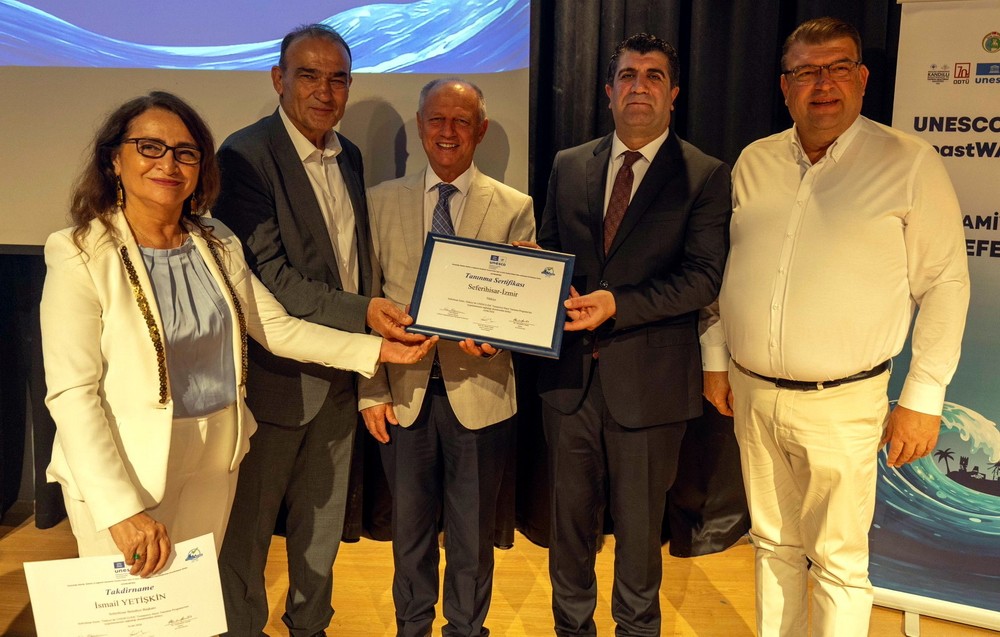
KOERI provided scientific guidance and technical support for activities designed to raise public awareness of tsunami risk, promote the effective use of early warning systems and strengthen local disaster preparedness. Developed with the participation of local and regional authorities, AFAD, academics, neighbourhood representatives and civil society organisations, these activities brought together monitoring, early warning, risk communication and inter-institutional coordination. In line with SDG 13 targets on strengthening resilience and adaptive capacity to natural disasters, the CoastWAVE 2.0 Project contributes to improving the disaster preparedness of coastal communities.
The full news article is available here.
Nature-Based Solutions for Climate-Resilient Agriculture
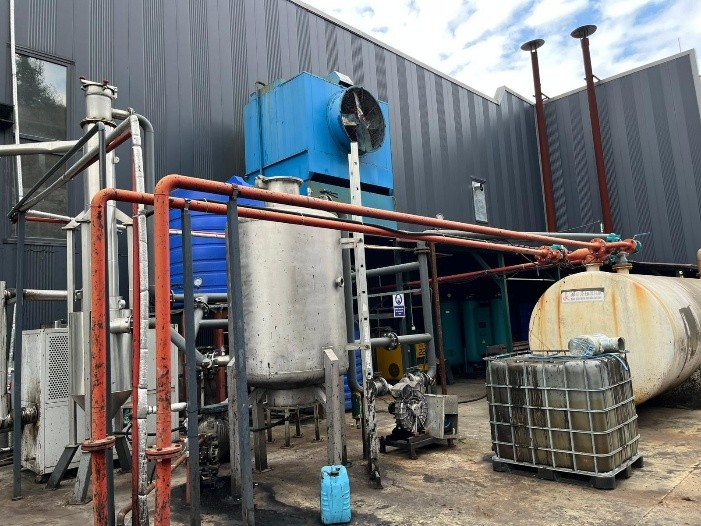
The project entitled “Nature-based Solutions for Climate-Resilient Agriculture: Pest Control through Wood Vinegar Application”, developed by Boğaziçi University’s Centre for Climate Change and Policy Studies (İklimBU), was awarded funding under the EU–Türkiye Climate Change Grant Programme. Developed by Prof. Levent Kurnaz, Dr Nazan An and Dr Tufan Turp, the 24-month project will be led by Boğaziçi University and implemented in Rize, the Giresun–Ordu area and Mersin in partnership with Rize Municipality, the Mersin Chamber of Commerce and Industry, and the Alata Horticultural Research Institute Directorate.
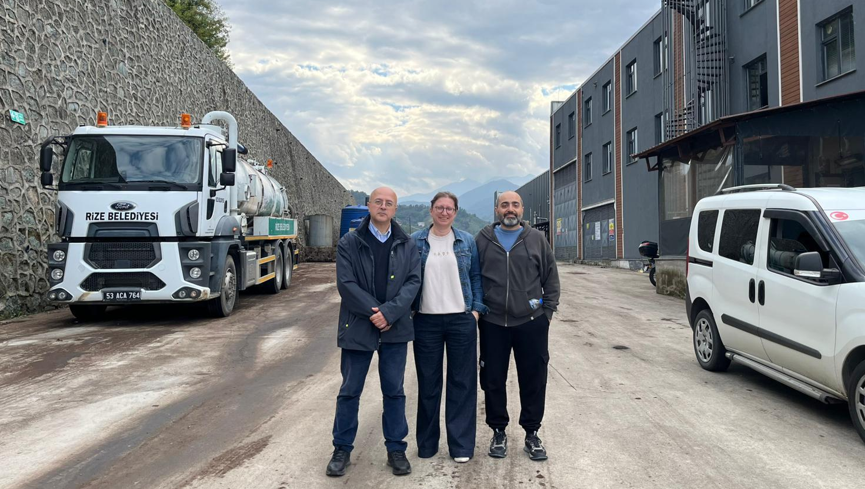
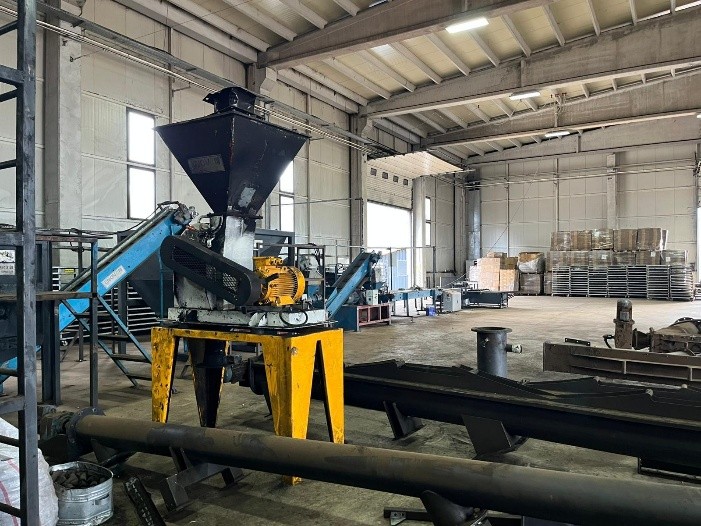
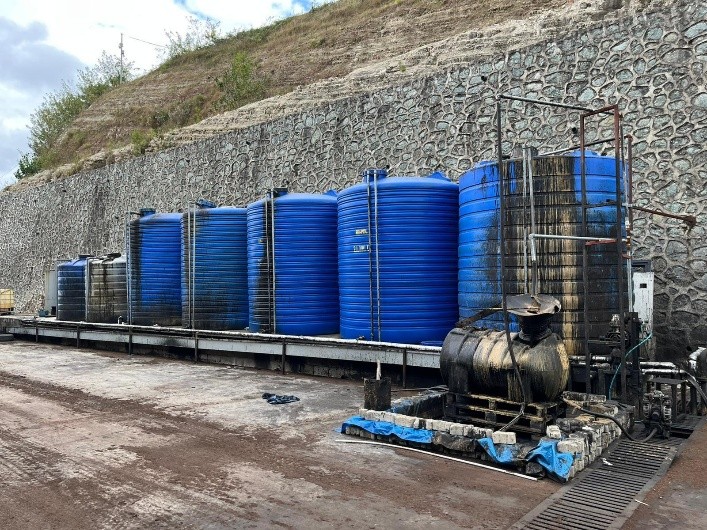
The project will develop wood vinegar produced from tea waste as a nature-based alternative for controlling agricultural pests whose spread is increasing with climate change. The approach aims to reduce the use of chemical pesticides in tea, hazelnut and citrus production, strengthen the resilience of agricultural systems to the impacts of climate change, and recover agricultural waste within a circular economy framework. Designed in alignment with Türkiye’s 2024–2030 National Mitigation and Adaptation Strategies, the project directly contributes to building local climate adaptation capacity, expanding sustainable agricultural practices and supporting climate-resilient production models.
The full news article is available here.
INTEGRATOR: Data-Driven Water Resilience in Response to Climate Change
The “INTEGRATOR: Integrated Innovation Ecosystems for Transformative Nexus Governance towards Enhanced Water Resilience” project, coordinated by Boğaziçi University, has received funding under the Horizon Europe Programme. Supported by Horizon Europe Cluster 6—Food, Bioeconomy, Natural Resources, Agriculture and Environment—the project brings together 18 partners from 11 countries. The Boğaziçi University research team includes Asst. Prof. İrem Daloğlu, Prof. Nadim Copty, Prof. Raşit Bilgin, and Asst. Prof. Cem İskender Aydın from the Institute of Environmental Sciences.
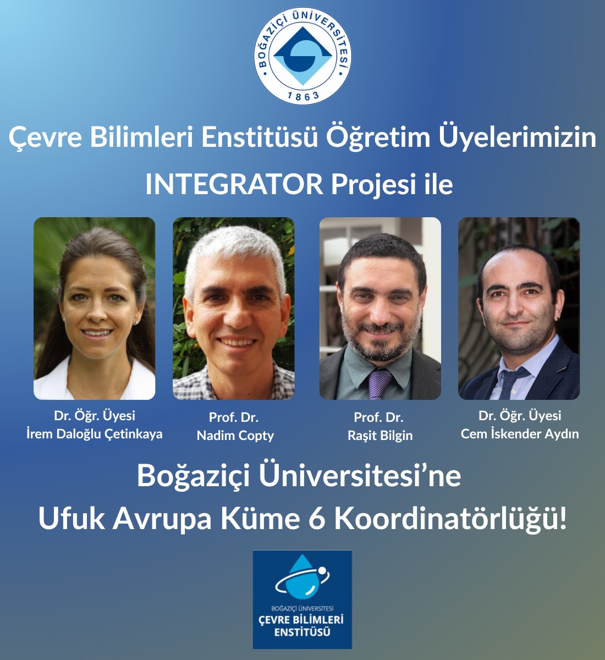
INTEGRATOR aims to develop a data-driven water-management framework that integrates digital twins, multi-scale monitoring systems, and advanced modelling approaches in response to the growing pressures of climate change on the water cycle and water resources. By enabling more effective use of scientific data in water governance and decision-making, the project seeks to support the sustainable management of water resources and strengthen resilience to climate-related risks. INTEGRATOR therefore represents an international research initiative that advances climate adaptation capacity and resilience to water-related climate risks.
The full news article is available here.
Green and Digital Transformation in Industry: Istanbul Twin Transformation Platform
Led by the Boğaziçi University Foundation (BÜVAK) and implemented in partnership with Boğaziçi University, the Foreign Economic Relations Board (DEİK), and the Software Industrialists Association (YASAD), the Istanbul Twin Transformation Platform has begun operations to accelerate the green and digital transformation of the manufacturing industry. Supported by the Istanbul Development Agency (İSTKA), the platform held its opening conference on 9 April 2026, bringing together representatives from government, academia, industry, and the technology sector.
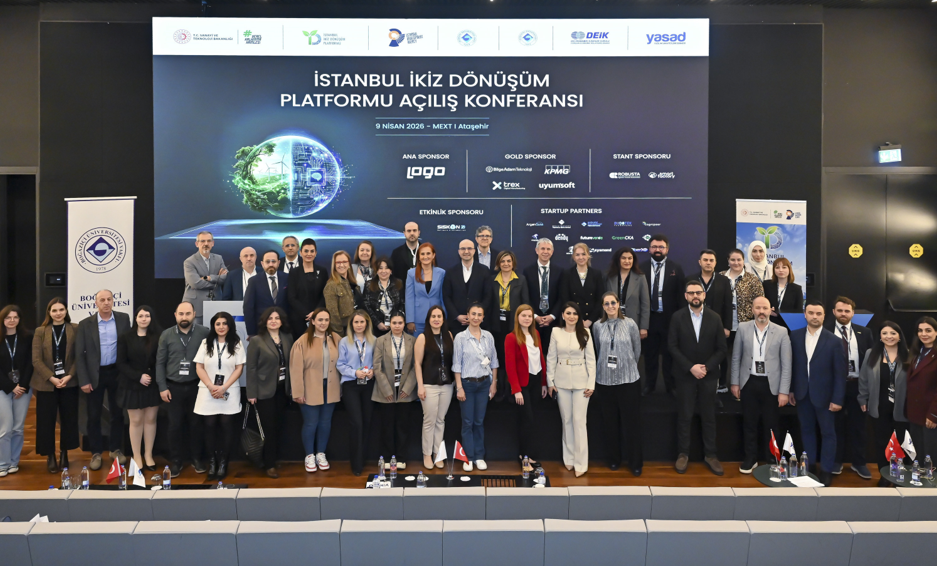
Focusing on five strategic manufacturing sectors—machinery, electronics, automotive, home appliances, and textiles—the platform aims to support digital transformation and integrate environmental priorities into companies' production processes. The initiative brings together technology providers, transformation centres, academics, public institutions, and decision-makers within a unified ecosystem. By integrating industrial decarbonisation, resource efficiency, and climate adaptation with digital infrastructure, the initiative prepares Istanbul's manufacturing base for a low-carbon, climate-resilient economy, directly advancing global climate action goals.
The full news article is available here.
KRDAE is installing 20 new advanced tsunami observation and early warning stations in the Marmara Sea
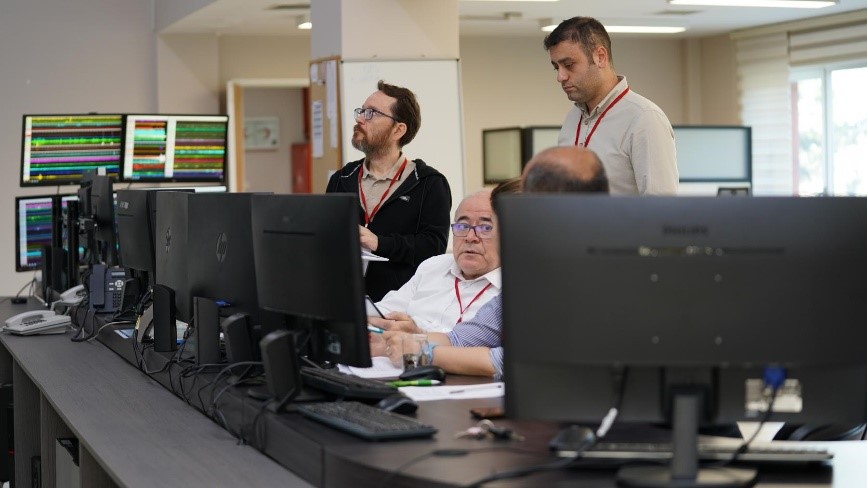
The Kandilli Observatory and Earthquake Research Institute (KRDAE) of Boğaziçi University has commenced work on establishing 20 new ‘Multi-Disciplinary Tsunami Monitoring and Early Warning Stations’ around the Marmara Sea and its islands as part of the Istanbul Provincial Disaster Risk Reduction Plan (IRAP). The project is being implemented with financial support from the Presidency of the Republic of Turkey's Strategy and Budget Office.
The first station has become operational at the Kartal Municipality Water Sports Centre. The new-generation stations are equipped with sea level sensors, accelerometers, meteorological sensors and GNSS receivers. This will enable potential tsunami risks in the Marmara Sea to be monitored 24/7 using a multidisciplinary approach.
KRDAE Director Prof. Dr. Haluk Özener stated that early warning messages have been sent to 21 institutions in 15 countries in the Aegean, Mediterranean and Black Sea regions, as well as Turkey, via the existing 28 tsunami stations. Emphasising that a total of 45 tsunami warnings have been issued since 1 July 2012, Özener stated that the new stations will enable more precise monitoring of tsunami risks in Istanbul and its surroundings. The aim is to prevent loss of life by issuing timely warnings against the tsunami threat that may arise following the anticipated Marmara earthquake.
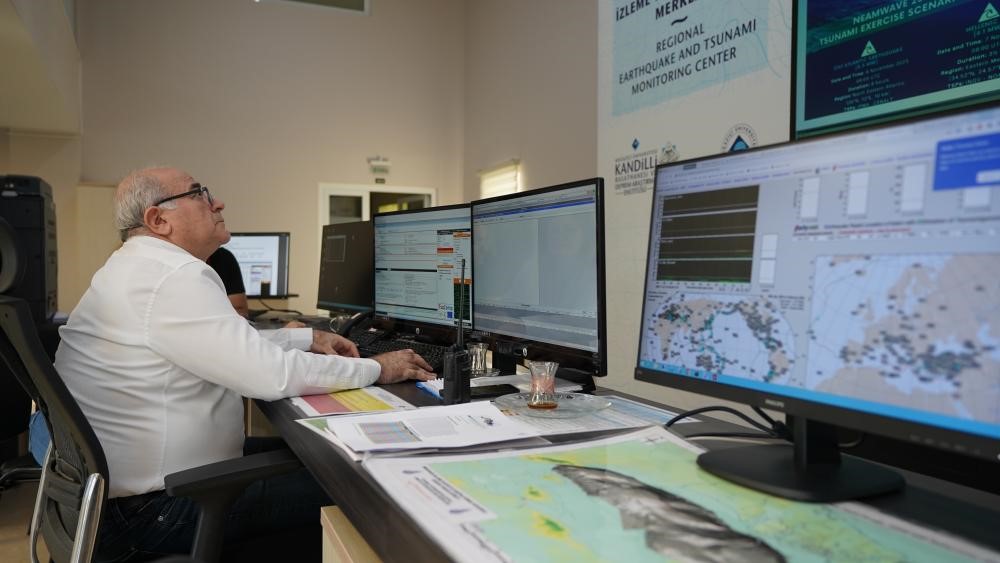
https://haberler.bogazici.edu.tr/tr/news/bilim/4/krdae-marmarada-yeni-20-gelismis-tsunami-ista/2787
Earthquake Scientists from Turkey and Japan Meet in Bosphorus
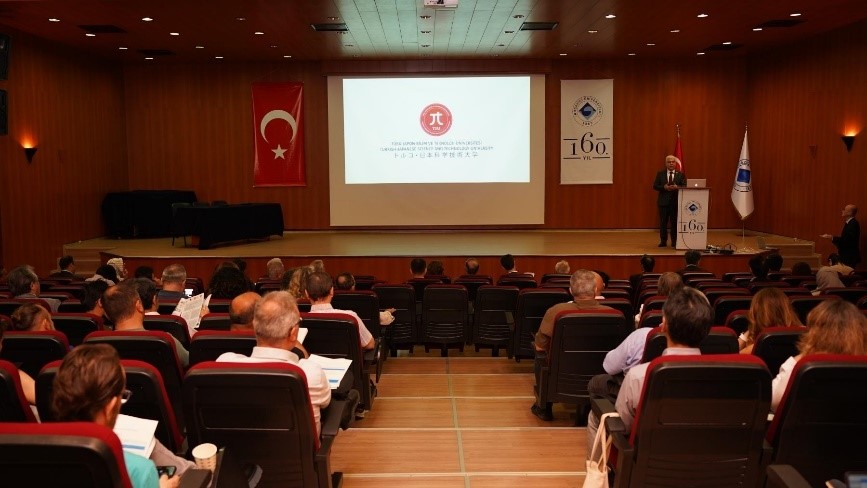
Hosted by Boğaziçi University Kandilli Observatory and Earthquake Research Institute (KRDAE), scientists specialising in earthquake science from Turkey and Japan gathered at the ‘TÜBİTAK & JST J-Rapid Kandilli Workshop.’
During the workshop, held on 10-11 June 2024, seismic research conducted over the past nine months following the Kahramanmaraş earthquakes, earthquake engineering, damage analyses, damage mechanisms, and improvement efforts were discussed in detail.
In addition to Boğaziçi University, the workshop was attended by scientists from Turkish institutions such as Istanbul Technical University, Middle East Technical University, Gebze Technical University, and TÜBİTAK, as well as prestigious higher education institutions from Japan, including the Tokyo Institute of Technology, the University of Tokyo, Tohoku University, and Hiroshima University.
KRDAE Director Prof. Dr. Nurcan Meral Özel emphasised that earthquake research cooperation between Turkey and Japan dates back to the 1970s. Prof. Dr. Özel highlighted the importance of the 50-year cooperation between the two countries and explained the role of KRDAE in training scientists who have received education in Japan. He noted that this collaboration is now more necessary than ever due to critical events such as the Kahramanmaraş earthquakes and the anticipated major earthquake in the Marmara region.
Prof. Dr. Yoshimori Honkura from the Tokyo Institute of Technology drew attention to the ongoing cooperation with various institutions in Turkey. Important scientific studies conducted between KRDAE and the Tokyo Institute of Technology under the leadership of Prof. Ahmet Mete Işıkara between 1985 and 1990 were also shared with the participants.
During the workshop, participants visited KRDAE's Earthquake and Tsunami Monitoring and Evaluation Centre, Astronomy Laboratory, Disaster Preparedness Training Laboratory, History of Science Collection, and Shaking Table Laboratory to enhance their field experience.
.jpg)
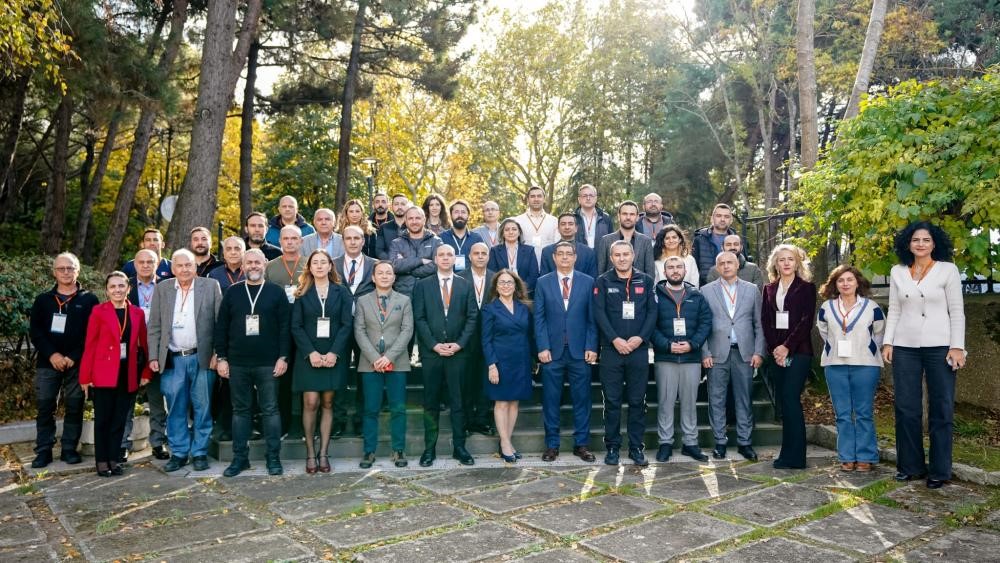
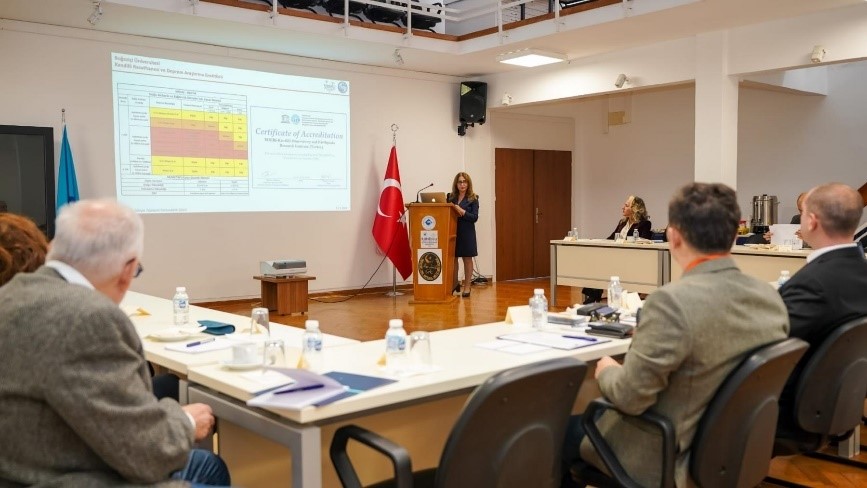
Boğaziçi University KRDAE Workshop on 5 November World Tsunami Awareness Day
Boğaziçi University Kandilli Observatory and Earthquake Research Institute (KRDAE) organised an important workshop on 5 November World Tsunami Awareness Day to increase the tsunami resilience of municipalities along the Marmara Sea coast. The event, which was attended by institutions such as the Istanbul Metropolitan Municipality, AFAD Istanbul, coastal municipalities, universities, and the Turkish Radio Amateurs Association, focused on how tsunami early warning messages published by KRDAE can be implemented in municipalities and the development of operational procedures.
KRDAE Director Prof. Dr. Nurcan Meral Özel stated that the institution has been actively serving as the National Tsunami Warning Centre under UNESCO for over 10 years and has played a pioneering role in establishing tsunami early warning systems in the Eastern Mediterranean region. Prof. Dr. Özel highlighted that 46 tsunami messages have been issued to date and emphasised the importance of being prepared for tsunami risks along Turkey's approximately 8,300-kilometre coastline.
During the workshop, the severity of the tsunamis that struck Bodrum and Izmir was recalled, and it was stated that KRDAE continues its efforts to increase the tsunami resilience of coastal cities through UNESCO-supported projects. The recognition of Büyükçekmece district as a ‘Tsunami-Ready City in the Eastern Mediterranean and Europe’ by UNESCO is an important result of these efforts.
KRDAE continues its 24/7 earthquake and tsunami monitoring activities with 297 seismic sensors and numerous collaboration stations, while also enhancing the effectiveness of early warning systems through advanced observation stations that measure sea levels and atmospheric changes.
2024 Sustainability Report SDG-13 (Related Section)
Collaborative Planning for Climate Change Disasters
Planning Studies in Cooperation with Local Authorities
Through trainings and workshops, Boğaziçi University provides support to local governments at metropolitan, provincial and district levels in different regions of Turkey in the processes of developing feasible measures to combat climate change and preparing climate action plans.
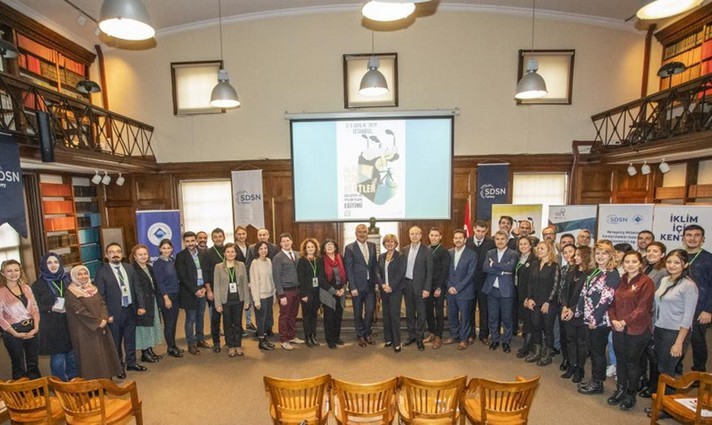
Cities for Climate Workshop and Climate Action Plan Training:
In the workshop organised in cooperation with Boğaziçi University UN SDSN Turkey, 350 Turkey and YERELİZ,
- Practical climate solutions that cities can implement are presented.
- Municipalities were guided in the preparation of their own climate action and adaptation plans.
- At the end of the workshop, municipalities publicised their commitments by signing the declaration ‘We are for Climate’.
Sustainable Cities and Climate Change Online Training Programme
In the programme organised in cooperation withUnion of Marmara Municipalities, 350 Turkey, YERELİZ, UN SDSDN Turkey and Boğaziçi University Lifelong Learning Centre (BÜYEM );
- Thematic solutions such as energy transformation in cities, transport and urban planning were presented to local governments.
- Practical experiences were gained through project writing workshops.
Click here to read the related news:
https://haberler.bogazici.edu.tr/tr/news/kampus/2/yerel-yonetimler-iklim-krizinde-cozumun-parca/1866
https://haberler.bogazici.edu.tr/tr/news/kampus/2/24-belediye-bogazicinde-ayni-hedefte-bulustu-/1869
Regional and International Contributions Regional Research within the Scope of CORDEX:
Boğaziçi University Climate Change and Policy Research and Application Centre (İklimBU) researches the regional impacts of climate change, especially in the Eastern Mediterranean, Middle East and Central Asia, and develops solutions on climate policies by participating in national and international cooperation networks. The focus areas and activities of the Centre are as follows:
- Focus Areas: Renewable energy, emission mitigation, agricultural adaptation and impacts of extreme climate events
- CORDEX Participation: Also responsible for research in Central Asia, MENA and Australasia.
- Regional Studies: Regional climate model outputs are used to analyse the impacts of climate change on socio-economic factors such as agriculture, water resources, tourism and migration.
- Contributions: It provides support for preparedness against climate disasters in the geography where Turkey and neighbouring countries are located.
For more information about İklimBU, please click here:
https://climatechange.bogazici.edu.tr/
Cooperation with the European Energy Research Association (EERA)

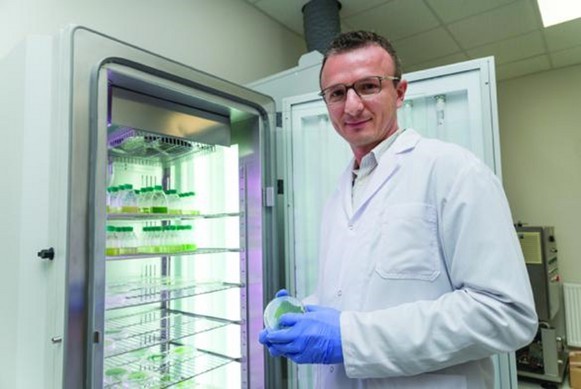
Boğaziçi University has been accepted as a full member of the Bioenergy Platform of the European Energy Research Association (EERA), Europe's largest research community in the field of energy. EERA brings together universities as well as active research organisations in the field of energy in Europe:
- It carries out studies for the development of more efficient and low-cost low carbon energy technologies.
- It operates within the framework of the Strategic Energy Technologies Plan (SET-Plan), which supports the European Union's goal of becoming a climate-neutral community by 2050.
- EERA-Bioenergy Platform, which is one of the 17 joint research platforms carried out by EERA and established in 2011, carries out studies in five sub-programmes, namely ‘Sustainable Biomass Production’, ‘Thermochemical Processes’, ‘Biochemical Processes’, ‘Stable Bioenergy Systems’ and ‘Sustainability-TechnoEconomic Analyses-Public Acceptance’ under the European Union bioenergy framework programme.
Click here to read the related news:
Boğaziçi University adopts a solution-oriented approach to deal with crises such as disasters and displacement that cross borders between countries by contributing to both the preparation of national action plans and training and guidance activities for local governments. These activities have a critical importance in increasing resilience against climate change disasters.
Climate Change Disasters and Risk Management Support to Local and Regional Governments
Boğaziçi University Kandilli Observatory and Earthquake Research Institute (KOERI) is a leader in disaster preparedness and early warning systems and plays a key role in providing support to local, national and regional governments. KOERI provides information sharing and technical support to governments to minimise disaster risks and optimise response processes.
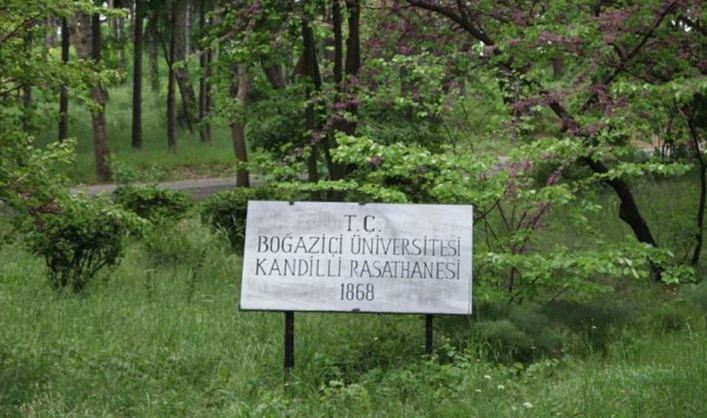
Regional Earthquake-Tsunami Monitoring and Assessment Centre (BDTIM)
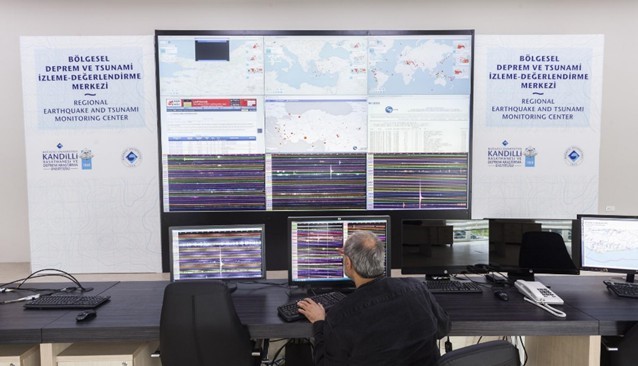
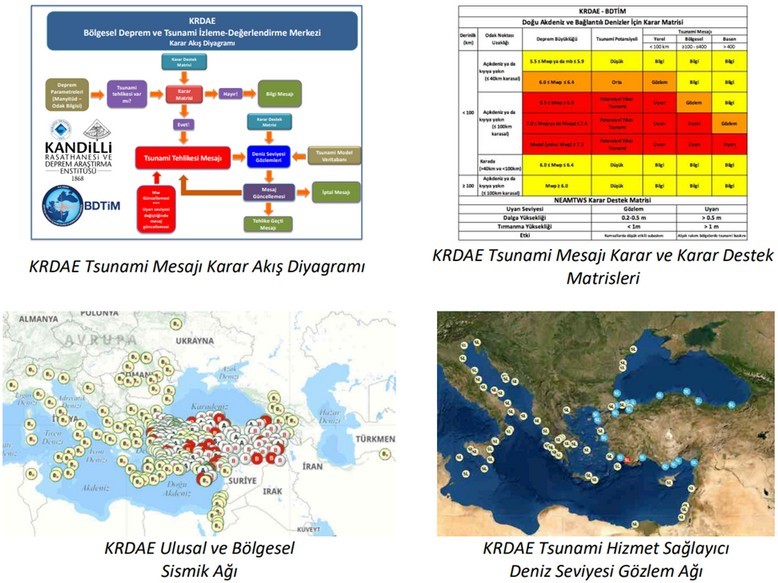
The Regional Earthquake-Tsunami Monitoring and Assessment Centre (BDTIM), operating within the Boğaziçi University Kandilli Observatory and Earthquake Research Institute (KRDAE), is the official institution responsible for reporting tsunamis in Turkey. BDTİM carries out activities within the scope of the Intergovernmental Coordination Group on Tsunami Warning and Mitigation System for the North-East Atlantic, Mediterranean and Related Seas (ICG/NEAMTWS ) under the umbrella of the UNESCO Intergovernmental Oceanographic Commission (IOC ). In 2012, BDTİM started to serve as a regional tsunami warning centre for the Eastern Mediterranean, the Aegean Sea and the Black Sea. In 2016, BDTİM was accredited by UNESCO and sends tsunami information and warning messages to the countries in the region.
Duties of BDTIM:
1. Tsunami Monitoring: Real-time monitoring of possible tsunamis that may affect Turkey
2. Early Warning: Preparing early warning messages for tsunamis that may occur after an earthquake and communicating them to the relevant parties
3. Information: Informing the public and raising awareness in tsunami risk areas
4. International Co-operation: To cooperate with international organisations for monitoring and evaluation of tsunamis in the Mediterranean, Aegean Sea and Black Sea Region
Click here to go to BDTIM homepage:
http://www.koeri.boun.edu.tr/sismo/2/tr/
Regional Earthquake-Tsunami Monitoring and Assessment Centre (BDTIM)

Istanbul Earthquake Rapid Response and Early Warning System
The ‘Istanbul Earthquake Rapid Response and Early Warning System’ project initiative initiated by Boğaziçi University in 1998, before the 1999 Kocaeli and Düzce earthquakes, was approved by the Council of Ministers Decision No. 2001/2232 dated 5/4/2001.
The design and technical specifications of the project were prepared by Boğaziçi University Kandilli Observatory and Earthquake Research Institute (KRDAE) Department of Earthquake Engineering and the establishment works were started on 10 May 2001. In 2012, the technical infrastructure of the system was updated with the support of Istanbul Governorship.
System Features
The system consists of 100 rapid response stations and 10 early warning stations. Thanks to real-time data from strong earthquake ground motion recorders,
- Strong ground motion parameter distributions are determined,
- Building damage distribution maps are created.
- Early warning stations use the time difference of seconds between the P and S components of earthquake waves to transmit data for controlled shutdown of critical facilities.
This information is shared with Istanbul Metropolitan Municipality Disaster Coordination Centre (IMM-AKOM), Governorships and other local organisations to prioritise post-earthquake response.
Click here for more information:
https://eqe.bogazici.edu.tr/tr/pages/istanbul-deprem-hizli-mudahale-ve-erken-uyari/4042
Boğaziçi University Net Zero Carbon Commitment
Boğaziçi University has adopted a net zero carbon target to combat climate change and reduce carbon emissions and has developed comprehensive action plans within the framework of the Greenhouse Gas Protocol (GHG). These plans are managed and meticulously implemented by a committee formed with the support of the university senior management. In line with the targets, various projects have been implemented and new initiatives have been planned to reduce the carbon footprint and implement sustainable energy solutions on campuses.
University Campuses Sustainability Declaration
Boğaziçi University has taken an important step towards becoming a carbon-neutral campus by signing the ‘University Campus Sustainability Declaration’ together with 21 universities from countries such as China, India, USA, Japan and Korea. With this declaration,
- Reducing the carbon footprint of campuses,
- Use of energy sources that minimise environmental damage,
- It was committed to support research and education studies on energy, environment and sustainability by recognising campuses as ‘living laboratories’.
Click here to read the related news:
Boğaziçi University Net Zero Carbon Emission Target
Boğaziçi University has prepared a comprehensive flowchart and action plans to achieve its net zero carbon emission target. Within the scope of the flow chart; a system was established to monitor electricity, natural gas, water and fuel consumption; three main emission sources were identified based on the collected data and action plans were developed for these focus areas.
Focus-1 (Direct Emissions): Heating-natural gas, vehicle fuel consumption, diesel generator fuel consumption
Focus-2 (Indirect Emissions): Electric power generation
Focus-3 (Supply Chain Emissions): Emissions arising from the commuting of university staff to and from work-service, business travels, products and services we purchase from suppliers
Focus-1 and Focus-2 Action Plan: Main Headings
- Optimising the use of space
- Organising user awareness activities for energy saving issues Implementation of energy efficiency action plans
- Implementation of ISO 50001 action plans
- Energy efficient building designs and applications
- Revision of building heating systems
- Electric energy supply
- Investment in renewable energy sources
- Providing on-campus transport with electric vehicles
- Making grey water waste facilities functional
Focus-3 Action Plan: Main Headings
- Commuting of university staff - shuttle route optimisation
- Procurement of printed publications from Recycling Certified suppliers
- e-books, e-journals and article databases are purchased more than printed sources
- Ethical and sustainable food
Net Zero Emission Target Action Plan:
About Net Zero Emission Policy:

Net Zero Emission Target Action Plan:
About Net Zero Emission Policy:
Net Zero Carbon Target Period
Within the framework of the action plans prepared, it is aimed to reduce building-related Focus-1 and Focus-2 carbon emissions by 50% in all campuses of Boğaziçi University by 2030 and to eliminate carbon emissions in all focus areas by 2050.
Carbon Neutral Campus: Kilyos Sarıtepe Campus
Boğaziçi University's Kilyos Sarıtepe Campus sets an example in sustainability efforts and reduction of carbon emissions:
- The campus has been carbon neutral since 2015.
Boğaziçi University's Kilyos Sarıtepe Campus sets an example in sustainability efforts and reduction of carbon emissions:
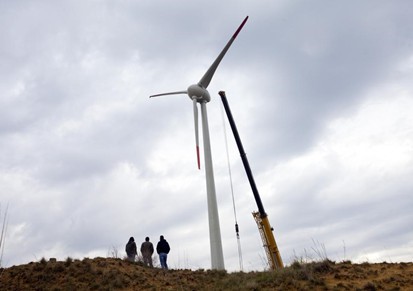
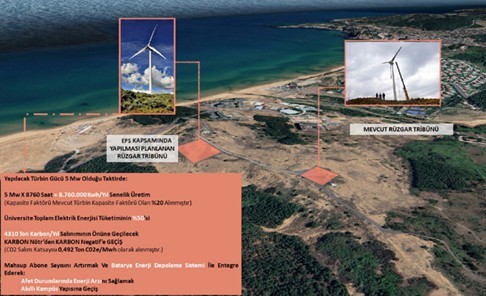
- It has achieved a world first in this field by meeting all of its electricity needs from the wind turbine on campus. Within the scope of theBoğaziçi University Wind Power Plant (BÜRES) project, the 1 MW wind turbine on campus generates 40% more than the annual electricity consumption of the campus, thus preventing approximately 900 tonnes of carbon emissions and saving 1 million kWh of energy every year.
- The 5 MW wind turbine, which is planned to be added to the campus, is expected to meet 50% of the total electricity consumption of the university and will prevent 4310 tonnes of carbon emissions per year and transition the campus from carbon neutral to carbon negative status.
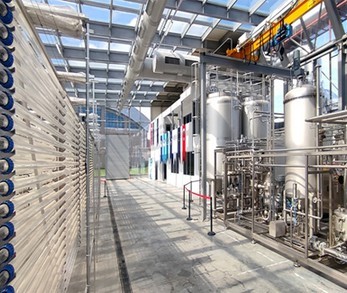
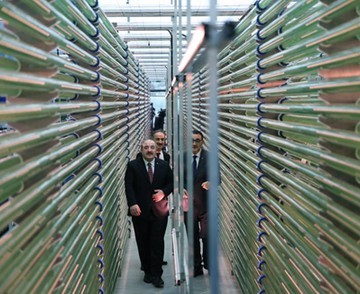
- Europe's first carbon-negative biorefinery is located on campus as part of the INDEPENDENT Project and has the capacity to capture and use approximately 1200 tonnes of carbon dioxide per year. The project reduces the use of fossil energy in production by introducing innovative algae-based products in the energy, food, health, environment, agriculture and livestock sectors, thus making a two-way contribution to sustainability.
Reducing Carbon Emissions with Solar Energy
In order to reduce carbon emissions, Boğaziçi University utilises solar energy, which is a clean energy source compared to fossil fuels, through the following applications.
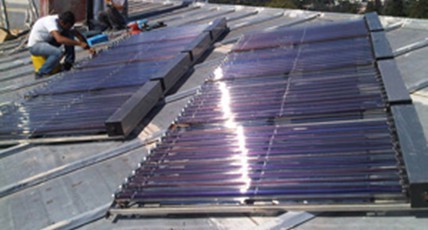
- Solar collector hot water systems: By utilising solar energy to meet water heating needs, it reduces dependence on fossil-fuelled electric or gas water heaters. At Boğaziçi University, 22% of the hot water requirement of the 1st Men's Dormitoryand the entire hot water requirement of the Tarsus Gözlükule Excavations Research Centreare provided by solar collectors.
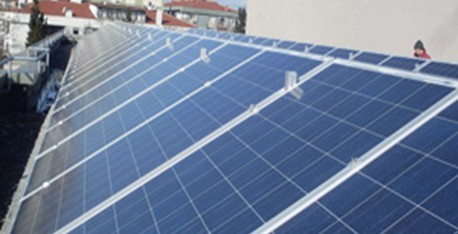
- Photovoltaic Panel Applications: Photovoltaic panels placed on roofs meet some of the energy needs of buildings by generating electrical energy. Photovoltaic panels are used in North Campus 3rd and 4th Dormitories, South Campus Faculty of Economics and Administrative Sciences, Kandilli Campus National Earthquake Monitoring Centre (UDIM) Tsunami Monitoring Building and Tarsus Gözlükule Excavations Research Centre buildings. In addition, new Solar Energy Systems are planned to be installed within the scope of KABEV (Energy Efficiency in Public Buildings Project) and KADEV (Earthquake Resistance and Energy Efficiency in Public Buildings) projects.
With these comprehensive action plans, innovative energy solutions and international collaborations, Boğaziçi University is taking decisive steps towards its commitment to carbon neutrality and net zero carbon. These efforts enable the University to assume a leading role in sustainable development.
Click here for more information:
