

12.4.1 Publication of sustainability report
Boğaziçi University Sustainability Report
Boğaziçi University publishes a Sustainability Report every year to transparently share its sustainability efforts and contributions to the environment. This report has been prepared by our university's working team and has been regularly shared with the public since 2012. The last comprehensive report and SDG progress reports were re-published in November 2024.
The report describes in detail the progress made by the university in the field of sustainability, the policies implemented and strategies to reduce environmental impacts. This comprehensive report is publicly available on the university's website as an important resource documenting Boğaziçi University's sustainability efforts.
You can access Boğaziçi University's reports and studies in the field of sustainability from the link below:
.jpg)
PUBLICATION
December, 2024 Boğaziçi University
AUTHORS
The team preparing this report were:
Belkıs GÖKBULUT ÖZTÜRK
Vehbi MEŞİN
İrem NALÇA
TABLE OF CONTENTS
04 Sustainable Development Vision
05 Letters from Boğaziçi University Leadership
07 Sustainability at Boğaziçi University
08 UN SDSN Turkey Representative Office
10 Summary of Progress Towards the Net Zero Emissions Target
11 Sustainability Studies: Carbon-Negative Biorefinery
13 Boğaziçi University Scholarship Support
15 Kandilli Science and Research Building: Sustainability Focus
17 Top 5 Achievements in High-Scoring SDGs
31 Gender Equality Plan
33 Stakeholder Engagement
34 Boğaziçi University Sustainable Collaborations
37 Sustainable Programmes
40 Awards
Boğaziçi University's Vision for Sustainable Development
Our vision of sustainable development emphasises that humanity must live in harmony with the natural world in order for all communities to survive and prosper in a sustainable future. This vision includes the goal of creating a living environment where future generations can meet their needs by establishing a balanced relationship with nature. As Boğaziçi University, we combine our missions of education, research and community service with the principles of sustainable development.
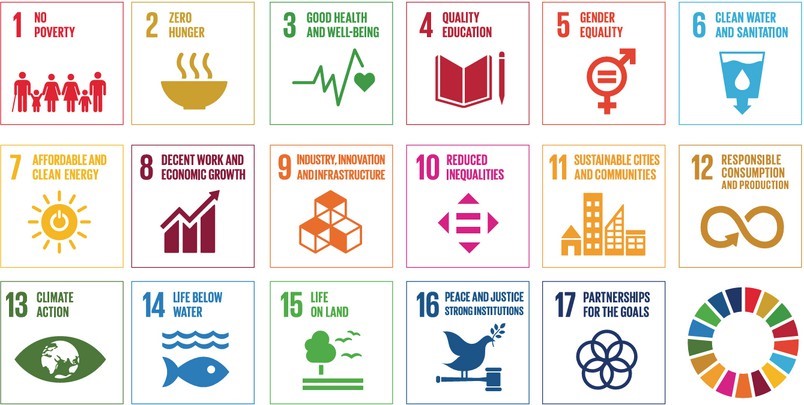
Our vision expresses a Boğaziçi University community that produces innovative solutions for the benefit of people and the planet, is environmentally conscious and enriches society. We are committed to minimising our impact on nature and the environment by taking concrete steps such as energy management, waste reduction, and reducing our carbon footprint across the campus. Furthermore, this vision and our Sustainability Report aim to support the achievement of the United Nations' 17 Sustainable Development Goals (SDGs) and contribute to global collaborations.
Thus, it will continue to be one of our most important goals to move our university to a leading position in the field of sustainability by working with all our stakeholders to leave a more livable world for the future.
FOREWORD
We Fulfil Our Responsibility for a Sustainable Future
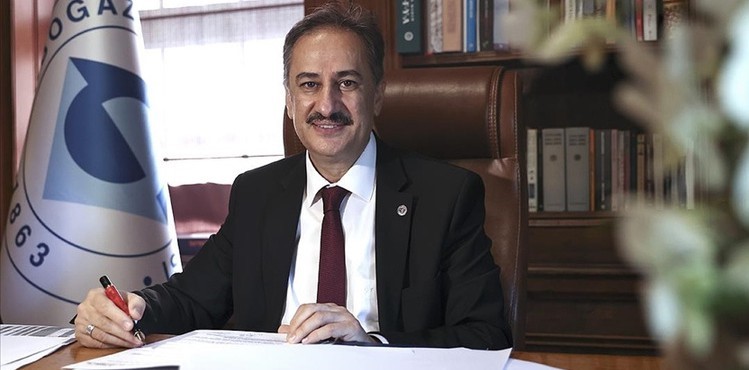
As Boğaziçi University, we continue to fulfil our responsibility in building a sustainable future with great determination. As the 2024 United Nations Sustainable Development Solutions Network (SDSN) Report reveals, global cooperation and innovative financing solutions are critical to achieving the Sustainable Development Goals (SDGs). Unfortunately, the report reminds us that there has been insufficient progress on most of these goals set in 2015 and that the global community needs to do more in this regard. As Boğaziçi University, we are focused on making a difference both locally and globally with our sustainability efforts. Established in 2014 under the auspices of our university, the United Nations SDSN Turkey Network plays an important role in achieving our country's sustainable development goals. In this context, we continue to develop projects that produce solutions for environmental, social and economic sustainability through our scientific research and academic collaborations. From energy efficiency projects on our campus to educational activities that raise environmental awareness, we act with this awareness together with our students, academic and administrative staff. We are determined to maintain our goal of becoming an ‘exemplary sustainable campus’ both nationally and internationally.
We will work harder together for a sustainable future and carry this responsibility into the future.
Mehmet Naci İNCİ
Rector of Boğaziçi University
Sustainability at Boğaziçi University
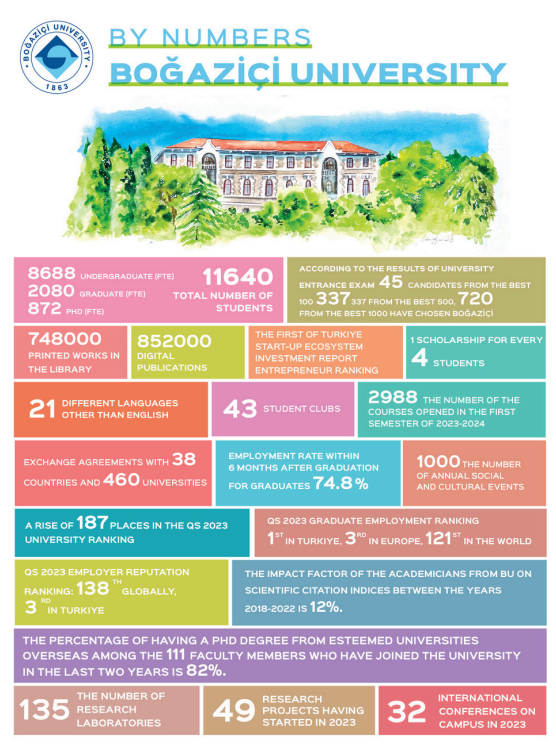
In order to create a sustainable campus life, Boğaziçi University encourages its members to have environmental awareness and to actively participate in activities in this direction within the framework of daily campus life and curriculum. In line with sustainability goals such as prevention of environmental pollution, improvement of energy and natural resource management, reduction of emission and waste generation, recovery and reuse activities, protection of the historical, cultural and green texture of the university is among the priority goals. Boğaziçi University aims to be recognised as an ‘exemplary sustainable campus life’ in national and international platforms with its environmentally and socially sustainable education and training practices.
In line with these goals, the vision of Boğaziçi University is to be a sustainable and ‘green’ university that is successful in education and research at universal standards. In the 2010-2014 Strategic Plan, which was approved by the University Senate, the sixth of the seven sustainability-focused strategic goals is defined as ‘To be a green campus with sustainability’. The strategic goals established within the framework of this objective are as follows:
|
SH 6.1 |
To plan and manage sustainable and ‘green’ campus development |
|
SH 6.2 |
Raising awareness of ‘environmental awareness’ on our campuses |
|
SH 6.3 |
Making daily campus life sustainable |
|
SH 6.4 |
Ensuring that all new buildings are ‘green’ |
|
SH 6.5 |
Preserving the historical and green texture of the campuses |
|
SH 6.6 |
To initiate and maintain the necessary work to make our university carbon-neutral |
These strategic goals form the basis of Boğaziçi University's sustainability efforts. Projects supported by practices that optimise the use of energy and natural resources, reduce emissions and waste production by increasing environmental awareness in the campus life of the university, aim not only to improve the physical environment of the campus, but also to improve the sustainability awareness of students and academic staff. With these sustainable campus initiatives, Boğaziçi University aims to be a model university at national and international level.

Boğaziçi University United Nations Sustainable Development Solutions Network Turkey Representative Office
As an important part of global efforts for sustainable development, Boğaziçi University is the Turkey Representative of the United Nations Sustainable Development Solutions Network (UNSDSN). Founded in 2012 by United Nations Secretary-General Ban Ki Moon and Professor Jeffrey Sachs, Director of Earth Sciences at Columbia University, SDSN aims to find solutions to economic, social and environmental sustainability problems worldwide.

Boğaziçi University, as one of Turkey's leading universities in the field of sustainability, was announced as Turkey's focal point on 5 November 2013. In this context, the university carries out various studies in thematic areas such as sustainable cities, sustainable agriculture, climate change, green campuses, sustainable tourism and massive online open courses (MOOCs). UNSDSN Turkey Network aims to achieve sustainable development goals by developing various local and national projects under the leadership of Boğaziçi University. These efforts directly contribute to the United Nations' sustainability agenda and accelerate the development of practical approaches to solving environmental and social problems at the global level.
Boğaziçi University's sustainable development efforts bring the university to the forefront not only in Turkey but also at the global level and play an important role in achieving the main goals of UNSDSN.
Boğaziçi University, Strong Performance in Sustainability in THE Impact Rankings 2024
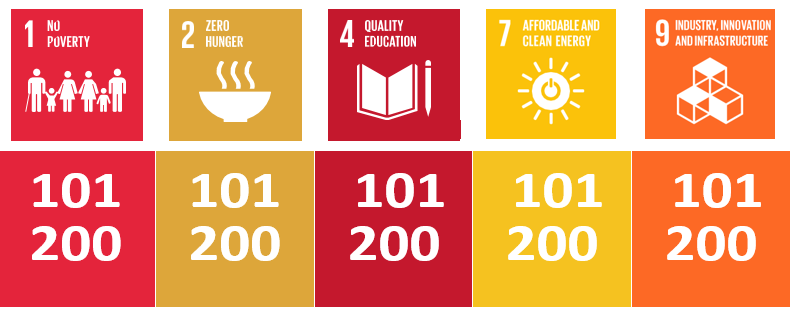
Boğaziçi University has achieved remarkable success by performing strongly in many areas in the 2024 Sustainable Development Goals (SDG) rankings announced by Times Higher Education (THE).
Boğaziçi University was ranked between 101-200 in the SDG 1: End Poverty category and produced 38 academic outputs in this field. While these studies include important projects aimed at combating poverty, the citation effect was close to the field average with 1.14. The university's social responsibility projects, efforts to provide equal opportunities in education and social awareness projects contributed to this success.
SDG 2: Zero Hunger With its work on combating hunger and food security, Boğaziçi University ranked between 101-200 in the SDG 2: Zero Hunger category. While the citation effect of 29 academic studies produced by the university in this field was 1.15, 11 articles were published in prestigious journals in the top 10%.
SDG 4: Quality Education Boğaziçi University was one of the highest achievers in the SDG 4: Quality Education category. The University was ranked in the 101-200 range and 17 academic publications were published in prestigious journals in the top 10%.
SDG 7: Affordable and Clean Energy Standing out in the field of clean energy and energy efficiency, Boğaziçi University also ranked 101-200 in the SDG 7: Affordable and Clean Energy category. The citation effect of 147 academic studies produced by the university in this field was 1.50.
SDG 9: Industry, Innovation and Infrastructure Industry, Innovation and Infrastructure, the category in which Boğaziçi University achieved the highest score, attracted attention with the successful studies carried out by the university in the field of technology and industry.
Summary of Progress Towards Boğaziçi University Net Zero Emission Target
|
Where We Started |
Aim |
Our Progress |
|
Boğaziçi University Scope 1 + Scope 2 Total Emissions Value 12,552.16 (tonnesCo2) 2017 |
50% Emission Reduction in All Scopes and Net Zero Greenhouse Gas Emission Target 2030 |
Boğaziçi University Scope 1 + Scope 2 Total Emissions Value 10,300.32 (tonCo2) 2023 |
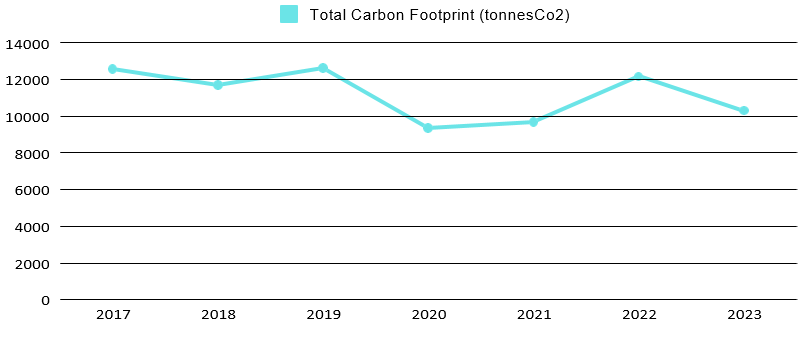
These data on carbon dioxide emissions constitute an important source for assessing the environmental impact of our university and monitoring progress towards sustainability goals. The fluctuations observed in the carbon footprint over the years can be explained by the impact of various factors. According to the data, there was a significant increase in the carbon footprint in 2017, which can be explained by the fact that the data started to be fully collected at that time. In the following years, especially in 2020 and 2021, there was a significant decrease in the carbon footprint. This decrease is attributed to the positive developments in sustainability policies as well as the effects of the COVID-19 pandemic on energy consumption. Restrictions and remote working models implemented during the pandemic have reduced energy use and thus reduced carbon emissions. With the end of the pandemic, an increase in the carbon footprint was observed again in 2022 and 2023.
This increase was considered normal as campus activities returned to normal. However, the university continues to promote energy efficiency measures and the use of renewable energy, increasing its efforts in line with its sustainability goals.
This data allows the University to develop more effective strategies to monitor and reduce carbon emissions and provides a solid foundation for further sustainability efforts.
Boğaziçi University Leading the Way in Sustainability with Carbon-Negative Biorefinery
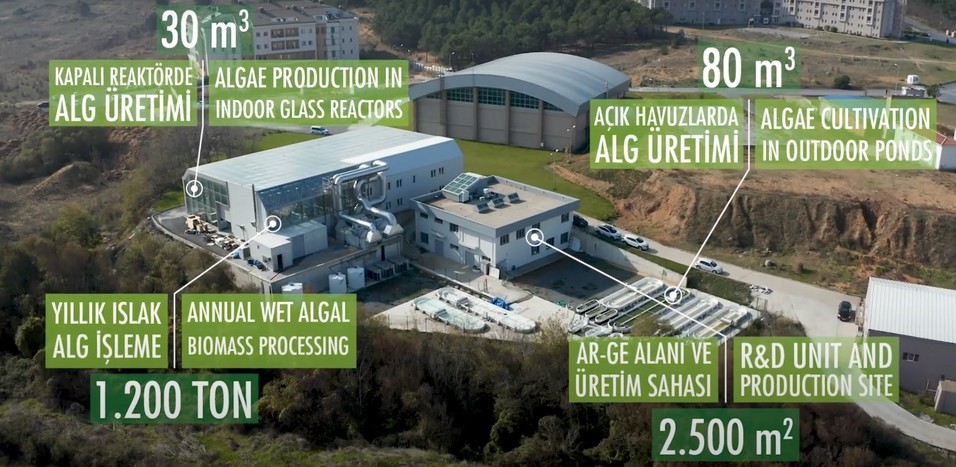
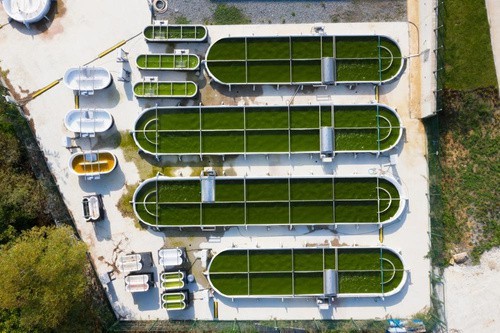
Boğaziçi University has taken an important step towards its carbon neutrality goals with the establishment of the Istanbul Microalgae Biotechnologies Research and Development Unit (IMBİYOTAB ) at its Sarıtepe Campus, realising the first carbon-negative biorefinery in Turkey and Europe. Ambassador Nikolaus Meyer-Landrut, Head of the Delegation of the European Union to Turkey, emphasised the great importance of the facility for a carbon-neutral world and stated that such projects should allocate more resources to R&D in terms of environmental sustainability.
IMBIOTAB and Carbon-Negative Biorefinery
The INDEPENDENT Project, led by Dr. Berat HAZNEDAROĞLU from Boğaziçi University Institute of Environmental Sciences . Dr. Berat HAZNEDAROĞLU from Boğaziçi University Institute of Environmental Sciences, INDEPENDENT Project offers solutions for energy, food, health and environment sectors with algae- based biotechnological products. This integrated biorefinery plays a critical role in reducing carbon emissions by producing completely algae-based products. The facility develops products such as biofuels, antioxidant pigments, bio- fertilisers as an alternative to fossil fuels and offers a zero-waste based production model.
Europe's First Carbon-Negative Biorefinery
Boğaziçi University's carbon-negative biorefinery facility is directly in line with the European Union's Green Deal targets. The ability to grow algae in a short time and produce it without the need for soil offers an important solution to agricultural sustainability and food crises. Sarıtepe Campus, which provides its energy entirely from wind turbines, has been carbon neutral since 2015. Haznedaroğlu points out that biofuel produced from moss can reduce carbon emissions by 76% with projects to develop biofuel technologies that can be used in aircraft.
Zero Waste Targeted Sustainable Production
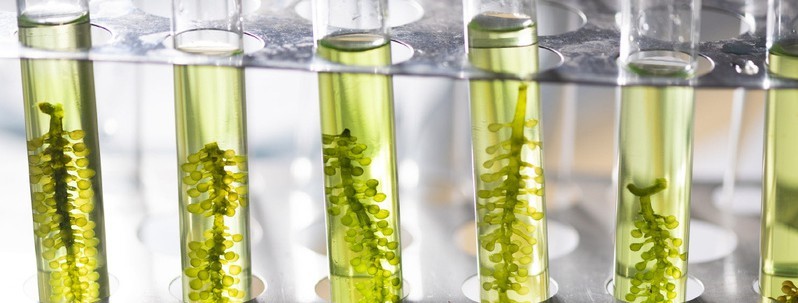
The INDEPENDENT Project develops biotechnological products to reduce Turkey's current account deficit in the energy and health sectors, while also providing technology transfer and consultancy services to industry. The project enables SMEs operating in sectors such as petrochemicals, cosmetics and textiles to increase their R&D capacities. The zero-waste based structure of the project supports circular economy principles and contributes to environmental sustainability.
Green Campus Vision
Boğaziçi University's Green Campus goals were included in its strategic plans in 2010 and in 2014 it was selected by the UN as the national unit of the Sustainable Development Solutions Network. Many sustainability-oriented projects such as wind energy and grey water treatment projects are being carried out at the Kilyos Campus. Thanks tothe BÜRES wind turbine, the campus meets most of its own electricity needs and generates approximately 1.7 million kWh of electricity per year by exporting excess energy to the grid, saving 210 thousand USD.
Boğaziçi University aims to ensure environmental, economic and social sustainability by developing innovative projects for a sustainable world with zero carbon emission and circular economy principles. These projects, which will set an example in Europe and around the world, make a significant contribution to achieving the goals of the Paris Climate Agreement.
Increase in Boğaziçi University Scholarship Support Continues Unabated 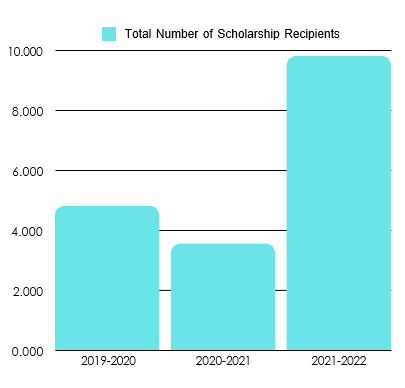
Boğaziçi University has achieved a significant success for students in need of support with the scholarships it provides. Within the scope of the activities carried out, a total of 83,356,462 TL scholarships were provided to 9,798 students in the 2021- 2022 academic year.
This reveals the magnitude of Boğaziçi University's support for students within the framework of social responsibility.
Academic Merit and Need Scholarships
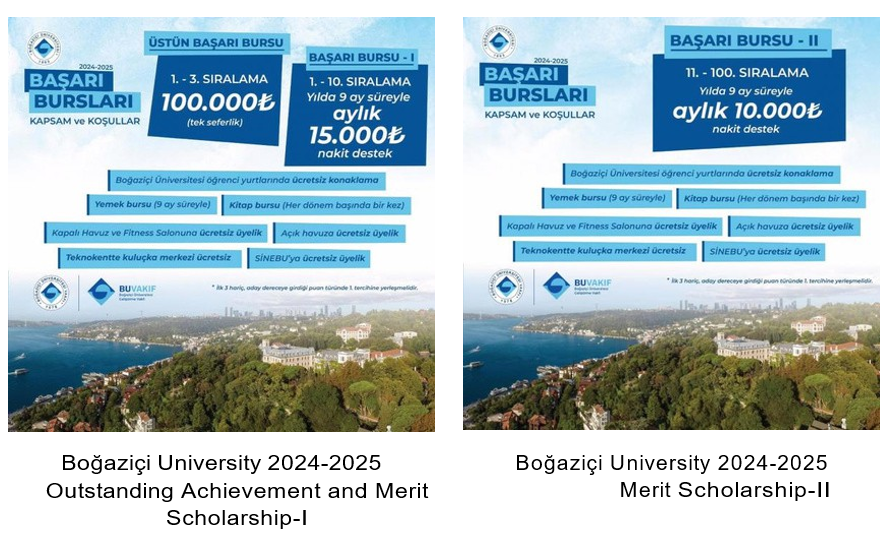
Scholarships were not only limited to financial needs, but were also awarded to students who showed academic success. While 1,486 students were allocated scholarships based on academic achievement, 3,333 scholarships were provided based on needs. Cash and in-kind aids such as dormitory, food and book scholarships have made significant contributions to the educational lives of Boğaziçi University students.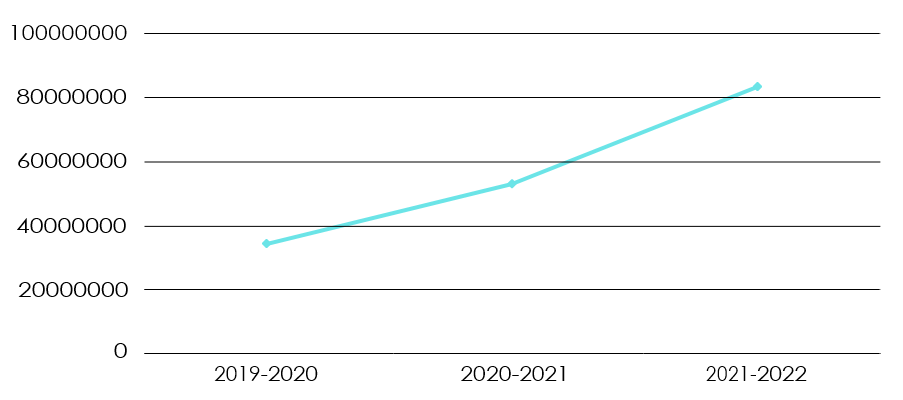
Boğaziçi University Kandilli Science, Technology and Research Building: Sustainability and Scientific Innovation
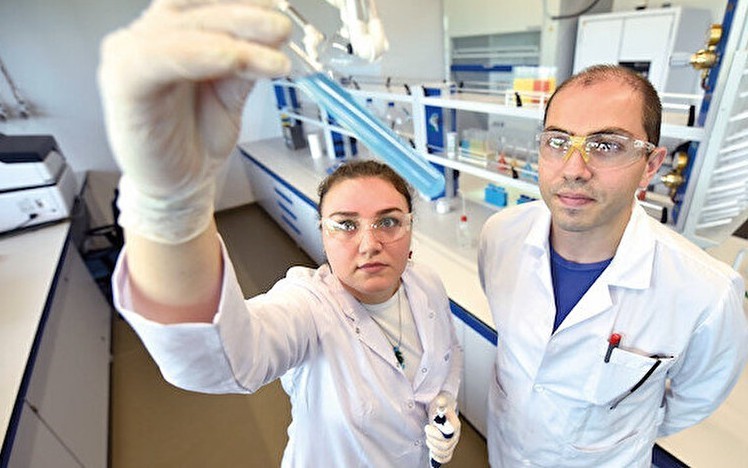
Boğaziçi University draws attention in the national and international arena with the Kandilli Science, Technology and Research Building, one of the important steps it has taken in the field of sustainable development and technology-based scientific research. This centre, which is also called ‘Deep Technology Base’, makes significant contributions to both Turkey's national technology move and sustainable scientific research.

Sustainable Energy and Environmental Technologies
The synthetic natural gas production from coal project aims to reduce Turkey's current use of fossil fuels and support the transition to environmentally friendly energy by providing sustainable energy solutions. Together with this project, the studies carried out on clean energy technologies contribute to minimising the negative impacts of fossil fuels on the environment. The project makes a significant contribution to Boğaziçi University's zero carbon emission targets.
Sustainable Development in Health Technologies
Life Sciences and Technologies Application Research Centre (LifeSci) aims to reduce Turkey's foreign dependency in the health ecosystem by developing artificial intelligence-supported solutions in cancer diagnosis and treatment. The targeted drug delivery systems and digitalisation projects developed both improve health by offering more effective treatments and form the cornerstones of a sustainable health infrastructure.
.png)
Academy and Industry Collaboration
The Centre plays a critical role in achieving Turkey's sustainable development goals through university-industry cooperation. The ability of SMEs to carry out tests and analyses in this centre, which they cannot perform with their own budgets, contributes to the development of the industry and paves the way for the spread of environmentally friendly technologies.
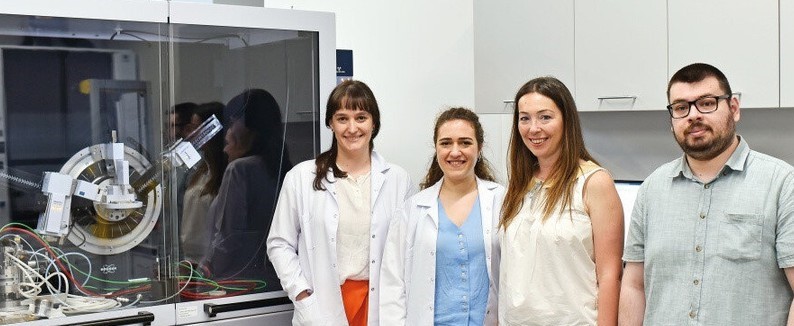
Boğaziçi University Kandilli Science, Technology and Research Building is an important centre shaping the future of Turkey with sustainability-oriented scientific studies.
Top 5 Achievements in High-Scoring SDGs
Boğaziçi University draws attention with its achievements in the 2024 Sustainable Development Goals (SDG) rankings announced by Times Higher Education (THE). The university has reached an important position on a global scale by supporting its efforts towards sustainable development goals with strong academic production and research activities.
Top Ranking in the Quality Education SDG 4 Category Boğaziçi University also achieved high success in the field of Quality Education (SDG 4) and ranked in the 101-200 band. The university, which was evaluated between 69.3-74.7 points, produced 57 academic publications in this field, while 17% of the publications were published in the top 10% journals.
Outstanding Performance in Affordable and Clean Energy SDG 7 Boğaziçi University also showed a strong performance in the Affordable and Clean Energy (SDG 7) category and ranked in the 101-200 band. Producing 147 academic outputs, the university attracted attention with a field-weighted citation impact of 1.50 and a publication rate of up to 50% in 10% journals.
Industry, Innovation and Infrastructure SDG 9 Boğaziçi University achieved one of the highest scores in this category by ranking in the 101-200 band in SDG 9 under the heading Industry, Innovation and Infrastructure. While the THE ranking was evaluated with a score between 77.0-90.2, the university produced 111 academic outputs in this field.
Boğaziçi University demonstrated outstanding performance in the Responsible Consumption and Production SDG 12 and Sustainable Cities and Communities SDG 11 categories, securing a position in the 201-300 band globally. In the SDG 12 category, the university produced 79 academic publications, achieving a remarkable field- weighted citation impact of 1.83. Meanwhile, in SDG 11, Boğaziçi University stood out with 196 publications and a strong field-weighted citation impact of 1.5.
SDG 4: Quality Education
101–200
SDG Rank (THE Impact)
69.3–74.7
SDG Score (THE Impact)

Boğaziçi University hosts prominent figures from different fields within the scope of Boğaziçi Lectures. Launched in 2013, Boğaziçi Lectures function as a forum where leading scientists, academics, intellectuals, thinkers and decision makers in the fields of science, culture, art, literature, economics, politics and international relations come together with the Boğaziçi community.
 Boğaziçi University's international guest programme ‘Boğaziçi Chronicles’ was designed in 2013 to contribute to the development of Istanbul's cultural life. Part of a series of events designed to celebrate the 150th anniversary of Boğaziçi University, ‘Boğaziçi Chronicles’ has become a tradition at Boğaziçi University as an unprecedented residency programme in Turkey. Within the scope of the programme, world-renowned theorists and cultural and artistic figures take up residence on campus and organise lectures, seminars, performances and workshops.
The guests of ‘Boğaziçi Chronicles’ meet with students, academics and Istanbulites, become a part of university life, transform their creativity and intellectual accumulation into new  productions in the dynamic cultural environment of Istanbul, keep a diary of their experiences and these diaries are published by Boğaziçi University.
Boğaziçi University Kandilli Observatory Disaster Preparedness Laboratory
The Disaster Preparedness Laboratory (AHLAB) 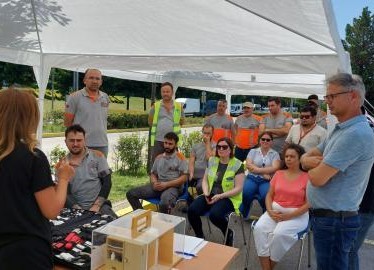 at Boğaziçi University Kandilli Observatory and Earthquake Research Institute was established as part of the Disaster Preparedness Education Project (AHEP) initiated after the 1999 Kocaeli Earthquake. AHLAB has developed four basic training programmes focusing on public education to increase earthquake and disaster awareness: Basic Disaster Awareness (ABCD), Mitigation of Non- Structural Hazards (NNSH), Structural Awareness Against Earthquakes (SEP) and Civil Defence Officers and Community Disaster Volunteers (SSG- TAG).
The duties of AHLAB include developing training materials, organising trainings for trainers, making national and international collaborations and increasing disaster awareness of the society. In addition, earthquake training is provided to primary school students with DEPREMPARK.
AHLAB continues to contribute to the society with its efforts to reduce disaster risk.
Boğaziçi University Lifelong Learning Centre (BÜYEM) and its Contributions
Boğaziçi University Lifelong Learning Centre (BÜYEM) makes significant contributions to SDG-4 ‘Quality Education’ targets by providing hig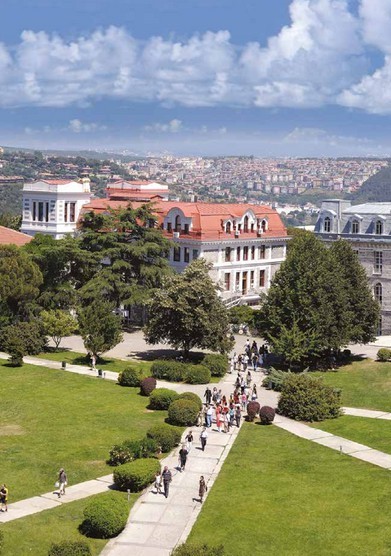 h quality and sustainable education opportunities to the society. BÜYEM offers many programmes for individuals' professional development, access to continuing education and gaining expertise. These programmes include specialisation trainings, vocational training, skill acquisition and updating programmes.
BÜYEM also contributes to various educational projects through corporate social responsibility projects and national/international collaborations.
SDG 7: Affordable and Clean Energy
101–200
SDG Rank (THE Impact)
63.4–69.1
SDG Score (THE Impact)
Green Energy Agreement
Boğaziçi University has reached an agreement to purchase electricity from Renewable Energy Certified energy supply companies. Under this agreement, approximately 12 million kWh of energy will be supplied from Green Certified sources annually through 2024. This important step aims to increase environmental sustainability by reducing Turkey's carbon footprint.
Boğaziçi University In 2025, approximately 5904 tonnes of carbon emissions will be prevented with the use of green energy. This will have an impact on nature as if 14365 trees were planted annually. While Boğaziçi University fulfils its environmental responsibility through sustainable energy use, it also aims to raise environmental awareness nationally.
A Big Step in Energy Efficiency and Quality Management from Boğaziçi University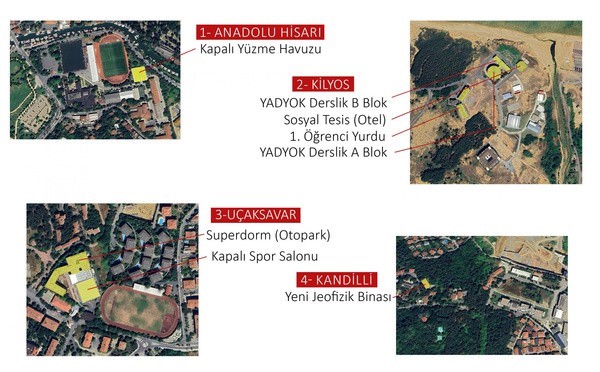
Boğaziçi University has taken another important step in the field of sustainability and energy efficiency and implemented a comprehensive energy efficiency policy that aims to reduce energy consumption and minimise its impact on the environment. The university aims to raise awareness of energy saving and sustainability at national and international level by ensuring that all renovated and newly constructed buildings comply with energy efficiency standards.
In this context, Boğaziçi University carries out many improvement works such as building insulation, door and window renovation, heat recovery, renewal of cooling systems, integration of LED lighting and solar energy systems within the scope of the ‘Energy Efficiency in Public Buildings Project’ supported by the World Bank. In addition, the KADEV Project aims to reduce the carbon footprint by increasing energy efficiency in buildings built before 2007. These works to be carried out in 12 buildings will significantly reduce energy consumption.
Pioneering Steps in Carbon Management and Emission Reduction by Boğaziçi University
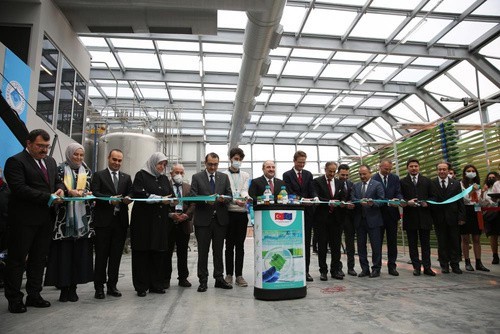 Boğaziçi University is taking important steps to achieve its sustainability goals with pioneering projects in carbon management and emission reduction processes. The university has developed a comprehensive strategy that aims to reduce building-related carbon emissions by 50% by 2030 and reach net zero carbon emissions by 2039. To achieve these goals, energy efficiency, sustainable energy use and projects that minimise carbon emissions are implemented.
One of the most remarkable projects of the university is the INDEPENDENT Projectlocated in Kilyos Sarıtepe Campus. This facility, which is the first carbon-negative biorefinery in Turkey and Europe, captures approximately 1200 tonnes of carbon dioxide per year with microalgae technology and makes it usable.
These successful steps of Boğaziçi University in the field of energy efficiency are monitored in line with international standards. Energy saving projects are carried out in compliance with standards such as the World Bank Greenhouse Gas Protocol, ISO 14064 and BSI PAS 2050.
Social Awareness Raising Activities on Energy Efficiency and Clean Energy by Boğaziçi University
Training Programmes for the Local Community 
Boğaziçi University Lifelong Learning Centre (BÜYEM) provides trainings on energy efficiency and clean energy for the local community, and raises awareness on sustainability through the ‘Smart Life Academy’ and ‘Sustainable Future Training’ programmes.
While the project produces sustainable solutions in areas such as energy, health, agriculture and food, it also significantly reduces the university's carbon emissions. Boğaziçi University is pioneering Turkey's environmentally friendly projects by supporting its work with both national and international collaborations in this process. The university's carbon reduction projects are funded within the framework of the financial co-operation between the European Union and Turkey and attract great international attention.
These projects once again demonstrate Boğaziçi University's commitment to achieving its sustainability goals and its leading role in environmentally friendly projects.
Boğaziçi Energy Summit
Organised by Boğaziçi University Electrotechnology Club (BUEC-IEEE), Bosphorus Energy Summit brings together industry professionals and local communit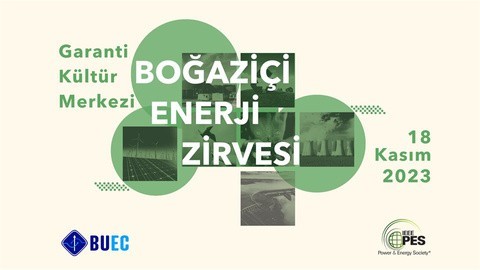 ies by bringing energy efficiency and sustainable energy issues to the agenda.
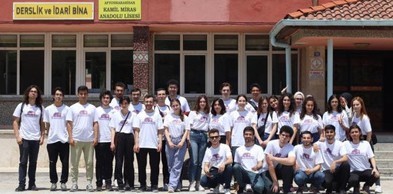 Social Responsibility and Awareness Projects
University student clubs organise various social responsibility projects to raise awareness on energy efficiency and sustainability, and raise public awareness through events such as ‘Our Primary School’ and ‘TeknoDolu’.
Through these programmes and events, Boğaziçi University continues to raise public awareness on energy efficiency and contribute to environmental sustainability goals.
SDG 9: Industry, Innovation and Infrastructure
101–200
SDG Rank (THE Impact)
77.0–90.2
SDG Score (THE Impact)
Boğaziçi University Technopark: New Era in Advanced Technology and Innovation
Boğaziçi Teknopark, the pioneer of Boğaziçi University in the field of technology and innovation, has been continuing its activities since 2010. The Technopark, which attracts attention with its advanced technology-oriented studies, aims to reach a larger capacity with the expansion projects it realises in 2023. With the new project, a 30,000 m² technopark building is planned to be brought to Boğaziçi University within the next two years. In addition, a 47,000 m² area on the Kandilli Campus has been declared as a technopark, and work is continuing rapidly to create a large 120,000 m² technology centre there.
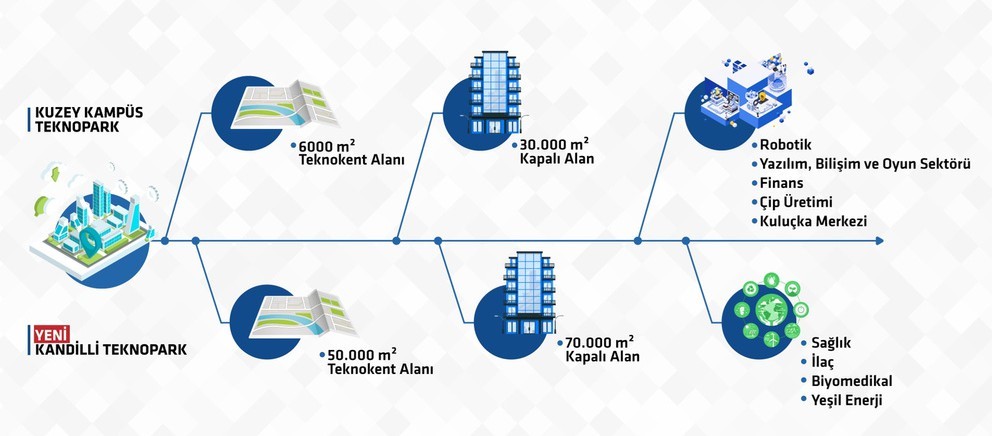
The vision of Boğaziçi Technopark is to become a leading centre in the field of advanced technology by contributing to sustainable economic development at national and international level. With the strong infrastructure and facilities provided by the university, it aims to cooperate with R&D companies and entrepreneurs and support their innovation and success. Boğaziçi Technopark continues its activities as an important player in the technology and entrepreneurship ecosystem.
Boğaziçi University Maintains Its Leading Position in Entrepreneurship
Boğaziçi University once again proved its success as the university that produced the most entrepreneurs in Turkey according to the educational background of the co-founders of the startups that received investment in 2023. Boğaziçi University, which continues to play a pioneering role in the entrepreneurship ecosystem in line with SDG 9 targets under the heading of Industry, Innovation and Infrastructure, draws attention with its innovative projects and initiatives.
According to StartupCentrum's 2023 report, 51 founders are Boğaziçi University undergraduate graduates, 22 founders have master's degrees and 4 founders have PhD degrees. This success is a reflection of the quality education and support provided by the university in the field of entrepreneurship and innovation. Boğaziçi University's strong educational infrastructure in entrepreneurship and innovation enables its entrepreneurial graduates to succeed in the national and international arena. By encouraging innovative projects, the University enables young entrepreneurs to meet with investors and contributes to the entrepreneurship ecosystem.
|
University |
Bachelor's/Master's/ Doctorate |
Total |
|
Bogazici University |
51/22/4 |
77 |
|
Istanbul Technical University |
51/20/5 |
76 |
|
Middle East Technical University |
54/18/3 |
75 |
|
Anadolu University |
37/1/1 |
39 |
|
Marmara University |
22/9/1 |
32 |
|
Istanbul University |
27/3/- |
30 |
|
Koç University |
22/5/- |
27 |
Boğaziçi University LifeSci: Pioneering Studies in Industry, Innovation and Infrastructure
Boğaziçi University Life Sciences and Technologies Application and Research Centre (Boğaziçi LifeSci) continues to make significant contributions to Turkey's entrepreneurship ecosystem in the fields of health and technology. While more than 100 research projects are carried out at the centre, more than 1,200 influential scientific publications have been produced. Boğaziçi LifeSci leads the health entrepreneurship ecosystem with the innovations it develops and successfully conducts Turkey's first clinical drug studies at the centre.
Boğaziçi LifeSci produces pioneering projects in the field of health and technology in line with SDG 9: Industry, Innovation and Infrastructure. With innovations that have the potential to become Turkey's first "Turcorn ’ initiative in the field of healthcare, projects that will open up global markets are being developed. In addition, the pre-clinical animal imaging centre and production facilities at international standards at the centre provide a sustainable and innovative infrastructure by supporting entrepreneurs.
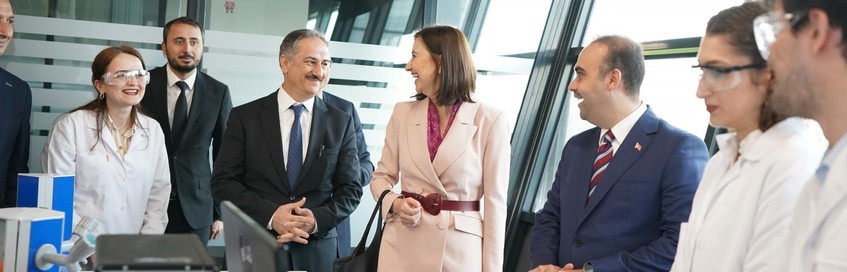
Boğaziçi LifeSci has more than 20 international patents and its research is supported by both national and international funds, while the projects carried out at the centre have great potential in the field of industry and technology-based innovation. Developed with the support of the European Union, the centre plays an important role in Turkey's innovation ecosystem and offers a strong infrastructure for sustainable growth.
.png)
These projects strengthen Boğaziçi University's pioneering role in industry, innovation and infrastructure that contribute to SDG 9 targets.
SDG 11: Sustainable Cities and Communities
201–300
SDG Rank (THE Impact)
64.4–71.4
SDG Score (THE Impact)
Tarsus Ginning Mill - Gözlükule Excavations Research Centre: Boğaziçi University's Project to Revitalise a Historical Heritage
Boğaziçi University draws attention with the projects it carries out for sustainability and protection of cultural heritage. One of these projects is the restoration of the Tarsus Ginning Factory, located in the Tarsus district of Mersin and founded in 1865, and its transformation into the Gözlükule Excavations Research Centre. The factory is one of the first industrial facilities built for cotton production in the Çukurova Region and has a historical significance in this respect.
After being actively used until the 1980s, the factory lost its function and was utilised as a warehouse for a while. In 2000, the building was expropriated by the Ministry of Culture and registered as industrial heritage, but remained idle for a long time. With the initiative of Boğaziçi University, the factory area was re- functionalised and turned into a modern research centre.
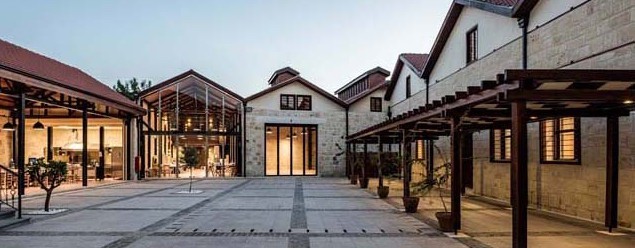
Boğaziçi University took over 5 hangars of the Tarsus Ginning Factory and started to use them as the Gözlükule Excavations Working Office and Artefact Storage. With this project, both the historical and cultural heritage of the factory was preserved and a modern infrastructure was created for archaeological studies. This project, which was awarded by Europa Nostra in the ‘Conservation Branch’ in 2019, stands out as an important example of Boğaziçi University's vision to sustainably revitalise abandoned industrial buildings.
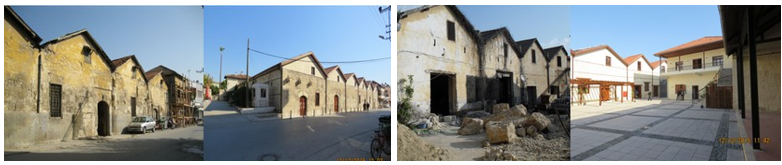
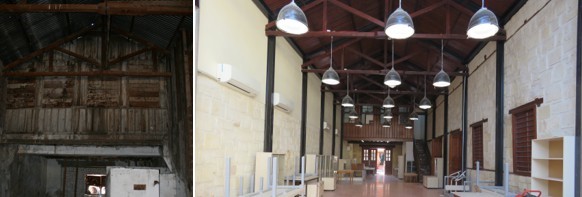
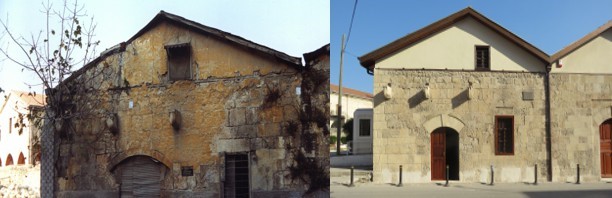
This transformation project of the Tarsus Ginning Mill not only supports environmental sustainability, but also preserves a historical industrial heritage and ensures its transfer to future generations. This successful project demonstrates Boğaziçi University's commitment to the principles of cultural and environmental sustainability and its determination to carry the legacy of the past into the future with innovative solutions.
SDG 12: Responsible Consumption and Production
201–300
SDG Rank (THE Impact)
65.6–73.0
SDG Score (THE Impact)
New Collaboration for Sustainable Consumption and Production by Boğaziçi University and Development Investment Bank of Turkey
Boğaziçi University and the Development Investment Bank of Turkey have signed an important cooperation protocol to contribute to sustainable development goals. This agreement aims to make significant contributions to Turkey's sustainability goals through projects and trainings in the field of responsible consumption and production within the framework of the United Nations' (UN) Sustainable Development Goals (SDGs).
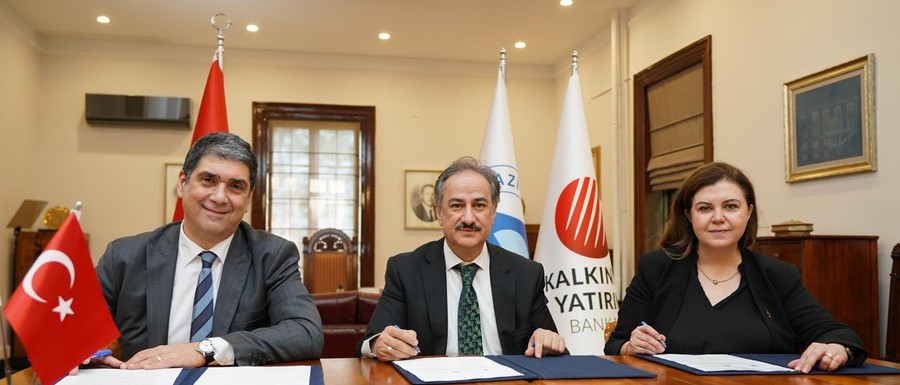
This cooperation will focus on issues such as efficient use of natural resources, water and waste management, renewable energy use and circular economy models, especially under SDG 12: Responsible Consumption and Production. Within the scope of the agreement, joint projects, workshops and trainings will be organised on topics such as sustainable financing and low-carbon transport.
Boğaziçi University Rector Prof. Dr. Mehmet Naci İnci emphasised that the university is taking the initiative in Turkey's sustainable development journey, while İbrahim Halil Öztop, General Manager of the Development Investment Bank of Turkey, stated that this cooperation is an important step towards achieving the SDG targets.
This new collaboration aims to contribute to projects that promote the efficient use of natural resources by strengthening Boğaziçi University's work in the field of sustainable consumption and production.
The future of sustainable energy was discussed at Boğaziçi
The 45th IAEE International Conference, with the participation of 450 delegates from 70 countries, will be hosted by Boğaziçi University on 25-28 June. Speaking at the opening of the conference, Boğaziçi University Rector Prof. Dr. Mehmet Naci İnci emphasised that Boğaziçi University is at the forefront of energy innovation with its research projects and support in this field.
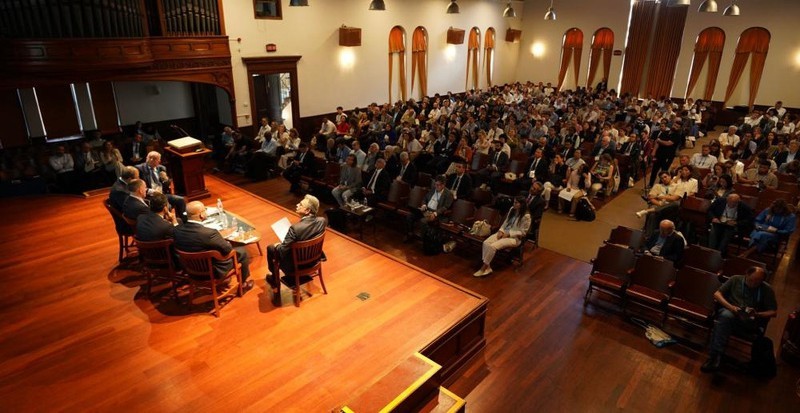
International Association for Energy Economics (IAEE) 45th International Conference: A Platform to Shape the Future of Energy at Boğaziçi University
The 45th International Conference of the International Association for Energy Economics (IAEE) was held at the Albert Long Hall Building on the South Campus of Boğaziçi University. With 450 participants from 70 countries, the event was enriched with panels and workshops where critical issues such as energy security, renewable energy, hydrogen technology, carbon pricing, climate change and energy efficiency were discussed by experts, academics and policy makers.
Opening Speech of Rector Prof. Dr. Mehmet Naci Inci: Energy Sustainability and Partnerships for the Future
In his opening speech, Prof. Dr. Mehmet Naci İnci, Rector of Boğaziçi University, stated that the theme of this year's conference is ‘Energy Sustainability, Security, Efficiency and Accessibility in Transition’. Highlighting the uncertainties in energy demands and the importance of finding innovative solutions for global energy needs, Prof. Dr. İnci emphasised that the conference is an important platform for the exchange of ideas and partnerships that will shape the future of the energy economy.
Boğaziçi University Pioneer of Energy Innovation
Prof. Dr. İnci drew attention to Boğaziçi University's work in the field of sustainability and energy and stated that the university is at the forefront of energy innovation. In particular, Europe's first carbon-negative biorefinery located on the Kilyos Campus stood out as an important indicator of Boğaziçi University's innovative R&D studies and commitment to sustainable energy solutions. The university's research in wind energy, bioenergy and hydrogen technologies is supported by projects aimed at increasing energy efficiency and developing renewable energy technologies.
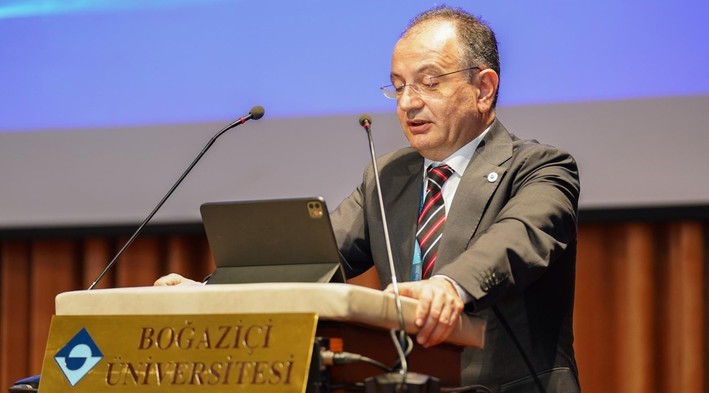
Boğaziçi University Vice Rector Prof. Dr. Gürkan Kumbaroğlu, who is known for his studies on energy economics and management and industrial energy analysis in Turkey and in the world, expressed the contributions that the conference, which was held in Istanbul for the first time after 2008, will make to a clean, stable and sustainable energy future. Stating that energy sustainability has become a focal issue all over the world, Prof. Dr. Kumbaroğlu said that this has brought about new challenges both in Turkey and globally.
Gender Equality Plan

Boğaziçi University aims to improve gender equality in research, academia and administration. Various units within the university are working towards goals such as increasing the visibility and participation of women in social and academic life, collecting and updating relevant data in these areas, and expanding the database of women's statistics. These efforts not only contribute to the achievement of the university's gender equality goals but also act in line with Turkey's national and international commitments.
National Context Article 10 of the Constitution of the Republic of Turkey guarantees equality before the law: ‘Everyone is equal before the law without distinction as to language, race, colour, sex, political opinion, philosophical belief, religion, sect and similar grounds.’ The 2010 amendment stipulates that the state must ensure this equality in practice and emphasises that women and men have equal rights. It was also added that measures taken cannot be interpreted as contrary to the principle of equality. In this framework, measures taken for children, the elderly, the disabled, widows and orphans of martyrs and veterans are not considered a violation of the principle of equality. Furthermore, no individual, family, group or class shall be privileged.
Turkey is a member of international organisations such as the United Nations (UN), NATO, the Organisation for Economic Co-operation and Development (OECD), the G-
20 and the Organisation of Islamic Cooperation (OIC) and is in the process of accession to the European Union (EU). Turkey was one of the first European countries to grant women the right to vote in 1934 and has a strong women's movement. Women's rights advocates in Turkey have campaigned nationwide for the adoption of laws to combat violence against women and for gender equality.
Turkey's International and National Obligations
- Turkey became a party to the Convention on the Elimination of All Forms of Discrimination against Women (CEDAW) in 1985 and ratified the Optional Protocol to CEDAW in 2002.
- Turkey was the first country to sign the Convention on Preventing and Combating Violence against Women and Domestic Violence, known as the Istanbul Convention, in 2011 and ratified it in 2012.
- In 2015, the Council of Higher Education (YÖK) published the Position Paper on Gender Equality in Higher Education.
- In 2019, the Scientific and Technological Research Council of Turkey (TÜBİTAK) published policy guidelines to increase the participation of women researchers in TÜBİTAK processes.
- Turkey's 11th Development Plan for the period 2019-2023 includes measures and targets aimed at empowering women, preventing discrimination against women and ensuring women's access to equal opportunities with men.
Boğaziçi University's Actions Boğaziçi University continues to take important steps towards gender equality. The university's gender equality policies are developed and implemented in accordance with both national and international norms. Special databases are created to support women to take a more active role in their academic careers, and various awareness and training programmes are organised to support women employees and students.
Within this framework, in order to achieve sustainable gender equality goals within the university:
- Incentive policies are implemented to make women more visible and active in research and academic processes,
- It is ensured that statistical data on women employees and students are collected and updated,
- The role of women in academia and social life is being increased,
- Special projects and support programs are organized for women.
Boğaziçi University aims to set an example for Turkey and the world in the field of sustainability by taking steps towards gender equality.
Stakeholder Engagement
Boğaziçi University attaches importance to continuous communication and co- operation with various stakeholders of the university in its quality assurance activities. Among the stakeholders, nearly 100 participants such as university employees, students, graduates, alumni and authorities contributed with their opinions and suggestions. In quality assurance studies, it is seen as a critical element to ensure the active participation of these stakeholders in the process. The Quality Assurance Workshop held on 15-16 June 2023 was an important event to strengthen this participation.
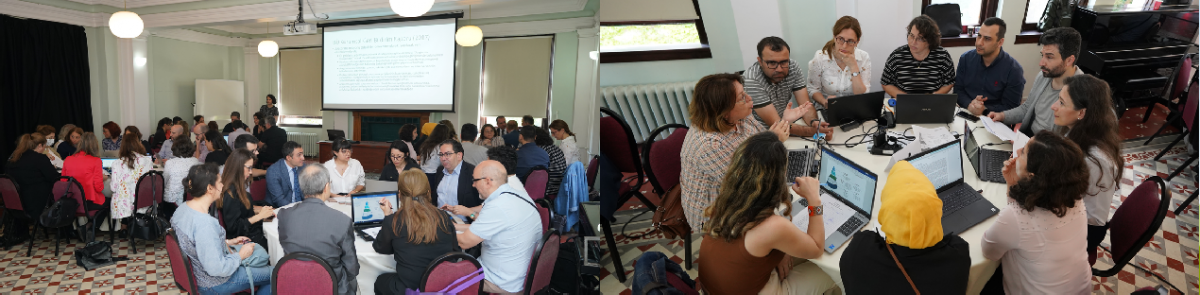
In the workshop, the university's education-training, research-development and social contribution activities were discussed and quality processes were analysed together with these stakeholders. Within the scope of the workshop, it was ensured that stakeholders were included in the quality assurance process and strengths and aspects open to improvement were identified. In this context, feedback from stakeholders provided important data for the university's strategic planning and quality assurance activities. In particular, the analyses made in line with YÖKAK External Evaluation Criteria were enriched with stakeholder opinions and suggestions.
Detailed information about the internal and external evaluation processes of the university was presented, and it was aimed to create a strong quality culture with the data obtained and stakeholder contributions. Quality commission members from academic and administrative units, rectorate officials and the quality coordinatorship actively participated in this process and as a result of this cooperation, important outputs were obtained towards the strategic goals of the institution.
Stakeholder Engagement is positioned as an integral part of the university's quality assurance and sustainability processes by emphasising the importance of stakeholder participation in the success of quality assurance activities. These studies represent a process that aims continuous improvement through joint activities and feedbacks carried out by the university with both internal and external stakeholders.
Boğaziçi University Sustainable Collaborations
Boğaziçi University signs many national and international cooperation protocols in order to achieve its sustainability goals and develop innovative projects. These collaborations contribute to the university's pioneering R&D studies in various fields such as green energy, carbon neutral technologies, sustainable financing and circular economy. Important collaborations in 2023 and 2024 are summarised below:
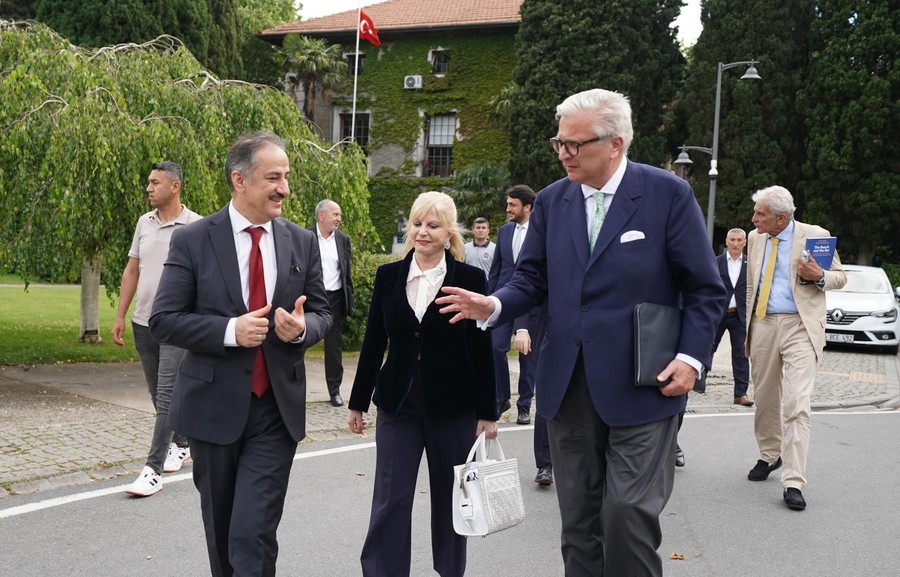
Sustainability and Green Energy Cooperation with Prince Laurent of Belgium
Prince Laurent of Belgium, who visited Boğaziçi University on 12-13 June 2023, expressed his admiration for the university's projects in the fields of sustainability and green energy and requested to establish cooperation. During his visit, Prince Laurent was informed about the only carbon-negative biorefinery in Turkey and Europe and the microalgae research at Boğaziçi University Kilyos Campus and stated that these studies in the field of sustainable energy can provide great benefits for Turkey and society. This visit strengthened the position of Boğaziçi University as a centre of attraction for sustainable projects at the international level.
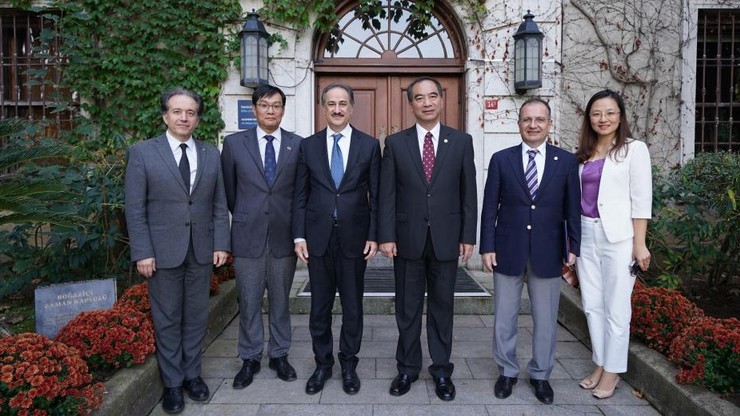
Academic Cooperation Protocol with Peking University
As part of its strategic expansion in Asia, Boğaziçi University has signed an academic exchange and cooperation protocol with Peking University, one of the most prestigious higher education institutions in the world. This cooperation encourages the exchange of students and academics between the two universities, scientific research and knowledge sharing within the scope of sustainability projects. Rector Prof. Dr. Mehmet Naci İnci emphasised that this protocol is an important step not only for the two universities, but also for increasing scientific exchange between Turkey and China.
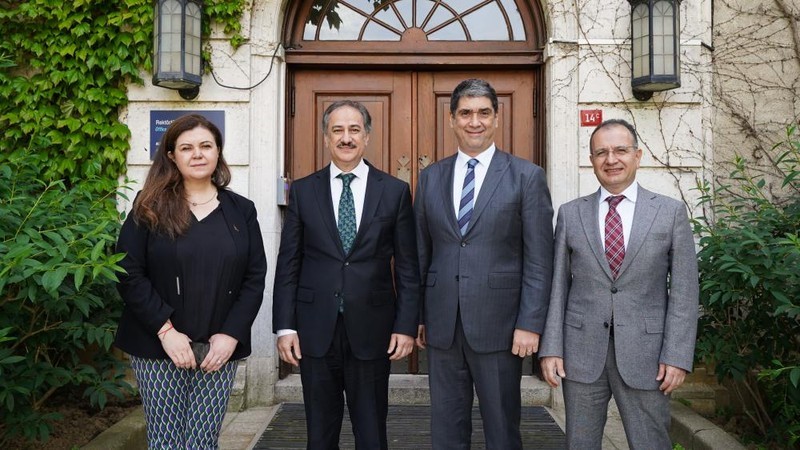
Sustainability Cooperation with Development Investment Bank of Turkey
Boğaziçi University has signed an important cooperation protocol with the Development Investment Bank of Turkey within the framework of the United Nations Sustainable Development Goals. Within the scope of the agreement, it is planned to organise joint projects, workshops and trainings in areas such as renewable energy, water and waste management, sustainable financing and low- carbon transport. This cooperation will also contribute to Turkey's 2053 net zero emission targets and strategies under the Paris Climate Agreement. Rector Prof. Dr. Mehmet Naci İnci highlighted the leadership role of Boğaziçi University in this field and stated that they will continue to pioneer efforts towards Turkey's sustainable development goals.
Boğaziçi University does not limit its work in the field of sustainability to academic and research projects, but also expands its impact in this field by establishing strong collaborations with international institutions, governments and industry. These collaborations support the university's efforts to achieve sustainable development goals and enable it to produce innovative solutions globally.
Sustainable Events
Boğaziçi University organised many events in 2023 and 2024 to support sustainability efforts and strengthened national and international collaborations by focusing on important issues such as climate change, green energy, water crisis and sustainable agriculture. These events have made significant contributions to both the academic projects of the university and the public towards achieving sustainability goals.
COP28 Participation of Boğaziçi University
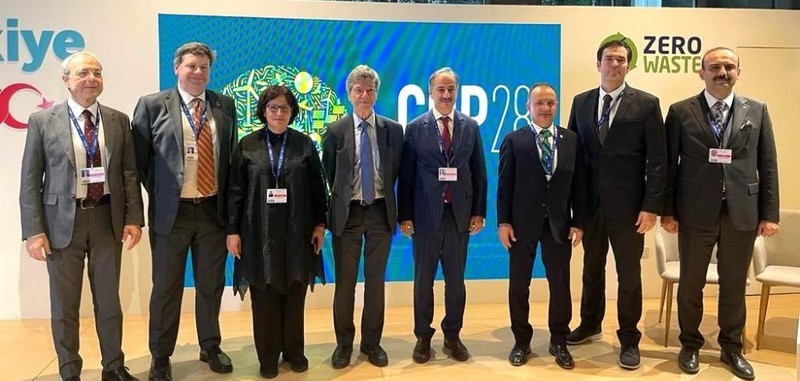
Boğaziçi University Rector Prof. Dr. Mehmet Naci İnci and Vice Rector Prof. Dr. Gürkan Kumbaroğlu represented Boğaziçi University and UN SDSN (United Nations Sustainable Development Solutions Network) Turkey at the United Nations Climate Conference (COP28). At the conference held in Dubai between 30 November-12 December 2023, the role of universities in achieving the Net Zero Emission Targetwas discussed in a session hosted by Boğaziçi University. The session emphasised the importance of education, research and implementation activities in creating sustainable campuses and communities.
Sustainable Consumption and Production National Action Plan
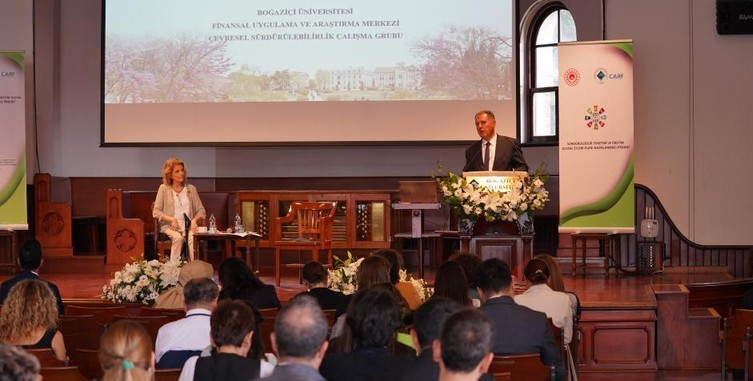
At the Sustainable Consumption and Production National Action Plan meeting held at Boğaziçi University on 7 September 2023, it was aimed to create a national action plan with the Ministry of Environment, Urbanisation and Climate Change and sectoral collaborations. This project contributes to taking important steps in the field of sustainable production and consumption in Turkey towards the UN's Sustainable Development Goals. The meeting emphasised the development of sustainable policies and the creation of financial frameworks where the private sector can invest in these goals.
Climate-Water-Agriculture Summit for a Sustainable Future
On 28 April 2023, the Climate-Water-Agriculture Summit for a Sustainable Future held at Boğaziçi University focused on water crisis, climate change and sustainable agriculture. Speaking at the summit, Prof. Dr. Levent KURNAZ, Director of Boğaziçi University Climate Change and Policy Implementation Centre, pointed out that Turkey will face serious water problems in the future due to population growth and climate crisis. This summit aimed to raise awareness on the future of sustainable agriculture and water management.
UN SDSN Turkey Members Board Meeting
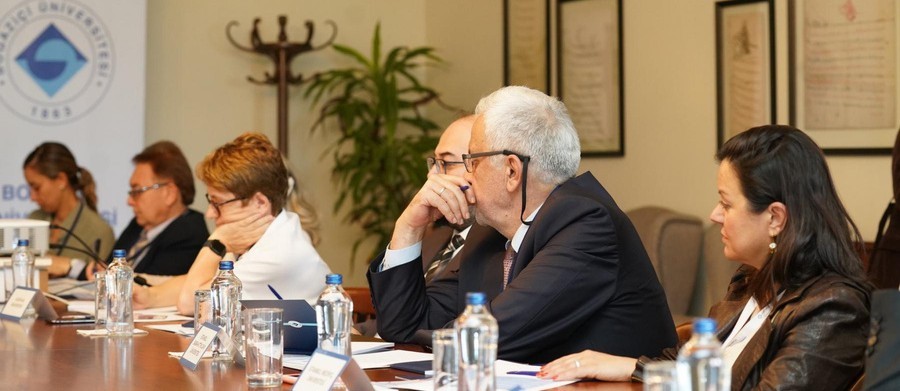
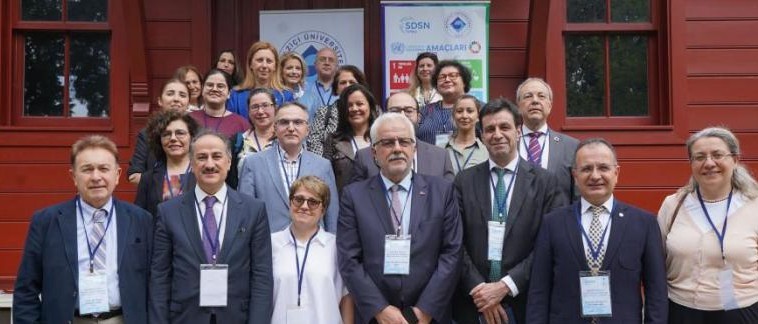
The UN SDSN Turkey Members Board Meeting held at Boğaziçi University on 14 June 2023 discussed the role of universities within the framework of sustainable development goals (SDGs). Boğaziçi University Rector Prof. Dr. Mehmet Naci İnci emphasised that universities can be sustainability champions and that education programmes should be updated urgently to achieve these goals. During the meeting, new projects were evaluated by sharing knowledge and experience among the participants.
Boğaziçi University reinforces its leadership in sustainability through such events and continues to increase its impact on the environment, society and economy through national and international collaborations.
AWARDS
Boğaziçi University has won many awards throughout 2023 for its achievements in sustainability, innovation and academic excellence. Faculty members and researchers at the University have received important national and international awards for their projects carried out in line with sustainability goals. These awards once again demonstrate Boğaziçi University's leadership in research and technology and its commitment to sustainability.
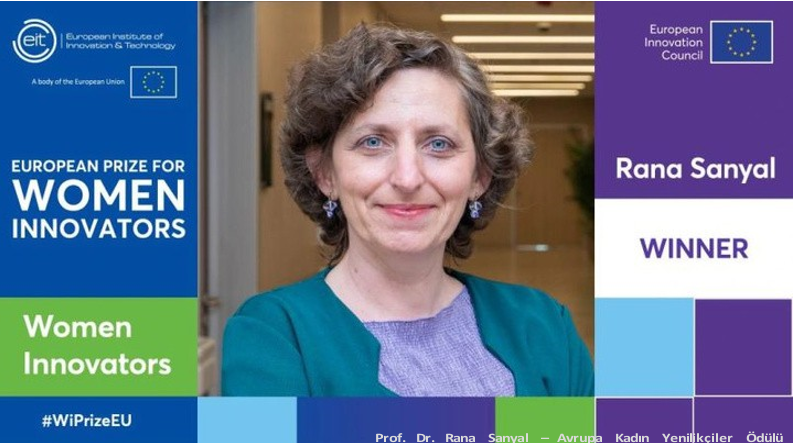
Prof. Dr. Rana SANYAL- European Women Innovators Award
Prof. Dr. Rana Sanyal, faculty member at Boğaziçi University Department of Chemistry and co-founder of RS Research, has been awarded the European Women Innovators Award by the European Innovation Council (EIC) of the European Union (EU). Prof. Sanyal won this prestigious award for her work in developing smart drugs that enable targeted chemotherapy in the field of oncology. RS Research continues to work on innovative drug delivery technologies, powered by the scientific infrastructure of Boğaziçi University. This award emphasises the impact of innovative work on society and the importance of women leaders in the world of science.
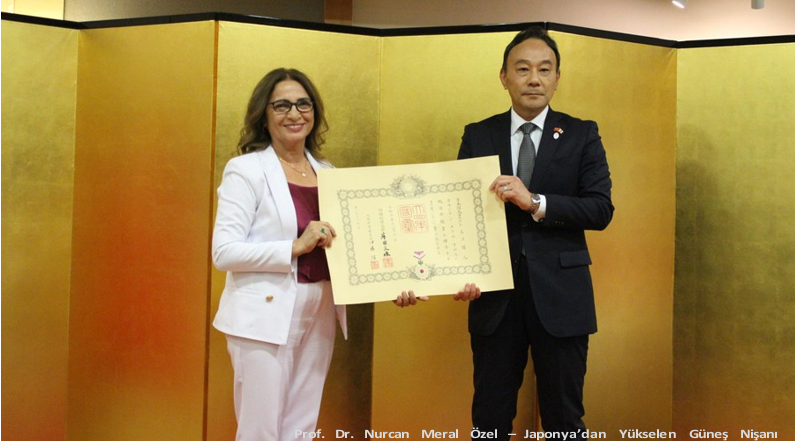
Prof. Dr. Nurcan Meral ÖZEL- Order of the Rising Sun from Japan
Prof. Dr. Nurcan Meral Özel, Director of Boğaziçi University Kandilli Observatory and Earthquake Research Institute (KRDAE), has been awarded the Order of the Rising Sun by the Government of Japan. Prof. Dr. Özel won this prestigious award for her international work in the field of earthquake research and nuclear disarmament. She is recognised as a world-renowned scientist for her work with the United Nations Nuclear Test Ban Treaty Organisation (CTBTO) and her leadership in international monitoring networks.
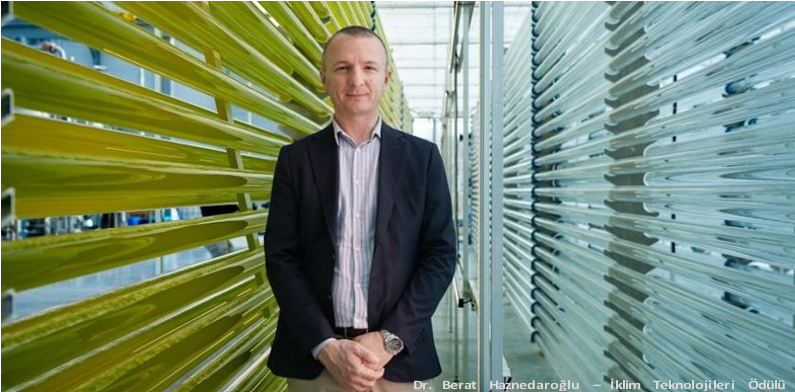
Dr. Berat HAZNEDAROĞLU- Climate Technologies Award
Boğaziçi University Institute of Environmental Sciences faculty member Dr. Berat Haznedaroğlu was awarded the Dr Akın Çakmakcı Pioneering Researcher Award by the Technology Development Foundation of Turkey (TTGV). Dr Haznedaroğlu, who won this award with his project ‘Development of Algae-Based Products with High Added Value’, leads the research projects carried out in Europe's first and only carbon negative microalgae biorefinery located at Boğaziçi University Kilyos Campus. This award recognises the importance of R&D efforts to achieve green transformation using microalgae.
Boğaziçi University Researchers at TURKPATENT ISIF'24 Awards
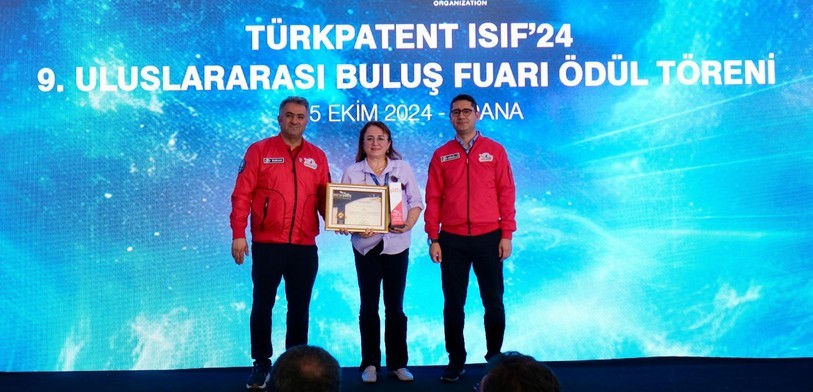
Boğaziçi University researchers achieved a great success by winning two gold and six silver medals at TURKPATENT ISIF'24 (International Invention Fair). In addition, the university was also honoured with the Best Academic Invention Award. The award-winning projects included innovative technologies such as cancer immunotherapy, obstructive sleep apnoea treatment and biocompatible drug carrier systems. These achievements once again demonstrate how advanced Boğaziçi University is in R&D studies in the field of sustainable technologies.