


-
Sürdürülebilirlik Raporları
-
Stratejik Planlar ve Faaliyet Raporları
-
Sürdürülebilir Kalkınma Amaçları (SKA) Faaliyetleri
-
No poverty Contents
-
Zero hunger Contents
-
2.2.1 Campus food waste tracking
-
2.3.1 Student food insecurity and hunger
-
2.3.2 Students and staff hunger interventions
-
2.3.3 Sustainable food choices on campus
-
2.3.4 Healthy and affordable food choices
-
2.5.1 Access to food security knowledge
-
2.5.2 Events for local farmers and food producers
-
2.5.3 University access to local farmers and food producers
-
2.5.4 Sustainable food purchases
-
-
Good health and wellbeing Contents
-
Quality education Contents
-
Gender equality Contents
-
5.3.1 Tracking access measures
-
5.3.2 Policy for women applications and entry
-
5.3.3 Women's access schemes
-
5.3.4 Women's application in underrepresented subjects
-
5.6.1 Policy of non-discrimination against women
-
5.6.2 Non-discrimination policies for transgender
-
5.6.3 Maternity and paternity policies
-
5.6.4 Childcare facilities for students
-
5.6.5 Childcare facilities for staff and faculty
-
5.6.6 Women's mentoring schemes
-
5.6.7 Track women's graduation rate
-
5.6.8 Policies protecting those reporting discrimination
-
-
Clean water and sanitation Contents
-
6.2.1 Water consumption tracking
-
6.3.1 Waste water treatment
-
6.3.2 Preventing water system pollution
-
6.3.3 Free drinking water provided
-
6.3.4 Water-conscious building standards
-
6.3.5 Water-conscious planting
-
6.4.1 Water reuse policy
-
6.5.1 Water management educational opportunities
-
6.5.2 Promoting conscious water usage
-
6.5.3 Off-campus water conservation support
-
6.5.4 Sustainable water extraction on campus
-
6.5.5 Cooperation on water security
-
6.5.6 Encouraging Conscious Water Use
-
6.5.7 Promoting Conscious Water Use in Communities
-
6.4.2 Water reuse measurement
-
-
Affordable and clean energy Contents
-
7.2.1 Energy-efficient renovation and building
-
7.2.2 Upgrade buildings to higher energy efficiency
-
7.2.3 Carbon reduction and emission reduction process
-
7.2.4 Plan to reduce energy consumption
-
7.2.5 Energy wastage identification
-
7.2.6 Divestment policy
-
7.4.1 Local community outreach for energy efficiency
-
7.4.2 100% renewable energy pledge
-
7.4.3 Energy efficiency services for industry
-
7.4.4 Policy development for clean energy technology
-
7.4.5 Assistance to low-carbon innovation
-
-
Decent work and economic growth Contents
-
8.2.1 Employment practice living wage
-
8.2.2 Employment practice unions
-
8.2.3 Employment policy on discrimination
-
8.2.4 Employment policy modern slavery
-
8.2.5 Employment practice equivalent rights outsourcing
-
8.2.6 Employment policy pay scale equity
-
8.2.7 Tracking pay scale for gender equity
-
8.2.8 Employment practice appeal process
-
-
Reduced inequalities Contents
-
10.6.1 Non-discriminatory admissions policy
-
10.6.10 Disability accommodation policy
-
10.6.11 Anti-harassment policy
-
10.6.2 Access to university track underrepresented groups applications
-
10.6.3 Access to university underrepresented groups recruit
-
10.6.4 Anti-discrimination policies
-
10.6.5 University diversity officer
-
10.6.6 Support for underrepresented groups
-
10.6.7 Accessible facilities
-
10.6.8 Disability support services
-
10.6.9 Disability access scheme
-
-
Sustainable cities and communities Contents
-
11.2.1 Public access to buildings
-
11.2.2 Public access to libraries
-
11.2.3 Public access to museums
-
11.2.4 Public access to green spaces
-
11.2.5 Arts and heritage contribution
-
11.2.6 Record and preserve cultural heritage
-
11.4.1 Sustainable practices targets
-
11.4.2 Promote sustainable commuting
-
11.4.3 Allow remote working
-
11.4.4 Affordable housing for employees
-
11.4.5 Affordable housing for students
-
11.4.6 Pedestrian priority on campus
-
11.4.7 Local authority collaboration regarding planning and development
-
11.4.8 Planning development - new build standards
-
11.4.9 Building on brownfield sites
-
-
Responsible consumption and production Contents
-
12.2.1 Ethical sourcing policy
-
12.2.3 Policy waste disposal - hazardous materials
-
12.2.4 Policy waste disposal - landfill policy
-
12.2.5 Policy for minimisation of plastic use
-
12.2.6 Policy for minimisation of disposable items
-
12.2.7 Disposable policy: extensions to services
-
12.2.8 Minimisation policies extended to suppliers
-
12.3.1 Waste tracking
-
12.4.1 Publication of sustainability report
-
-
Climate action Contents
-
13.2.1 Low-carbon energy tracking
-
13.3.1 Local education programmes on climate
-
13.3.2 Climate Action Plan, shared
-
13.3.3 Co-operative planning for climate change disasters
-
13.3.4 Inform and support government
-
13.3.5 Environmental education collaborate with NGOs
-
13.4.1 Commitment to carbon neutral university
-
13.4.2 Carbon neutral: achieve by date
-
-
Life below water Contents
-
14.2.1 Fresh-water ecosystems (community outreach)
-
14.2.2 Sustainable fisheries (community outreach)
-
14.2.3 Overfishing (community outreach)
-
14.3.1 Conservation and sustainable utilisation of the oceans (events)
-
14.3.2 Food from aquatic ecosystems (policies)
-
14.3.3 Maintain ecosystems and their biodiversity (direct work)
-
14.3.4 Technologies towards aquatic ecosystem damage prevention (direct work)
-
14.4.1 Water discharge guidelines and standards
-
14.4.2 Action plan to reducing plastic waste
-
14.4.3 Reducing marine pollution (policy)
-
14.5.1 Minimizing alteration of aquatic ecosystems (plan)
-
14.5.2 Monitoring the health of aquatic ecosystems
-
14.5.3 Programs towards good aquatic stewardship practices
-
14.5.4 Collaboration for shared aquatic ecosystems
-
14.5.5 Watershed management strategy
-
-
Life on land Contents
-
15.2.1 Events about sustainable use of land
-
15.2.2 Sustainably farmed food on campus
-
15.2.3 Maintain and extend current ecosystems' biodiversity
-
15.2.4 Educational programmes on ecosystems
-
15.2.5 Sustainable management of land for agriculture and tourism
-
15.2.6 Sustainable management of land for tourism and training
-
15.3.1 Sustainable use, conservation and restoration of land (policy)
-
15.3.2 Monitoring IUCN and other conservation species (policies)
-
15.3.3 Local biodiversity included in planning and development
-
15.3.4 Reduce the impact of alien species (policies)
-
15.3.5 Collaboration for shared land ecosystems
-
15.4.1 Water discharge guidelines and standards
-
15.4.2 Policy on plastic waste reduction
-
15.4.3 Policy on hazardous waste disposal
-
-
Peace justice and strong institutions Contents
-
16.2.1 Elected representation
-
16.2.2 Students' union
-
16.2.3 Identify and engage with local stakeholders
-
16.2.4 Participatory bodies for stakeholder engagement
-
16.2.5 University principles on corruption and bribery
-
16.2.6 Academic freedom policy
-
16.2.7 Publish financial data
-
16.3.1 Provide expert advice to government
-
16.3.2 Policy- and lawmakers outreach and education
-
16.3.3 Participation in government research
-
16.3.4 Neutral platform to discuss issues
-
-
Partnerships for the goals Contents
-
17.2.1 Relationships with NGOs and government for SDG policy
-
17.2.2 Cross sectoral dialogue about SDGs
-
17.2.3 International collaboration data gathering for SDG
-
17.2.4 Collaboration for SDG best practice
-
17.2.5 Collaboration with NGOs for SDGs
-
17.3.1 Publication of SDG report: SDG1
-
17.3.10 Publication of SDG report: SDG10
-
17.3.2 Publication of SDG report: SDG2
-
17.3.3 Publication of SDG report: SDG3
-
17.3.4 Publication of SDG report: SDG4
-
17.3.5 Publication of SDG report: SDG5
-
17.3.6 Publication of SDG report: SDG6
-
17.3.7 Publication of SDG report: SDG7
-
17.3.8 Publication of SDG report: SDG8
-
17.3.9 Publication of SDG report: SDG9
-
17.4.1 Education for SDGs commitment to meaningful education
-
17.4.2 Education for SDGs: specific courses on sustainability
-
17.4.3 Education for SDGs in the wider community
-
17.4.4 Sustainability literacy measurement
-
-
ISR Contents
-
....Does your institution have a valid tenure or promotion system that recognises interdisciplinary research within valid disciplines?
-
Does your institution provide special administrative support to interdisciplinary research teams within the applicable disciplines?
-
..Does your institution provide special physical facilities for interdisciplinary research teams within the applicable disciplines?
-
.Does your institution meet the criteria for interdisciplinary research success within the applicable disciplines?
-
Is there any feedback you would like to share about ISR?
-
-
-
Sürdürülebilir Kalkınma Amaçları (SKA) Raporları
-
Sayılarla Boğaziçi Üniversitesi
-
E-Bülten Arşivi
11.2.3 Public access to museums
Public Access to Museums
Boğaziçi University provides free public access to its museums, exhibition spaces/galleries and artworks. Through this access, the University aims to bring the local community together with art, culture and history.
Boğaziçi University Museum
The Boğaziçi University Museum houses a variety of documents, furniture, ceramics and other works of art that reflect the history and cultural heritage of the university. The museum is housed in a building that is a rare example of 19th century American architecture in Istanbul and is open to the public. The museum is an important resource for researchers and enthusiasts, bringing the traces of the past to the present.
Sustaining the Aegean’s Olive Heritage through Art
Works produced by students from a range of academic disciplines during painting courses at Boğaziçi University’s Department of Fine Arts as part of the 2026 Summer School were brought together in the group exhibition “Memories of the Olive Tree”. Curated by Associate Professor Mutlu Erbay and presented at the Natuk Birkan Building on the South Campus on 11–12 August 2026, the exhibition featured acrylic paintings created by the students throughout the semester.
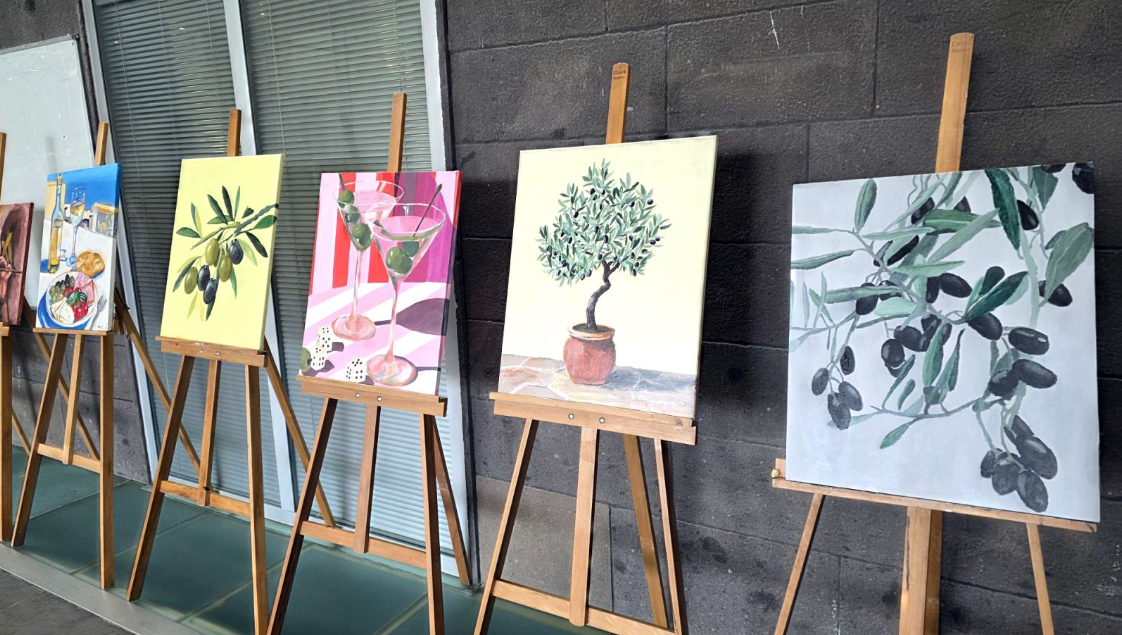
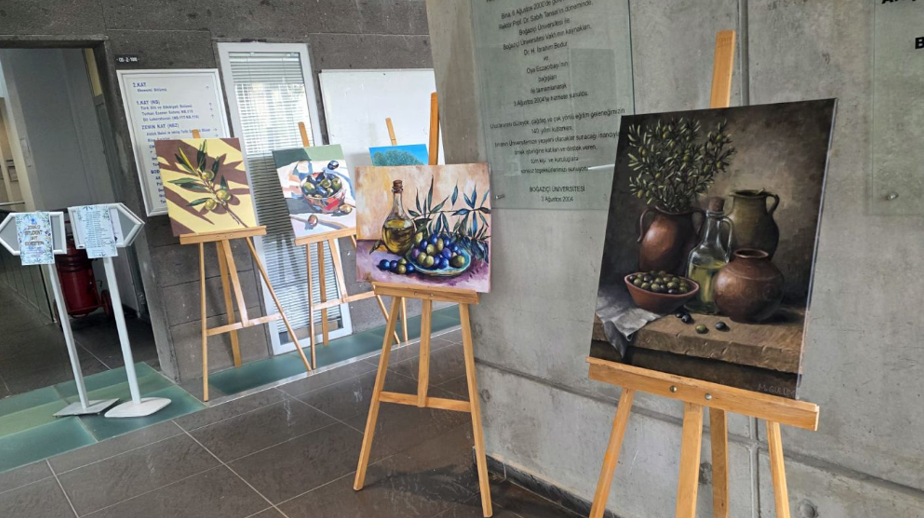
Through the distinctive perspectives of emerging young artists, the exhibition reinterpreted the Aegean region’s centuries-old olive culture, collective memory and historical relationship with nature. By bringing students from different academic backgrounds together through a shared process of artistic production, the event helps promote the visibility, contemporary interpretation and intergenerational transmission of the cultural heritage associated with the olive tree.
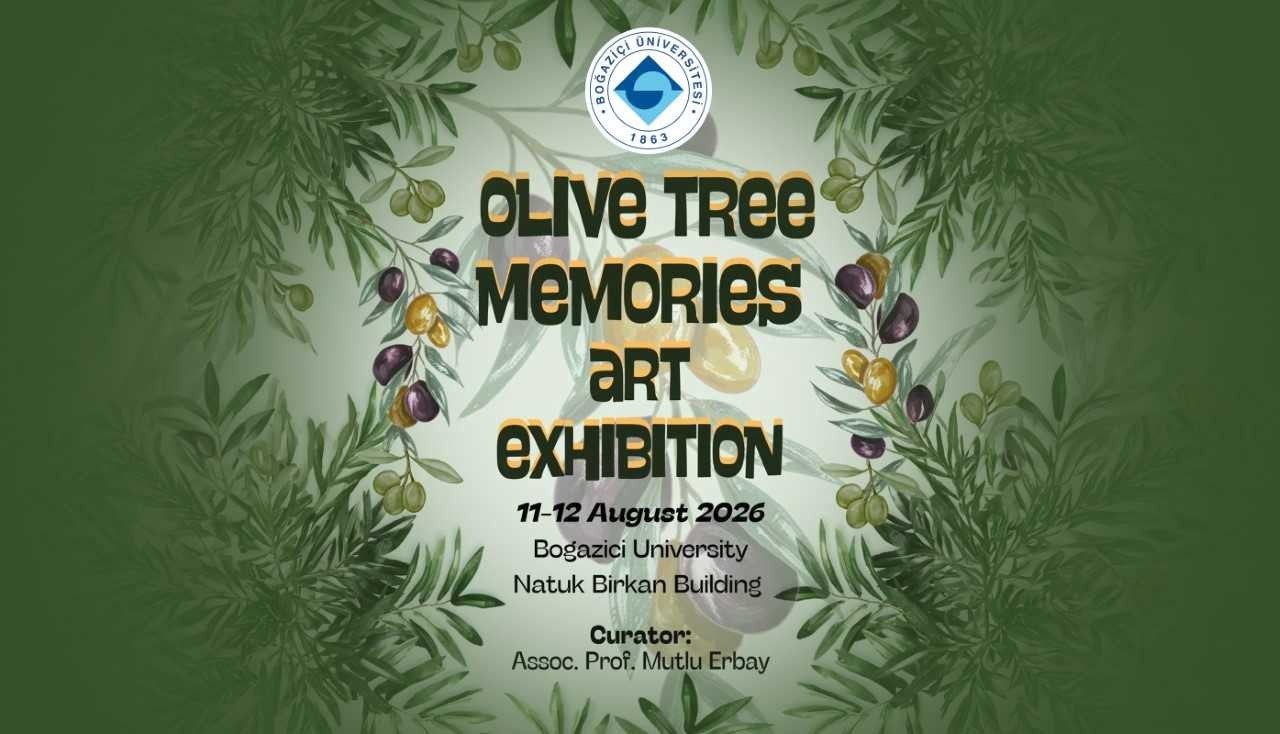
The full news article is available here.
Classic Car Exhibition
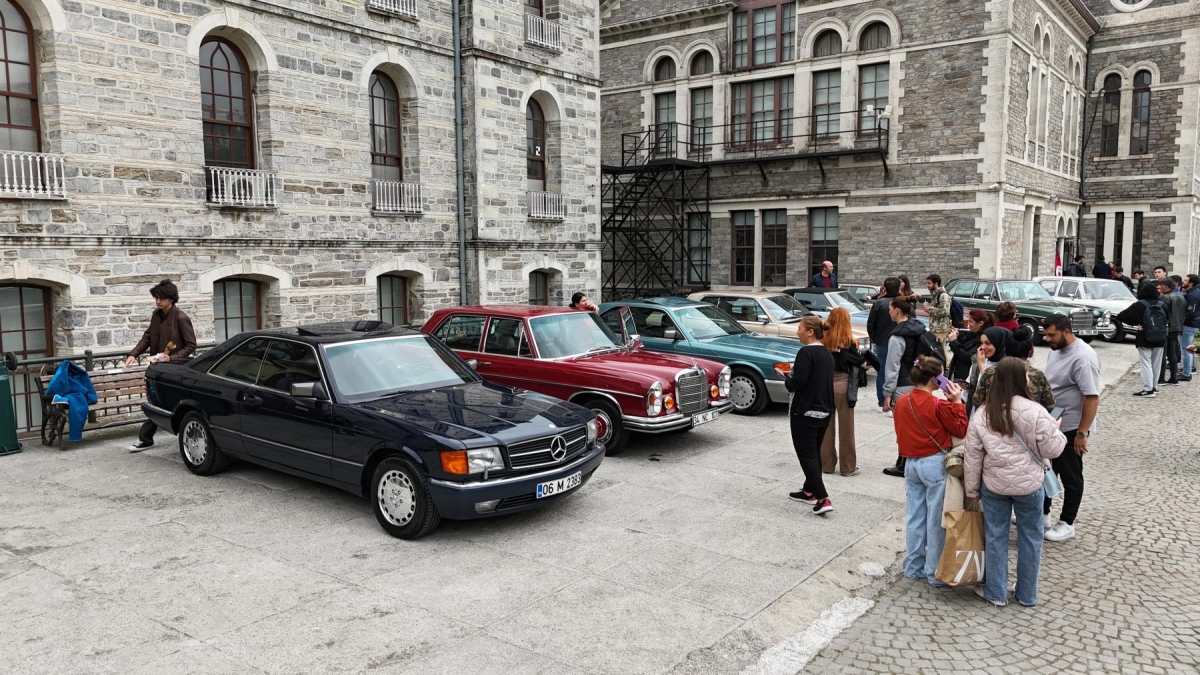
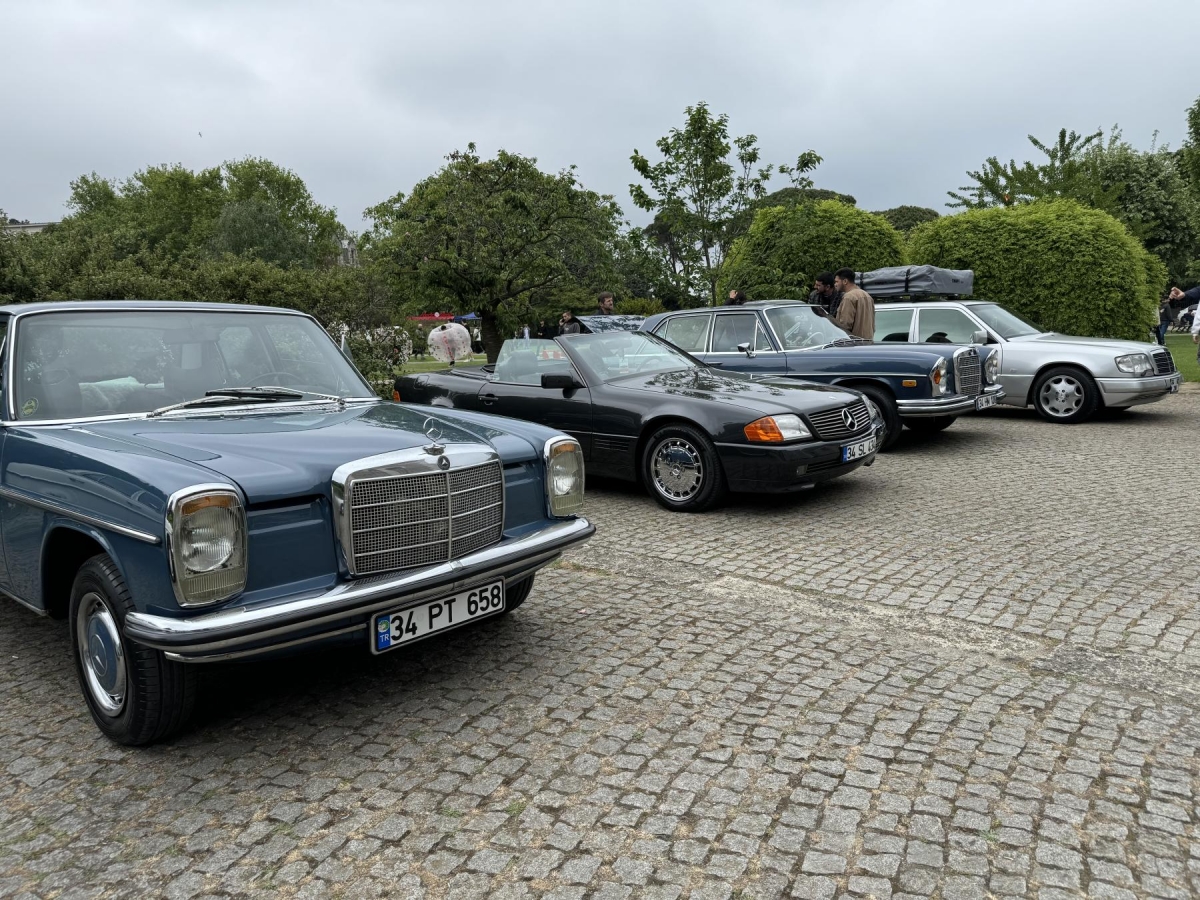
The Classic Car Exhibition at the University's South Square showcases classic Mercedes-Benz models produced between 1950 and 2000. In addition to being a meeting point for car enthusiasts, this event also offers participants the opportunity to learn about these iconic vehicles.
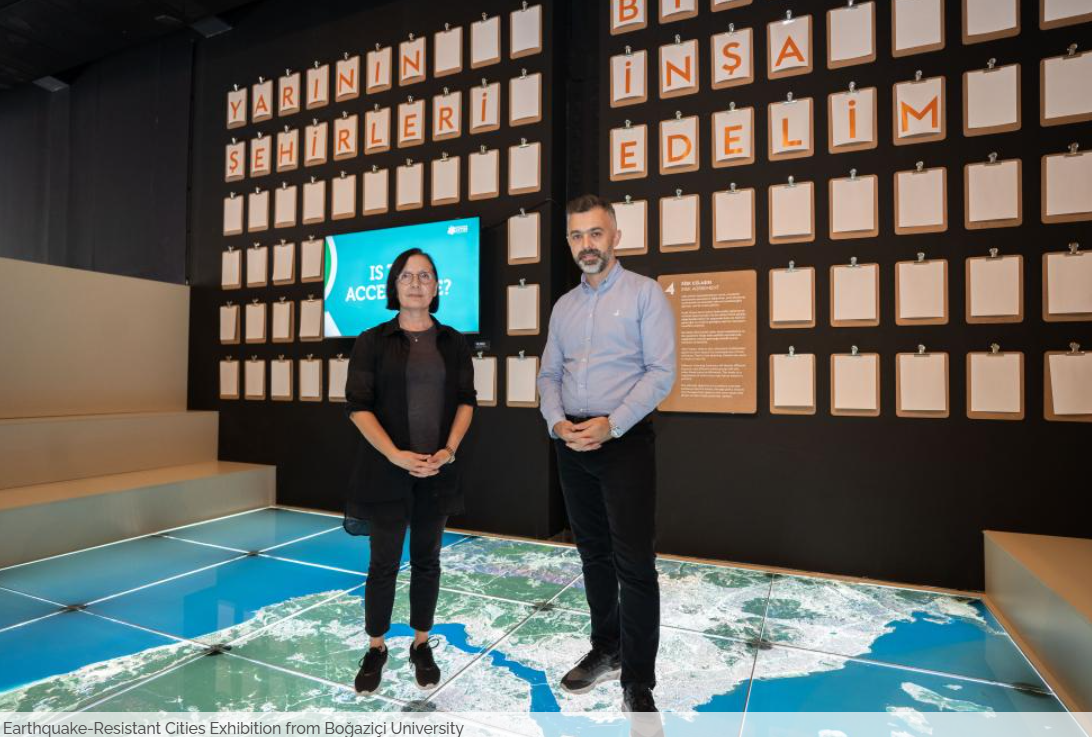
Earthquake Resistant Cities Exhibition
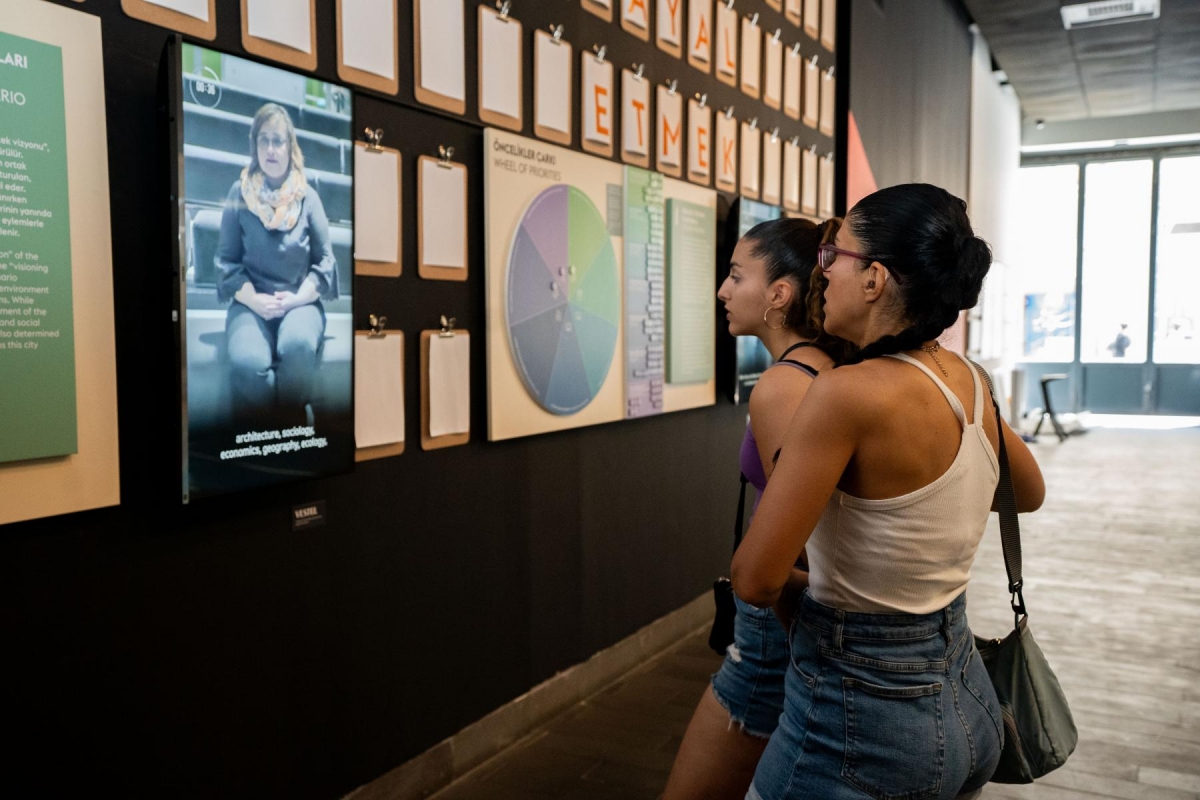
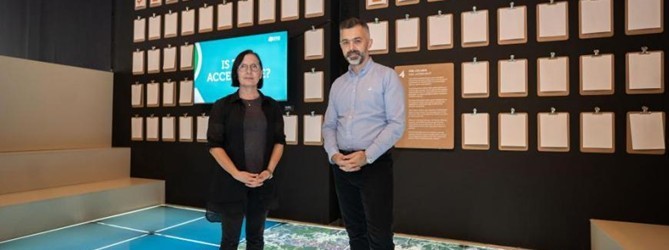
“Earthquake Resistant Cities of Tomorrow” exhibition prepared by Boğaziçi University Kandilli Observatory and Earthquake Research Institute (KRDAE) continues to meet with the public at Salt Beyoğlu. This exhibition aims to raise awareness and share information on how earthquake-resistant cities can be built.
Boğaziçi University contributes to the protection and promotion of cultural heritage by hosting such events in order to ensure that art and culture reach a wide audience and add value to society.
For more information, please see the links below:
2024 Sustainability Report SDG-11 (Related Section)
News
Classic cars met in South Square
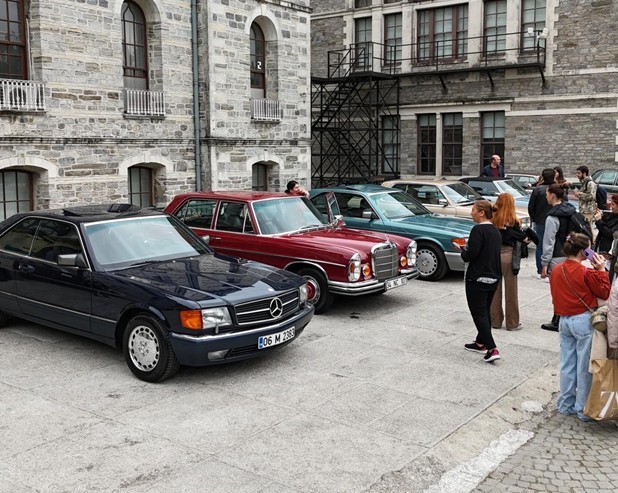
The Classic Car Exhibition, organised by Boğaziçi University Culture, Arts and Activities Branch Directorate, was held in Güney Meydan. In the event organised with the contributions of the Classic Mercedes- Benz Club, prominent models produced between 1950 and 2000 were exhibited. In the exhibition, which attracted great interest, club member car owners informed the participants by answering questions about classic cars.
Click here to read the news:
https://haberler.bogazici.edu.tr/tr/news/kampus/2/klasik-otomobiller-guney-meydanda-bulustu/2819
Earthquake Resistant Cities Exhibition by Boğaziçi University
‘Earthquake Resistant Cities of Tomorrow’ exhibition, prepared under the leadership of Boğaziçi University Kandilli Observatory and Earthquake Research Institute (KRDAE) Earthquake Engineering Department, met with visitors hosted by Salt Beyoğlu. The ‘Earthquake Resistant Cities of Tomorrow’ exhibition, the project management of which was undertaken by Prof. Dr. Eser Çaktı and Dr. Emin Yahya Menteşe, faculty members of Boğaziçi University Department of Earthquake Engineering, and the coordination of which belongs to Emine Öner, was realised in cooperation with Pattu Architecture. The exhibition, organised within the scope of the ‘Cities of Tomorrow’ project supported by the Global Challenges Research Fund (GCRF) of the United Kingdom Research and Innovation (UKRI) unit, examined the earthquake phenomenon after the earthquakes of 6 February 2023 from angles that will shed light on the scientific background of the earthquake phenomenon, and addressed the principles of urban design and planning of tomorrow from a social, structural, institutional and spatial perspective.
Click here to read the news:
https://haberler.bogazici.edu.tr/tr/news/diger/6/bogazici-universitesinden-depreme-dayanikli-s/2735
Boğaziçi University Library Ex-libris Books Exhibition Opened
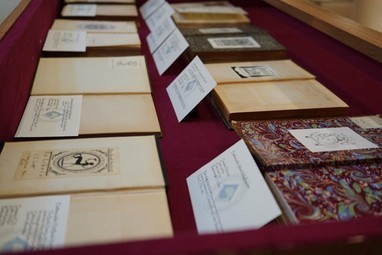
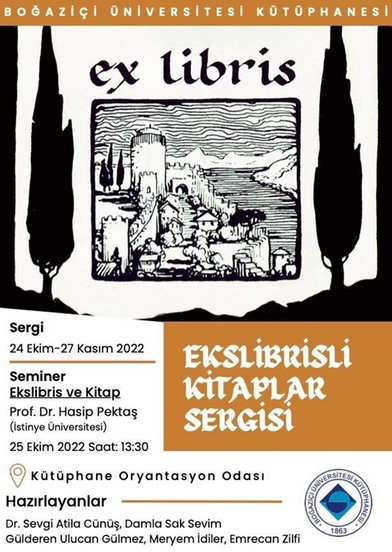
The Rare Works collection of Boğaziçi University Library includes Islamic manuscripts and works printed in various Ottoman printing presses, as well as many different types of Western works, the oldest of which dates back 500 years. Some of the books stand out with their artistic bindings, some with their special printing techniques, and some with their signatures, notes and ex-libris. With the exhibition, where criteria such as printing types, artistic designs, visual diversity and reflecting the history of the University are taken into consideration in the selection of samples, it is aimed to introduce the ex-libris art, which is an important art branch, and the ex-libris works that stand out in the collection.

Click here to read the news:
https://haberler.bogazici.edu.tr/tr/news/kampus/2/bogazici-universitesi-kutuphanesi-ekslibrisli/2639
Digital Exhibitions
Boğaziçi University Library Rare Works and Historical Archives Branch Directorate offers a series of digital exhibitions to bring its rich collections together with art lovers. These exhibitions, which are open to everyone, shed light on the lives and works of important figures and shed light on cultural and historical heritage. Among the digital exhibitions presented on the Rare Works and Historical Archives website are the following:
- Aziz Ogan: An Archaeologist and Museologist on the Trail of Cultural and Historical Treasures
- Traugott Fuchs: A German Exile in Istanbul
- Traces of an Intergenerational Friendship: Ismayıl Hakkı Baltacıoğlu and Haldun Özen
- An Anglo-American Family in Istanbul from the Empire to the Republic: The Scott Family
- A Scholar at the Intersection of Humanities and Architecture: Aptullah Kuran
- A Short Journey to Education Life in Istanbul American Colleges
- Science Dervish Feza Gürsey
Click here to access the digital exhibitions:
https://buarchives.bogazici.edu.tr/tr/dijital-sergi
