


15.2.3 Maintain and extend current ecosystems' biodiversity
Maintaining and Expanding the Biodiversity of Existing Ecosystems
Boğaziçi University is actively engaged in protecting existing ecosystems and expanding biodiversity of both plant and animal species, including threatened ecosystems on and around its campuses. The University directly contributes to the continuity of ecosystems, increasing biodiversity and supporting environmental sustainability through various projects, collaborations and research.
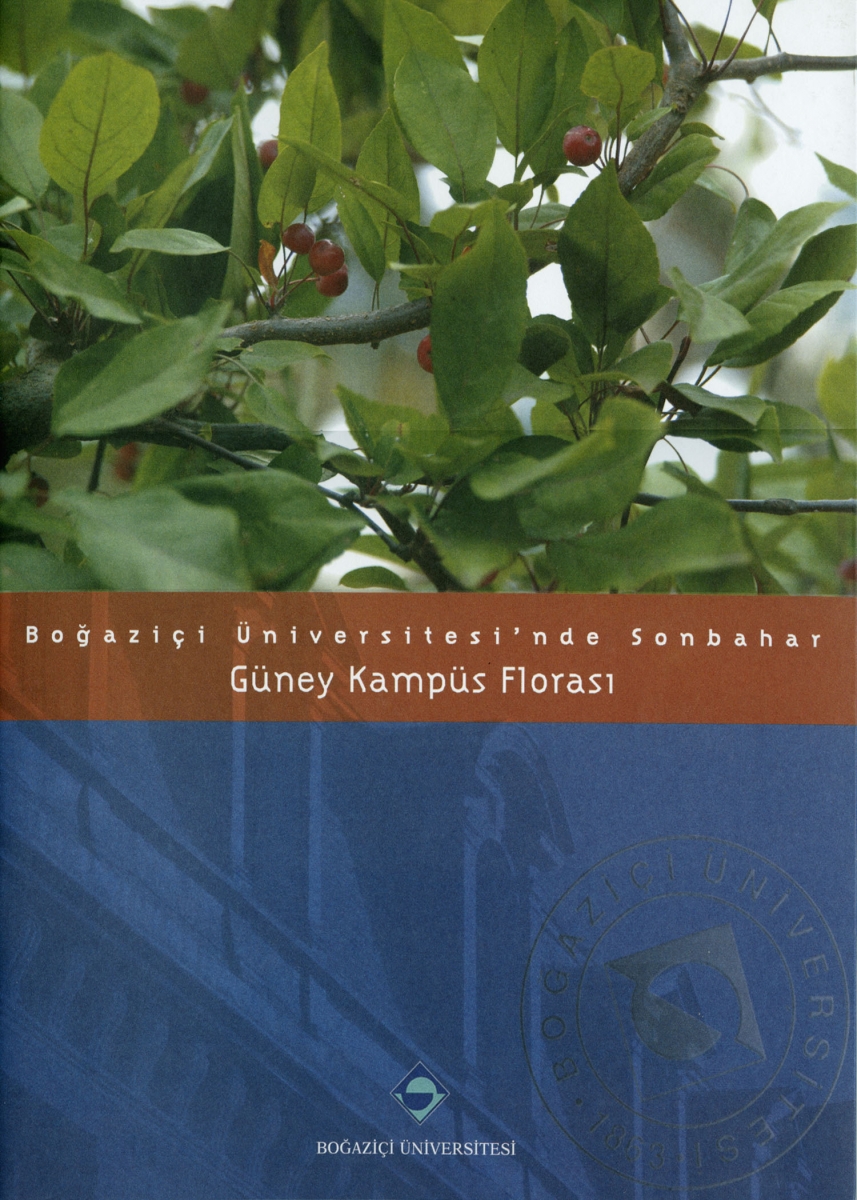
Autumn at Boğaziçi University - South Campus Flora
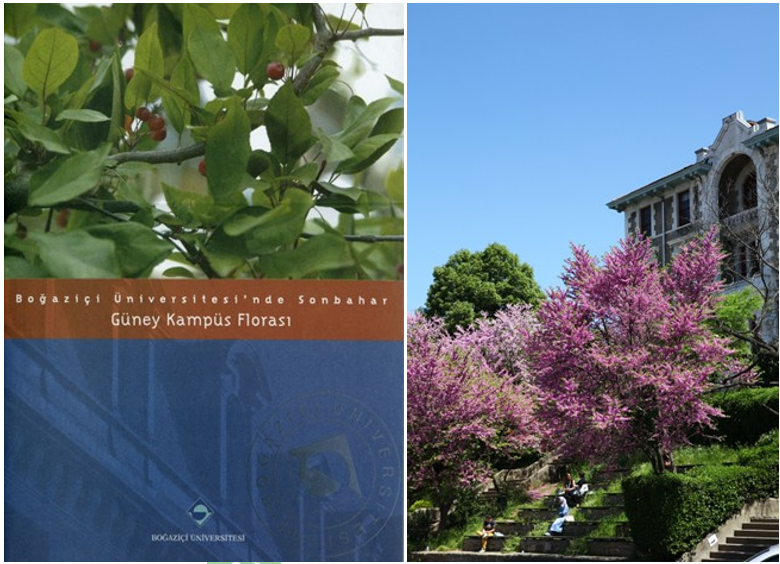
The main bibliography of the project was Rana Ata's thesis study titled ‘Analysing the Existing Tree and Shrub Species in the Settlement Area of Boğaziçi University According to Habitat Characteristics and Suggestions’ completed in 1995. As the first leg of the project, the track in the South Campus of Boğaziçi University was selected. There are more than 1200 plant species on this trail, which starts from Etiler Gate and continues through the terrace and Aşiyan road.
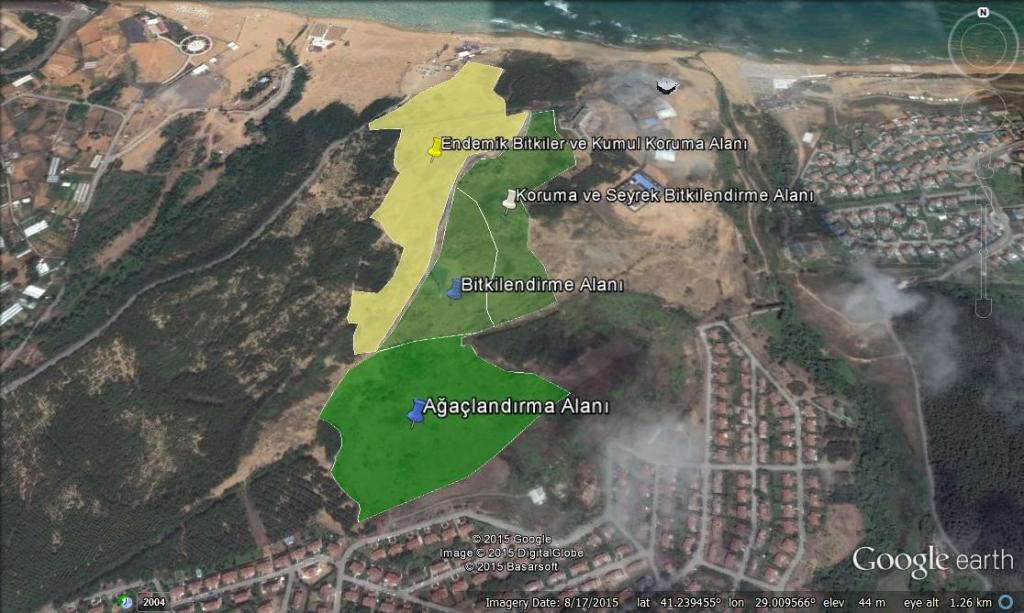
Protection of Sand Lilies and Endemic Species in Sarıtepe Campus
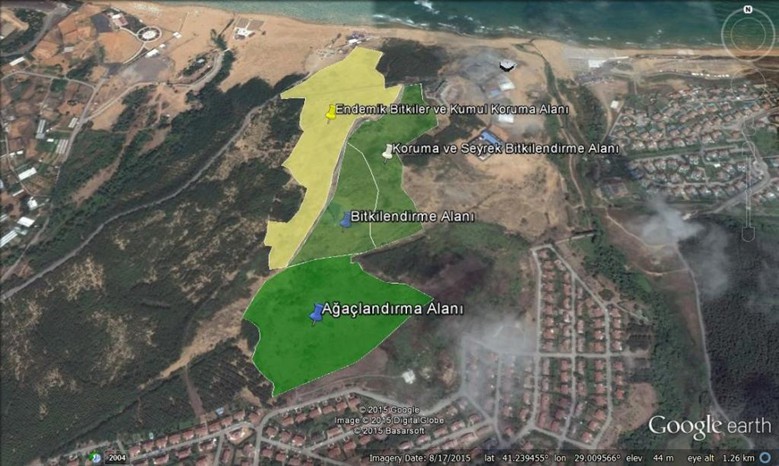
Boğaziçi University has taken under protection rare plant species such as endemic sand lilies, which are of great importance for the protection of natural ecosystems in Sarıtepe Campus. Planting and afforestation works in this area were carried out with the aim of ensuring the sustainability of ecosystems. Thanks to the work carried out in these areas, the University contributes to the protection of natural vegetation and the increase of biodiversity.
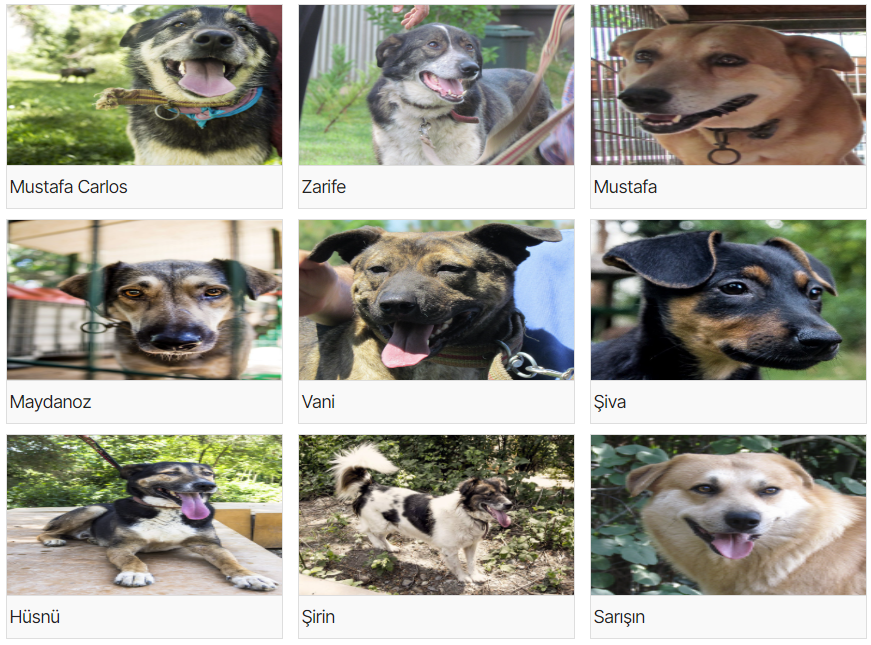
Natural Habitats for Stray Animals on Campus
For the animals living on our campuses, Boğaziçi University creates natural habitats and ensures that these animals live safely in the campus environment. The university also organises the care of animals living on campus by student societies such as Boğaziçi University PAWS (Pets Are Wonderful Support) and ensures that they live in a healthy and safe environment. Controlled population management activities such as sterilisation of cats are also meticulously carried out by the university.
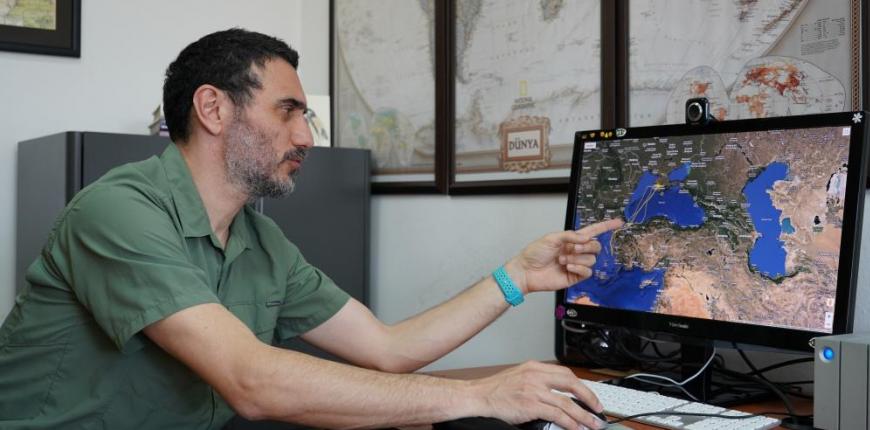
Yelkouan Bird Conservation Project
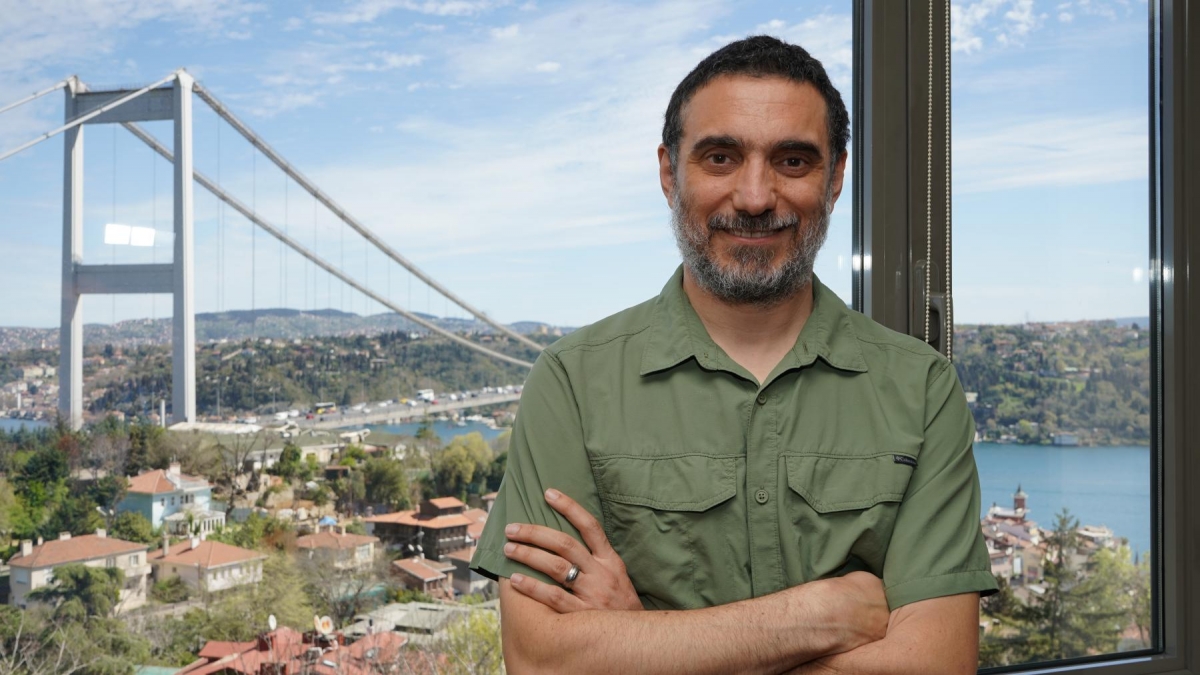
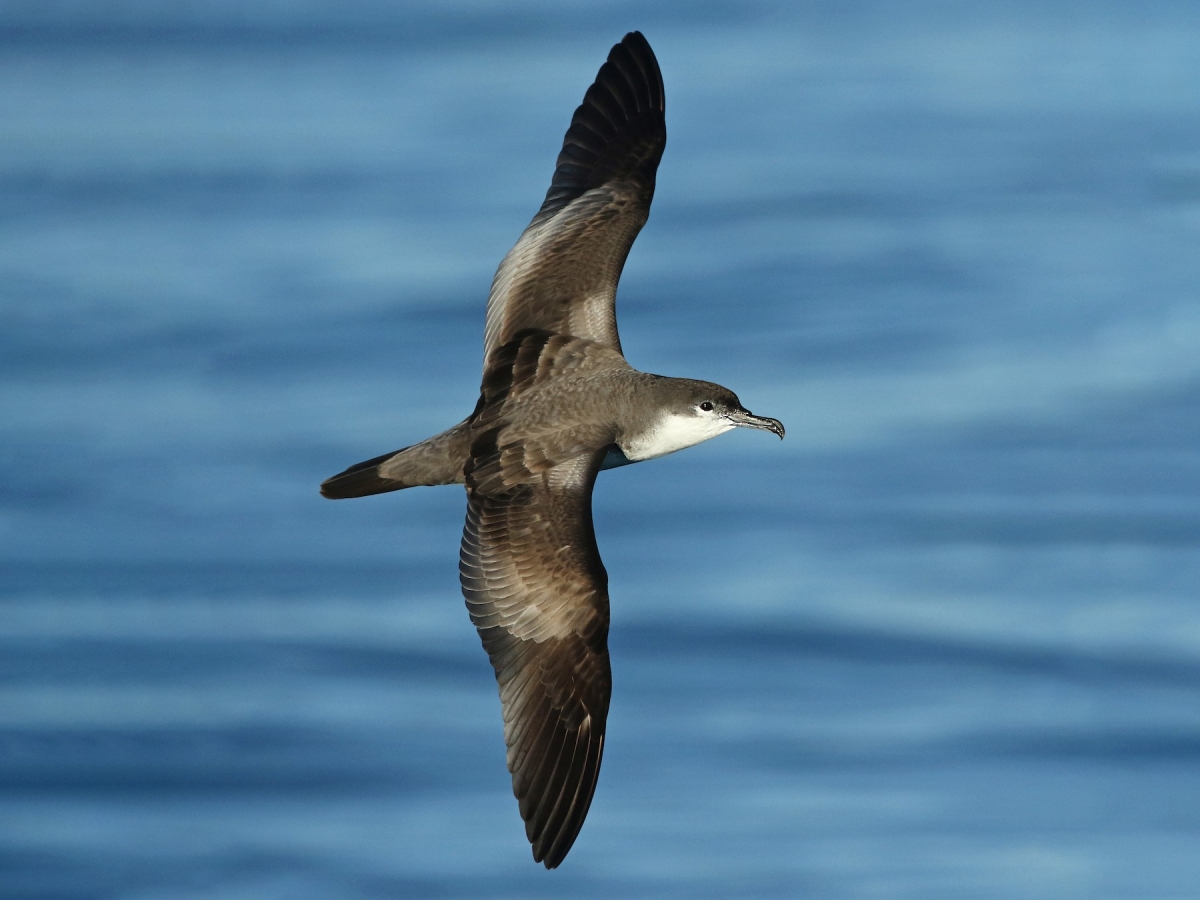
As an important part of its efforts to conserve biodiversity in Turkey, Boğaziçi University is conducting a TÜBİTAK-funded project for the conservation of shearwaters. Within the scope of this project, Boğaziçi University Institute of Environmental Sciences, Ege University Department of Biology, Istanbul Technical University Eurasia Earth Sciences Institute and Turkish Marine Research Foundation (TÜDAV) are collaborating to collect information on the migration routes and breeding colonies of shearwaters in the Mediterranean Basin and the Black Sea using next generation genomic, acoustic and GPS-GSM monitoring methods. These studies make important contributions to the determination of the migration routes of shearwaters and the conservation of this species. Thanks to the project, detailed information on the migration routes, feeding habits and breeding periods of the birds is obtained, thus developing the necessary strategies for the conservation of this species.
Smart Plants Resistant to Climate Change
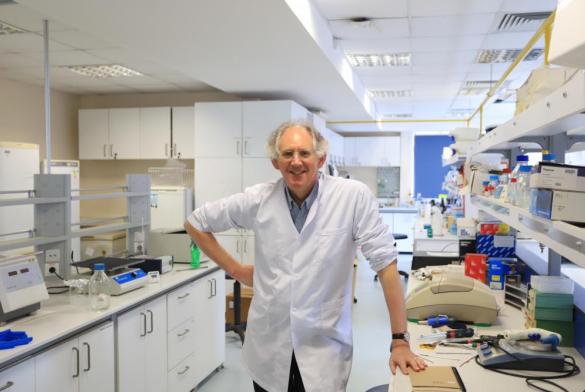
Research at the Department of Molecular Biology and Genetics at Boğaziçi University aims to develop smart plants resistant to climate change. These projects focus on the development of plants resistant to climate change by investigating the genes that regulate dormancy in plant seeds. Gene research conducted within the scope of the project aims to enable plants to adapt more easily to changing climatic conditions and increase agricultural productivity. These studies enable important steps to be taken in sustainable agriculture and food security. In addition, these projects, which will make great contributions to Turkey's agricultural production processes, play an important role in combating climate change.
Smart Agriculture and Biodiversity
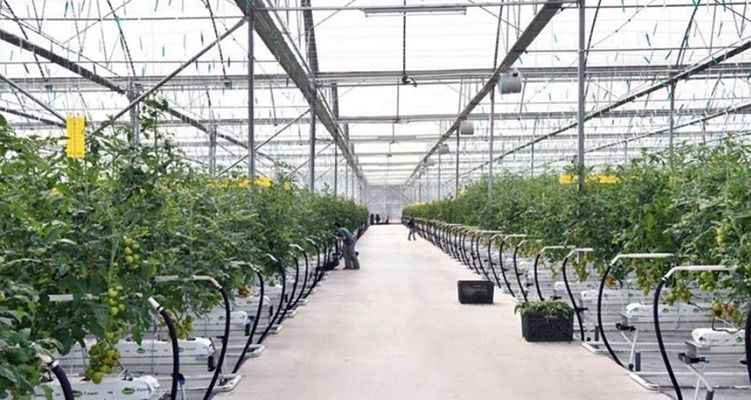
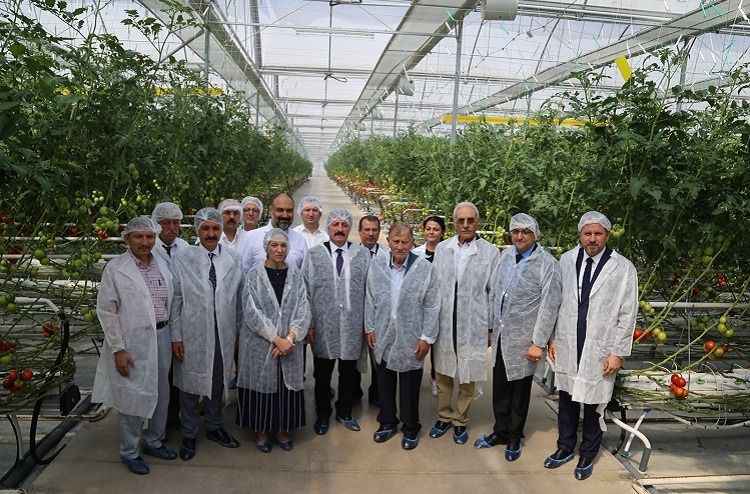
The smart agriculture project, established in Çanakkale with the initiative of Cengiz Genç, a graduate of Boğaziçi University, promotes innovative agricultural practices by contributing to the protection of biodiversity. Sustainable agricultural practices are developed with methods such as growing tomatoes in coconut shells and innovative solutions are offered in food production. This project aims both to increase agricultural productivity and to produce without harming ecosystems.
Innovative Biotechnology to Reduce Plastic Pollution in Terrestrial Ecosystems: AI-Driven Val-PLAS Project
Led by Assistant Professor Koray Malcı (Department of Molecular Biology and Genetics) under the mentorship of Associate Professor Ulaş Tezel (Institute of Environmental Sciences) at Boğaziçi University, the “Intelligent Microbial Platform for Plastic Valorisation via AI-guided Synthetic Biology” (Val-PLAS) project has been awarded funding under the Horizon Europe Marie Skłodowska-Curie Actions Postdoctoral Fellowships 2025 call. Val-PLAS aims to develop an AI-enabled microbial platform for low-energy biotechnological valorisation of plastic waste.
Unlike energy-intensive conventional recycling methods that emit greenhouse gases, Val-PLAS uses AI-guided enzyme engineering and modular microbial co-cultures to degrade PET and PLA plastics under mild conditions (30–40 °C). The system upcycles the degraded plastics into high-value bioactive molecules, such as naringenin and hydroxytyrosol, for use in pharmaceuticals, cosmetics, and nutraceuticals.
By mitigating land-based plastic waste at source with a low carbon footprint, effective plastic waste valorisation can help reduce the accumulation of plastics and microplastics in soils, ease pollution pressures on terrestrial ecosystems, and protect biodiversity. Aligned with the European Green Deal, the Circular Economy Action Plan, and the EU Bioeconomy Strategy, the project exemplifies Boğaziçi University’s research and innovation in supporting the protection of terrestrial ecosystems through resource-efficient and low-carbon solutions.
The full news article is available here.
Through such projects and studies, Boğaziçi University actively contributes to the protection of ecosystems on and around its campuses, and takes a leadership role in vital areas such as increasing biodiversity and protecting threatened species. These efforts demonstrate the University's commitment to environmental sustainability and environmentally friendly practices.
Related Links:
- Campus Flora and Fauna
- Boğaziçi University PAWS
- 24/7 Monitoring of Endangered Yelkouan Birds
- Smart Plants at Boğaziçi University
- Boğaziçi University Autumn South Campus Flora
- Bogazici Entrepreneur Tomato Growing
- Autumn at Boğaziçi University - South Campus Flora
2024 Sustainability Report SDG-15 (Related Section)
Conserving and Enhancing the Biodiversity of Existing Ecosystems
Boğaziçi University actively works to protect the sensitive ecosystems on and around its campuses and to increase the biodiversity of plant and animal species. The University supports the sustainability of ecosystems and contributes directly to environmental protection through various projects, collaborations and research.
Autumn at Boğaziçi University - South Campus Flora
The main reference of the project is Rana Ata's thesis study titled "Investigation of Existing Tree and Shrub Species in Boğaziçi University Settlement Area According to Habitat Characteristics and Suggestions ’ completed in 1995. The track in the South Campus of Boğaziçi University was chosen as the first leg of the project. There are more than 1200 plant species on this track starting from Etiler Gate and continuing along the terrace and Aşiyan road.
.png)
Conservation of Sand Lilies and Endemic Species in Sarıtepe Campus Boğaziçi University has protected rare plant species such as endemic sand lilies, which are of great importance for the protection of natural ecosystems in Sarıtepe Campus. Planting and afforestation works were carried out to ensure the sustainability of ecosystems. Thanks to the work carried out in these areas, the University contributes to the protection of natural vegetation and the increase of biodiversity.
Natural Habitats for Stray Animals on Campus
Boğaziçi University creates natural habitats for animals living on its campuses and ensures that they live in a safe environment. In addition, student societies suchas BUPAWS organise the care and nutrition needs of the animals on campus and support them to live a healthy life. Controlled population management activities such as sterilisation of cats are also carried out meticulously by the university.
Click here to visit the BUPAWS web page:


Yelkouan Bird Conservation Project
Within the scope of the project ‘Conservation of Yelkouan Birds in the Mediterranean Basin and Black Sea using Next Generation Genomic, Acoustic and GPS-GSM Monitoring Methods’, which was carried out by Boğaziçi University Institute of Environmental Sciences with the support of TÜBİTAK and with the contributions of various universities, satellite transmitters were installed on 30 Yelkouan birds in the Bosphorus. These transmitters provide valuable data on the migration routes and breeding colonies of this endangered species by transmitting location information for about 2 months until the feather change occurs. The information obtained is of great importance for the protection of the habitat of shearwaters and sustainable ecosystem management.
Click here to read the related news:
https://haberler.bogazici.edu.tr/tr/news/bilim/4/tehlike-altindaki-yelkovan-kuslarina-724-taki/2807
Smart Plants Resilient to Climate Change
Research conducted at the Department of Molecular Biology and Genetics at Boğaziçi University aims to develop smart plants that are resistant to climate change. These studies focus on investigating the genes that regulate dormancy in plant seeds, aiming to enable plants to adapt to changing climatic conditions and increase agricultural productivity. The genetic data obtained within the scope of the project support important steps towards sustainable agriculture and food security. These projects, which are expected to make a great contribution toTurkey's agricultural production processes, also play a strategic role in combating climate change.
Click here to read the related news:
