

17.2.4 Collaboration for SDG best practice
International Cooperation and Development of Best Practices for Boğaziçi University's Sustainable Development Goals (SDGs)
In the context of tackling the Sustainable Development Goals, Boğaziçi University plays an active role in establishing international best practices by developing comparative approaches through international cooperation and research.
1. WETCARB: International Research Collaboration for Sustainable Wetland Management
Coordinated by Boğaziçi University and led by Professor Fatma Öztürk of the Institute of Environmental Sciences, WETCARB (Wetland Ecosystem Tool for Carbon Accounting) investigates the role of Mediterranean wetlands in climate change mitigation. Supported under the PRIMA Programme, the project brings together universities, research organisations and sectoral stakeholders from Türkiye, Egypt, Greece, Italy and Jordan, combining scientific expertise and research capacities across countries to address shared environmental challenges.
Planned fieldwork at Acarlar Floodplain Forest in Türkiye, Lake Burullus in Egypt, and Lakes Kerkini and Kournas in Greece will examine carbon storage capacities, greenhouse gas emissions and ecosystem dynamics. Findings from wetlands across these countries will inform the development of science-based strategies for wetland conservation, restoration and sustainable management. This international research framework provides a basis for jointly assessing knowledge and experience from different ecological settings.
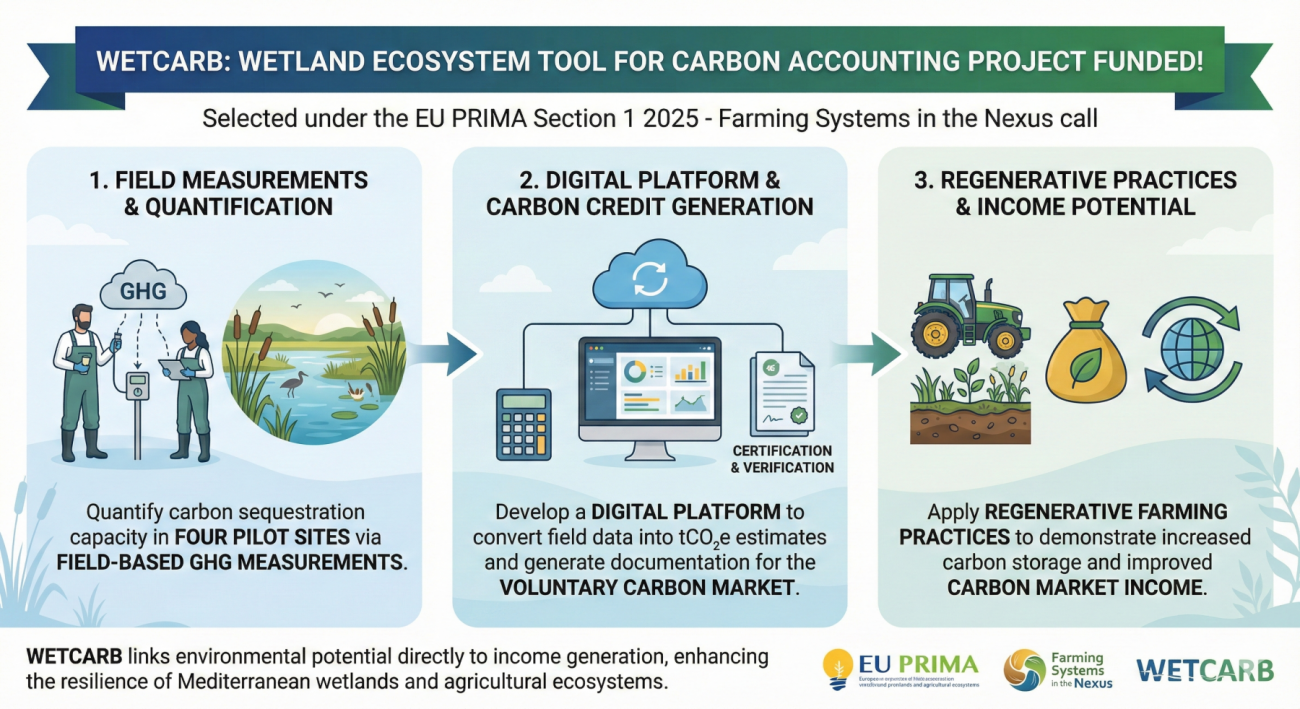
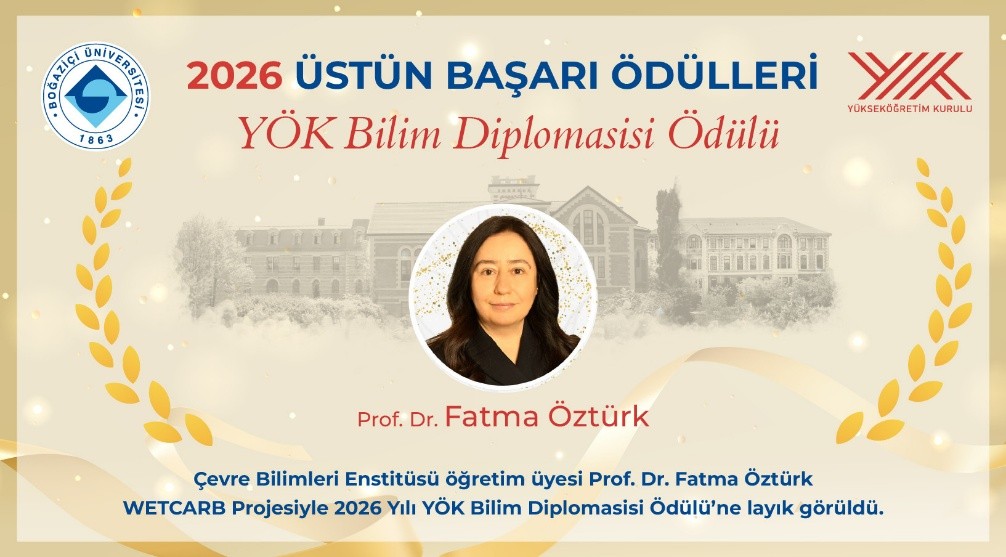
WETCARB also aims to integrate advanced greenhouse gas measurement technologies, ecosystem research and digital carbon accounting. A planned digital measurement, reporting and verification (MRV) platform will support the monitoring and assessment of wetland carbon sequestration capacities and greenhouse gas balances. By bringing together collaborative research, scientific data and digital tools, this approach can provide a foundation for developing international best practice in sustainable wetland management. Professor Öztürk’s work through WETCARB and international climate collaborations was recognised with the 2026 Council of Higher Education (YÖK) Science Diplomacy Award.
The full news article is available here.
2. An Erasmus+ Partnership across Three Countries to Support Migrant Young People
Boğaziçi University is taking overall coordination and academic leadership of an Erasmus+ KA220-YOU project with partners in Germany, the Netherlands and Türkiye. The project focuses particularly on young people from migrant and diaspora backgrounds. It aims to understand their experiences of identity and belonging, strengthen their participation in community life and support active citizenship. By bringing together experience from youth work in different countries, the partners intend to develop a model that can be applied in varied social settings.
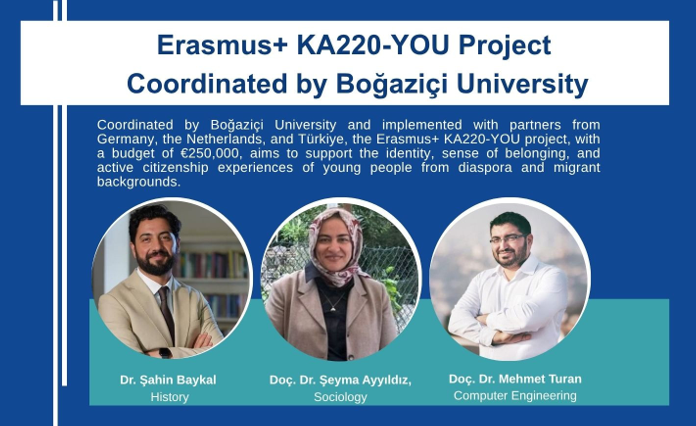
At the centre of the project is the planned “Youth Identity Labs” model, which will use participatory methods based on arts and culture. The model is intended to help young people express their experiences, develop skills for living alongside people from different backgrounds and participate more actively in civic life. Boğaziçi University will also lead the project’s monitoring and evaluation. Researchers in sociology, history and computer engineering will contribute expertise in migration and inequality, identity and diaspora, and digital tools for multilingual audiences.
The partners plan to test the model in Germany, the Netherlands and Türkiye, then bring the lessons from these settings into a shared approach. Training modules, practical guides and workshop materials for youth workers and educators are to be made available through an open access digital platform. The project thus provides a framework for institutions across countries to develop and share knowledge and tools for inclusion and active citizenship.
The full news article is available here.
3. The SENSES Project: International Collaboration on Environmental Sustainability Education
Boğaziçi University continues to strengthen its international partnerships in line with the Sustainable Development Goals, serving as a key partner in the SENSES (Science Education through Novel Teaching Strategies for Environmental Sustainability) Project, supported by the European Union’s Erasmus+ Programme. The multinational consortium brings together universities and educational institutions from Türkiye, Germany, the Netherlands, Greece, and Cyprus to develop innovative, environmental sustainability-oriented science education approaches.
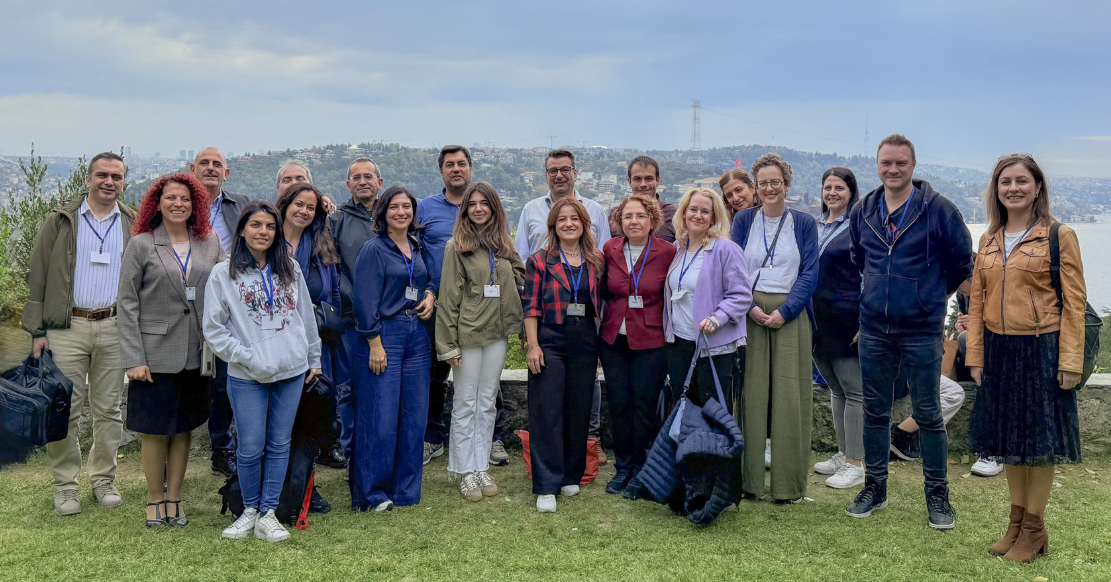
Boğaziçi University hosted the project’s second transnational partner meeting on 22 October 2025, followed by a “Training of Trainers: Environmental Sustainability Education” seminar on 23–24 October. The seminar introduced modules on socioscientific issues, inquiry-based learning, ocean literacy, and systems thinking, which participants reviewed and provided feedback on. SENSES provides a practical framework for institutions across five countries to share expertise and jointly develop approaches to environmental awareness and global citizenship education.
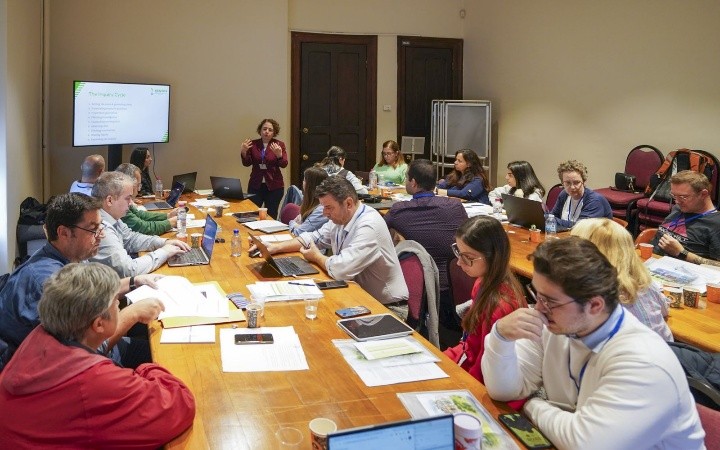
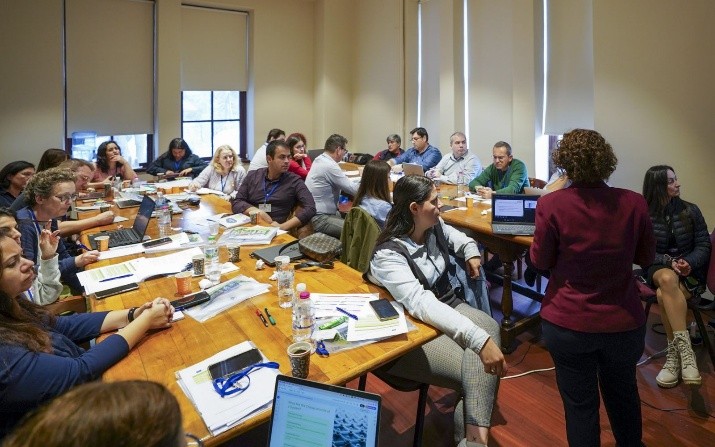
Key Project Contributions:
- International Capacity Building: Designing innovative online teaching modules for teacher educators and pre-service teachers, covering socio-scientific issues, ocean literacy, and systems thinking.
- Cross-Border Knowledge Sharing: Facilitating the exchange of best practices, educational materials, and strategies in sustainability education among educators and academics from diverse European nations.
- Multi-Stakeholder Institutional Networks: Establishing lasting international teacher networks to cultivate a new generation of educators equipped with sustainable development awareness and a global citizenship perspective.
The full news article is available here.
4. DeCiTeL: Developing International Good Practice in Democratic Citizenship Education
Boğaziçi University coordinates the “DeCiTeL Teacher Academy Project: Teaching and Learning Democratic Citizenship”, supported under the European Union’s Erasmus+ Teacher Academy call and carried out with 12 partners across seven countries. Focusing on the teaching and learning of democratic citizenship, the project aims to bring international experience and the expertise of different institutions into teacher education.
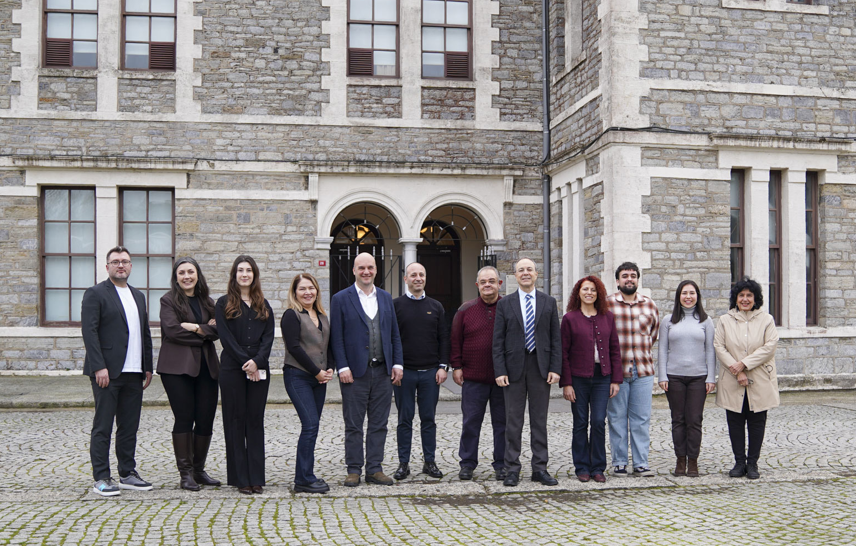
Joint activities aim to develop a teacher competence framework, learning modules, lesson plans and tools for local learning ecosystems. The project plans to trial innovative teacher education methods and systematically document and evaluate practices developed in partner schools. This process will support the identification of transferable approaches and their wider dissemination through teacher education networks.
In Türkiye, the stakeholder meeting held on 22 January 2026 enabled public institutions and civil society representatives to share recommendations on democratic citizenship, human rights, peace education and local learning ecosystems. By connecting local experience with international cooperation, this approach aims to contribute to educational practices relevant to SDG 4 — Quality Education and SDG 16 — Peace, Justice and Strong Institutions.
The full news article is available here.
5. International Review of Best Practices in Earthquake and Tsunami Research
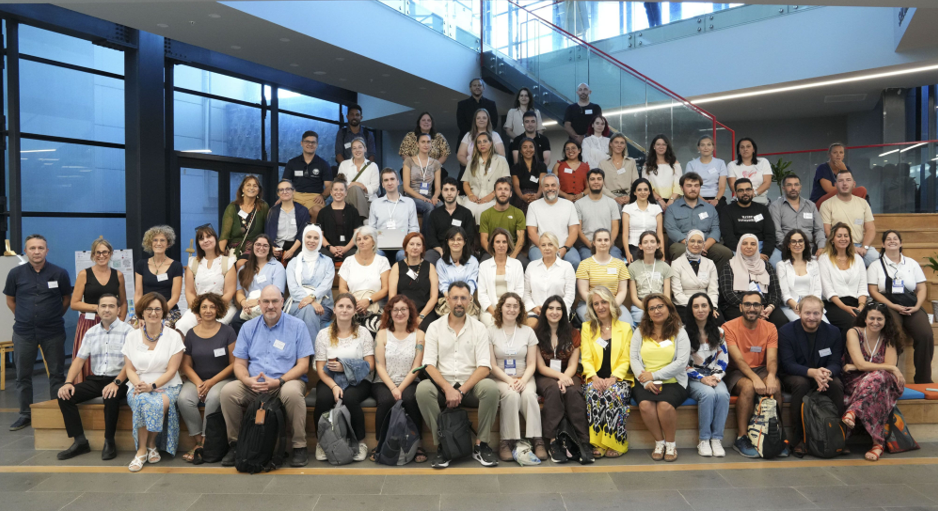
Boğaziçi University’s Kandilli Observatory and Earthquake Research Institute (KOERI) hosted an international workshop organised in collaboration with ORFEUS and Geo-INQUIRE on 3–5 September 2026. Bringing together 40 young researchers from 20 countries alongside approximately 80 world-leading seismologists and earthquake engineers, the event provided a platform for exchanging scientific approaches used in earthquake observations, engineering seismology, data science and tsunami research.
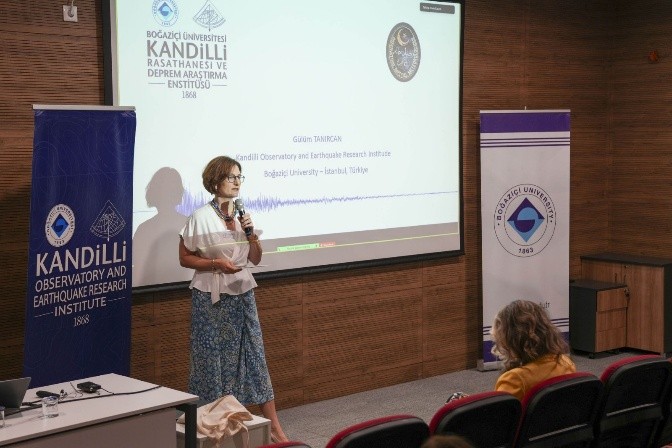
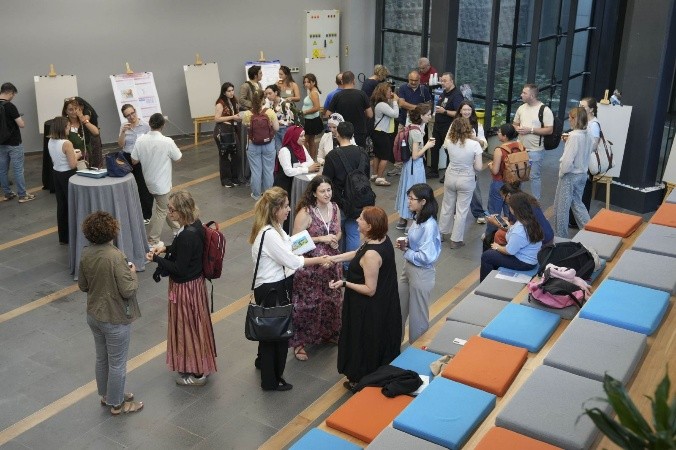
Discussions addressed the use of seismic data and metadata in research, the geophysical and geotechnical characterisation of recording stations, and best practices in data and metadata formats. Contributions from international experts enabled methods and experience in these areas to be reviewed within a shared scientific setting. Workshop presentations and posters were also shared through a digital archive. This collaboration contributes to the international review and dissemination of scientific methods and best practices supporting disaster risk reduction, addressing objectives associated with SDG 11 — Sustainable Cities and Communities.
The full news article is available here.
6. Türkiye–UK Research Collaboration in Microalgal Biotechnology
Boğaziçi University’s Istanbul Microalgae Biotechnology Research and Development Unit (IMBIYOTAB) offers a practical example of sustainable production through its carbon-negative biorefinery infrastructure and microalgae biotechnology applications. On 6 May 2026, a UK delegation visited IMBIYOTAB at the Sarıtepe Campus to learn about its ongoing research and technological applications. The delegation included UK Special Representative for the Environment Ruth Davis OBE, Trade Commissioner and Consul General in Istanbul David Reed MBE, and representatives of the Consulate General.
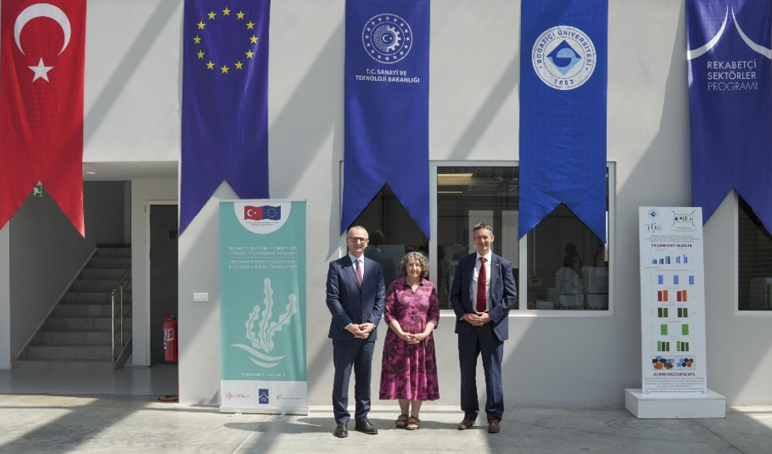
A central topic of the visit was the established scientific collaboration between Boğaziçi University and the University of Cambridge. The delegation reviewed how joint projects supported under the Newton Fund framework through the Royal Society of Chemistry and the British Council had contributed to knowledge generation, research capacity and the application of microalgal technologies.
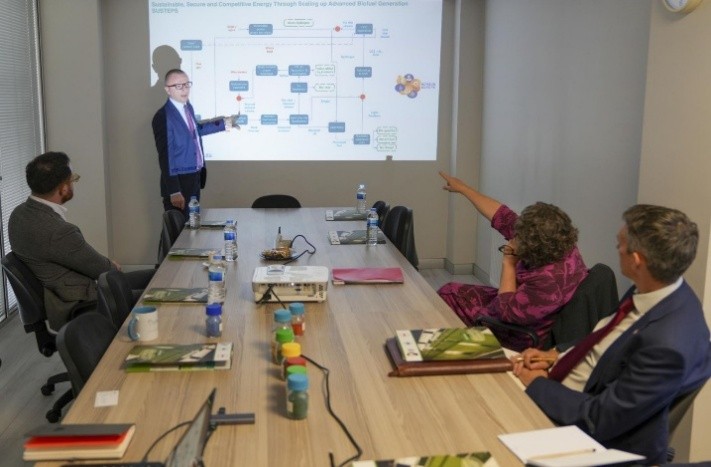
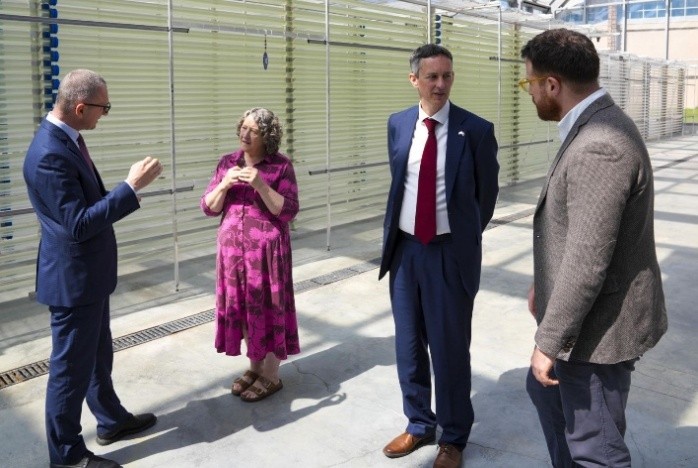
Discussions also explored how microalgal technologies can address environmental challenges through carbon capture and utilisation, biofuel production, wastewater treatment, biofertilisers and circular economy applications. IMBIYOTAB presented its pilot-scale production capabilities and experience in translating research into practical applications, including technology development through university–industry collaboration. The visit supported the international exchange of research experience and practical approaches in microalgal biotechnology, sharing knowledge that can inform the development of good practice in climate action and sustainable production.
The full news article is available here.
7. Universitas Pendidikan Partnership: Global Academic and Environmental Science Collaboration
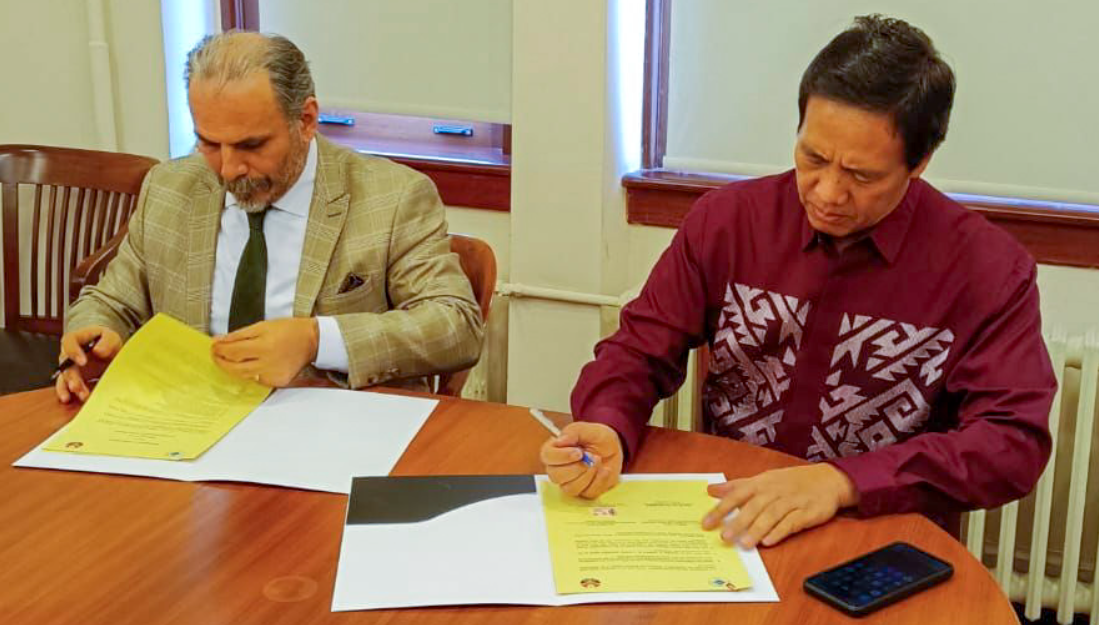
Boğaziçi University continues to expand its global academic network and diversify its international partnerships in alignment with the Sustainable Development Goals. In this context, the university signed a cooperation protocol on December 18, 2025, with Universitas Pendidikan, one of Indonesia's premier higher education institutions. Aiming to enhance academic mobility (student and faculty exchange) and foster interdisciplinary joint research projects—particularly in environmental sciences—this agreement reflects the university’s commitment to building sustainable, high-impact global partnerships.
Key Protocol Contributions:
- International and Global South Cooperation: Establishing a formal partnership with a leading higher education institution in the Asia-Pacific region fosters global academic synergy, intercultural dialogue, and cross-continental engagement.
- Environmental Sciences and Climate-Focused Research Networks: Intersecting with Climate Action (SDG 13), Quality Education (SDG 4), and Industry, Innovation, and Infrastructure (SDG 9), the agreement drives joint scientific projects and collaborative research initiatives in environmental sciences.
- Academic Mobility and Knowledge Exchange: Institutionalising cross-border knowledge transfer and intercultural academic exchange through structured student and faculty mobility programs.
The full news article is available here.
8. Türkiye–China Youth Dialogue: Joint Review of Approaches to Sustainable Development
Organised on 19 January 2026 by Boğaziçi University’s Confucius Institute, its Institute of Environmental Sciences and Tsinghua University’s Xiuzhong College, the Türkiye–China Sustainable Development Youth Dialogue brought academics and students together for international exchange and mutual learning. The event supported the sharing of different perspectives on sustainable development challenges and the joint consideration of possible solutions.
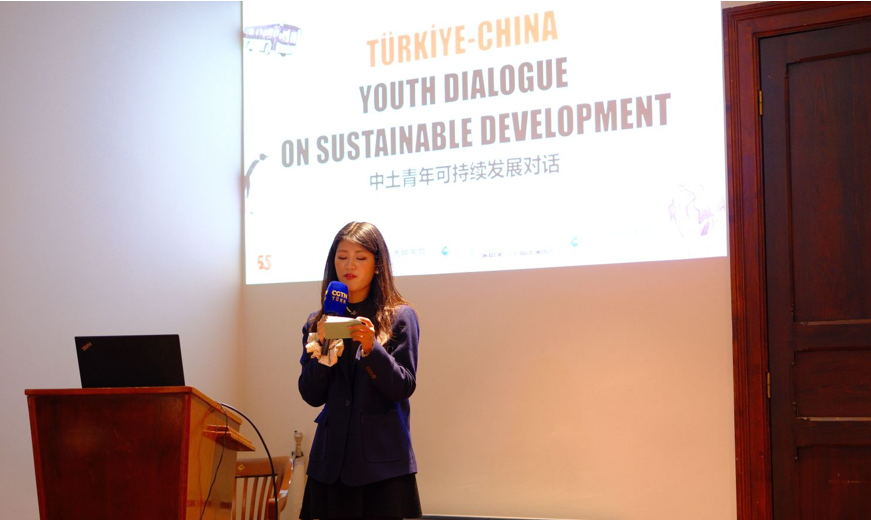
Three parallel sessions addressed the integration of climate-resilient approaches, the relationship between quality education, decent work, global peace and justice, and inclusive policies and equitable approaches. Participants discussed common solutions from different academic and cultural perspectives, creating a setting for reviewing and reflecting on approaches to the SDGs.
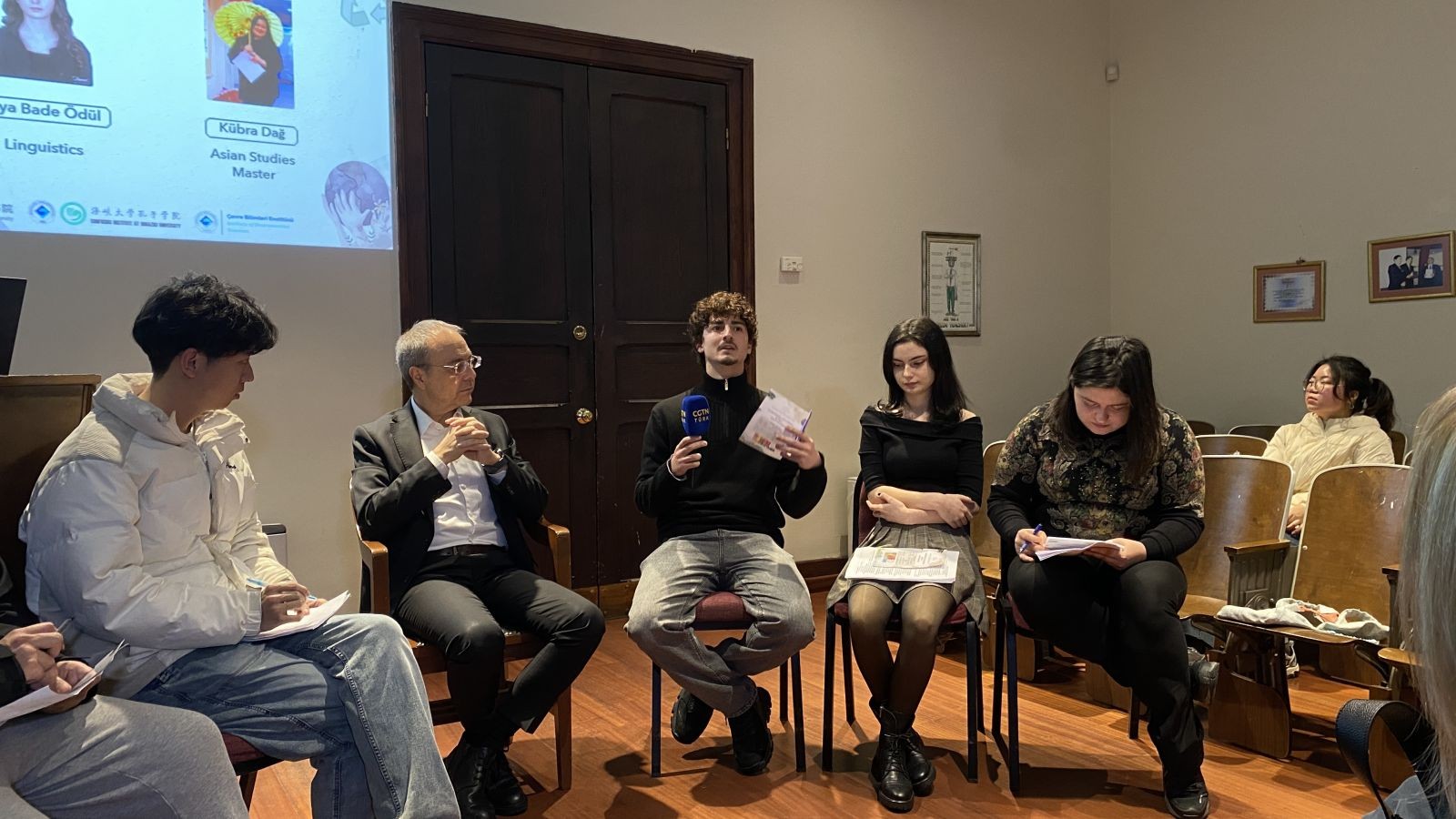
This international academic exchange strengthened knowledge and experience sharing on issues relevant to SDG 4, SDG 8, SDG 13 and SDG 16, providing a foundation for learning that can contribute to the development of good practice. Participants also considered continuing the initiative and documenting the discussions in a publication. These proposals offer opportunities to disseminate the perspectives shared and further develop approaches that could inform future sustainable development activities.
The full news article is available here.
9. Boğaziçi European School of Politics (BASO)
Boğaziçi European School of Politics (BASO) participates in the World Democracy Forum with its alumni as part of the Council of Europe Network of Schools of Political Studies. In this forum, innovative democratic ideas and practices are discussed to strengthen democratic societies and contribute to the development of participatory democracies. BASO also offers its graduates the opportunity to learn about important European issues such as sustainability, energy policies, migration and integration through activities such as the Germany Study Visit.
10. Digitools Project
Boğaziçi University is a partner in the Digitools Project, coordinated by the Governorship of Istanbul. This project focuses on improving the digital competencies of all stakeholders, especially teachers, in the process of digitalization in education with the Covid-19 pandemic. International cooperation is carried out through transnational project management meetings and training tools such as digital classroom, assessment and evaluation compass and mentor teacher guide are developed.
11. Go Zero Project
Boğaziçi University, together with Istanbul Provincial Directorate of Environment, Urbanization and Climate Change and European partners, is involved in the Go Zero Project. This project prepares waste management skills and training materials to promote a zero waste management culture in the food sector and develop vocational training curricula. Comparative reports have been prepared on best practices in waste management in Europe and project outputs include training curricula and e-learning platform.
12. COP28 and the Net Zero Emission Target
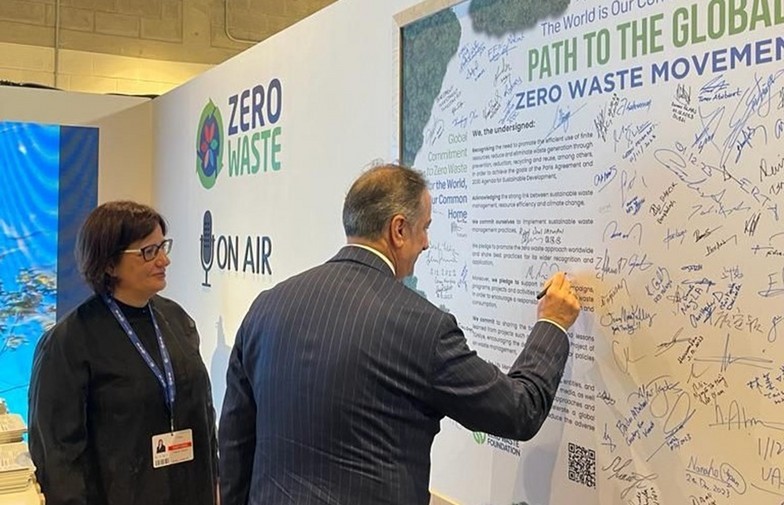
At the COP28 Climate Conference in Dubai, United Arab Emirates, Boğaziçi University and UN SDSN Turkey discussed the role of universities in achieving Turkey's Net Zero Emission Goal. In this session, the importance of education, research and implementation activities within the scope of the Sustainable Development Goals was emphasized, and assessments were made on sustainable campuses and communities.
13. 65+ Digital Inclusion Project
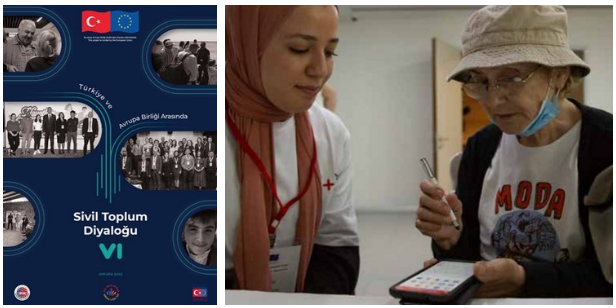
The “Digital Inclusion for 65+” Project, of which Boğaziçi University is a partner, has developed a sustainable dialogue between civil society organizations working with the elderly in Turkey and Greece. Within the scope of the project, digital literacy training programs for the elderly were prepared and 724 elderly people were trained. Awareness raising and advocacy activities were also organized.
Boğaziçi University continues to develop best practices through international cooperation and comparative research in line with the SDGs, and contributes to achieving global sustainability goals by sharing data from different disciplines.
2024 Sustainability Report SDG-17 (Related Section)
International Co-operation for SDG Best Practices
Boğaziçi University contributes to comparative approaches through international co-operation and research in line with the Sustainable Development Goals and takes an active role in the development of best international practices. Below are examples of these collaborations.
1. Boğaziçi European School of Politics (BASO)
Boğaziçi European School of Politics (BASO), as part of the Council of Europe Network of Schools of Political Studies, has been participating in the World Democracy Forumwith its alumni since 2014. The forum discusses innovative ideas and practices for strengthening democratic societies.
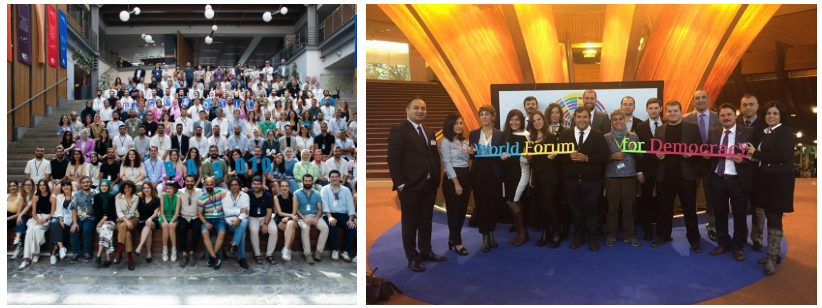
BASO offers its graduates the opportunity to observe European norms and institutions on site through its activities abroad and the Germany Study Visit organised since 2017. During these visits, ideas are exchanged on topics such as migration and integration, state organisation, energy policies and sustainability.
During the Study Visit to Germany, held between 14-19 October 2023, the alumni received information about nature conservation activities at the WWF Germany office; discussed energy policies and cooperation with Turkey with the German Energy Agency; and exchanged ideas with the German Ministry of Labour, which carries out projects for migrant women, and a non-governmental organisation in Berlin.
For more information please click here:
https://avrupasiyasetokulu.org/
2. Digitools Project
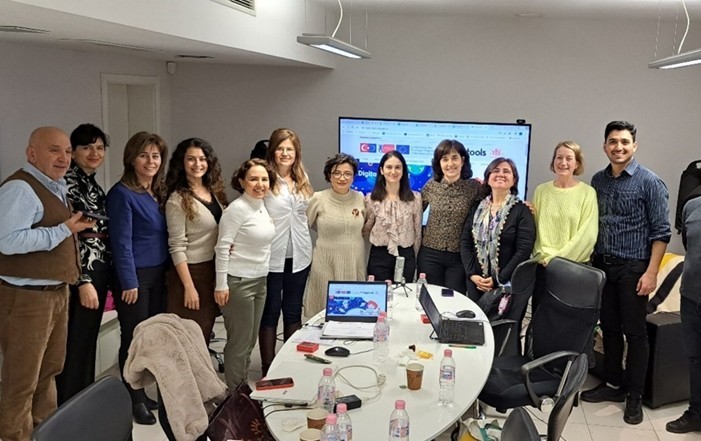
The Digitools Project, coordinated bythe Governorship of Istanbuland partnered by Boğaziçi University, aims to contribute to the digitalisation process in education, which has gained importance with the Covid-19 pandemic. The project aims to improve the digital competences of students, parents and administrators, especially teachers, and is supported by the European Commission through the Turkish National Agency.
During the transnational project management meeting held on 28 February
- 1 March 2023 in Sofia, Bulgaria, ‘My Digital Classroom’ and ‘Assessment and Evaluation Compass’ were evaluated and ‘Mentor Teacher Guide’ content design process was planned. In the next phase of the project, it was decided to realise these products by starting a pilot implementation process in partner countries.
For more information please click here:
3. Go Zero - Zero Waste Management in the Food Sector Project
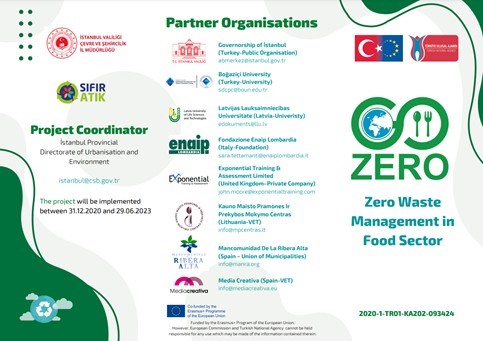
The ‘Zero Waste Management in the Food Sector’ project, coordinated byIstanbul Provincial Directorate of Environment, Urbanisation and Climate Changeand involving Boğaziçi University and 8 international partner institutions, is supported under the Erasmus+ Programme.
Project outputs include; Framework and Comparative Report on Waste Management Practices in Europe, Waste Management Skills and Training Curriculum in Food Sector, Waste Management in Food Sector Training Content, Enriched Training Material and E-Learning Platform, Industrial Symbiosis Guide, Recommendation Text on Waste Management in Food Sector.
The expected impacts of the project include; promotion of zero waste management culture in the food sector, development of vocational training curricula, gaining insights on practices and policies related to waste management in the food sector. With the international partners of the project, a comparative report on waste management practices is prepared and best practices are determined.
For more information please click here:
https://sdcpc.bogazici.edu.tr/tr/news-04.asp
4. COP28 and ‘UN SDSN Net Zero on Campus’ Movement
A session hosted by Boğaziçi University and UN SDSN Turkey was held at the Turkey Pavilion within the scope of the United Nations Climate Conference (COP28 ) held in the United Arab Emirates on 30 November-12 December 2023. In the session, the role of universities in achieving Turkey's ‘Net Zero Emission Target’ was discussed. In addition, the ‘UN SDSN Net Zero on Campus’ movement and the education, research and implementation activities carried out in line with sustainable campuses and net zero target in the countries in the region were evaluated.
Click here for more information:
https://unsdsn.bogazici.edu.tr/tr/cop-28-role-universities-decarbonization-net-zero
5. ‘ Digital Inclusion for 65+’ Project
The project "Digital Inclusion for 65+ ’, in whichBoğaziçi University Computer Engineering Departmentis a partner, is part of the Civil Society Dialogue VI (2023) between Turkey and the European Union . The project developed a sustainable dialogue between NGOs working on elderly people in Turkey and Greece in order to contribute to improving the living conditions and standards of elderly people. This dialogue enabled the exchange of best practices among CSOs on issues related to the elderly. Within the scope of the project, a digital literacy training programme for the elderly in Turkish, Greek and English was prepared and 724 elderly people were trained in total. Awareness raising events and advocacy activities were organised in Istanbul and Athens.
Boğaziçi University makes significant contributions to the Sustainable Development Goals through international collaborations and innovative projects. These studies, which are carried out in different disciplines such as digitalisation, environmental sustainability and social inclusion, create an effective platform for the development and dissemination of best practices.
Click here for more information:
