


11.2.1 Public access to buildings
Public Access to Buildings: Cultural and Natural Heritage Sites
Boğaziçi University provides public access to buildings, monuments and natural heritage sites of cultural significance. The University's provision of free and by appointment access to these buildings and heritage sites aims to increase opportunities for local communities and visitors to engage with cultural and natural assets.
Kandilli Observatory and Earthquake Research Institute
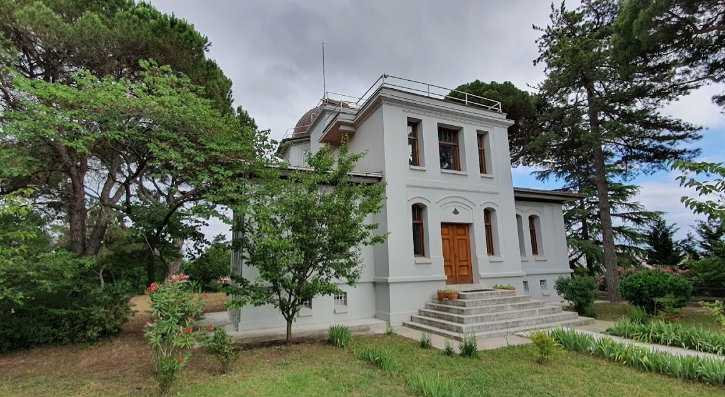
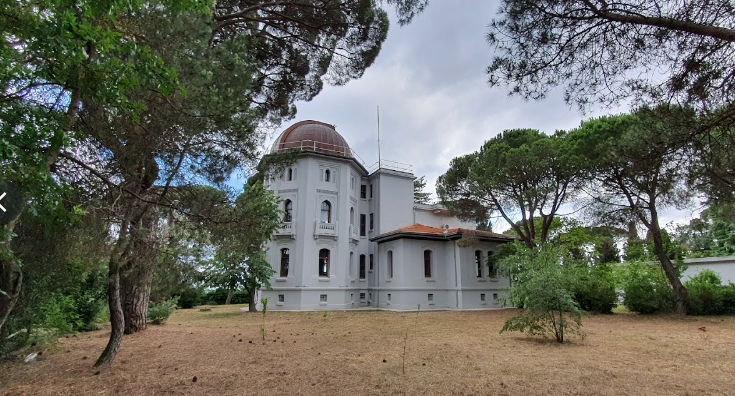
Kandilli Observatory and Earthquake Research Institute, one of the important cultural heritages of Boğaziçi University, is located in the historical Seismograph building and is open to public access. The Observatory Science History represents an important cultural value with various scientific instruments and artifacts exhibited in its historic building, the foundation of which was laid in the 1930s and completed in 1934. The building houses many objects from the Ottoman period, such as observation instruments, astronomical and earth science instruments and manuscripts. These areas are accessible to the public free of charge by appointment and provide important information on the history of science..png)
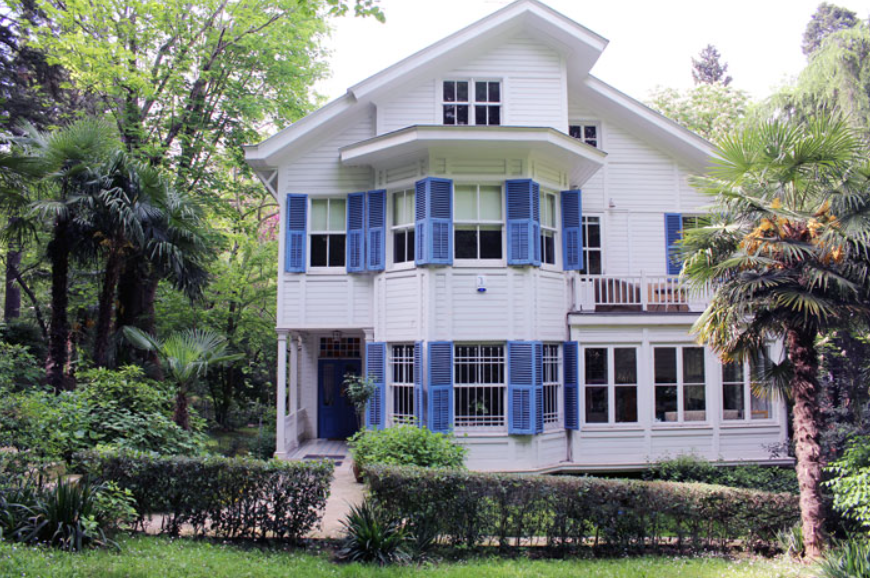
Nazım Hikmet Culture and Art Research Center
Nazım Hikmet Culture and Art Research Center is another important building that contributes to the cultural heritage of the university. This center is open to the public and hosts cultural events, allowing visitors to interact with the rich cultural heritage of the university.
Astronomy Laboratory and Observatory
Boğaziçi University's Astronomy Laboratory and Observatory host schools, especially on Wednesdays and Thursdays, and organize events for individual visitors on other days. These spaces are open to visitors interested in science and education, with free public access by appointment.
These initiatives reflect Boğaziçi University's commitment to promoting broad access to cultural and natural heritage sites, preserving cultural values and providing opportunities for local communities to engage with these important sites.
More information can be found at the links below:
Related News
KOERI’s Mission to Advance Disaster Education and Share Scientific Heritage with Society
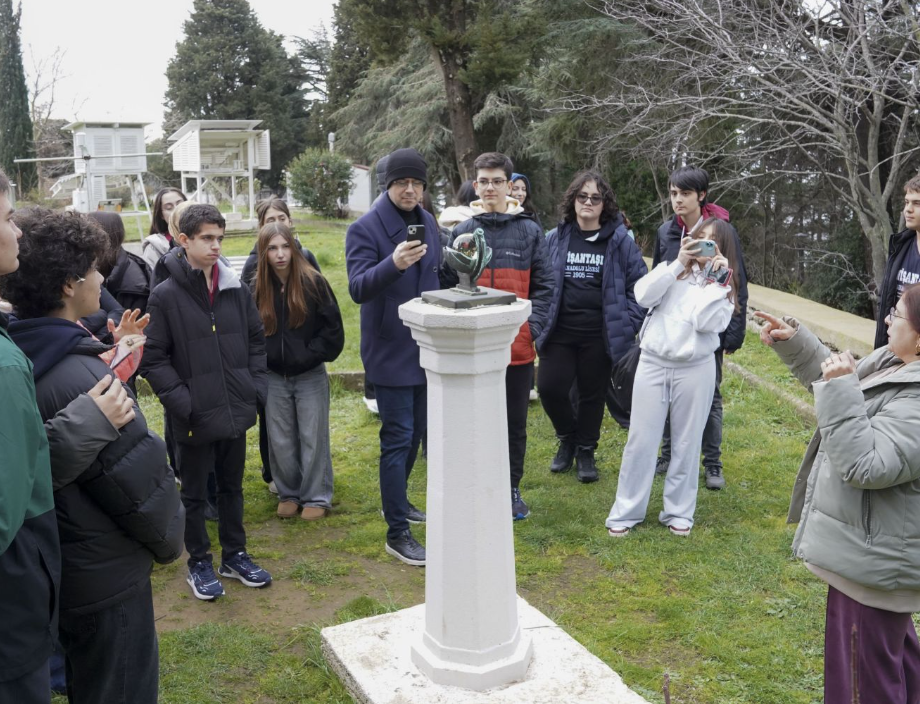
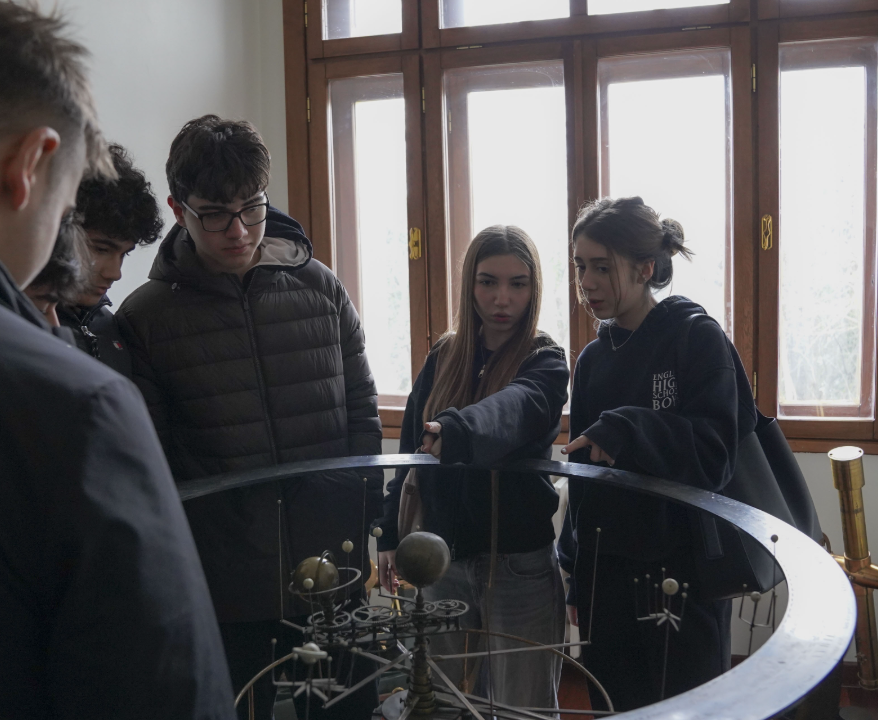
For more than 25 years, Boğaziçi University’s Kandilli Observatory and Earthquake Research Institute (KOERI) has delivered educational programmes to strengthen public disaster awareness through its Disaster Preparedness Laboratory (AHLAB), established in 2000. Programmes such as “Basic Disaster Awareness” and “Structural Awareness against Earthquakes” reach an average of 25,000 people annually. Through the “Observatory Tours”, students from primary school to university level gain hands-on experience at the Earthquake Park, the Astronomy Laboratory and the Meteorology Laboratory. Since 2008, KOERI’s Mobile Earthquake Simulation Truck has also extended disaster education beyond campus to communities across Türkiye. Alongside disaster education, KOERI preserves and shares Türkiye’s scientific heritage through its History of Science Collection, rare manuscripts and historical scientific instruments displayed in the historic Seismology Building. By combining long-term public education, experiential learning, community outreach and the preservation of scientific heritage, this initiative supports disaster preparedness, societal resilience and the safeguarding of cultural and scientific heritage.
The full news article is available here.
Preserving Scientific Heritage and Fostering Inclusive Community Engagement: Astronomy Observation at Kandilli Observatory
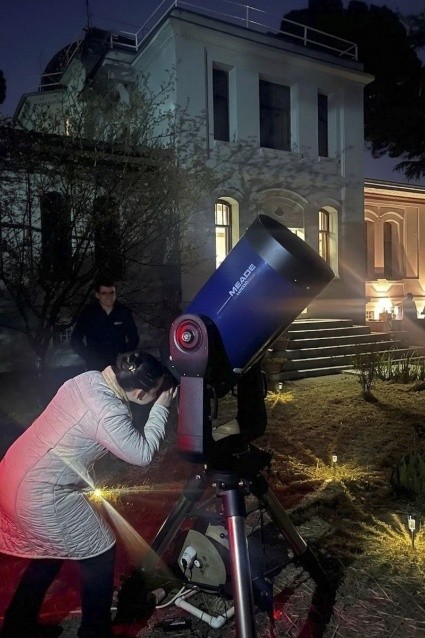
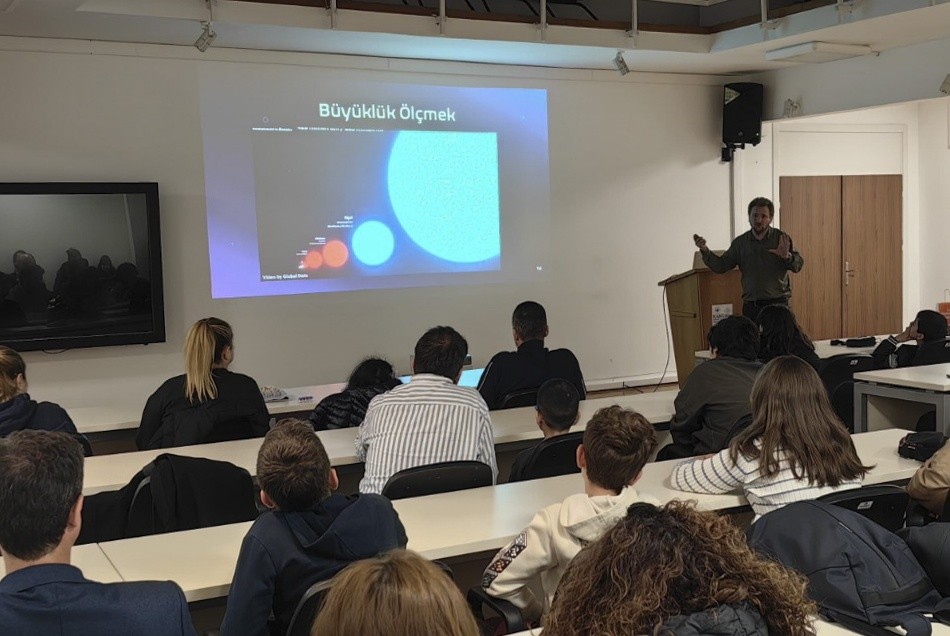
Boğaziçi University actively contributes to the development of sustainable, inclusive, and learning-oriented urban communities by opening its historical and scientific infrastructure to the public. On April 27, 2026, the Astronomy Laboratory of Boğaziçi University’s Kandilli Observatory and Earthquake Research Institute (KOERI) hosted a public observation event, bringing together approximately 80 space enthusiasts, researchers, and citizens. During the programme, the historical development and current activities of the Astronomy Laboratory were presented, alongside the scientific methods used to observe and measure the night sky. With contributions from the laboratory team, İstanbul University, and the Amateur Astronomers Club, participants observed the Moon's surface features and viewed Jupiter through the Observatory’s 35-centimetre telescope. By introducing the public to the Kandilli Observatory’s scientific history, observational infrastructure, and current research, the event provided direct experiential access to scientific knowledge. By opening the University’s scientific facilities to community engagement, the programme supports access to scientific heritage and inclusive learning environments.
The full news article is available here.
Public Access to Campus Facilities and Community Engagement: Boğaziçi University Sports School
In line with the goal of providing universal access to safe, inclusive, and accessible public and recreational spaces, Boğaziçi University actively shares its sporting infrastructure with the wider community. Under the umbrella of the Boğaziçi University 1863 Sports Club, the university launched the Sports School initiative, offering comprehensive training programmes across 8 distinct sporting branches for children and young people aged 6–16. These training sessions are held across the modern sporting facilities of the Hisar, Güney, Anadolu Hisarı, and Kilyos campuses.
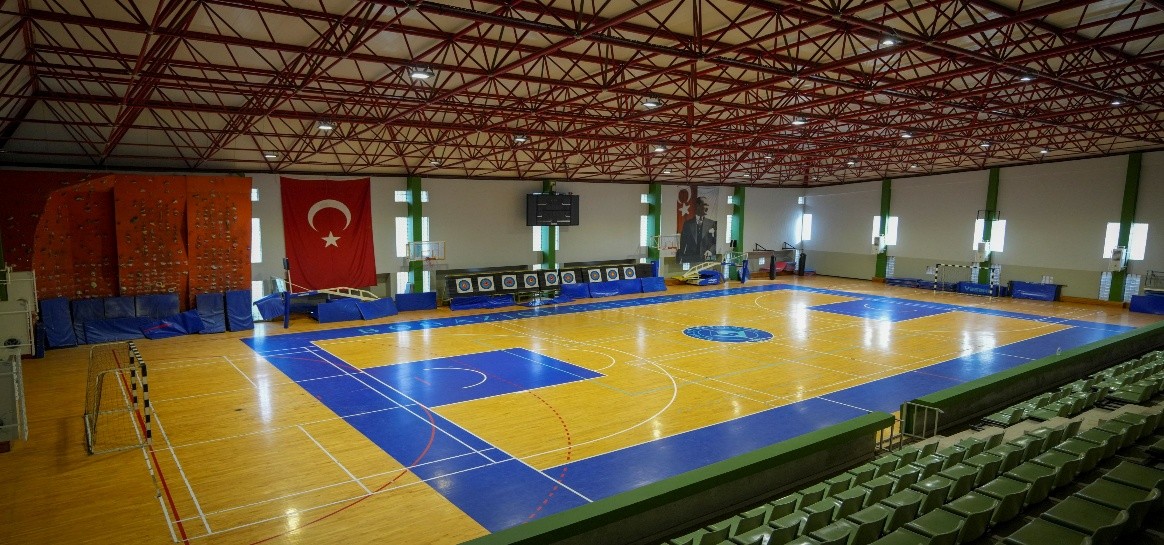
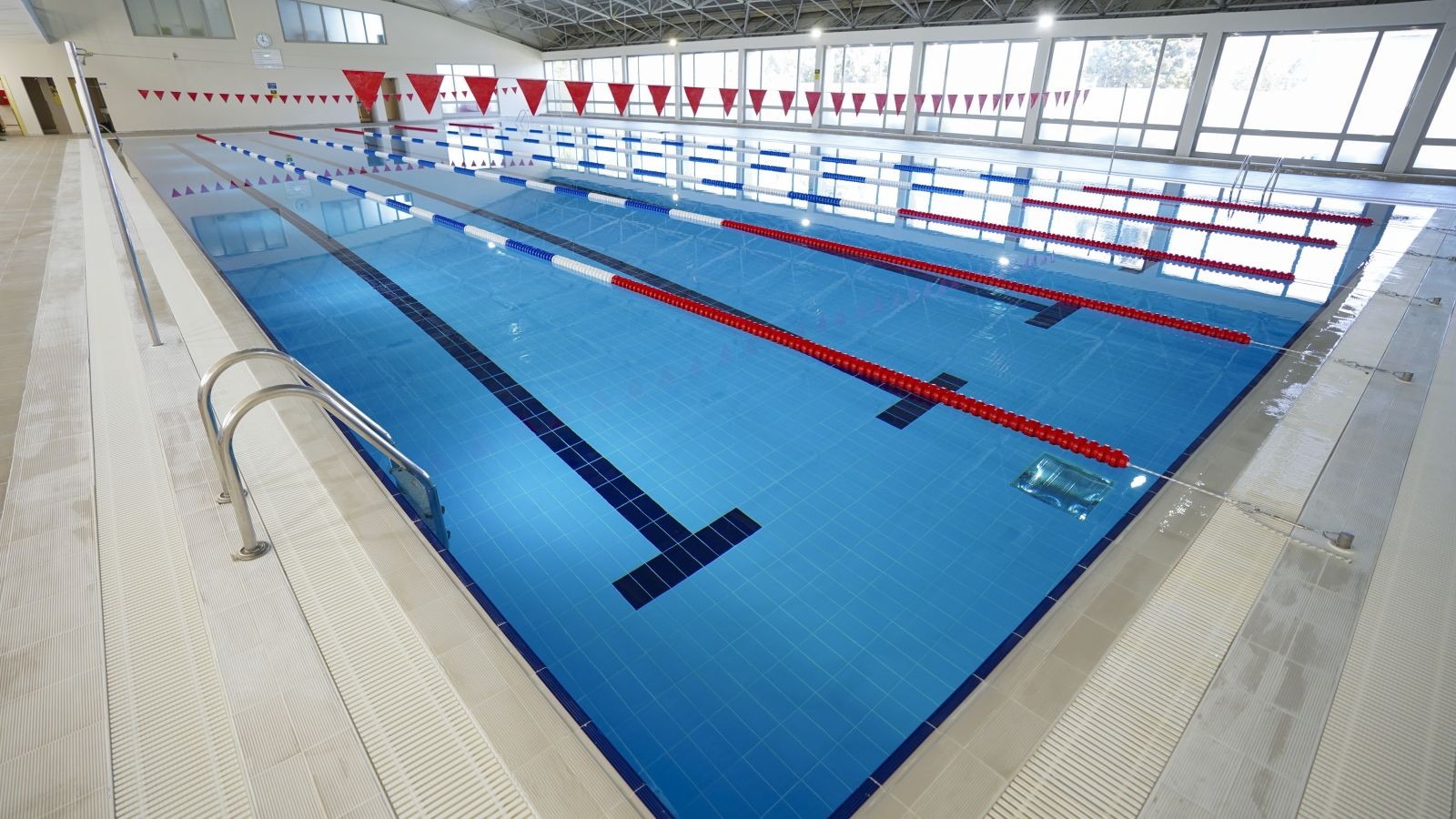
As a strong model of university-community integration, the Boğaziçi University Sports School aims to introduce children and young people to high-quality sports education at an early age, promote a vibrant sports culture, and support long-term athletic development. By extending the university’s deep-rooted academic and cultural atmosphere across its multi-campus facilities, this initiative enables the local community to benefit from campus amenities, directly contributing to sustainable, safe, and inclusive city-university integration.
Updated information on programme content, branch details, and the registration process is available on the Boğaziçi University Sports School website and on its official social media channels.
The full news article is available here.
2024 Sustainability Report SDG-11 (Related Section)
Public Access to Boğaziçi University Buildings
Boğaziçi University opens its culturally significant buildings and natural heritage sites to visitors as part of public events. By offering free and by appointment access to these sites, the university aims to encourage local communities and visitors to interact with cultural heritage.
Boğaziçi University Promotional Activities
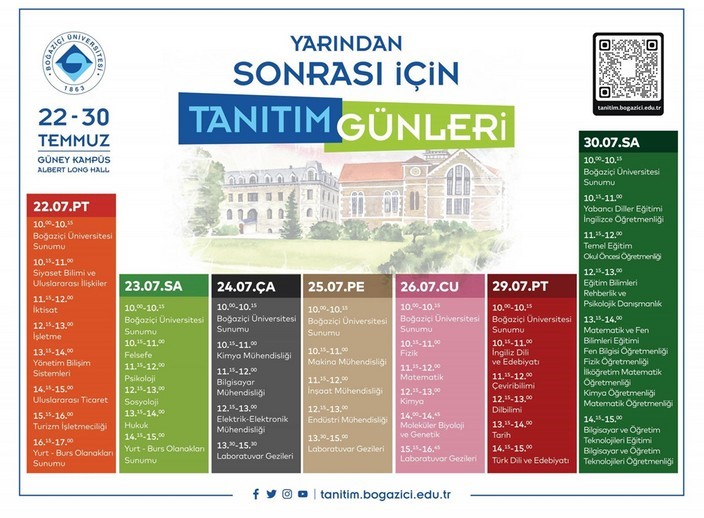
Within the scope of the "Boğaziçi University Introduction Days ’ programme, which is organised every year for prospective students who will make university choices, prospective students and their families have the opportunity to visit the campus, meet the faculty members, get information about the undergraduate programmes offered by the departments and take a campus tour. In addition, secondary education institutions can make a special application during the semester and organise visits that enable their students to get to know the academic and social opportunities of Boğaziçi University.
Click here for school trip application:
https://tanitim.bogazici.edu.tr/2025-2026-akademik-yili-okul-gezisi-basvurusu
Historical and Architectural Richness of South Campus
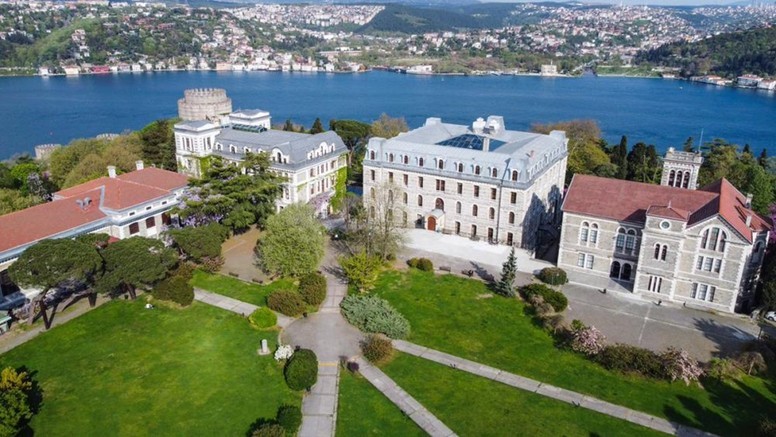
The foundations of Boğaziçi University were laid with the establishment of Robert Collegein 1863, and the South Campus stands out with its architecture of historical and cultural significance. All historical buildings on the South Campus were built before the First World War and were constructed using blue limestone quarried from the quarry located on the campus. Hamlin Hall, the first building of Robert College, was completed in 1871. It was followed by Kennedy Lodge, which was built as the president's house in 1891, Albert Long Hall, which was completed in 1892, Theodorus Hall, which served as a preparatory building in 1902, Dodge Gymnasium, which opened as a gymnasium in 1904, Washburn Hall in 1906, Anderson Hall in 1913 and Sloane Hall, which was used as a dispensary in 1914. These buildings are among the important artefacts that symbolise the historical depth and unique cultural heritage of Boğaziçi University. The historic Albert Long Hall is open to the public throughout the year, hosting events such as concerts and conferences.
.png)
Nazım Hikmet Culture and Art Research Centre
Nazım Hikmet Culture and Art Research Centre is another important building contributing to the cultural heritage of the university. The Centre aims to perpetuate the memory of Nâzım Hikmet, one of the most influential, talented and world-renowned poets of recent times, by creating an extensive archive and researching his widespread influence on Turkish literature and national culture and arts policies. Hosting panels, seminars, workshops and public cultural events in the historical buildings of Boğaziçi University, this centre allows visitors to interact with the rich cultural heritage of the university.
Click here to visit the Nazım Hikmet Culture and Art Research Centre website:
https://nazimhikmetmerkezi.com/
Kandilli Observatory and Earthquake Research Institute
Kandilli Campus carries the legacy of the Kandilli Observatory, which was established in 1868 and affiliated to Boğaziçi University in 1982 and renamed Boğaziçi University Kandilli Observatory and Earthquake Research Institute (KRDAE). Kandilli Observatory was established in 1868 as Rasathane-i Amire at the suggestion of the French government to transmit weather forecasts to certain centres by telegraph. The Observatory, which first started its operations on a 74-metre high hill in Pera, was later moved to a telegraph office opposite the Artillery School in Maçka. However, during the 31 March Incident of 1909, the Observatory in Maçka was destroyed. Following this incident, the Observatory started to operate at its present location on İcadiye Hill in Vaniköy in 1911. In1936, the name of the institution was changed to Kandilli Astronomy and Geophysics Observatory, and in 1982, it was affiliated to Boğaziçi University and started to carry out scientific research and education activities under the name of Boğaziçi University Kandilli Observatory and Earthquake Research Institute.
Click here to go to KRDAE web page:
http://www.koeri.boun.edu.tr/new/en
History of Observatory Science
The Observatory Science History Collection is exhibited in the historical Seismological Building, the foundation of which was laid in 1930 and the construction of which was completed in 1934. Various scientific instruments used by the Observatory in the fields of astronomy and earth sciences are exhibited in the building. In this building, samples of Kandilli manuscriptsrelated to astronomy, astrology, mathematics and geography in the Observatory Archive are also exhibited.
This collection consists of observation instruments invented by Turkish scientists in the Ottoman period, books and calendars on astronomy, seismographs and various astronomy, geodesy, magnetics, meteorology and time instruments, most of which were imported from Europe and the United States, which were used in the Observatory - i Amire established in 1868 and used after the observatory was moved to Kandilli in 1911.
Scientific instruments include:
Sextants, octants, telescopes, theodolites, pontographs, artificial horizons, barometers, clocks, sundials, thermographs, observation record reports, maps, calendars, large seismographs which are earthquake recording instruments, maritime clocks, measuring and calculating machines, auxiliary instruments for determining time, rubu boards, astrolabes, earth globes, celestial globes, solar system, meridian telescopes, qiblenumas.
.png)
For more information click here:
http://koeri.boun.edu.tr/new/en/bilim_tarihi
Observatory Excursion
Kandilli Observatory and Earthquake Research Institute accepts groups of visitors from primary, secondary and high schools by appointment system. The 80-minute excursion programme, which is free of charge for groups of up to 30 people, covers three main parts:
Disaster Preparedness and Earthquake Park Visit: Participants are given basic disaster awareness training in line with pedagogical data and practical applications are made in Deprempark.
Astronomy Laboratory: Visitors have the opportunity to learn about general astronomy and solar observations.
Meteorology Laboratory: Basic information about meteorology is shared, meteorological measuring instruments are introduced and weather forecasting processes are explained.
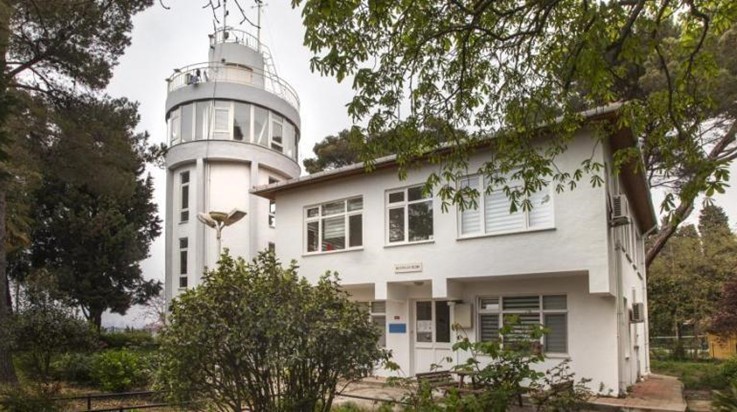
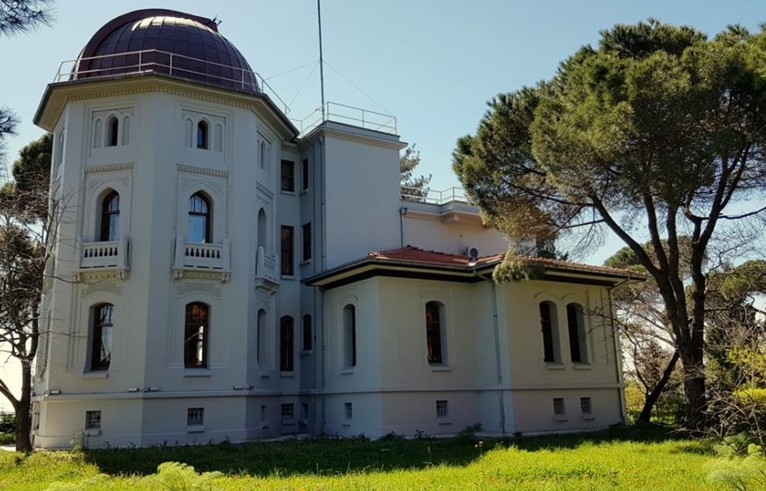
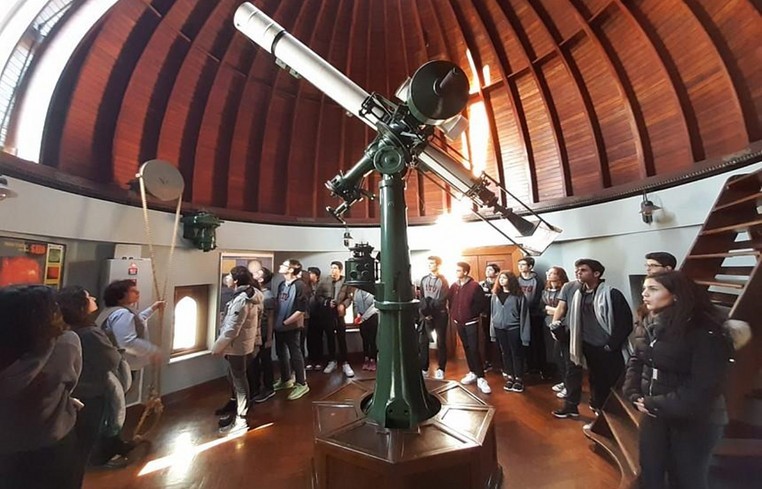
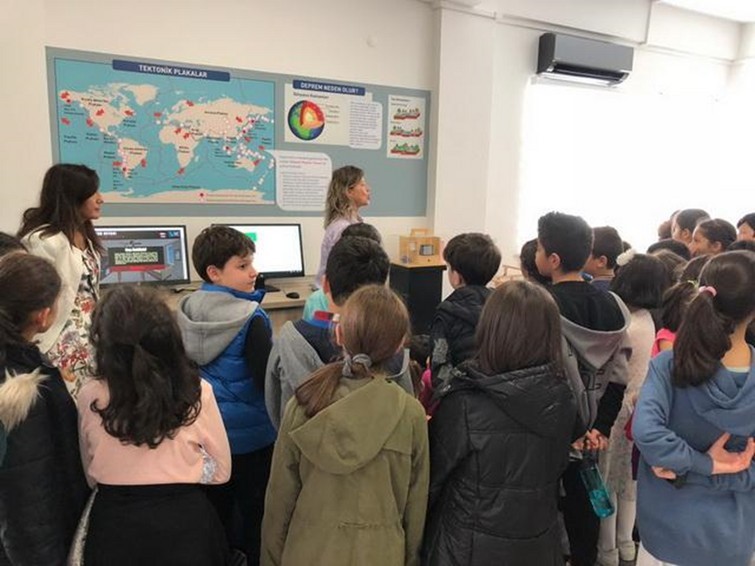
This rich-content programme provides the participants with both theoretical and practical knowledge and scientific awareness, as well as the opportunity to see the campus and buildings. In addition, ABCD Basic Disaster Awareness Training is given open to the public at the Disaster Preparedness Laboratory (AHLAB) as part of the ‘Public Day’ events organised every Tuesday. For individual visitors, the Astronomy Laboratory provides information about laboratory work and astronomy-related topics of interest, as well as hosting events for popular astronomical events such as eclipses and planetary transits.
Click here for observatory trip application:
https://ahlab.bogazici.edu.tr/tr/pages/gezi-basvurusu/4186
Click here for maps of the campuses and locations of the buildings:
https://harita.bogazici.edu.tr/
This rich-content programme provides the participants with both theoretical and practical knowledge and scientific awareness, as well as the opportunity to see the campus and buildings. In addition, ABCD Basic Disaster Awareness Training is given open to the public at the Disaster Preparedness Laboratory (AHLAB) as part of the ‘Public Day’ events organised every Tuesday. For individual visitors, the Astronomy Laboratory provides information about laboratory work and astronomy-related topics of interest, as well as hosting events for popular astronomical events such as eclipses and planetary transits.
Click here for observatory trip application:
