


7.4.5 Assistance to low-carbon innovation
Supporting Start-ups and Technologies for a Low-Carbon Economy
Boğaziçi University actively supports innovation and entrepreneurship initiatives that contribute to a low-carbon economy, clean technologies, and sustainable production systems. This support is delivered through a combination of research-driven innovation, entrepreneurship and incubation programmes, and industry-university collaboration mechanisms, creating an enabling ecosystem for start-ups and ventures addressing climate and sustainability challenges.
1. Entrepreneurship and Incubation Support for Low-Carbon Innovation
.jpg)
Through the Entrepreneurship Research and Application Centre (BRIGHT), entrepreneurs are supported through structured programmes that include training modules, mentoring, workshops, networking activities, incubation support, investor engagement, and solution-oriented partnerships with industry.
Operating in close cooperation with Boğaziçi Technopark and Technology Transfer Office, BRIGHT supports students, graduates, and academics in transforming innovative ideas into viable ventures and start-ups. Particular emphasis is placed on sustainability-oriented and low-carbon technologies, including solutions addressing energy efficiency, environmental sustainability, and climate technologies.
Key Funding and Acceleration Mechanisms
• BRIGHT Young Entrepreneurs Programme
.jpg)
• BRIGHT Masterclass Programme
.jpg)
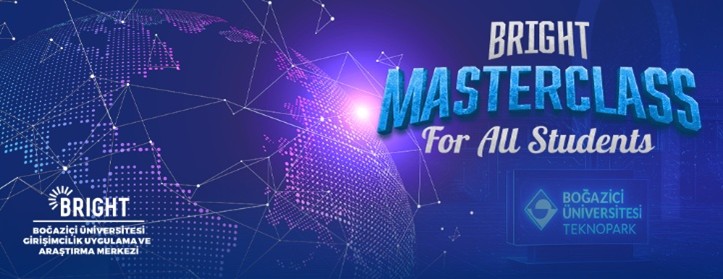
• BRIGHT Masterclass for All Students
The BRIGHT Young Entrepreneurs Programme receives startup applications and selects promising ventures for an intensive training phase. Upon completion of the training period, ten startups demonstrating readiness for market engagement are selected to participate in Demo Day and are admitted to the Boğaziçi Technopark Entrepreneurship Offices. During Demo Day, selected ventures are awarded financial support. The Demo Day is organized annually. Throughout the pre-incubation and incubation phases, the programme provides structured support to help startups refine their products and advance to the prototype stage. For 2026, the first-place award in the BRIGHT Young Entrepreneurs Programme amounts to 250,000 TRY, the second-place award is 200,000 TRY, and the third-place award is 150,000 TRY.
.png)
The competitive pipeline feeding into the BRIGHT Young Entrepreneurs Programme operates through the BRIGHT Masterclass Programmes, which are held three to four times per year. In 2025, the Masterclass Programme was organized twice and attracted significant interest. As a result of this strong participation, the programme was expanded nationwide and implemented under the title Masterclass for All Students, opening participation to university students across Türkiye. For 2026, the first-place award in the BRIGHT Masterclass and BRIGHT Masterclass for All Students Programmes amounts to 60,000 TRY, the second-place award is 40,000 TRY, and the third-place award is 20,000 TRY. This funding is allocated to cover R&D-related expenses.
These programmes collectively establish an institutional framework that enables early-stage ventures to develop solutions aligned with low-carbon transitions and sustainable innovation pathways. In addition to its current programmes, BRIGHT has initiated planning and preparatory activities for future sector-focused thematic programmes in areas such as artificial intelligence and sustainability.
BRIGHT Program Statistics in 2025
|
Indicator |
Value |
|
Number of Applications |
150 |
|
Duration of Online Training Content |
40 Hours |
|
Number of Students Enrolled in Training |
197 Entrepreneurs |
|
Number of In-Person Trainings |
35 |
|
Number of Startups Participating in Demo Day |
46 Startups |
|
Total Amount of Financial Support Provided |
1,000,000+ |
|
Total One-on-One Mentorship Hours Delivered |
70+ Hours |
|
Number of One-on-One Mentorship Sessions |
120+ |
|
Number of Startups Receiving Financial Support |
15 Startups |
|
Number of Startups Receiving the Jury Special Award |
3 Startups |
|
Number of Startups Granted Incubation Access |
46 Startups |
Click here to view the Startups supported by BRIGHT.
Click here to visit the BRIGHT homepage.
DreamBIGG – TÜBİTAK 1812 Investment-Based Entrepreneurship Support Program
.png)
Implemented by the Boğaziçi University Technology Transfer Office, the DreamBIGG Program is a 900,000 TRY support scheme for young entrepreneurs under TÜBİTAK’s 1512 Techno-Entrepreneurship Capital Support Program. The program aims to transform technology- and innovation-driven business ideas into ventures with high potential for qualified employment creation and value added.
Students enrolled in, or graduates of, associate, undergraduate, graduate, or doctoral programs are eligible to apply. Scalable projects and startups that successfully complete the application process receive incubation support to bring their ideas to market. The overarching objective of the program is to foster the creation of companies that develop innovative products and services with strong international competitiveness.
.png)
Click here to visit the DreamBIGG homepage.
Incubation-Based Advantages through Technopark and Entrepreneurship Offices
.png)
The general open call of the Boğaziçi Entrepreneurship Offices operating under Boğaziçi University Technopark is open to applications from all entrepreneurs on an ongoing basis. Start-ups supported through Boğaziçi University Technopark benefit from several advantages embedded in incubation services, including:
- Office and Co-working Spaces: Modern, fully equipped, rent-free or discounted office spaces, meeting rooms, and shared working areas.
- Training and Seminars: Entrepreneurship-focused training programs delivered in both online and face-to-face formats.
- Mentorship and Consultancy: One-on-one mentorship and consultancy services provided by experts in business development, strategy, marketing, and financial planning.
- Technical Infrastructure: High-speed internet, laboratories, and other technical facilities.
- Financial Support and Investor Network: Access to various funding sources and opportunities to connect with investors to bring projects to life.
- Prototyping and Product Development Support: Technical and logistical support during product development and prototyping processes.
- Technology Transfer Consultancy: Expert guidance throughout the technology transfer process to commercialize innovations derived from academic research.
- Patent and Intellectual Property Consultancy: Support and guidance on patenting and intellectual property rights to protect innovative ideas.
- Networking and Collaboration Opportunities: Opportunities to collaborate and build networks with other entrepreneurs, industry professionals, and academic communities.
- International Outreach: Guidance and support for entrepreneurs seeking to expand into international markets.
Click here to visit the Boğaziçi University Technopark website.
Click below to visit the Entrepreneurship Office web pages:
2. Research-Driven Innovation for Low-Carbon Technologies and SME Development
Boğaziçi University’s support for low-carbon innovation is strongly anchored in research and development, with several flagship projects demonstrating direct relevance to decarbonisation and sustainable technologies.
INDEPENDENT Project: Establishment of Europe’s First Carbon-Negative Biorefinery and Microalgae Technologies Center
Implemented between 2015 and 2021 under the Competitive Sectors Programme and supported by the Republic of Türkiye Ministry of Industry and Technology and European Union IPA funds, the INDEPENDENT Project was launched through the establishment of a Microalgae Biorefinery and R&D Laboratory Complex at Boğaziçi University’s Sarıtepe Campus and BÜN Technopark. Upon completion of the project, the infrastructure began operating under the AlgBU brand in 2021 within the Boğaziçi University Technology Transfer Office and was subsequently institutionalised as the Microalgae Technologies Center in 2023.
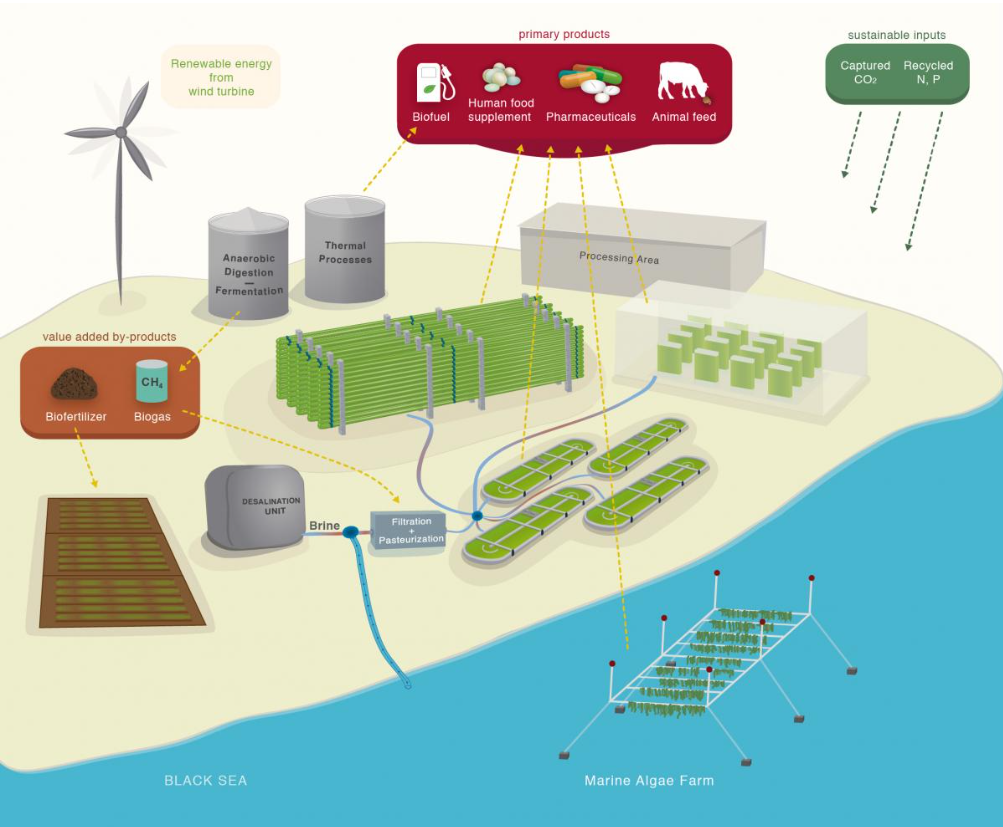
Within the scope of the INDEPENDENT Project, Boğaziçi University led the development of a bioeconomy-oriented growth model aimed at reducing dependence on fossil-based resources. Focusing on algae-based technologies, the project resulted in the establishment of Europe’s first carbon-negative microalgae biorefinery, offering a concrete and scalable pathway toward low-carbon industrial production.
.png)
Microalgae-Based Biotechnological Raw Materials
The infrastructure also supports small and medium-sized enterprises (SMEs) within the framework of Public–University–Industry Cooperation (KÜSİ). It delivers algae-based biotechnological products and provides consultancy, project development, know-how transfer, equipment design, and product testing and analysis services across multiple sectors, including petrochemicals, cosmetics, and textiles. Through these activities, it facilitates the commercialisation of low-carbon technologies, generates high economic value from renewable and sustainable resources, and enhances the international competitiveness of SMEs.
Related News
Showcasing Low-Carbon Innovation: Boğaziçi University’s IMBIYOTAB Hosts UK Delegation
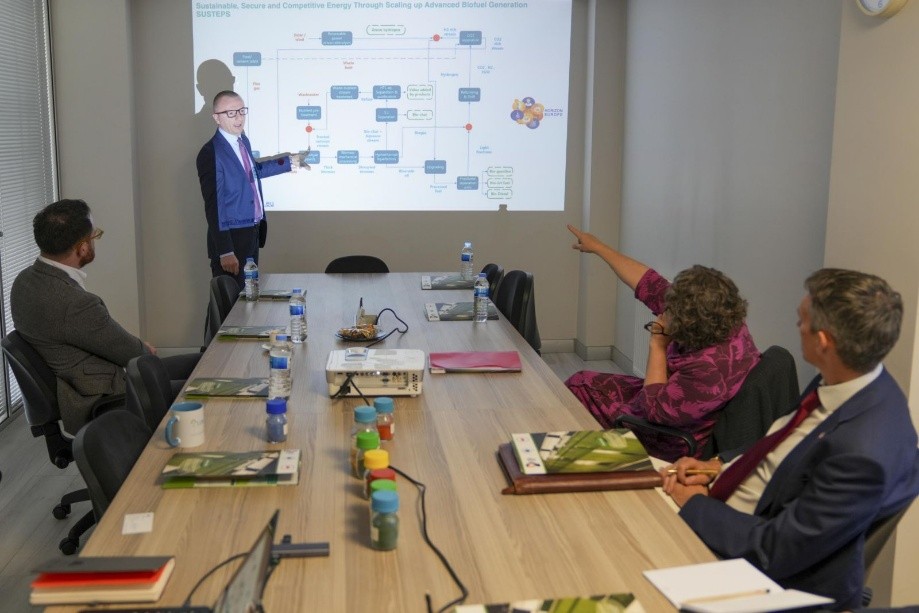
On May 6, 2026, Boğaziçi University’s Istanbul Microalgae Biotechnology Research and Development Center (IMBIYOTAB) hosted a high-level UK delegation, led by UK Special Representative for Climate Ruth Davis OBE and Consul General David Reed MBE, at the Sarıtepe Campus. During the visit, the delegation was introduced to IMBIYOTAB’s research and applied activities in microalgae biotechnology, algae-based bioprocesses, carbon capture and utilisation, biofuels and the sustainable bioeconomy. Information was also provided on the research infrastructure, pilot-scale production capacity and university–industry technology development model of IMBIYOTAB, the first carbon-negative biorefinery of its kind in Türkiye and Europe.
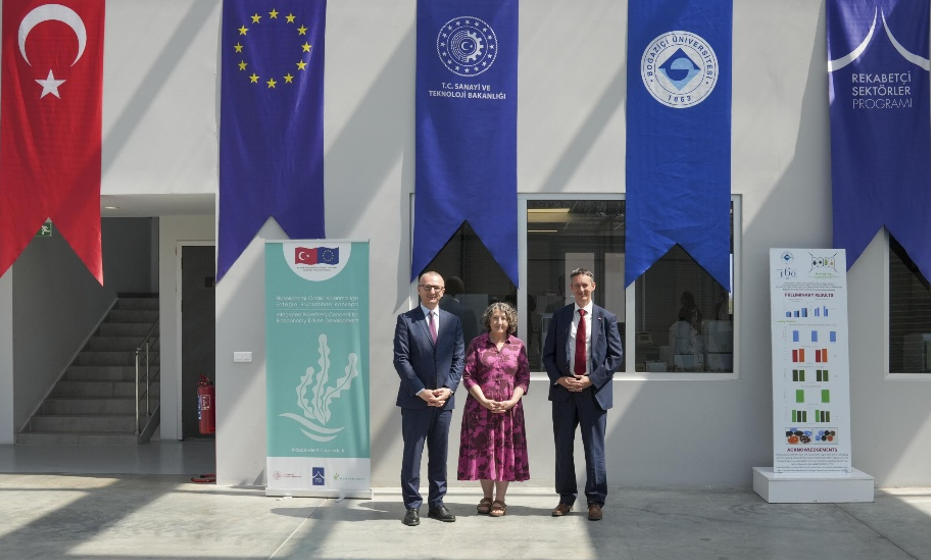
The discussions also addressed how joint projects undertaken by Boğaziçi University and the University of Cambridge with support from the Newton Fund, the Royal Society of Chemistry and the British Council have contributed to the development and commercialisation of innovative microalgae technologies. By combining advanced research infrastructure with pilot-scale production, entrepreneurship and technology transfer, IMBIYOTAB’s approach stands as a strong example of Boğaziçi University’s support for the development of microalgae-based biofuels and other low-carbon technologies.
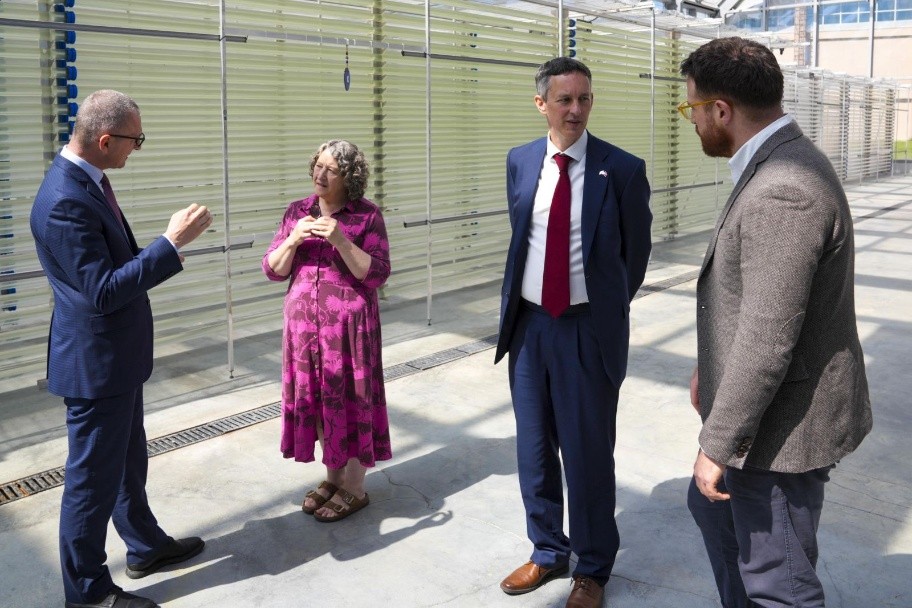
The full news article is available here.
Dr. Berat Haznedaroğlu Receives Climate Technology Award for His Work on Microalgae
Dr. Berat Haznedaroğlu, Faculty Member at the Institute of Environmental Sciences at Boğaziçi University, has been awarded the “Dr. Akın Çakmakcı Pioneer Researcher Award” within the scope of the 2024 Climate Technologies Awards presented by the Technology Development Foundation of Türkiye (TTGV). He received the award for his project titled “Development of High Value-Added Algae-Based Products.”
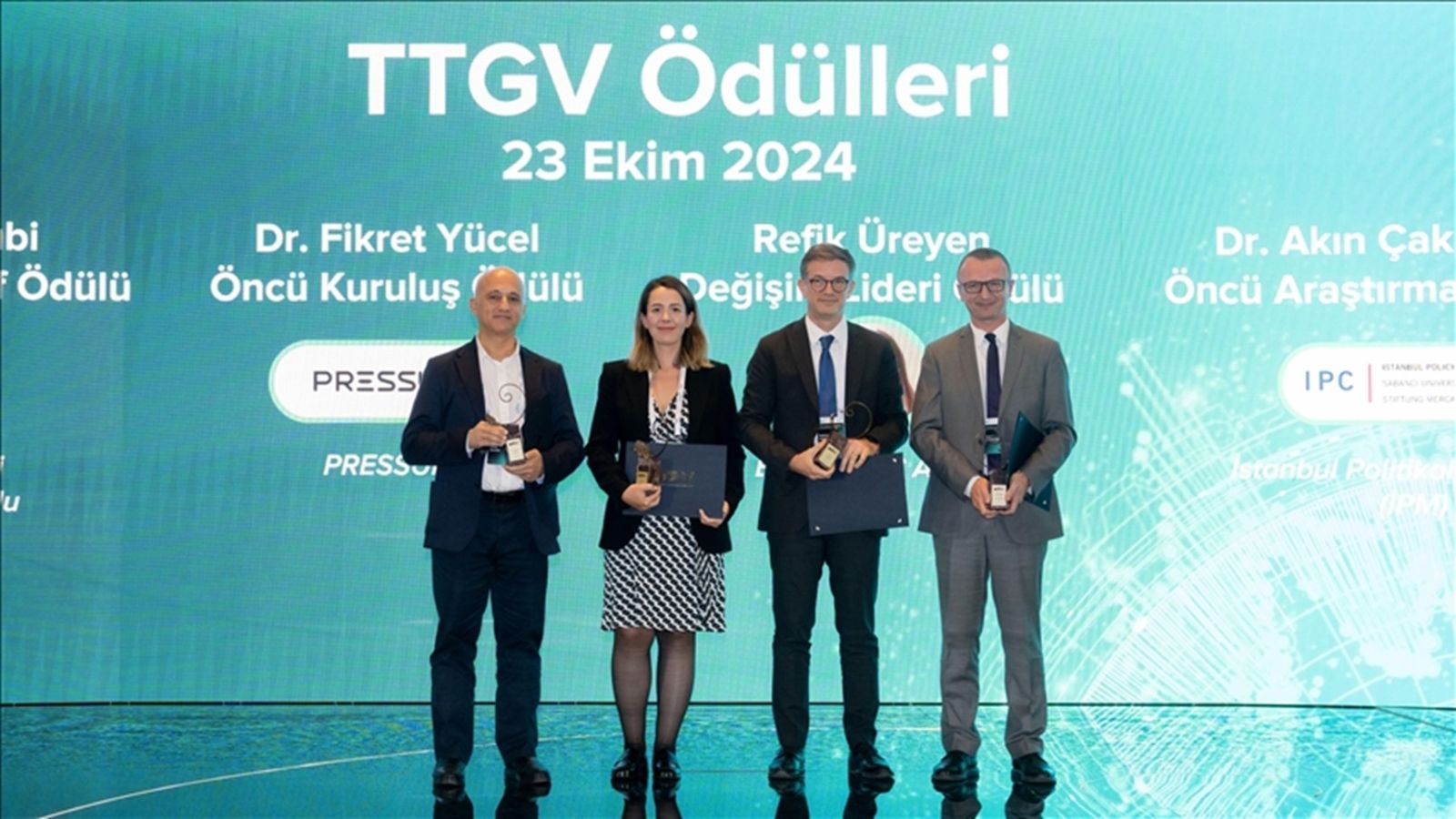
Through the 2024 Climate Technologies Awards, the Technology Development Foundation of Türkiye (TTGV) recognized researchers, institutions, civil society organizations, and leaders who are pioneering transformation in the field of climate technologies. In this context, Dr. Haznedaroğlu was honored with the Dr. Akın Çakmakcı Pioneer Researcher Award for his project focusing on the development of high value-added algae-based products.
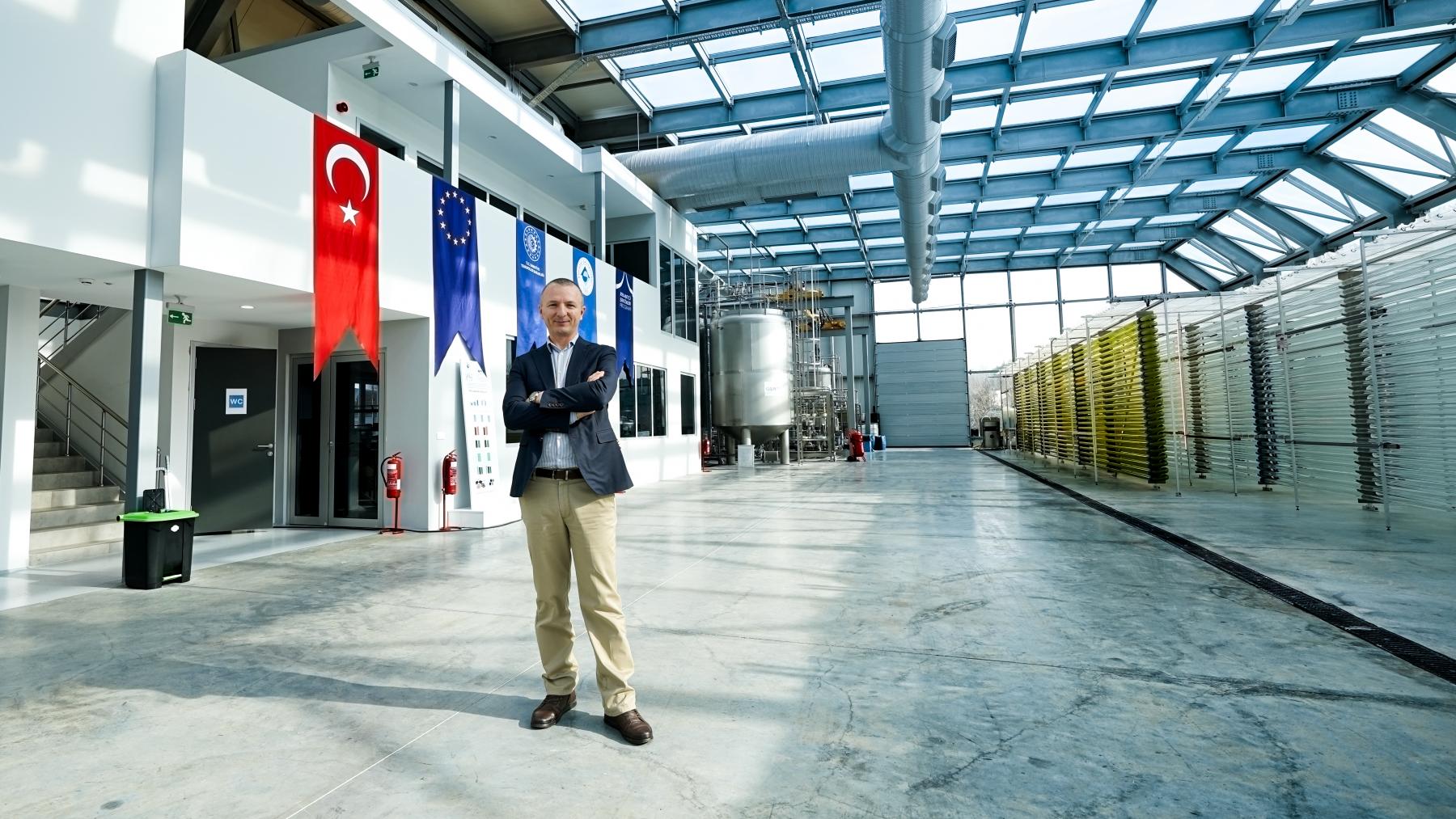
Emphasizing that the award serves as a strong motivation for the ongoing national and international research projects conducted at Europe’s first and only carbon-negative microalgae biorefinery, Dr. Haznedaroğlu highlighted the critical importance of R&D activities utilizing microalgae to support the green transformation of industry both in Türkiye and globally.
Click to read the full news:
Dr. Öğr. Üyesi Berat Haznedaroğlu'na İklim Teknolojileri Ödülü
Dr. Öğr. Üyesi Berat Haznedaroğlu'na Mikroalg Çalışmaları İçin Ödül
3. Venture Support and Climate-Focused Spin-off Companies
BÜDOTEK (Dudullu OSB Boğaziçi University Technopark Inc.) was established on 2 October 2018 through a partnership between Boğaziçi University, the Dudullu Organized Industrial Zone, and the Boğaziçi University Foundation. By integrating Boğaziçi University’s academic expertise and research infrastructure with the industrial production capabilities of the Dudullu Organized Industrial Zone, BÜDOTEK facilitates high-quality R&D activities and university–industry collaboration. BÜDOTEK hosts several ventures whose core activities directly contribute to decarbonisation, carbon management, and sustainable production pathways:
.png)
Climateware Teknoloji A.Ş. offers software-based tools in the field of carbon management with the aim of developing innovative solutions for the climate crisis. The solutions offered by the company allow businesses to effectively monitor and manage their carbon footprint, while at the same time helping them develop strategies to reduce emissions. In this way, Climateware plays an important role in the decarbonisation process for both individual and corporate users.
Phycotec Biyoteknoloji A.Ş. develops both environmentally and economically sustainable products with algae-based biotechnological solutions. The company's products such as biofuels, bioplastics and biofertilisers contribute to the reduction of carbon emissions by reducing fossil fuel consumption. Phycotec also offers carbon capture and utilisation technologies for industry, helping to promote environmentally friendly production processes.
SDG Danışmanlık Mühendislik Eğitim Hizmetleri A.Ş. provides comprehensive consultancy services to support companies in their transition to carbon neutrality. The company guides companies in the processes of monitoring, reporting and reducing carbon emissions. The strategies developed by SDG enable businesses to achieve their sustainability goals, while significantly reducing their carbon footprint by offering solutions to increase energy efficiency.
Semtrio Eğitim ve Danışmanlık Hizmetleri A.Ş. provides technological and strategic solutions for companies that want to achieve their zero emission targets. The company provides consultancy services in the field of environmental sustainability and supports companies in reducing carbon emissions and adopting environmentally friendly production processes. Semtrio has the vision of becoming a company that takes concrete steps against the climate crisis by using sustainability technologies.
These ventures demonstrate how Boğaziçi University’s innovation ecosystem enables the translation of low-carbon research and sustainability expertise into market-oriented solutions.
.png)
Click here to see full list of BÜDOTEK ventures.
4. Advanced Technologies Enabling Low-Carbon Transitions
Beyond direct climate technologies, Boğaziçi University supports enabling technologies that indirectly contribute to emissions reduction and resource efficiency:
UzMAn – Microalgal Life Support Units for Space Missions
Successfully tested aboard the International Space Station, UzMAn demonstrated the ability of microalgae to convert CO₂ into oxygen with high efficiency. The project highlights scalable biological solutions for carbon management and closed-loop sustainability systems.
[Read Full Article ▼]
The UzMAn Project Marks the Beginning of the Microalgae Era in Oxygen Production in Space
The ‘Microalgal Life Support Units for Space Missions’ (UzMAn) project, led by Boğaziçi University in collaboration with TÜBİTAK Marmara Research Centre and Istanbul Medeniyet University, was successfully tested on the International Space Station (ISS) as part of Turkey's National Space Programme. In the experiment conducted by Turkey's first astronaut, Alper Gezeravcı, three different microalgae species were analysed for their capacity to convert carbon dioxide into oxygen in a microgravity environment.
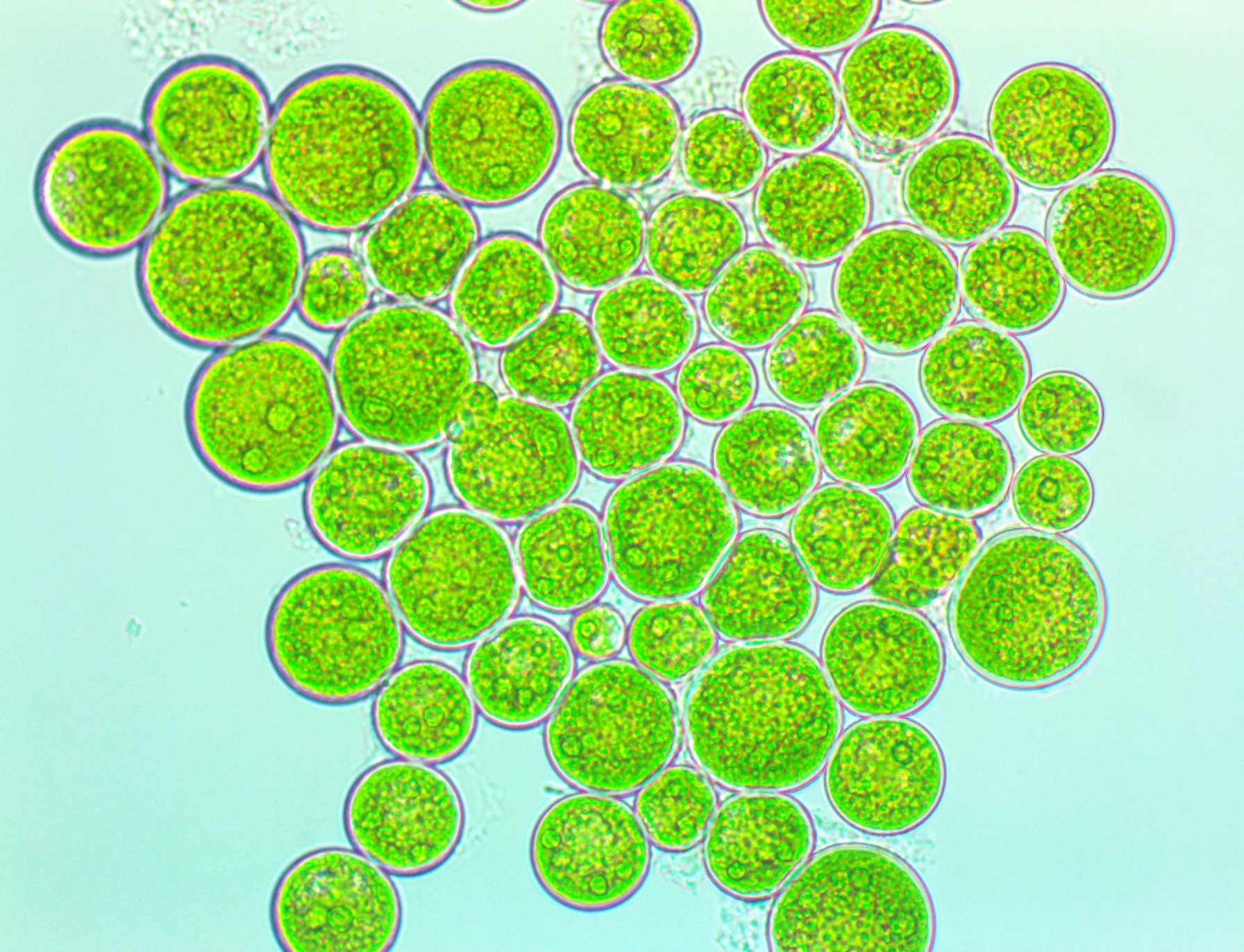
According to the results of the experiment, microalgae worked 3 to 5 times more efficiently than in normal conditions in closed spaces, significantly reducing carbon dioxide levels. These tests, conducted using small-scale reactors, demonstrated that microalgae have the potential to completely convert the daily carbon dioxide emissions of three astronauts into oxygen with sufficient scaling. This finding suggests that biological life support systems could offer a sustainable alternative to mechanical systems for long-duration space missions.
Dr. Berat Zeki Haznedaroğlu, the project leader, stated that microalgae offer versatile solutions for space missions not only for oxygen production but also for improving air quality, serving as an emergency backup, and potentially as a food source, thanks to their renewable structures. In the second phase of the experiment, the metabolic potential of algae will be investigated to determine which functional food products can be obtained in space and to analyse the biological mechanisms contributing to oxygen conversion.
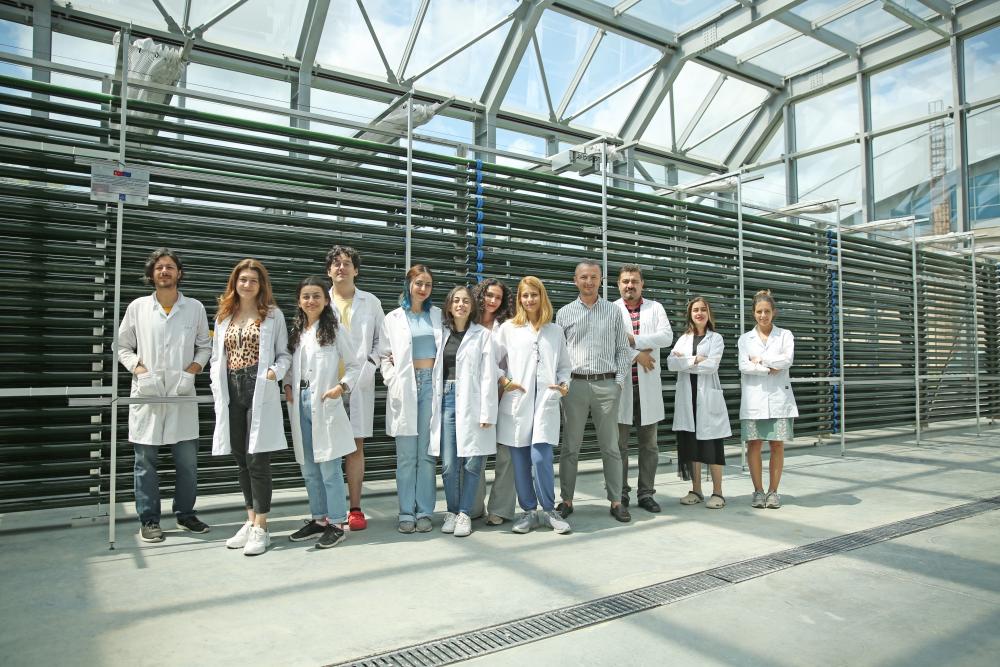
The UzMAn project, which could play a critical role in long-term colonisation projects on the Moon and Mars in the future, is making a significant contribution to Turkey's international scientific competition in the field of space biotechnology. It is emphasised that microalgae-based systems could be a revolutionary solution for space missions in terms of sustainability, resource efficiency and survival strategies.
Click here to read the full news.
AI-Supported Cost and Carbon Estimation Software
Developed by the Institute of Data Science and Artificial Intelligence, this software enables rapid estimation of energy consumption and carbon emissions in manufacturing processes. By supporting data-driven decision-making, it contributes to more efficient and low-carbon production strategies.
[Read Full Article ▼]
Boğaziçi University's Artificial Intelligence-Supported Cost Estimation Project: Cost Determination in 60 Seconds
Researchers at Boğaziçi University's Institute of Data Science and Artificial Intelligence have launched a software development project that will enable businesses to quickly estimate product costs using artificial intelligence and technical drawings. Under the ‘Artificial Intelligence-Supported Cost Estimation Software Development Project,’ the goal is to reduce product cost estimation processes, which can take up to 10 days, to just 60 seconds.
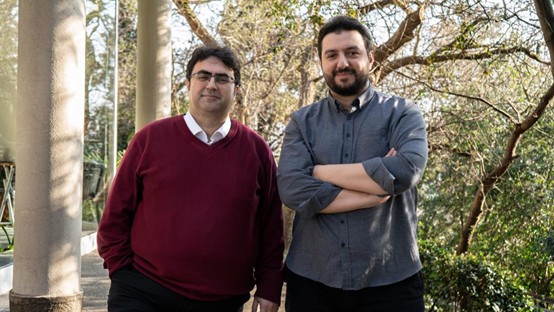
Dr. Hüseyin Oktay Altun, who is leading the project, emphasised that the traditional method of determining costs is lengthy and prone to errors, and that artificial intelligence algorithms will automate and accelerate this process, thereby preventing both time and financial losses. The software will analyse geometric, textual, and visual data from technical drawings using multimodal machine learning algorithms to calculate parameters such as cost estimation, energy consumption, production time, and carbon emissions.
.png)
The project is supported by TÜBİTAK 1711 Artificial Intelligence Ecosystem Call and will last for 18 months. Assoc. Prof. Dr. Şener Özönder from Boğaziçi University stated that the project will strengthen the deep technology and artificial intelligence ecosystem in Turkey and offer artificial intelligence-based solutions across a wide range of sectors, from the public to the private sector.
.png)
Additionally, the software developed through university-industry collaboration will be integrated into Teknorot Otomotiv's ERP system, providing direct support to production processes. This innovation will make cost estimation processes faster, more accurate, and more economical across all sectors that utilise technical drawings, from automotive to aerospace.
Click here to read the full news.
Next-Generation Supercapacitor Research
Led by Boğaziçi University researchers, this research advances high-performance energy storage technologies that are critical for renewable energy integration, grid stability, and electrification pathways
[Read Full Article ▼]
Young Scientist Assoc. Prof. Dr. Müslüm Demir is developing supercapacitor electrodes for future energy storage technologies at Boğaziçi University
Assoc. Prof. Dr. Müslüm Demir, a faculty member of the Department of Chemical Engineering at Boğaziçi University, is developing special electrodes for next-generation supercapacitors that are fast-charging, flexible, and long-lasting as part of a project supported by the TÜBİTAK 2247-D National Young Researchers Programme.
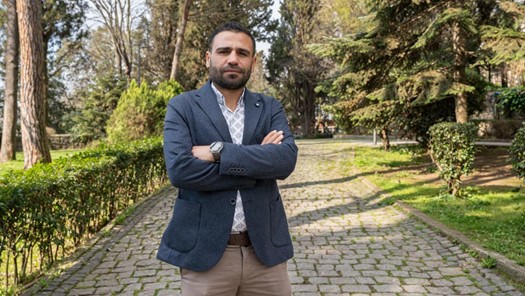
Since 2023, he has been making significant progress in energy storage technologies through his R&D work. Demir attributes his choice of Boğaziçi University to its strong research infrastructure, rich academic network, and long-standing tradition. The project team includes two postdoctoral researchers, three graduate students, and two undergraduate students. While work continues on advanced prototypes during the research process, numerous articles are being published and patent applications are being filed. The supercapacitors being developed form the basis of energy storage systems that will be used in electric vehicles, electronic devices, and renewable energy fields.
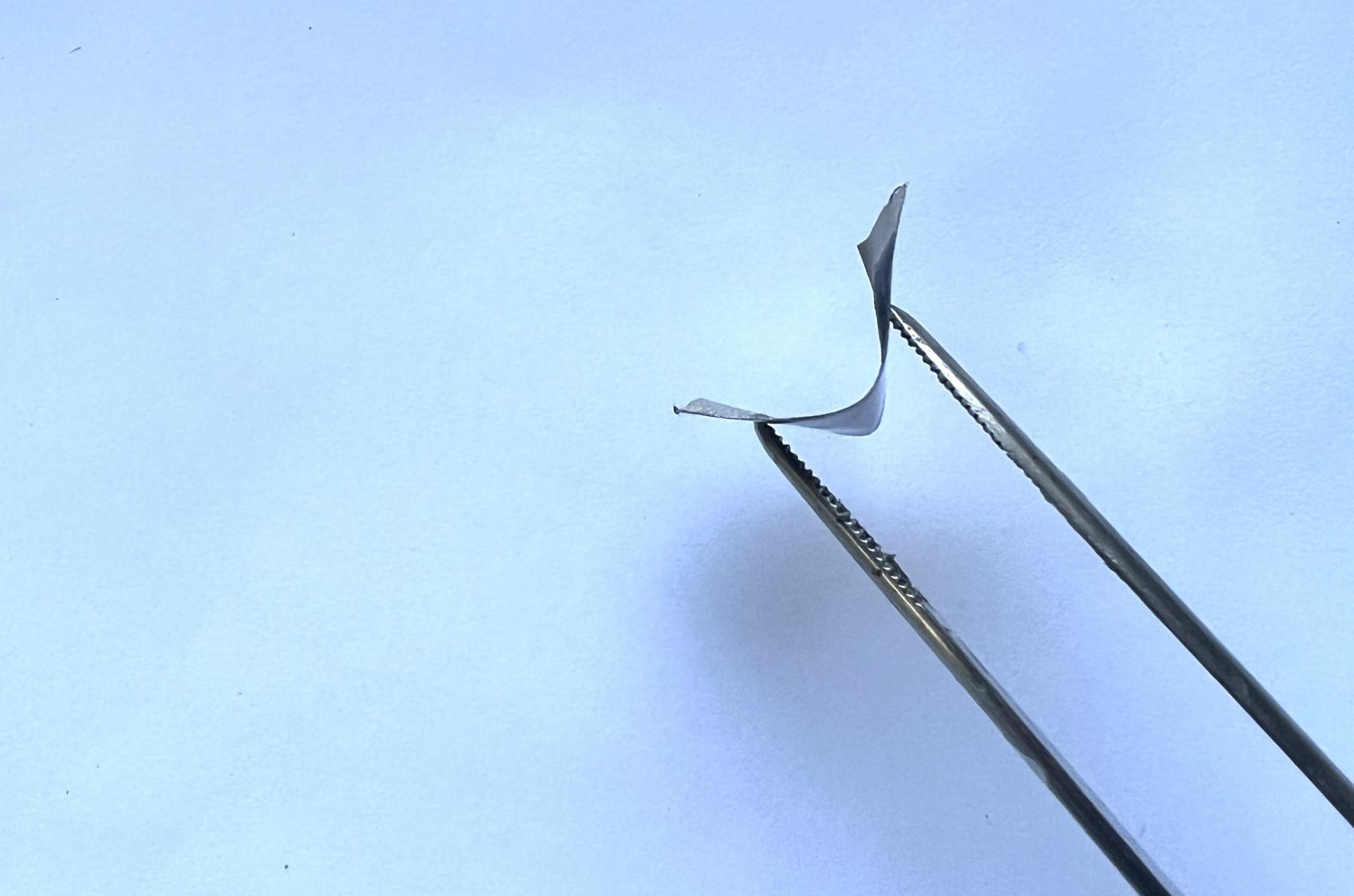
Demir's work has also gained significant international recognition. In 2023, his project was awarded the Best Project Award by a jury of Nobel laureates at the 14th Hope Conference organised by the Japan Science Promotion Society. This achievement continues to motivate Demir and his team.
Click here to read the full news.
