


12.2.5 Policy for minimisation of plastic use
Boğaziçi University's Policies to Reduce Plastic Use
Boğaziçi University Waste Disposal, Landfill and Plastic Use Reduction Policy
.png) BOĞAZİÇİ UNIVERSITY
BOĞAZİÇİ UNIVERSITY  Centre for Sustainable Development and Clean Production
Number: 97372989/304.01/2018/55
Subject: ‘Zero Waste’ practices in buildings
25.04.2019
TO THE BOĞAZİÇİ UNIVERSITY BUILDING ADMINISTRATIONS
Within the scope of the existing “Sustainable Green Campus” programme, Boğaziçi University Rectorate decided in April 2018 to implement “Zero Waste” initiatives at our University, under the authority of the Waste Management Department of the General Directorate of Environmental Management, Ministry of Environment and Urbanisation.
In this regard, we are implementing the work plan we developed in accordance with the Waste Management Regulation (R.G., No: 29314, 2 April 2015) and the Packaging Waste Control Regulation (Official Gazette, No: 30283, 27 December 2017), which cover the ‘Zero Waste’ approach. The ‘Zero Waste Regulation’, currently in draft form, will soon be implemented in its final form by the Ministry of Environment and Urbanisation.
For this project, the aim is to separately collect waste at its source in ‘priority’ campuses and buildings, keep records, and send it to the ‘Temporary Waste Storage Area’ that has been completed at the South Campus Car Park, where all recyclable/recoverable waste will be temporarily stored separately. Any issues encountered during implementation will be evaluated with our university stakeholders and appropriate adjustments will be proposed to the Rectorate to enhance the efficiency of our efforts. Under these conditions, the target is to achieve full operational efficiency by June 2019.
The buildings located in our university's South, North, Hisar, Uçaksavar, Kandilli and Kilyos Campuses have been evaluated in terms of functionality, applicability, diversity and maximum yield, and the campuses and buildings specified in Annex 1 have been determined as ‘priority’ for this application.
From separately collected recyclable/recoverable waste at source;
- Metal, paper, glass and plastic waste will be registered and delivered for recycling/recovery to organisations authorised by the General Directorate of Environmental Management of the Ministry of Environment and Urbanisation of the Republic of Turkey. On the other hand, depending on the availability of the existing “Temporary Waste Storage Area” at our University, the waste defined above, which is collected separately at source, will be delivered to commercial enterprises with which our University cooperates within the scope of protocols and contracts, with records kept, and will be tracked to the final disposal points.
- Electrical and electronic equipment that is discarded and considered waste shall first be separated into two distinct categories: a) fixed assets, b) non-fixed assets; non-fixed assets shall be managed in accordance with the Waste Electrical and Regulation on the Control of Electrical and Electronic Equipment (R.G., No: 28300, 22 May 2012) to organisations authorised by the General Directorate of Environmental Management of the Ministry of Environment and Urbanisation of the Republic of Turkey for evaluation in the recycling/recovery process. Whether or not the items are fixed assets is one of the primary considerations during the delivery phase to authorised organisations.
- Waste toner cartridges shall be sent for recovery to organisations authorised by the General Directorate of Environmental Management of the Ministry of Environment and Urbanisation of the Republic of Turkey in accordance with the Regulation on the Control of Waste Electrical and Electronic Equipment (Official Gazette, No: 28300, 22 May 2012).
- Waste batteries will be delivered to an organisation authorised by the General Directorate of Environmental Management of the Ministry of Environment and Urbanisation of the Republic of Turkey for evaluation in the recovery process, in accordance with the Regulation on the Control of Waste Batteries and Accumulators (R.G., No: 25569, 31 August 2004).
- Hazardous waste will be classified in accordance with the Hazardous Waste Control Regulation (Official Gazette, No: 25755, 14 March 2005), stored in a temporary waste storage area with records kept, and delivered to an organisation authorised by the General Directorate of Environmental Management of the Ministry of Environment and Urbanisation for recovery/final disposal.
- Waste frying oils generated in canteens and cafeterias shall be delivered for recovery from ‘waste oil collection points’ to an organisation authorised by the General Directorate of Environmental Management of the Ministry of Environment and Urbanisation of the Republic of Turkey, in accordance with the Regulation on the Control of Vegetable Waste Oils (Official Gazette, No: 29378, 6 June 2015).
- In kitchens, canteens and cafeterias where food is produced, food scraps will be collected separately from toothpicks and napkins and delivered in cooperation with animal shelters.
- Organic waste suitable for composting, such as fruit and vegetable peels, eggshells, and tea leaves, will be composted at the ‘Boğaziçi University Compost Facility’ located in the South Campus Car Park and used as a soil conditioner on our campuses.
All non-recyclable waste and, where necessary, glass waste will be delivered to the Beşiktaş and Sarıyer Municipalities. These practices will minimise the amount of solid waste disposed of in regular landfills and increase recycling.
Within the scope of ‘Zero Waste’ practices,
In priority designated pilot buildings,
At points where university members have easy access and excess waste;
1) Six-part solid waste separation sets
- Plastic (water bottles, yoghurt pots, ayran pots, carrier bags)
- Glass (food containers, bottles, jars, glasses)
- Metal (drink cans, tin cans, staples and paper clips, aluminium foil)
- Paper (writing and drawing paper, newspapers and magazines, cardboard boxes, paper towels)
- Organic Waste (fruit peel, tea leaves, vegetable scraps, eggshells)
- Non-Recyclable Waste (wet wipes, cigarette butts, chewing gum, porcelain plates, rubbish) labels
2) Tea leaves collection bins for tea rooms/kitchens
3) Waste battery bins
have been deemed appropriate for placement and labelling.
Additionally, in the following locations:
In cafes/cafeterias with food production and cafeteria-type buildings,
- Containers for vegetable waste oil (used frying oil)
- Containers for food scraps (all types of cooked food scraps)
- Containers for bread scraps (all types of bread and flour product scraps)
- Tea leaves (in the kitchen) filtered bins have been deemed appropriate to be placed and labelled in the specified buildings.
Posters/labels have been printed to inform university members about the ‘Zero Waste’ practices and raise awareness, and they are being distributed to supervisors at Hisar Campus.
Within the scope of the ‘Zero Waste’ application, the labels used and images of waste types are in Appendix 2, and the sample set of six images to be used in buildings is in Appendix 3. The posters to be hung in buildings related to the subject are presented in Appendix 4.
Within the framework of the ‘Zero Waste’ application, there is a very serious problem with the blue recycling bins placed for separate collection at source, as there are insufficient quantities as of July 2018, and the applications cannot be implemented. For this reason, it is very important to protect the ‘blue recycling bins’ in use and to provide support in obtaining the existing bins in storage. It is expected that building managers will cooperate in a solution-oriented manner regarding this issue.
The separately collected recyclable/recoverable waste and a quantity of organic waste to be composted, as defined above, must be transported to the completed ‘Bosphorus University Intermediate Waste Storage Area’ and the ‘Bosphorus University Compost Facility’ in accordance with the relevant regulations of the Turkish Ministry of Environment and Urbanisation, as follows:
1. Transport
2. Temporary/short-term storage
3. Delivery at specified intervals to organisations authorised by the General Directorate of Environmental Management of the Ministry of Environment and Urbanisation of the Republic of Turkey, with records kept
4. Information will be provided regarding management in the context of compost production and use.
Our composting facility has been commissioned, and training has been provided to 16 administrative staff members who are expected to implement and actively participate in the programme. All personnel involved in collecting organic waste (tea waste, fruit peels, vegetable scraps, eggshell waste) subject to composting will benefit from this training, which will continue periodically.
As Boğaziçi University, we aim to set an example through the planning, organisation, awareness-raising, academic and technical work, standardisation, and certification practices we implement at our university, and to contribute to national-level applications with our success stories.
Within the scope of the practices summarised above, it is a priority for building managers to distribute the information letter to their entire team.
As the building manager responsible for the management of your building, it is necessary to inform the administrative staff identified as responsible for “Zero Waste” (only for recyclable waste, excluding laboratory and medical waste) in your building, as well as your support staff responsible for waste collection, removal, organisation of waste collection bins, and keeping waste collection areas clean, about this letter. Building managers are expected to forward this information letter to the CAFETERIA/CANTEEN/DINING HALL, PRINTING HOUSE, ART, FILM SCREENING EVENT, and HOSTEL located in the buildings for which they are responsible.
Within the framework of the ‘Zero Waste’ practices summarised above, it is necessary to exercise the required diligence in carrying out the relevant work in your establishments and to ensure that the relevant personnel follow up on their tasks.
As also summarised above, given the current shortage of blue-lidded bins used for recycling within buildings, it is necessary to use these bins efficiently by collaborating between buildings and floors to find solutions within the scope of available resources.
On the other hand, it is very important to contact the persons listed below regarding the supply of blue bins and the delivery of separately collected waste (primarily paper, plastic and metal) to the ‘Bosphorus University Intermediate Waste Storage Area’. The application regarding glass bottles will be clarified after a certain period of time.
Yours sincerely,
Prof. Dr. Nilgün Cılız
Green Campus Coordinator
ANNEX 2: Waste Label Information for Use in Canteens/Cafeterias and Buildings
BOĞAZİÇİ UNIVERSITY
WASTE LABELS USED IN BUILDINGS AND CANTEENS
.png)
APPENDIX 3: Example of a 6-bin waste separation system (Hisar Campus Building)
.jpg)
APPENDIX 4: Posters prepared by Boğaziçi University staff
.jpg)
.jpg)
.jpg)
In line with its goal of building a sustainable future, Boğaziçi University implements various policies to minimize the use of plastics. Our university has taken a pioneering role in this field by preparing a comprehensive report addressing the plastic waste problem in Turkey. This report not only presents current data, but also proposes practical and feasible solutions to the plastic waste problem.
In accordance with the Zero Waste Regulation (OG: 12.07.2019-30829) and Waste Management Regulation (OG: 02.04.2015-29314), 6-sorting systems for paper, plastic, glass, metal, organic and non-recyclable waste have been developed in most buildings of our university. In addition, a 3-sorting system and waste battery collection practices have also been implemented in certain buildings. In this context, wastes on our campuses are regularly collected, stored in temporary storage areas and delivered to authorized institutions for recycling.
Electrical and electronic waste is also separated and recycled in accordance with the Regulation on the Management of Waste Electrical and Electronic Equipment (OG: 26.12.2022-32055). Toner waste is processed in accordance with the Waste Management Regulation(OG: 02.04.2015-29314).
Waste frying oils accumulated in dining halls and canteens are recycled in accordance with the Regulation on the Control of Vegetable Waste Oils (OG: 06.06.2015-29378). In addition, food waste is sent to animal shelters, and organic waste suitable for composting is processed at Boğaziçi University Compost Facility and used on our campuses.
Our university is an active part of the “Zero Waste” project initiated by the Ministry of Environment, Urbanization and Climate Change. Medical waste generated in the infirmary and research laboratories of our university is collected in accordance with the Regulation on the Control of Medical Waste (RG: 25.01.2017-29959) and regularly removed by İSTAÇ's medical waste vehicles.
You can find more information about the steps taken by Boğaziçi University in line with its sustainability goals and minimizing the use of plastic from the links below:
Related Studies:
https://yesilkampus.bogazici.edu.tr/tr/content/sifir-atik
https://sdcpc.bogazici.edu.tr/tr/news-06.asp
https://haberler.bogazici.edu.tr/tr/news/kampus/2/bogazici-universitesinde-sifir-atik-seferberl/1450
https://kakad.bogazici.edu.tr/tr
.png)
Boğaziçi University South Campus Zero Waste Certificate (Dated 2024)
.png)
Boğaziçi University Hisar Campus Zero Waste Certificate (Dated 2024)
.png)
Boğaziçi University North Campus Zero Waste Certificate (Dated 2024)
(1).png)
Boğaziçi University Uçaksavar Campus Zero Waste Certificate (Dated 2024)
Complementary Research and Innovation on Plastic Waste Valorisation
In addition to its institutional efforts to minimise plastic use and manage waste responsibly, Boğaziçi University contributes to research and innovation addressing plastic waste valorisation. In 2025, the project titled “Intelligent Microbial Platform for Plastic Valorisation via AI-guided Synthetic Biology” (Val-PLAS) received support under the Marie Skłodowska-Curie Actions Postdoctoral Fellowships (MSCA-PF) scheme, implemented within the European Union’s Horizon Europe Programme. The project will be led by Dr. Koray Malcı, a faculty member in Boğaziçi University’s Department of Molecular Biology and Genetics, under the supervision of Assoc. Prof. Ulaş Tezel from the Institute of Environmental Sciences.
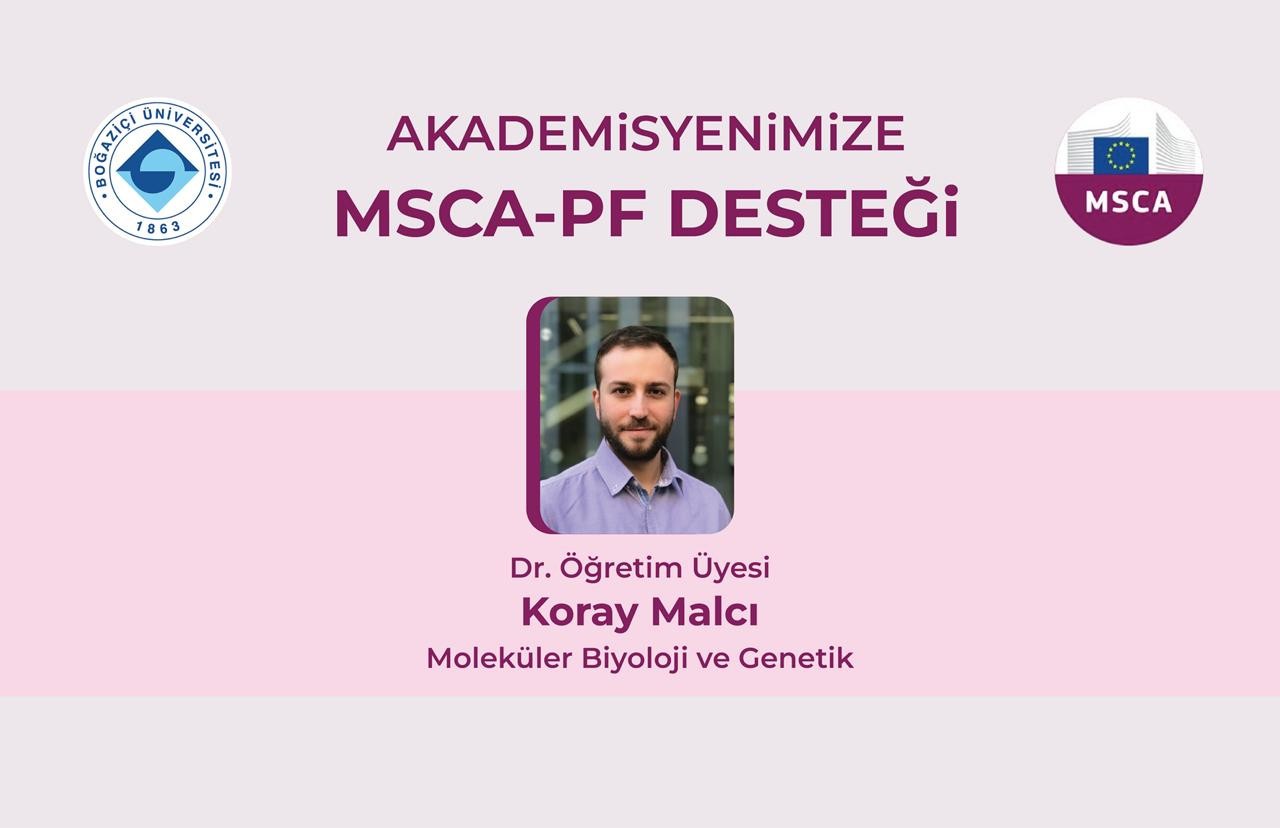
The Val-PLAS project focuses on developing intelligent microbial platforms and AI-guided synthetic biology approaches to valorise plastic waste. By exploring innovative biological and computational methods to convert plastic waste into useful products, the project supports broader scientific efforts to address plastic pollution, improve resource efficiency, and advance circular economy-oriented solutions. In this context, the project further demonstrates Boğaziçi University’s research capacity in developing advanced, interdisciplinary solutions for plastic waste management and sustainable material use.
The full news article is available here.
2024 Sustainability Report SDG-12 (Related Section)
Reduction of Plastic and Disposable Products Policy
Boğaziçi University follows a comprehensive policy and carries out various practices to reduce plastic and disposable products in line with its sustainable campus goals. Our university takes innovative steps within the framework of the ‘Zero Waste’ movement in order to reduce plastic consumption and encourage environmentally friendly alternatives, and supports these policies with education, infrastructure, sorting and recycling activities.
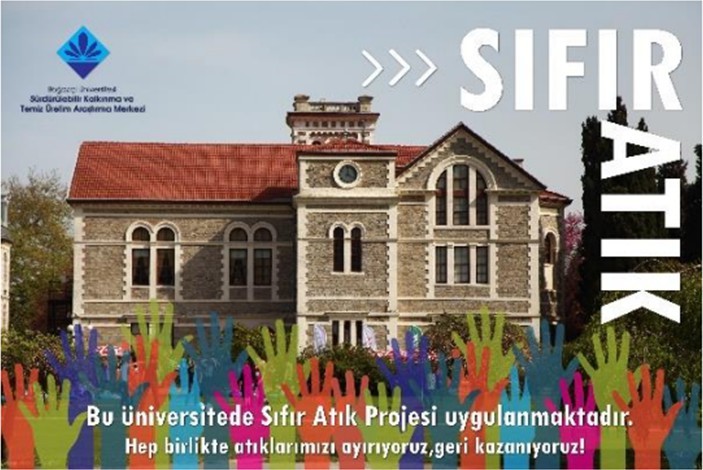
Zero Waste Practices
Boğaziçi University supports the ‘Zero Waste’ movement, initiated by the Ministry of Environment, Urbanisation and Climate Change and covering the whole of Turkey, on all campuses. According to the ‘Zero Waste’ certificate scoring criteria, certificate levels are determined by the Ministry according to the rate of reduction in the amount of waste going to disposal. In accordance with Annex 4 ofthe Zero Waste Regulation (OG: 12.07.2019-30829), this ratio must be at least 15% in order to apply for a qualified certificate. This regulation encourages the reduction of plastic and disposable product waste in line with ‘Zero Waste’ targets.
Zero Waste Regulation:
https://www.mevzuat.gov.tr/mevzuat?MevzuatNo=32659&MevzuatTur=7&MevzuatTertip=5
Click here to read related news:
https://haberler.bogazici.edu.tr/tr/news/kampus/2/bogazici-universitesinde-sifir-atik-seferberl/1450
https://sdcpc.bogazici.edu.tr/tr/news-06.asp
.png)
Separation and Recovery at Source
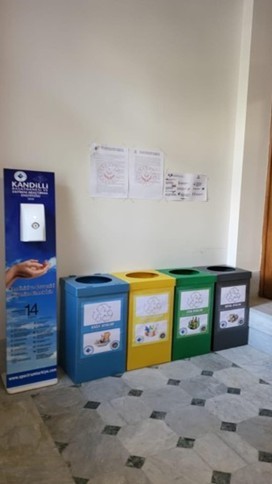
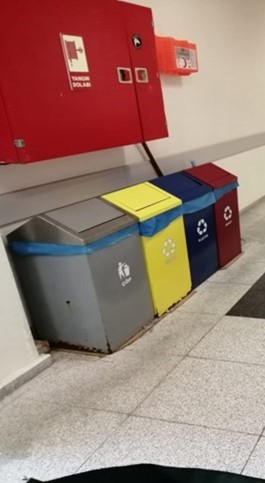
At Boğaziçi University, within the scope of the zero waste management system, recyclable paper, glass, metal and plastic wastes are separated at source separately from other wastes and collected in solid waste separation sets. The waste collected in this way is transported to temporary storage areas on campuses and delivered to licensed facilities for recycling. This practice ensures effective separation of wastes and contributes to the recycling of plastic wastes and recyclable disposable product wastes without mixing with nature.
Boğaziçi University Waste Management Policy:
Drinking Water Fountains and Fountains
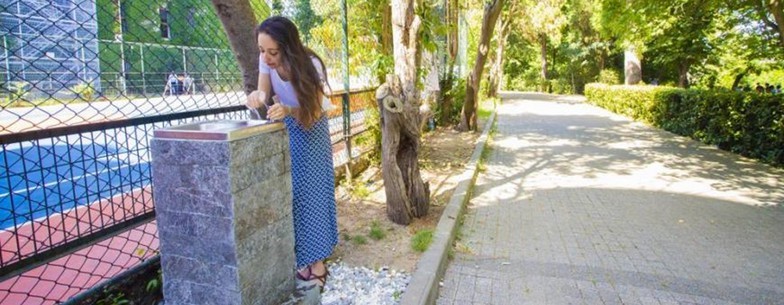
Free drinking water fountains and water dispensers connected to the central treatment system have been installed in open and closed areas on Boğaziçi University campuses. The fountains are located at strategic points so that campus residents can easily access water. This practice contributes to the reduction of single-use plastic bottle waste by encouraging students to use thermos and glass bottles.
Click here to read the related news:
https://haberler.bogazici.edu.tr/tr/news/kampus/2/hijyenik-cesmeler-kampuslere-yerlesti/1718
Training and Awareness Raising Activities
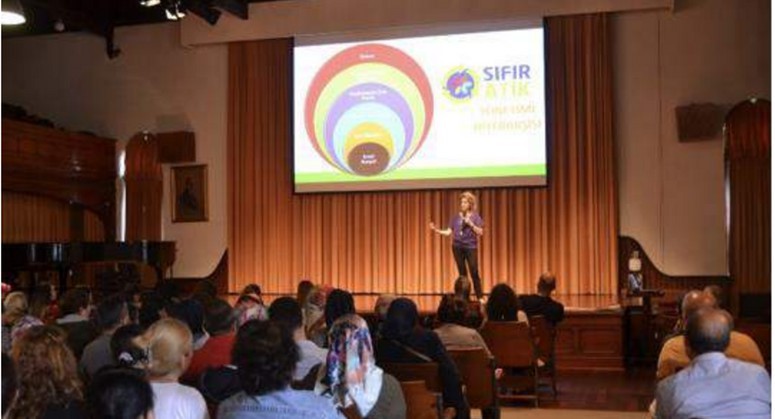
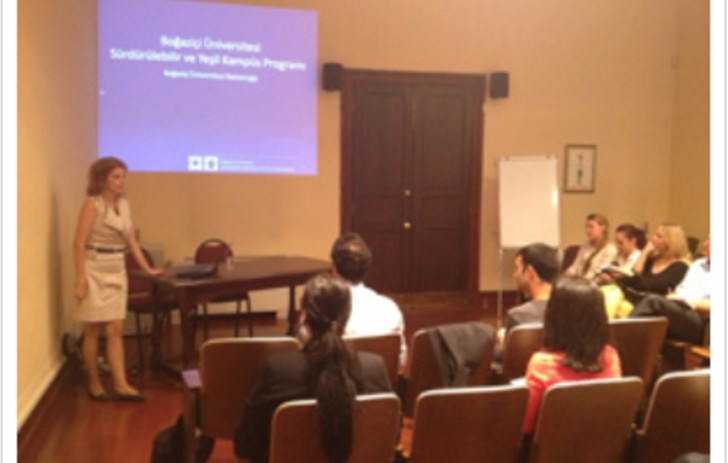
Within the scope of Zero Waste activities, which were decided to be implemented by the Boğaziçi University Rectorate as of April 2018, various training and awareness-raising activities are carried out by the Sustainable Green Campus Practices Commission. In this context, ‘Zero Waste’ trainings are provided for administrative staff and students, and informative meetings are organised with businesses such as canteens and stationery stores on the collection of recyclable waste. These activities raise awareness of sustainability on campus and support the reduction of plastic waste and disposable product waste.
Click here to visit the related Green Campus page:
Training and Awareness Raising Activities
BOĞAZİÇİ ÜNİVERSİTESİ
ATIK YÖNETİMİ YÖNERGESİ
BÖLÜM BİR
Amaç, Kapsam, Dayanak ve Tanımlar
Amaç
Madde 1. Bu Yönergenin amacı, sorumluluk kapsamındaki eğitim, öğretim, araştırma, üretim ve hizmet faaliyetleri sonucunda oluşan atıkların kaynağında ayrı toplanması, güvenli geçici depolanması, taşınması ve nihai bertarafına ilişkin esasları düzenlemektir.
Kapsam
Madde 2. Bu Yönerge, başta kimyasallar olmak üzere tıbbi, biyolojik ve radyoaktif atıkların üretiminden, daha sonra eğitim-öğretim/üretim, hizmet birimleri ve araştırma laboratuvarlarında oluşan atıklardan, ofis atıklarına, elektrikli ve elektronik atıkların bertarafına kadar olan tüm süreçlerde; bu yönerge, aşağıda belirtilen konulara ilişkin hukuki, idari ve teknik ilkeleri, bu temeller doğrultusunda politika ve programların geliştirilmesine ilişkin esasları ve düzenlemeleri ve bunların uygulanmasına ilişkin hükümleri kapsar:
a)Atıkların tanımlanması, uygun bertaraf yöntemleri, uygun depolama yöntemleri ve atık oluşumunun en aza indirilmesi konusunda atık üretenlerin farkındalığı ve sorumluluklarının yerine getirilmesi
b)Atıkların doğrudan veya dolaylı olarak alıcı ortama deşarjının önlenmesi, atıkların insan sağlığına ve çevreye zarar vermeyecek şekilde kaynağında ayrı toplanması, üniversite içerisinde güvenli ve fonksiyonel taşınması, geçici depolanması ve üniversite dışına güvenli bir şekilde taşınarak bertarafının sağlanması
Dayanak
Madde 3. İşbu Yönerge 2872 sayılı Çevre Kanunu, 20/04/2015 tarih ve 29314 sayılı Resmi Gazete’de yayımlanarak yürürlüğe giren ‘Atık Yönetimi Yönetmeliği’, 12 Temmuz 2019 Cuma tarih ve 30829 sayılı Resmi Gazete’de yayımlanarak yürürlüğe giren ‘Sıfır Atık Yönetmeliği’ hükümleri dayanak alınarak hazırlanmıştır.
Tanımlar
Madde 4. Bu Yönergede geçen aşağıdaki ifadeler, aşağıdaki tanımları ifade etmektedir:
a)Bakanlık: Çevre, Şehircilik ve İklim Değişikliği Bakanlığı’nı,
b)Üniversite: Boğaziçi Üniversitesi’ni;
c)Birimler: Fakülte, Enstitü, Araştırma ve Uygulama Merkezleri ile Üniversitenin diğer birimlerini,
d)Birim Sorumlusu: "c" bendinde belirtilen birimlerin idari yöneticisini;
e)Birim Atık Yönetimi Komisyonu:
Birim alt komitelerinin temsilcilerinden oluşan komisyonu;
f)Atıklar: Başta kimyasallar olmak üzere tıbbi, biyolojik ve radyoaktif atıklar ile eğitim- öğretim/üretim, hizmet birimleri ve araştırma laboratuvarlarında oluşan atıklar, ofis atıkları ve elektronik atıkları,
g)Atık Üreticileri: Birimlerde eğitim, öğretim, araştırma, üretim ve hizmet faaliyetlerinde görev alan personeli, öğrencileri, taşeronları ve ziyaretçileri,
ifade eder.
İKİNCİ BÖLÜM
Genel Esaslar, Yönetim Birimleri, Görev ve Yükümlülükler
Genel İlkeler
Madde 5. Üniversitenin sorumluluk ve yetki alanına giren alanlarda oluşan atıklar aşağıdaki ilkelere uygun olarak yönetilir:
a)Atıkların toplanması ve bertarafında 2872 sayılı Çevre Kanunu ve ilgili Yönetmelik hükümlerine uyulması esastır;
b)Zorunlu olmadıkça atık oluşumunun önlenmesi ve sıfır atık esastır;
c)Atık yönetiminin, atıkların insan sağlığına ve çevreye zararlı etkilerini en aza indirecek şekilde uygulanması esastır.
Uygulama İlkeleri
Madde 6. Atık Yönetimi, Boğaziçi Üniversitesi Atık Yönetimi Komisyonu koordinasyonunda yürütülür. İlgili çalışmalar Rektörlük/Dekanlık/Müdürlük tarafından görevlendirilecek personel tarafından yürütülür.
Yönetim Birimleri
Madde 7. Yönetim Birimleri:
a)Atık Yönetimi Komisyonu: Rektör tarafından görevlendirilen öğretim üyeleri ile Yapı İşleri ve Teknik Daire Başkanı, İdari ve Mali İşler Daire Başkanı ve Genel Sekreter Yardımcısından oluşur. Komisyon üyelerinin görev süresi üç (3) yıldır. Komisyon üyesi, görev süresinin bitiminden önce Rektör tarafından yeniden görevlendirilebilir veya görevden alınabilir.
b)Atık Yönetimi Komisyonu Başkanı: Atık Yönetimi Komisyonu üyeleri arasından Rektör tarafından görevlendirilen bir Öğretim Üyesi,
c)Birim Komisyonları: 4 (c) maddesinde belirtilen birimler bünyesinde oluşturulan Atık Yönetim Komisyonlarında görev yapan birim amiri ve yardımcılarından oluşan komisyonları; Fakülte//Enstitü/Yüksekokul Sekreteri, UYGAR Merkez Yöneticileri ve Birim Bina Sorumluları komisyonların asıl üyesi olup; diğer üyeler Birim ihtiyaç/kapasitesine göre Birim amiri tarafından belirlenir;
d)Birim Sorumluları: Madde 4(c)'de belirtilen birimlerin Atık Yönetim Komisyonu başkanları/yöneticilerini;
e)Birim Alt Komisyonları: 4 (e) maddesinde belirtilen alt birimler bünyesinde belirlenen alt birim sorumlularından oluşan Atık Yönetim komisyonlarını;
f)Alt Birim Sorumluları: Madde 4(e)'de belirtilen birimlerin Atık Yönetim Komisyonu başkanları/yöneticilerini;
g)Atık Sorumluları: İlgili birim veya alt birimdeki öğrenci laboratuvarları, araştırma laboratuvarları, diğer laboratuvarlar ve işletmelerin atık sorumlusu olarak 4 üncü maddenin (d) bendinde belirtilen yöneticiler tarafından atanan kişileri,
Sorumluluklar, Görevler ve Yükümlülükler Atık Yönetimi Komisyonu
Madde 8. Atık Yönetimi Komisyonu, birimlerin çalışmalarının eşgüdüm içinde yürütülmesinden ve atık üretilen yerlerde ayrı toplama, güvenli geçici depolama ile ilgili tüm süreçlerde Yönetmelik ve Yönergenin doğru ve etkin bir şekilde uygulanmasından sorumludur. Boğaziçi Üniversitesi Rektörlüğü’nün sorumluluk ve yetkisi dahilinde eğitim, öğretim, araştırma, üretim ve hizmet faaliyetleri sonucunda oluşan atıkların taşınması ve nihai bertarafından sorumludur. Komisyon bu sorumluluğunu Rektörlükten aldığı yetkiyle yerine getirir. Komisyonun görev ve sorumlulukları aşağıda belirtilmiştir.
a)Yönergenin uygulanmasında karşılaşılan zorlukları tespit etmek, bu zorlukları aşmaya yönelik çözüm önerileri sunmak, üretmek ve bu Yönergenin Uygulama Esaslarını belirlemek;
b)3 üncü maddede belirtilen mevzuatta değişiklik olması durumunda veya gerekli görülen diğer durumlarda Yönergeyi gözden geçirmek ve güncellemek;
c)Birimlerin kendi Atık Yönetim Planlarını hazırlamasını sağlamak ve bu planların güncellenmesini takip etmek;
d)Birimler düzeyinde eğitim ve bilgilendirme toplantıları düzenlemek;
e)Gerektiğinde atık ve atık yönetimi konusunda Üniversite üst yönetimine ve Birimlerine bilgi, teknik destek ve danışmanlık hizmeti vermek;
f)Birimlerin denetimi;
g)İlgili kanun ve mevzuattaki değişiklikleri izlemek ve uygulamak.
Atık Yönetimi Komisyonu Başkanı
Madde 9. Atık Yönetimi Komisyonu Başkanı aşağıdaki hususlardan sorumludur:
a)Atık Yönetimi Komisyonu’nu temsil etmek;
b)Atık Yönetimi Komisyonu’nun çalışmalarını düzenlemek;
c)Atık Komisyonu birim amirlerinin toplantıya davet edilmesi;
d)Atık Yönetimi sürecinde yer alan tüm birim, komisyon ve idari personelin düzenli ve etkin çalışması için gerekli koordinasyonu sağlamak.
Birim Atık Yönetim Komisyonları
Madde 10. Birim Atık Yönetim Komisyonları aşağıdaki hususlardan sorumludur:
a)Atık Yönetimi Yönergesinin işlevsel olarak uygulanması;
b)Atık Yönetim Planlarının Hazırlanması;
c)Atık Yönetimi ile ilgili ihtiyaçların belirlenmesi;
d)Atık kayıtlarını ve atık bildirim formlarını alt birimlerden toplamak, kaydını tutmak, takip etmek ve Rektörlüğün ilgili birimine düzenli olarak göndermek;
e)Atık Yönetimi Komisyonu ile Birimlerde denetimler ve bilgilendirme toplantıları yapmak.
Birim Sorumluları
Madde 11. Birim Sorumluları aşağıdaki hususlardan sorumludur:
a)Birim ve alt birimlerinde “Atık Yönetimi Yönergesi” esaslarının yerine getirilmesini sağlamak;
b)Birimin alt birimlerinde belirlenen “Atık Sorumlularının” Atık Yönetimi Komisyonuna bildirilmesi;
c)Atıkların Birim bünyesinde Yönergeye uygun olarak toplanmasının ve geçici depoya taşınmasının denetlenmesi;
d)Atıkların araştırma ve üretim ünite/tesislerinde bu Yönerge hükümlerine uygun olarak geçici depolanması durumunda, atıkların güvenli bir şekilde depolanması/depolanmasının sağlanması ve Birim Alt Komisyonlarından sağlanan veriler ile Atık Yönetimi Komisyonuna bilgi verilmesi.
Birim Alt Komisyonları
Madde 12. Birim Alt Komisyonları, Alt Birimlerin atık sorumlularından oluşur ve
a)Alt birime özel Atık Yönetim Planının hazırlanması
b)Alt birimler düzeyinde eğitim ve bilgilendirme toplantıları düzenlemek;
c)Alt birimde üretilen, taşınan ve depolanan atıklara ilişkin her türlü bilgi ve istatistiklerin aylık beyan halinde Birim Komisyonuna sunulması;
d)Alt ünitelerde oluşturulacak geçici atık depolama alanlarındaki atıkların ünitenin merkezi geçici depolama alanına taşınmasının denetimi
Atık Sorumluları
Madde 13. Atık Sorumluları aşağıdaki hususlardan sorumludur:
a)Sorumluluğu altındaki alt birimlerde atık üretme potansiyeli taşıyan faaliyetlerin belirlenmesi ve izlenmesi,
b)Birim ve Alt Birimlerde atık oluşumunu en aza indirmek için gerekli önlemleri almak,
c)Atıkların insan sağlığına ve çevreye zararlı etkilerini ortadan kaldıracak veya en aza indirecek şekilde uygun şekilde paketlenmesini ve etiketlenmesini sağlamak,
d)Atıkların alt birimlerde oluşturulacak Geçici Atık Depolama Alanlarında depolanmasını ve buradan birimin merkezi geçici depolama alanına taşınmasını sağlamak,
e)Alt Birimde üretilen atıkların kayıtlarının tutulması, önce Alt Birimde geçici olarak depolanması, daha sonra birimin merkezi geçici depolama alanına taşınarak depolanması, tüm bilgi ve istatistiklerin Birim Alt Komisyonuna ve Birim Sorumlusuna iletilmesi,
f)Yönergede öngörülen atık yönetimine ilişkin detayların atık toplama tarihleri de dahil olmak üzere kendi alt birimlerinde duyurulması,
g)Alt birimlerde çalışan her bireyin Üniversitenin "Atık Yönetimi" politikası ve Yönergesi hakkında bilgi sahibi olması için gerekli bilgilendirmeleri yapmak;
h)Alt birim bünyesinde gerekli denetimleri yapmak.
Atık Üreticileri
Madde 14. Atık üretenler aşağıdaki hususlardan sorumludur:
a)Kılavuzlara ve uygulama esaslarına uymak;
b)Atık oluşumunun önlenmesi, mümkün değilse atık oluşumunun en aza indirilmesi;
c)Atık içeriğinin geri kazanılması ve mümkün olduğunca tehlike içeriğinin azaltılması/ortadan kaldırılması ve son olarak uygun depolamanın yapılması;
d)Üretilen atıkların kayıtlarının tutulması, uluslararası kabul görmüş standartlara uygun olarak paketlenmesi ve etiketlenmesi;
e)Üretim sahasındaki atıkların depolanmasında iş ve çevre güvenliğinin sağlanması;
f)Atık Beyan Formlarının ilgili mevzuata ve bu Yönergenin Uygulama Esaslarına uygun olarak doldurularak Alt Birim Atık Sorumlusuna iletilmesi.
Atık Yönetim Komisyonu Karar Alma Süreci
Madde 15. Komisyon, üye tam sayısının salt çoğunluğuyla toplanır ve katılan üyelerin salt çoğunluğu ile karar alır.
Komisyon olağan toplantılarını her eğitim-öğretim yılı başında yapar ve gerektiğinde başkanın çağrısı üzerine olağanüstü de toplanabilir. Ayrıca Birim temsilcilerinin katıldığı genişletilmiş toplantılar da düzenleyebilir.
Yürürlük
Madde 16. Bu yönerge Üniversite Yönetim Kurulu tarafından onaylandığı tarihte yürürlüğe girer.
Yürütme
Madde 17. Bu yönerge hükümlerini Rektör yürütür.
