


13.3.4 Inform and support government
Boğaziçi University's Information and Support to Local and Regional Governments on Climate Change Disasters and Risks
Boğaziçi University plays an active role in informing and supporting local and regional governments on early warning and monitoring of climate change-related disasters and risks. Through a number of institutes and centres specialised in this field, our university provides critical information to relevant institutions and carries out collaborative studies.
Kandilli Observatory and Earthquake Research Institute (KOERI), as an important centre in this field, plays an active role in disaster preparedness and early warning systems, including climate change disaster education. KOERI operates Istanbul Earthquake Rapid Response and Early Warning System, through which it shares rapid response information with various local and regional organisations such as IMM-AKOM, Ordu, Governorship and İGDAŞ. KOERI also hosts the Regional Earthquake Tsunami Monitoring Centre, which contributes to disaster monitoring and early warning efforts.
Boğaziçi University is among the institutions participating in the preparation of the Climate Change Mitigation Strategy and Action Plan (2024-2030) published by the Ministry of Environment, Urbanisation and Climate Change. This co-operation is critical for the measures to be taken against climate change at both national and regional level.
Our university also organises events such as ‘Cities for Climate Workshop and Climate Action Plan Training’, bringing together local administrators from different cities of Turkey and informing them about developing solutions against climate change. In these workshops, participating municipalities committed to prepare local climate action plans in line with the objectives of the Paris Climate Agreement.
Following the workshop, ‘Sustainable Cities and Climate Change Online Training Programme’ was organised for local government employees in partnership with Union of Marmara Municipalities, 350 Turkey, Localiz, SDSN Turkey and Boğaziçi University Lifelong Education Centre (BÜYEM). This programme aims to provide training and support to local governments on climate change.
You can find more information about Boğaziçi University's efforts to provide information and support to local and regional governments on climate change disasters and risks from the links below:
- Boğaziçi University Meteorological Laboratory
- Kandilli Observatory and Earthquake Research Institute (KOERI)
- Cities for Climate Workshop
- Climate Change Mitigation Strategy and Action Plan (2024-2030)
Boğaziçi University Kandilli Observatory Director Prof. Dr. Nurcan Meral Özel Highlights Tsunami and Earthquake Risks
Prof. Dr. Nurcan Meral Özel, Director of Boğaziçi University Kandilli Observatory and Earthquake Research Institute, made important statements on the second anniversary of the 6 February 2023 Kahramanmaraş earthquakes. Prof. Dr. Özel stated that a major earthquake was not expected in the Eastern Anatolia Fault Zone for a long time and reported that over 58,000 earthquakes were recorded in Kahramanmaraş and its surroundings.
Emphasising the vital importance of urban transformation in the Marmara Region in preparation for a potential major earthquake, Özel said, ‘Renewing the building stock is essential. We have established 20 new observation stations in the region, comprising meteorology, temperature and seismometer equipment. We are monitoring sea level rise with sea level stations.’
She added that the Kumburgaz Fault in the Marmara Sea is particularly critical, but historical uncertainties prevent accurate predictions. Prof. Dr. Özel also drew attention to earthquake activity in the Aegean Sea and around Santorini Island, stating that 1,513 earthquakes occurred in the region between 31 January and 7 February 2025.
She stated that magma movements and hydrothermal activity in the region could increase the intensity of seismic events. She said that the Santorini and Kolumbo volcanoes are active and that past eruptions have caused tsunamis. She warned that tsunamis up to 1 metre high could occur in the northern Aegean Sea and that wave heights could reach 3 metres in the southern Aegean Sea and its surroundings.
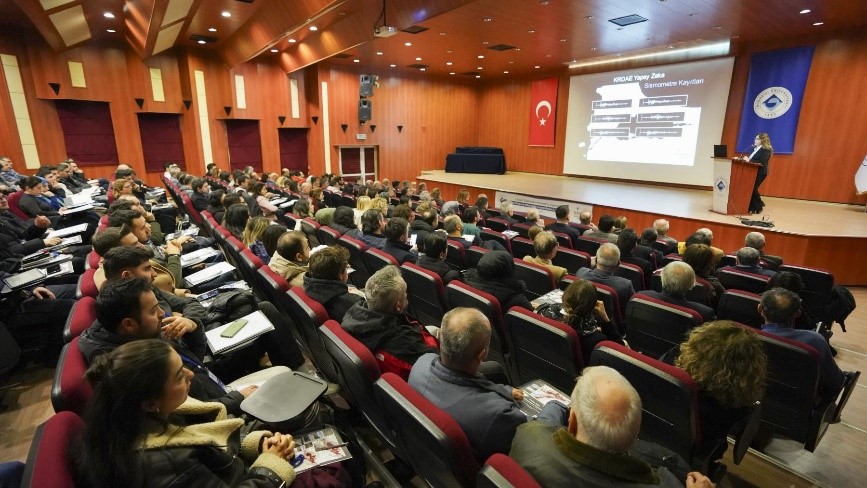
Prof. Dr. Özel also stated that the Kandilli Observatory has been serving as an international Tsunami Warning Centre since 2012, closely monitoring tsunami risks in the Marmara, Black Sea and Aegean regions and informing the public through early warning systems.
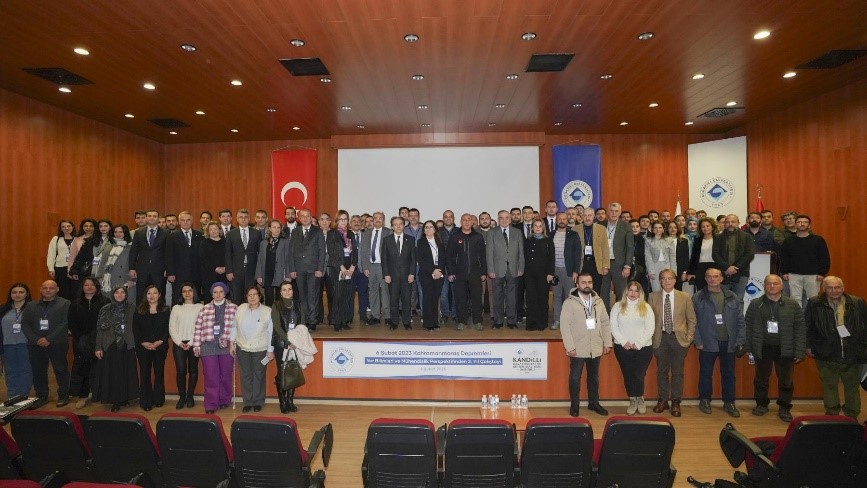
Following the press conference, a workshop titled ‘6 February 2023 Kahramanmaraş Earthquakes: A Two-Year Perspective from the Fields of Earth Sciences and Engineering’ was held, where topics such as building performance, geological studies, and rapid damage assessments were discussed in detail by expert academics.
A Next-Generation Earthquake Early Warning System for Disaster Resilience
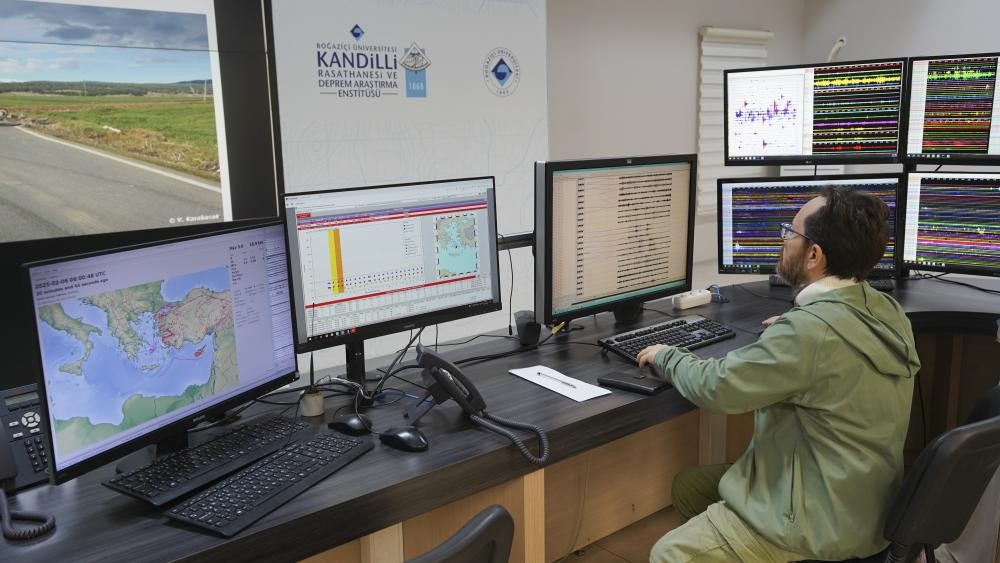
Boğaziçi University’s Kandilli Observatory and Earthquake Research Institute (KOERI) introduced its next-generation test system in November 2025 as part of efforts to strengthen earthquake early warning capacity across the Marmara Region. With 30 new-generation strong-motion stations installed across the region, data-transmission latency has been reduced to 0.2 seconds. Once an initial signal is detected by at least four stations, the system calculates the earthquake’s location and magnitude and generates a warning within 6–9 seconds. During the Mw 5.0 earthquake in the Sea of Marmara on 2 October 2025, the system issued its first warning in 8.4 seconds, demonstrating the performance of the new algorithms under real-world conditions.
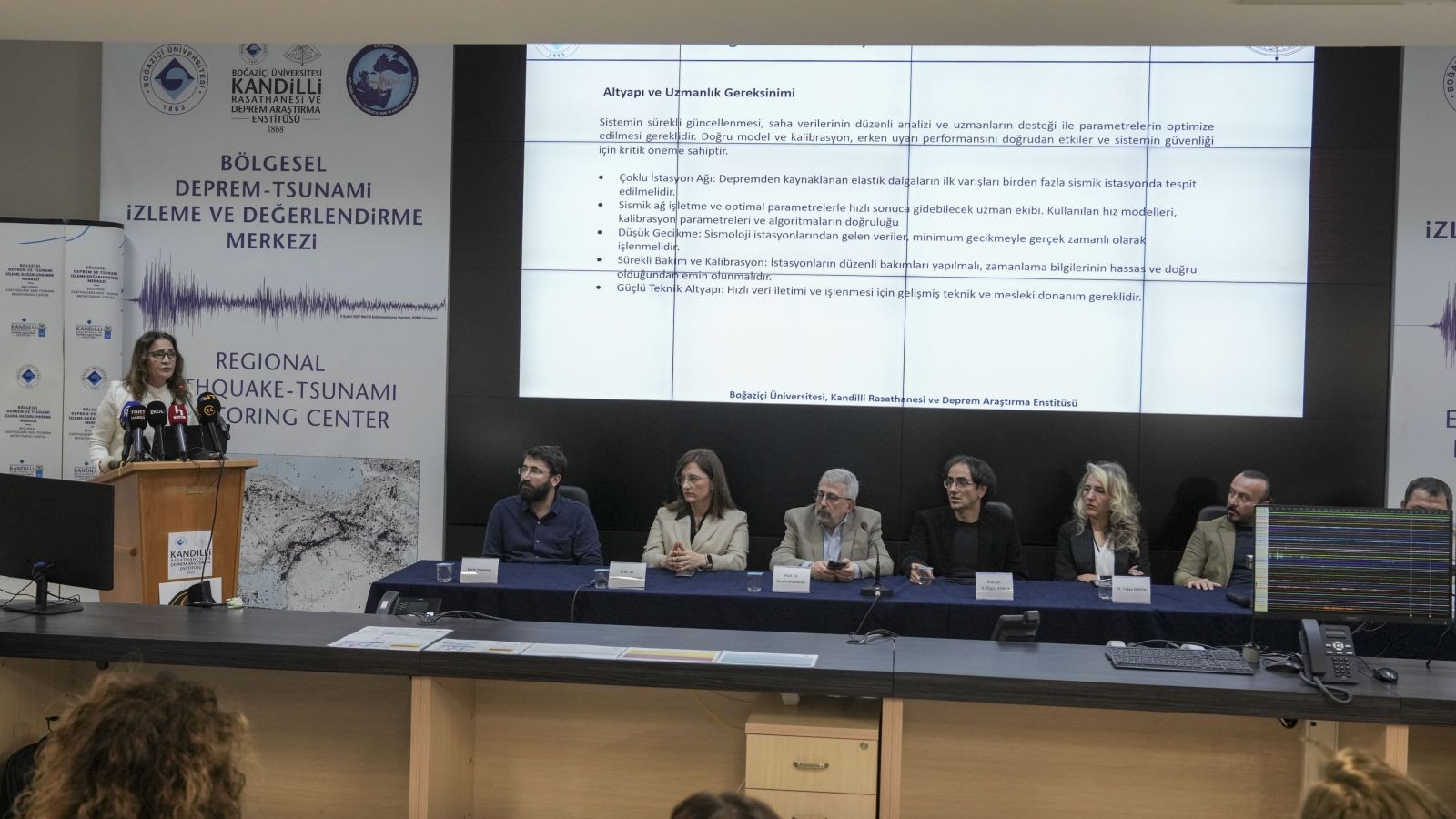
The critical time provided by an early warning enables automatic safety measures such as stopping metro services, closing gas valves and slowing high-speed trains. By installing sensors capable of transmitting real-time data from the seabed of the Sea of Marmara, KOERI aims to reduce warning time to 3–6 seconds and, following further network modernisation, expand the early warning infrastructure nationwide. Istanbul’s existing network of 100 Rapid Response Stations and 10 Early Warning Stations also produces real-time shaking and damage-distribution maps and shares them with critical institutions. Building on over 25 years of early warning expertise, KOERI directly supports public authorities and local governments in disaster risk reduction, improved preparedness and the development of safer and more resilient communities.
The full news article is available here.
Integrating Kandilli’s 115-Year Climate Record into Digital Research Infrastructure
The Boğaziçi University Kandilli Observatory and Earthquake Research Institute (KOERI) Meteorology Laboratory is digitising 115 years of continuous analogue meteorological graph records dating back to 1911 using artificial intelligence. To integrate this invaluable historical climate record into modern research infrastructure, the University hosted a hackathon titled “Preserving Meteorological Scientific Heritage: AI-Assisted Digitisation of Meteorological Graph Records” on 6–7 March 2026, organised in collaboration with the Department of Computer Engineering.
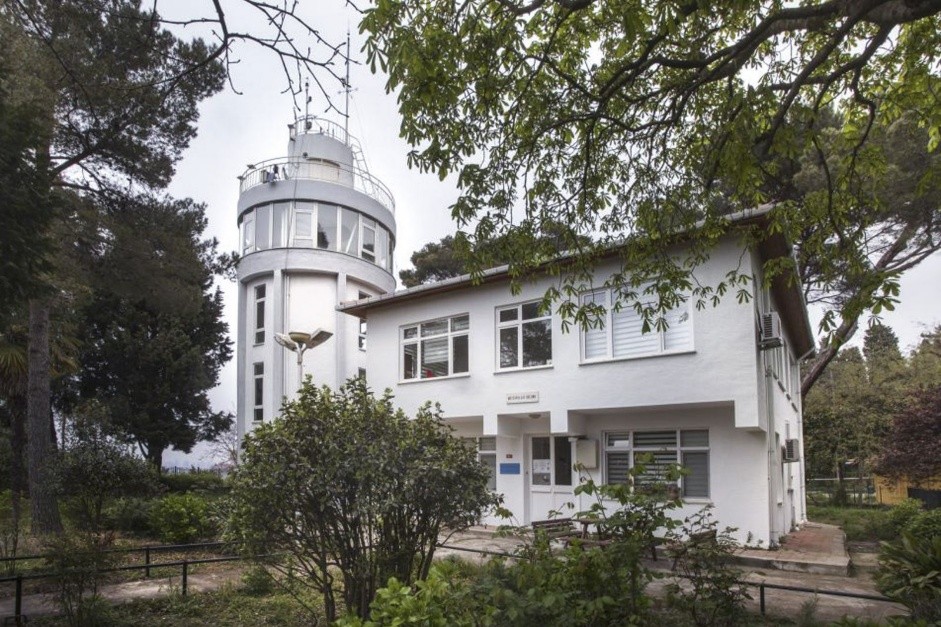
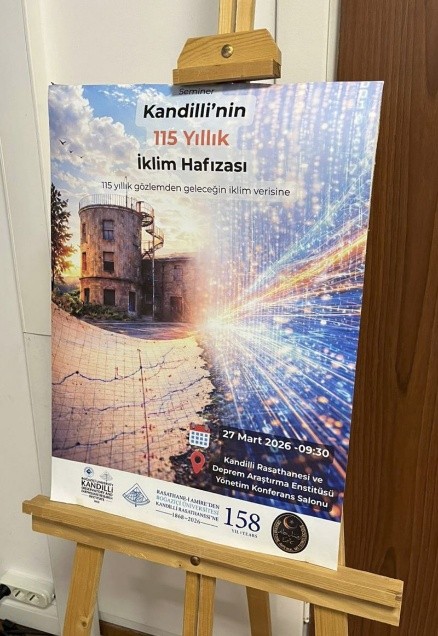
The competition brought together 45 students from four universities to develop projects in the categories of digitisation, data visualisation, and forecasting, and to present them to a jury of academic and technical experts. The successful teams earned the opportunity to present their projects at the workshop “Kandilli’s 115-Year Climate Record” on 27 March 2026. By preserving historical meteorological records and improving their accessibility and analytical value, the project contributes to long-term climate research, more effective use of climate data, and capacity-building among young researchers in data-driven climate studies.
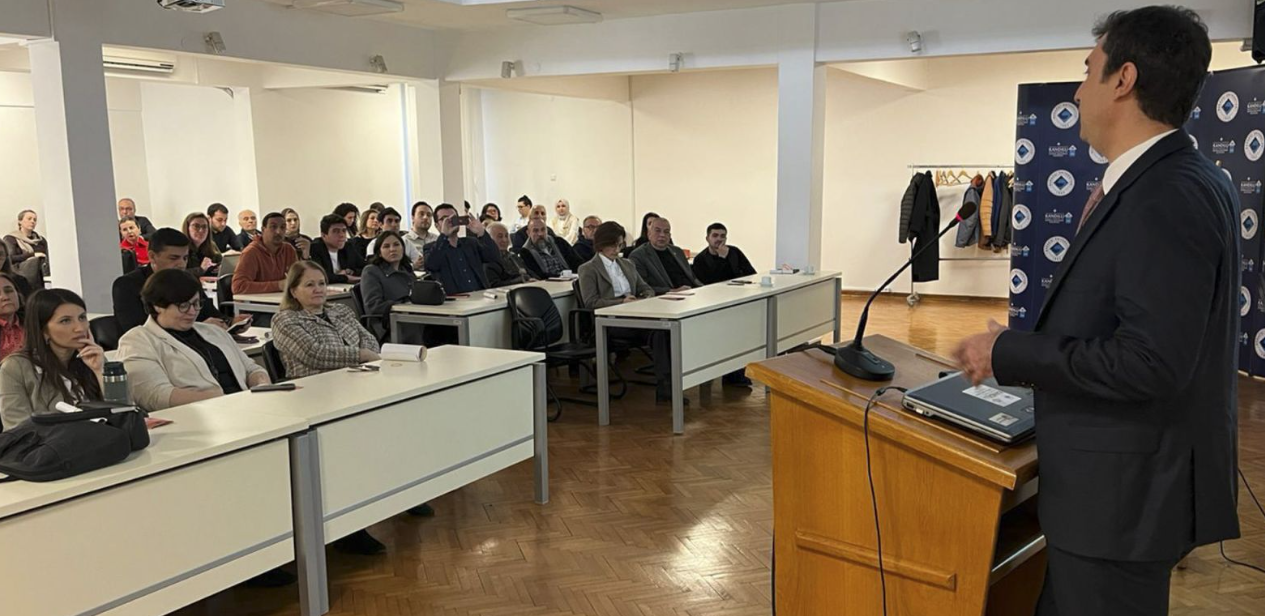
The full news article is available here.
UK–Türkiye Collaboration on Microalgae Biotechnology and Climate Action
Boğaziçi University’s Istanbul Microalgae Biotechnologies Research and Development Unit (İMBİYOTAB) hosted a high-level UK delegation—including UK Climate Envoy Ruth Davis OBE and UK Trade Commissioner for Eastern Europe and Central Asia and Consul General in Istanbul David Reed MBE—at the Sarıtepe Campus on May 6, 2026. Guided by Assoc. Prof. Dr. Berat Haznedaroğlu, Director of İMBİYOTAB and faculty member at the Institute of Environmental Sciences, the visit focused on algae-based bioprocesses, carbon capture and utilisation (CCU) technologies, sustainable bioeconomy, and circular economy applications.
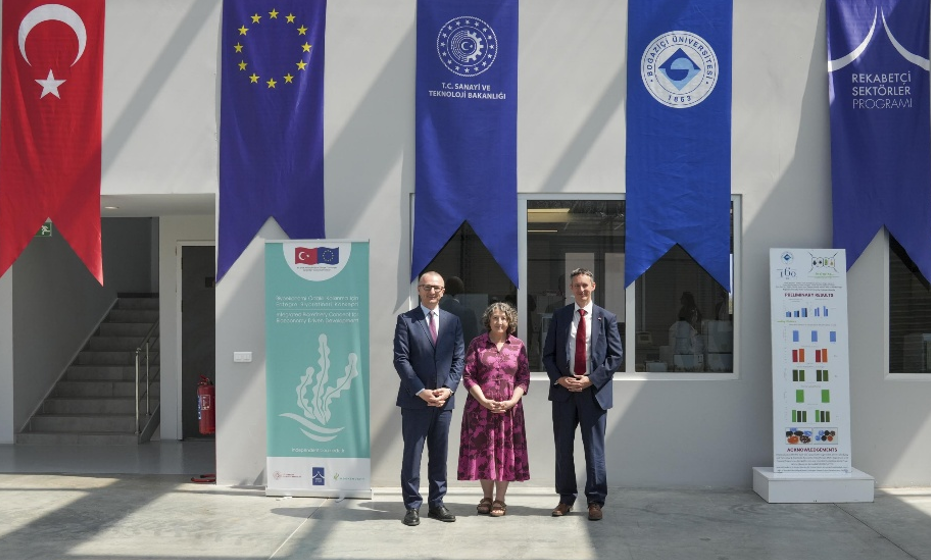
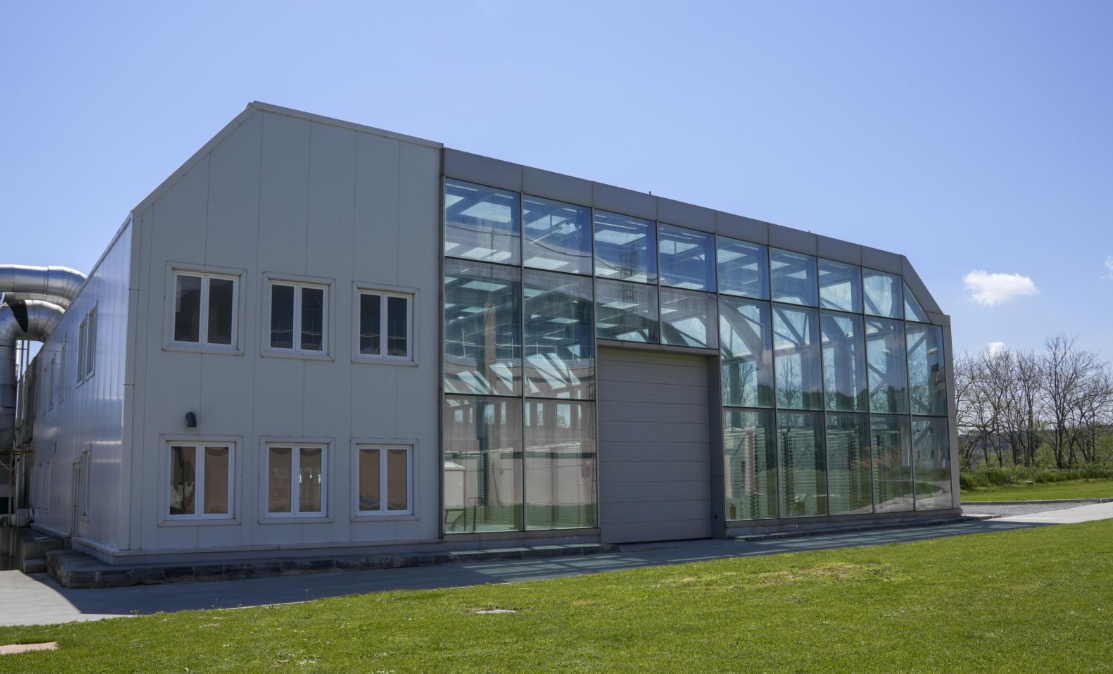
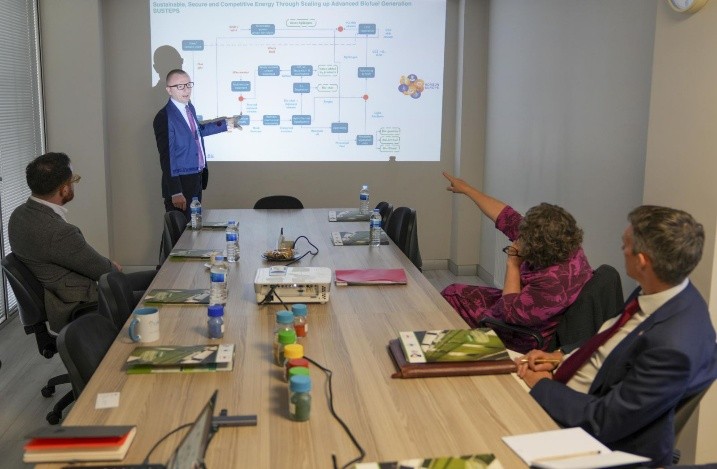
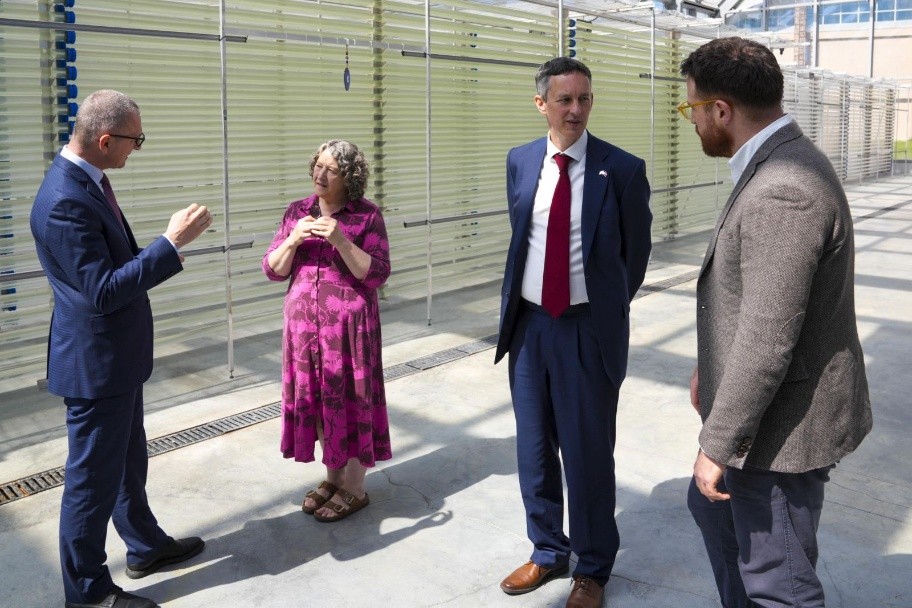
The discussions highlighted ongoing scientific partnerships between Boğaziçi University and Cambridge University—supported by the Newton Fund, the Royal Society of Chemistry, and the British Council—that advance climate action, knowledge transfer, and the commercialisation of green technology. Showcasing İMBİYOTAB’s pilot-scale infrastructure, the delegation examined scalable biological solutions for industrial carbon mitigation, biofuels, and wastewater treatment, reinforcing strategic UK-Türkiye cooperation in climate resilience, sustainability, and green trade.
The full news article is available here.
